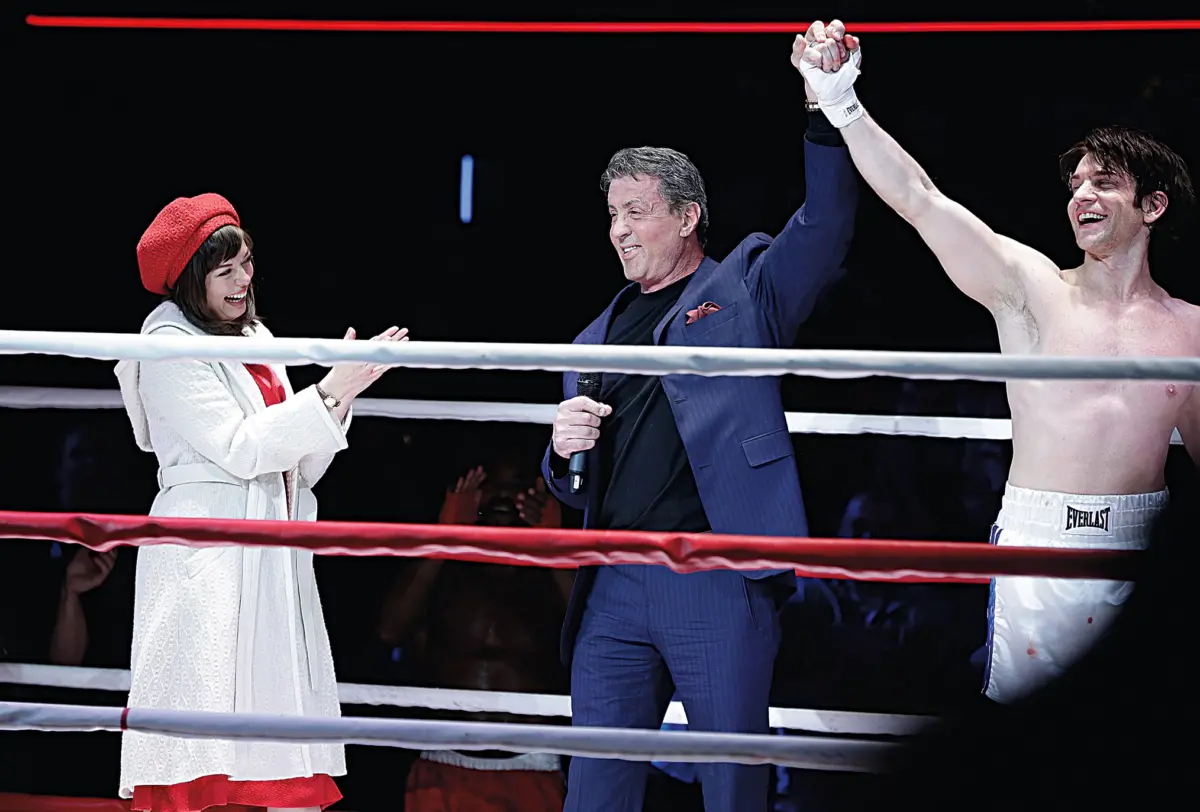
In February 2014, the Winter Garden Theatre became the unlikely epicenter of a theatrical experiment that merged the grit of 1970s Philadelphia with the polished artifice of Broadway spectacle. When Rocky the Musical began its preview period, industry skeptics and devoted followers of Sylvester Stallone’s 1976 cinematic masterpiece were collectively cautious. The prospect of translating a gritty, blue-collar drama about an underdog boxer into a song-and-dance production seemed, to many, like a narrative mismatch. However, the resulting show, which enjoyed a 208-performance run, stands today as a fascinating case study in technical ambition and the risks inherent in theatrical adaptation.
The Genesis of a Stage Adaptation
The journey from celluloid to stage began with a unique creative team. The project featured music composed by Stephen Flaherty, lyrics by Lynn Ahrens—the Tony-winning duo behind the acclaimed musical Ragtime—and a book co-written by Thomas Meehan, a veteran of theatrical hits such as Annie and Hairspray, alongside Sylvester Stallone himself. The involvement of Stallone was crucial; he did not merely license the property but acted as a hands-on architect of the story’s transition to a new medium.
For Andy Karl, the actor cast as Rocky Balboa, the initial reaction was one of professional hesitation. "When I initially got the audition, I was like, ‘They’re doing a musical of Rocky? That sounds like a really bad idea,’" Karl recalls. His apprehension mirrored the general public sentiment. Yet, upon revisiting the source material, Karl found a depth in the character that resonated with the themes of isolation, love, and the pursuit of dignity. This realization shifted his perspective, turning a potential career liability into a deeply personal artistic challenge.
Chronology of the Production
The development of Rocky the Musical was not an overnight endeavor. Following extensive workshops throughout 2013, the production officially opened on Broadway on March 13, 2014. The show’s timeline was marked by a rigorous physical and technical preparation period, as the cast had to navigate the demands of live performance while executing high-intensity choreography that simulated professional boxing.
Despite the critical and commercial challenges that often plague big-budget Broadway adaptations, the show earned four Tony Award nominations. These included a Best Actor nod for Karl, as well as recognition for scenic and lighting design, highlighting the production’s massive visual appeal. The run concluded on August 17, 2014, after 28 previews and 188 regular performances. While the run was relatively short by the standards of long-running hits like The Lion King, the show achieved a level of notoriety for its technical ingenuity that few productions can claim.
Technical Marvels and the Final Round
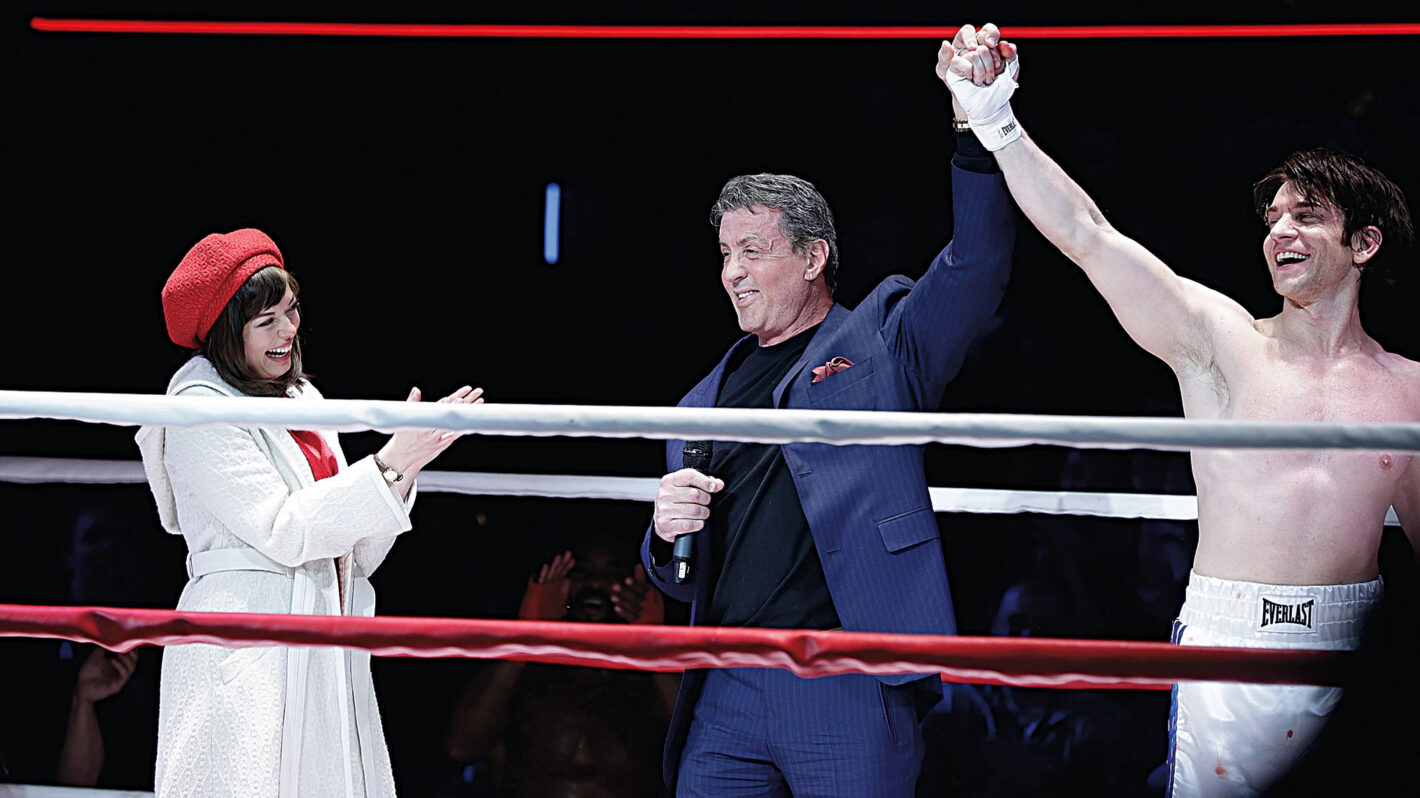
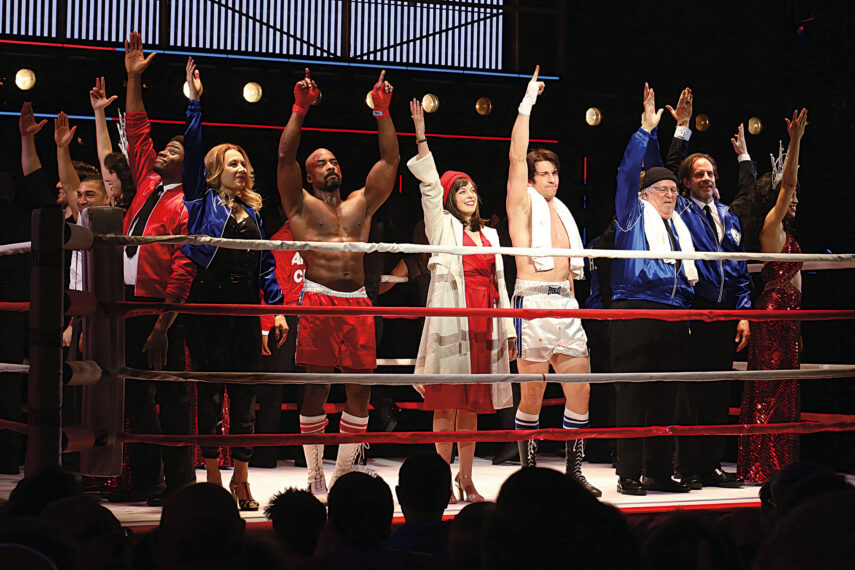
The defining feature of the production was undoubtedly its climax: a 20-minute, full-contact boxing match between Rocky and his rival, Apollo Creed, portrayed by Terence Archie. To achieve the necessary scale and immersion, the production team orchestrated a sophisticated stage transformation. At the conclusion of the performance, the front portion of the orchestra seating was removed to allow a full-size, hydraulic-powered boxing ring to rise from the floor and move out over the audience.
This maneuver transformed the Winter Garden Theatre into a facsimile of Madison Square Garden. The effect on the audience was palpable. "It was like Madison Square Garden—and it made the theater this huge spectacle, which was really amazing," says Karl. "The audience every night during that fight could not help themselves. People were cheering, ‘Rocky, go Rocky.’ Really getting into it."
This spectacle required more than just staging; it required physical endurance from the performers. Karl’s preparation involved intense boxing training, which he maintained while performing eight shows a week. He frequently performed the iconic scene involving the consumption of raw eggs, a nod to the film’s most famous training montage. The physical cost was real, with Karl noting that the choreography, while precise, occasionally resulted in genuine injuries. "I was really getting hit in the face every single night," he admits. "There were many, many days where Terrence, who was a very big guy, had very fast punches coming in a little quicker and harder than I’d like."
Critical Reception and Industry Data
While the show received mixed reviews regarding the necessity of the musical numbers—a common critique for adaptations of serious dramas—the production was lauded for its technical ambition. Data regarding the show’s box office performance suggests that while it was a costly production to mount and maintain, it succeeded in attracting a demographic that might not typically attend Broadway theater. The fusion of the Rocky brand with live performance created a bridge between sports entertainment and traditional musical theater.
The involvement of Stallone provided a level of authenticity that helped bridge the gap for fans of the original film. Karl recounts an interaction during a workshop where he witnessed Stallone embody the character, providing a masterclass in the difference between the man and the myth. "He was telling me about a line he did from the movie, and I saw his face and physicality change into Rocky—and it was wild. I was like, ‘Oh, I’m looking at Rocky now.’"
The Legacy of the Ring
Looking back at the production from a decade later, the legacy of Rocky the Musical lies in its willingness to push the boundaries of what a Broadway show can be. By prioritizing a visceral, immersive experience over traditional theatrical tropes, the producers challenged the status quo.
The project also served as a pivotal moment for Andy Karl’s career. His commitment to the role, characterized by a near-complete lack of absenteeism, solidified his reputation as a disciplined performer capable of carrying complex, physically demanding roles. Following Rocky, Karl went on to find success in other high-profile productions, including the musical adaptation of Groundhog Day and a revival of Into the Woods, for which he received critical acclaim, including a Drama Desk Award.
Broader Implications for Broadway Adaptations
The case of Rocky the Musical underscores the shifting landscape of 21st-century Broadway. In an era where intellectual property (IP) is the primary driver of commercial success, the industry is increasingly looking to film libraries to populate the stage. However, as Rocky demonstrated, the success of such an adaptation depends heavily on whether the creative team can justify the musicalization of the story.
When the medium enhances the message—as the boxing ring spectacle did for the themes of perseverance and the "underdog" narrative—the results can be transformative. When the music feels ancillary to the story, the longevity of the production often suffers. The 208 performances of Rocky represent a middle ground: a production that was technically triumphant and emotionally resonant for its fans, but one that faced the harsh realities of the high-cost Broadway ecosystem.
Ultimately, the story of the show mirrors the story of the character. It was about grit, the endurance required to survive an onslaught of challenges, and the determination to keep moving forward despite the obstacles. Whether or not the production reached the heights of its cinematic progenitor, it remains a significant chapter in Broadway history, proving that even the most unlikely contenders can step into the ring and make an impact. As fans celebrate the 50th anniversary of the original film, the brief but powerful life of the musical adaptation serves as a reminder of the enduring, cross-generational appeal of Rocky Balboa’s journey.