
The final chapter of the Landry family’s multigenerational time-traveling narrative is officially scheduled to conclude its streaming journey. Netflix US has confirmed that the fourth and final season of the Hallmark Channel drama The Way Home will premiere on the platform on October 1, 2026. This release brings a definitive close to one of the most unexpected streaming success stories of recent years, offering subscribers the final pieces of a complex, time-bending puzzle that has captivated audiences since its initial broadcast run concluded earlier this year on linear television.
The timing of the release holds deliberate symmetry for the platform. The first two seasons of the series made their surprise debut on Netflix US on October 1, 2025, establishing an anniversary tradition for the franchise’s digital home. Following the rapid addition of Season 3 in February 2026, the arrival of the fourth season completes the catalog, giving both longtime viewers and newcomers uninterrupted access to the entirety of the series.
Chronology of the Streaming Rights Agreement
The integration of The Way Home into the Netflix ecosystem represents a significant shift in distribution strategy for Hallmark Media. Historically, the network’s proprietary content remained siloed within its own linear channels and subscription video-on-demand service, Hallmark Movies Now. However, shifting economic models within the television industry prompted a broader commercial realignment.
In October 2025, a landmark licensing agreement between Hallmark Media and Netflix broke precedent. The strategic partnership was designed to monetize legacy libraries by introducing select, high-performing series and original holiday movies to a broader subscriber base in the United States and select international territories.
The Way Home served as a primary test case for this initiative. When Seasons 1 and 2 dropped without extensive prior marketing in late 2025, the response defied conventional expectations for cable drama migration. The series immediately climbed into the Netflix US Top 10 television charts, lingering on the leaderboard for weeks. Data analytics from the platform indicated high completion rates and sustained daily engagement, signaling to executives that linear cable audiences and streaming-first consumers shared a substantial cross-section of interest for character-driven mystery dramas.
Plot Overview and Narrative Expansion of the Final Season
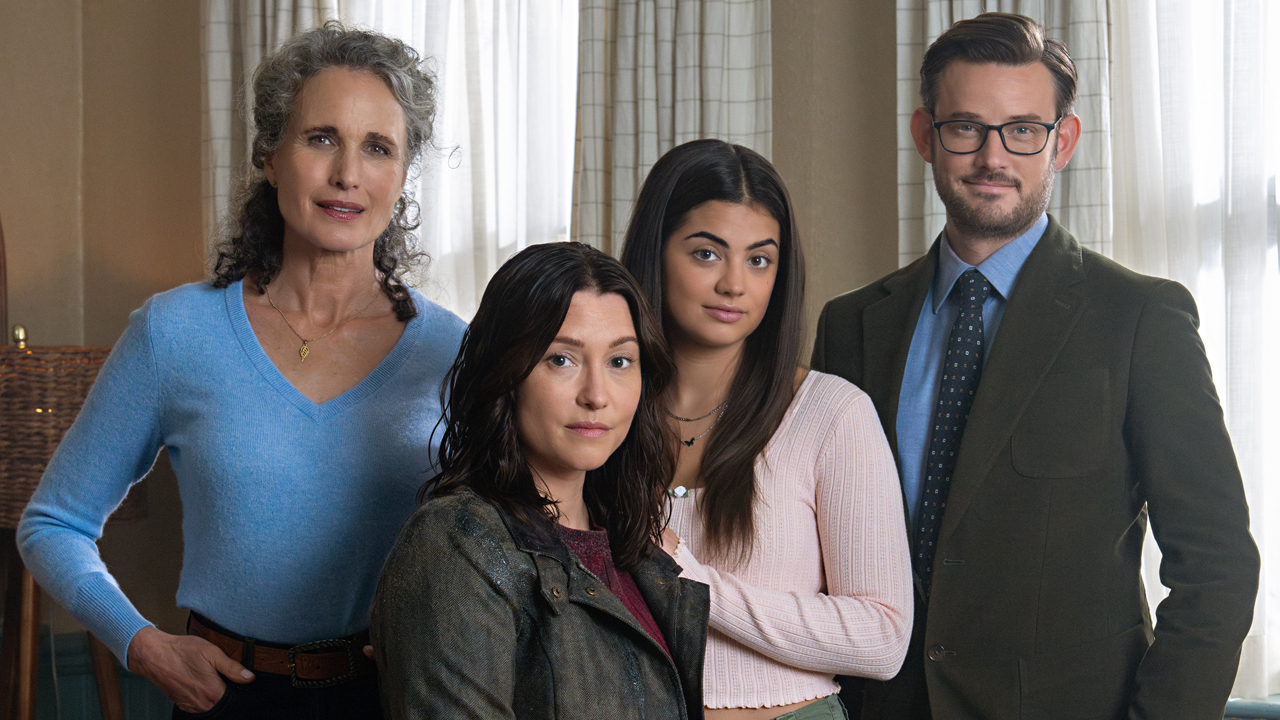
Without relying on acute plot spoilers, the fourth season of The Way Home resolves the foundational mysteries that have driven the narrative since the series premiere. The plot expands its historical scope, directing protagonist Kat Landry into the year 1925 to unravel a long-standing historical riddle central to the town of Port Haven.
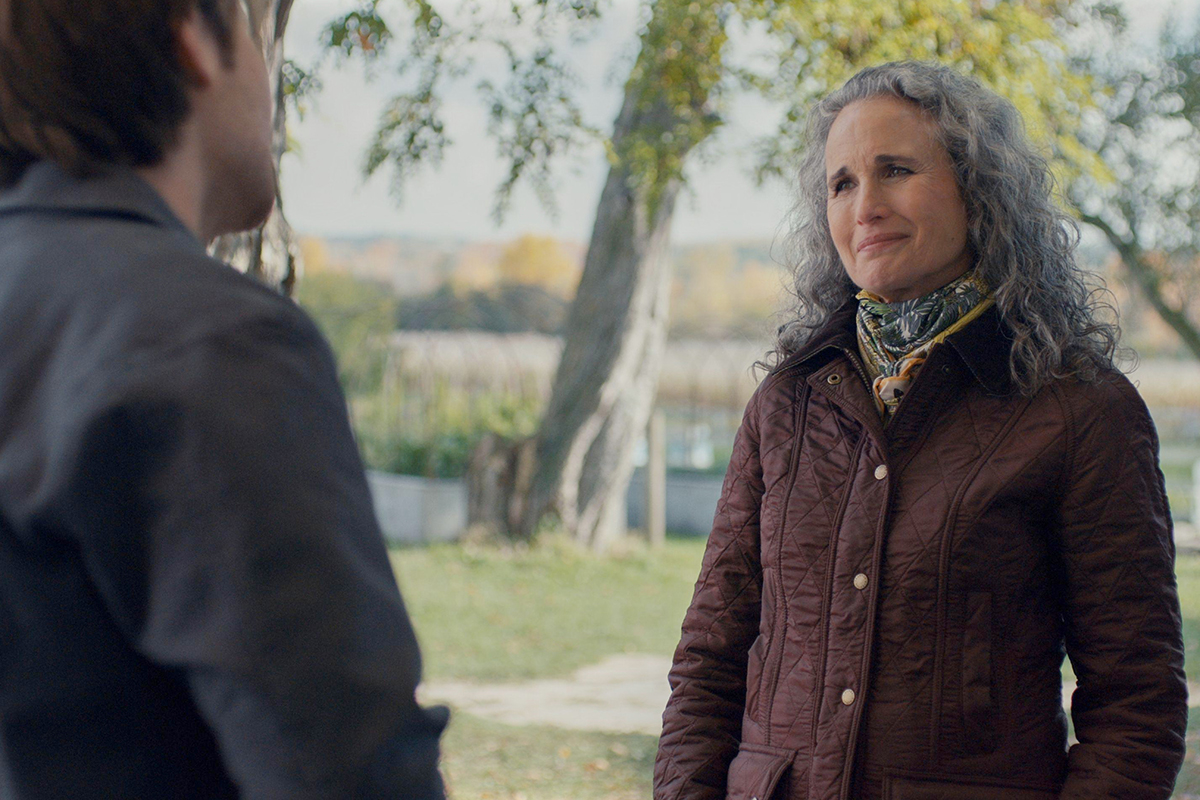
In the contemporary timeline, the narrative trajectory focuses on resolution and transition. Character arcs center on milestone events, including Alice preparing for high school graduation, Kat and Elliot navigating the long-term viability of their romantic relationship, and Del Landry confronting the emotional reality of becoming an empty-nester once again. To anchor these final storylines, the production introduced key supporting characters, casting actors such as Bianca Melchior as a young Fern Landry and Dan Jeannotte as Temperance Inspector Cliff Kane, broadening the historical and genealogical context of the Landry family tree.
Cast and Production Context
Created by Victoria Strouse, Marly Reed, and Heather Conkie, The Way Home benefited from an ensemble cast that anchored its speculative premise in grounded emotional stakes. The series stars Andie MacDowell as family matriarch Del Landry, Chyler Leigh as her estranged daughter Kat Landry, Sadie Laflamme-Snow as granddaughter Alice, and Evan Williams as childhood friend Elliot Augustine.
The production, filmed primarily in Port Perry, Ontario, standing in for the fictional coastal town of Port Haven, concluded principal photography on its final order of episodes in late 2025. The decision to conclude the series with Season 4 was creative rather than administrative, with showrunners opting to wrap the narrative deliberately rather than risk diluting the central time-travel mechanics.
Data Analysis and Platform Implications
The rapid turnaround between linear broadcast and subscription streaming for The Way Home highlights a growing industry standard. Traditional cable networks increasingly rely on major subscription platforms to capture secondary revenue streams and expand audience demographics that might otherwise bypass linear television bundles.
For Netflix, acquiring completed procedural and serialized dramas with built-in fanbases provides reliable retention metrics. Content analysis from media research firms indicates that multigenerational family dramas maintain higher-than-average rewatch rates, a factor that likely influenced Netflix’s decision to secure long-term SVOD windows for the title. Based on standard multi-year licensing agreements negotiated during the 2025 deal cycle, the complete four-season run of The Way Home is expected to remain accessible on Netflix US through at least late 2028, with potential extension windows stretching toward 2030 depending on contract renewals.
International Distribution Discrepancies
While domestic subscribers prepare for the October release, international audiences face continued distribution fragmentation. The licensing agreement executed between Hallmark Media and Netflix applies strictly to the United States market.
Consequently, international viewers seeking to watch the final season must rely on local territorial rights holders. In Canada, the series remains distributed via the W Network and the StackTV streaming add-on. In other major global markets, including the United Kingdom and Australia, the series is distributed through alternative video-on-demand platforms or localized broadcast networks, as Netflix does not hold the international streaming rights for the property.
Broader Impact on the Hallmark Brand
The commercial performance of The Way Home on Netflix has catalyzed a broader repositioning of Hallmark Media’s distribution philosophy. By demonstrating that linear cable intellectual property can achieve viral streaming success, the network has validated a hybrid model that balances traditional subscriber retention on its proprietary platforms with lucrative licensing agreements with global tech conglomerates.
As the Landry family saga reaches its conclusion this October, the trajectory of the series serves as a case study in modern television distribution—proving that even traditional, comforting cable narratives can find new life, and massive new audiences, in the era of on-demand streaming.