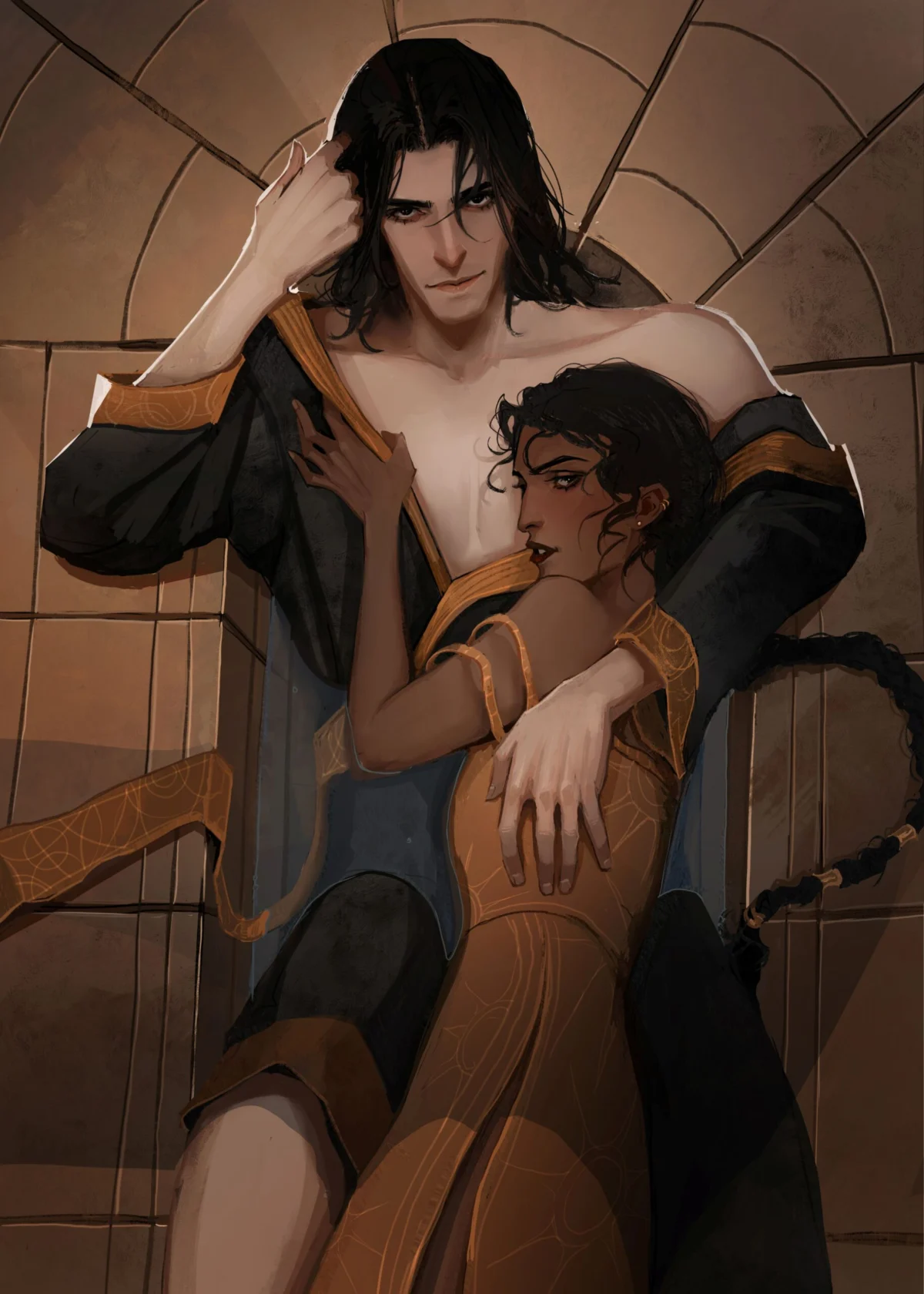
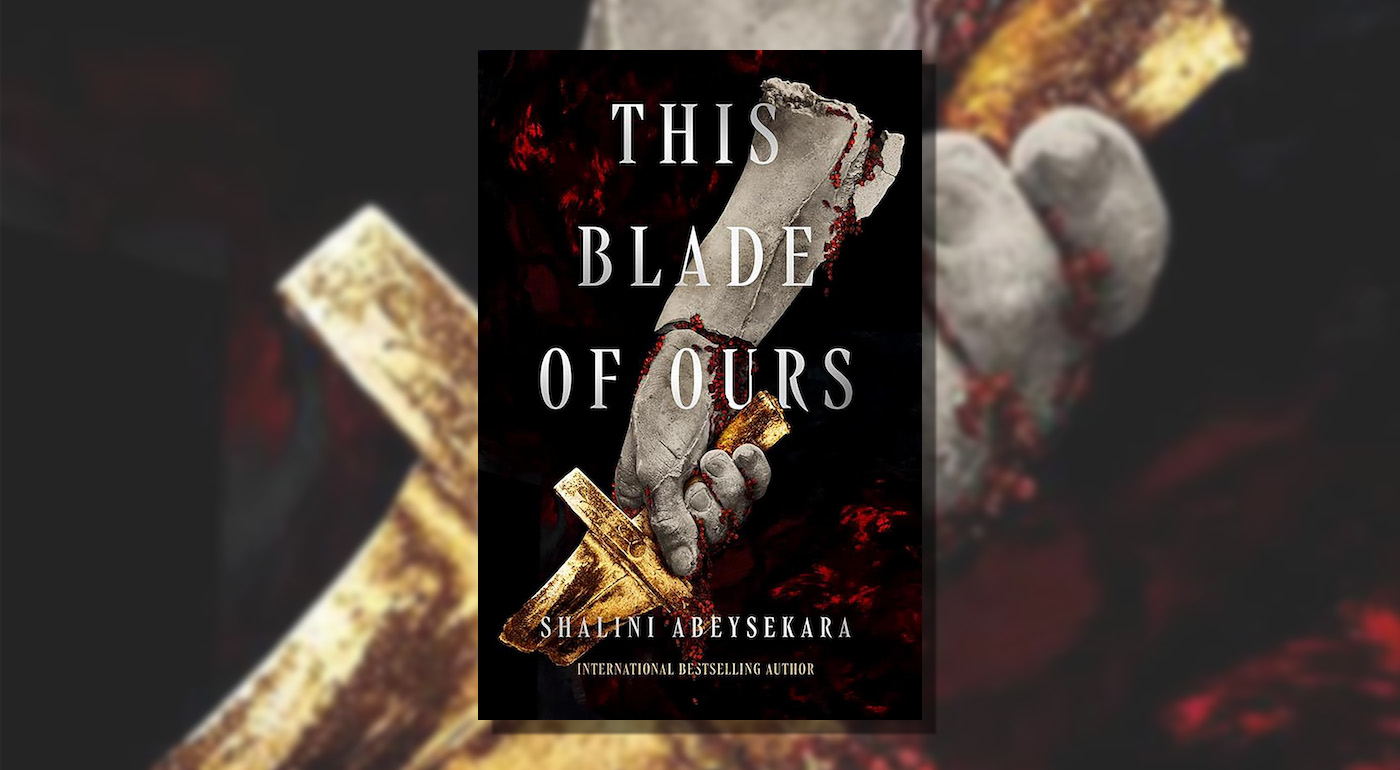
Union Square & Co. is set to release "This Blade of Ours," the climactic installment of Shalini Abeysekara’s dark romantasy duology, on June 30th. The highly anticipated sequel to "This Monster of Mine" promises to delve deeper into the intricate lore and perilous journey of its protagonists, Sarai and Kadra. Readers are offered an exclusive glimpse into the unfolding narrative through the book’s prologue, alongside striking character art by artists Avendell and Bella Bergolts, further whetting the appetite for this dark fantasy epic.
The narrative picks up following the events of "The Great Unravelling," a period where Sarai’s exposure of governmental corruption has led to widespread societal upheaval. Far from receiving accolades, Sarai and Kadra find themselves navigating a landscape of public scorn, as many citizens lament the loss of their perceived underdog status. This internal discord is compounded by a series of ominous events plaguing the nation. Reports detail the outbreak of a virulent plague and a disturbing wave of madness, with afflicted individuals uttering chilling prophecies of an impending reckoning. Accusations fly, casting Sarai as the catalyst for divine wrath, forcing her to seek refuge and vindication in the desolate, frozen north of Ur Dinyé. However, the icy secrets buried within this unforgiving terrain are intrinsically linked to Kadra’s own hidden past.
As historical animosities between the northern and southern regions intensify, a formidable religious order seizes power amidst the burgeoning chaos. This order is spearheaded by Noceo bu Kader, a figure whose very voice possesses a lethal quality. Caught between the escalating conflict and their deepening bond, Sarai and Kadra must employ all their wit and resilience to outmaneuver a power rooted in both deep-seated fear and ruthless cruelty. The prologue hints at an overarching celestial gaze, suggesting that escape, even for these formidable individuals, may not be a guaranteed outcome.
A Nation on the Brink: The Prologue Unveiled
The opening pages of "This Blade of Ours" paint a stark picture of a nation teetering on the precipice of collapse. The prologue, narrated from the perspective of an unnamed female character, opens with a quote from "The Teachings of Inquisitor Caminus of Ur Dinyé," a passage that warns against the hubris of summoning divine entities and the perilous consequences of bridging the mortal and celestial realms. This sets a tone of caution and foreboding, immediately immersing the reader in the high-stakes spiritual and political climate of Ur Dinyé.
The narrative then shifts to a vivid description of the Xär’mand Desert, a vast and unforgiving landscape bordering Ur Dinyé and Errigal. The unnamed protagonist, on horseback, traverses this arid expanse, her gaze fixed on the imposing Kaycakh Range. This mountain range, historically significant as a natural border, once housed a temple of immense renown. This sacred site, known as the Lost Temple, was believed to hold devotees of Lord Time who could offer glimpses into potential futures. For centuries, these prophecies guided Ur Dinyé, averting numerous catastrophes. However, the temple’s influence waned after a king, incensed by the Head Seer’s final prophecy, ordered the massacre of its inhabitants.
The protagonist’s journey is driven by a deep-seated bitterness towards the rulers in Ur Dinyé’s southern capital of Edessa, suggesting a personal grievance tied to the nation’s current predicament. Her nightly routine involves searching the Kaycakh Range for the entrance to the Lost Temple, a quest fueled by fragments of information gleaned from texts dating back to the Scourgemaster’s era. These records hint at the temple’s rediscovery centuries prior but omit its precise location, a mystery compounded by the unexplained deaths of subsequent explorers.
The Looming Threat: A New Power Rises
The prologue introduces the growing instability within Ur Dinyé, exacerbated by escalating tensions between its northern and southern regions. This geopolitical friction creates fertile ground for the rise of a powerful religious order, led by the formidable Noceo bu Kader. The description of his voice as possessing a "lethal quality" immediately establishes him as a significant antagonist, hinting at a unique and potentially terrifying form of power. This development suggests a shift in the established power structures and introduces a new layer of conflict for Sarai and Kadra to navigate.
The narrative also hints at a broader celestial conflict, with the prologue quoting Inquisitor Caminus on the dangers of "God-Summoners" and the potential for cosmic incursions. This foreshadows a direct confrontation with divine forces or entities, aligning with the dark romantasy genre’s penchant for blending mythic elements with mortal struggles. The potential consequences of such divine interference are presented as dire, with the prologue posing the question: "And from it, what blood will spill? Who else will part the seams of our world as a sword does flesh and enter?"
The Lost Temple and the Price of Power
The protagonist’s search for the Lost Temple culminates in a dramatic encounter. As she approaches a specific peak, her mare reacts with fear, sensing an unseen presence. The air thrums with a palpable magic, described as a "hum of otherness," a sensation of "hunger" and "hatred." This supernatural energy confirms her presence in a place of power, a place that recognizes her lineage, as the wind seems to whisper, "We know your blood. It has spilled here before."
The entrance to the temple, hidden behind rubble, is revealed through a perilous act of magic. The protagonist draws the Urdish rune for "Time," zuvrai, by pricking her fingertips and using her own blood. This act is described as incredibly taxing, draining her life force and risking her remaining time. The ancient texts warned that this rune was a "Tenth-Tier rune, demanding a torrential, inherently unsustainable flow of power." This ritualistic drawing of runes, using one’s life force as currency, is a central element of the magic system, underscoring the high cost of wielding such power. The narrative highlights the moral ambiguity of such actions, questioning whether the protagonist will be seen as a "monster or martyr."
The dangerous ritual results in the mountain face collapsing, revealing the temple’s entrance. Inside, the protagonist navigates dimly lit corridors adorned with frescoes depicting past battles and avoided fates. The presence of skeletal remains serves as a grim testament to the temple’s dangerous guardians and the fate of those who sought its secrets. The prologue emphasizes the narrative’s exploration of historical memory and the cyclical nature of violence, as the protagonist reflects on the repetition of history and the role of blood in shaping its course.
The Summoning of Faragathe: A Goddess’s Intervention
The climax of the prologue involves the protagonist’s desperate summoning of a goddess. Facing imminent death from the draining rune, she performs a series of rituals, drawing runes for "Sword," "Void," "Weave," "Blood," "End," "Unity," "Shadow," and finally, "Sleep" (safsher, tuhig, zefis, khon, frazam, layk, sayag, nibas). Her efforts are nearly in vain as she collapses, her blood smudging the runes, but a sudden surge of blue-green flames erupts from the altar, forming a protective barrier against the spectral entities that sought to claim her.
The summoned entity is revealed to be Faragathe, a Naaduir, a minor goddess who served Lord Time. Her appearance is described in awe-inspiring, terrifying detail: a towering figure with starlight in her hair, a gown of shifting sky, and multiple eyes that hold "esophageal darkness." Faragathe, though a deity, expresses a disdain for the mortal plane and a weariness of human affairs, stating, "The Naaduir don’t grant wishes, mortal. We accept what appeals to us and reject the rest."
The protagonist’s plea to Faragathe is rooted in a desire for recognition and vengeance. She highlights Faragathe’s tragic history, her role as a seer whose prophecies were ignored, and her subsequent brutalization and death at the hands of the Elsarian Order. The protagonist argues that Faragathe’s power, unlike that of other deities, does not rely on human belief and that her name has been deliberately erased from religious texts. She proposes a pact: Faragathe will help her expose and destroy the corrupt capital of Edessa, thereby restoring Faragathe’s name and ensuring she is never forgotten.
Thematic Resonance and Future Implications
"This Blade of Ours" promises to explore profound themes of corruption, faith, the cyclical nature of history, and the complex relationship between mortals and deities. The prologue establishes a world where political corruption, religious dogma, and divine intervention are intertwined, creating a volatile environment for its protagonists. The narrative suggests that true power may not lie in overt displays of force but in the manipulation of belief, history, and the shadows that lie between realms.
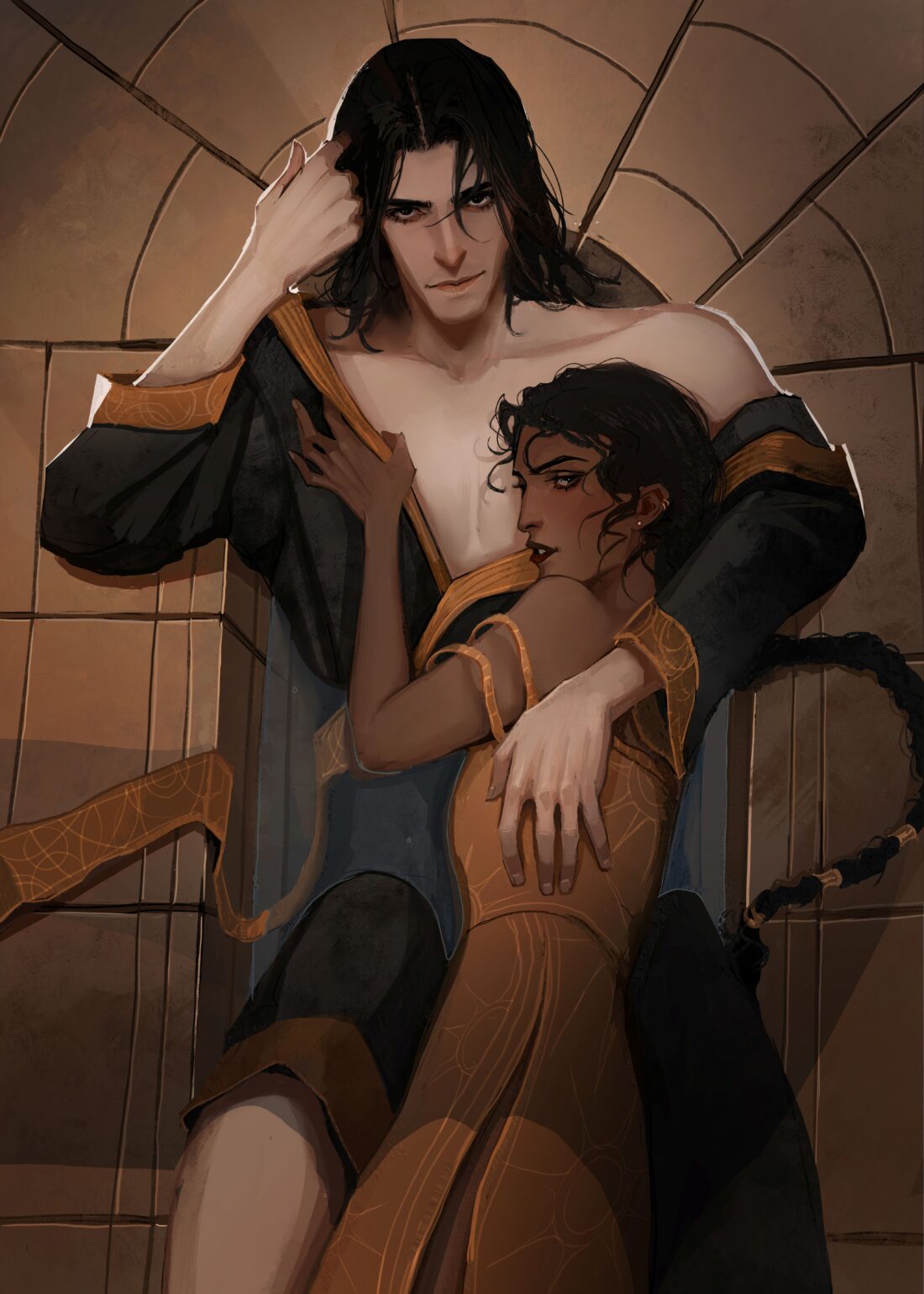
The artists Avendell and Bella Bergolts contribute significantly to the visual storytelling, with their character art of Sarai and Kadra likely to capture the essence of their struggle and their evolving relationship. Their illustrations will serve as crucial visual anchors for readers, bringing the characters to life and enhancing the immersive quality of Abeysekara’s dark fantasy world.
The stakes are undeniably high as Sarai and Kadra face not only human adversaries and the wrath of a powerful religious order but also the potential intervention of ancient gods. The prologue’s conclusion, with Faragathe agreeing to "stand behind" the protagonist, suggests a formidable alliance forged in the crucible of shared grievances. This pact, however, is not without its own inherent dangers and moral complexities, hinting at a narrative arc that will challenge the characters’ perceptions of good and evil, power, and destiny. The release of "This Blade of Ours" is poised to deliver a compelling conclusion to this dark romantasy duology, leaving readers to ponder the ultimate cost of power and the enduring impact of history.