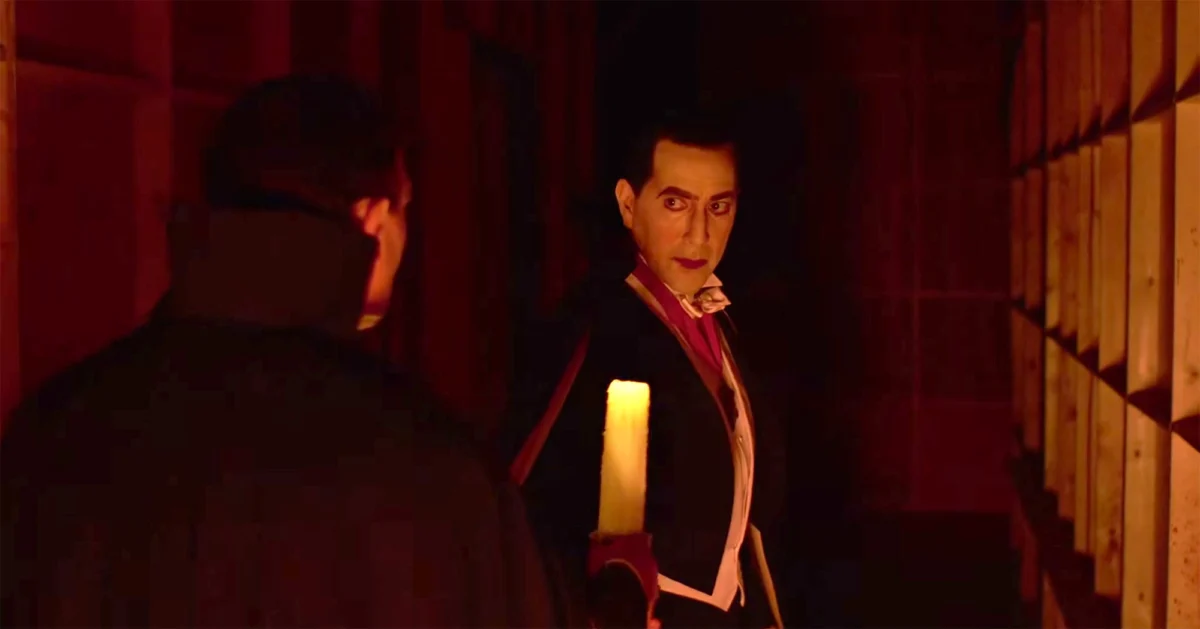
The debut of the festival promotional trailer for the independent horror feature Los Vampires has introduced a stylized recreation of one of the most unique periods in cinematic history. Directed and written by Craig Mitchell, the film is a fictionalized exploration of the 1931 production of the Spanish-language version of Dracula, which was filmed simultaneously with the iconic Bela Lugosi version. The project is scheduled to make its world premiere at the 2026 Fantasia Film Festival in Montreal this summer, positioning it as a significant entry in the year’s genre cinema circuit.
Los Vampires explores the "dual-shoot" phenomenon of early 1930s Hollywood, specifically focusing on the production of George Melford’s Drácula. During this era, Universal Pictures sought to capitalize on the emerging "talkie" market by producing Spanish-language versions of their major features for international distribution. These productions often utilized the same scripts and sets as the English-language versions but featured different casts and crews who worked overnight. Los Vampires dramatizes the tensions, rivalries, and atmospheric dread inherent in this nocturnal filming schedule, blending historical fact with a murder mystery and occult elements.
Historical Context: The 1931 Dual Production Model
To understand the narrative foundation of Los Vampires, it is necessary to examine the historical circumstances of the 1931 Universal production. At the time, dubbing technology was in its infancy and often considered poor in quality. To secure the lucrative Latin American and Spanish markets, Universal Pictures opted to film a Spanish-language version of Dracula alongside Tod Browning’s English-language masterpiece.
While Tod Browning and star Bela Lugosi filmed during the daylight hours, director George Melford and actor Carlos Villarías took over the soundstages at night. Historical accounts and film scholars have frequently noted that the Spanish version, despite having a lower budget and less prestige, often surpassed the English version in technical execution. Because Melford’s crew could watch the "dailies" of Browning’s work from the day, they were able to identify technical flaws and improve upon the camera movements and lighting setups.

Los Vampires leverages this historical rivalry, casting Henry Ian Cusick and Thomas Kretschmann as fictionalized surrogates for Villarías and Lugosi, respectively. The film posits a scenario where the two actors, operating in the transitory hours of dawn and dusk, develop a psychological rivalry that transcends the boundaries of their shared role.
Narrative Overview and Cast Profiles
The plot of Los Vampires follows a Spanish actor, portrayed by Henry Ian Cusick, who is cast to lead the night shoot of a high-stakes vampire film. His primary instruction is to imitate the performance of the English-speaking star, played by Thomas Kretschmann, who portrays the count during the day. As the production progresses, the lines between the actors’ identities and their roles begin to blur. This psychological tension is exacerbated by a series of murders occurring on and around the Universal soundstages, suggesting that the "mysticism" of the film shoot may have invited a genuine supernatural presence.
The casting of the film brings together a diverse range of veteran performers. Henry Ian Cusick, known for his roles in Lost and The 100, takes the lead as the Spanish counterpart, while Thomas Kretschmann, a veteran of international cinema with credits including The Pianist and King Kong, portrays the legendary English-speaking lead. The supporting cast includes Tony Award winner Jefferson Mays, Oscar Nuñez (The Office), Daniela Couso, and Jorge Diaz.
According to statements from the Fantasia Film Festival organizers, the cast delivers an "immaculate" performance that pays tribute to the "dignity of performance" during the early years of the studio system. The film is described as a "darkly imaginative, bittersweet love letter to old Hollywood," focusing on the forgotten labor and the cultural struggles of immigrant performers in the 1930s.
Production and Creative Leadership
Craig Mitchell serves as the primary creative force behind Los Vampires, acting as both writer and director. Mitchell is an established figure in the independent genre scene, with a career spanning several decades. His previous directorial efforts include Jim the World’s Greatest and What’s Up Hideous Sun Demon. As a screenwriter, Mitchell’s credits include the horror films Milo and Komodo, as well as the thrillers Highwaymen and The Flock.

The production of Los Vampires was overseen by Ty Donaldson. The film’s aesthetic focuses on a "meticulously designed" reconstruction of 1930s soundstages. Production reports indicate that the crew utilized period-appropriate lighting techniques and set design to replicate the high-contrast, chiaroscuro style of Universal’s classic horror era. The goal was to create a visual experience that mirrors the look of 1931 cinematography while utilizing modern high-definition technology to enhance the "occult-tinged" atmosphere of the narrative.
The Role of the Fantasia Film Festival
The selection of Los Vampires for the 2026 Fantasia Film Festival underscores the film’s status as a high-profile genre project. Since its inception in 1996, the Montreal-based festival has become one of the most influential platforms for horror, fantasy, and cult cinema. It has served as a launching pad for numerous films that eventually achieved mainstream success or cult status.
The festival’s programmers have highlighted Los Vampires for its blend of historical homage and genre innovation. By focusing on the "lost" history of the Spanish Dracula, the film appeals to cinephiles and horror historians alike. The premiere at Fantasia is expected to generate significant interest from distributors looking for unique genre content for the 2026-2027 season.
Chronology of Development and Release
The development of Los Vampires followed a timeline of extensive research into the Universal archives to ensure the accuracy of the film’s setting.
- 1930-1931: Original production of the English and Spanish versions of Dracula at Universal Studios.
- Late 2024: Script development by Craig Mitchell, focusing on the intersection of the "night shoot" and a fictional murder mystery.
- 2025: Principal photography commences, utilizing specialized sets designed to replicate the original 1931 soundstages.
- June 2026: Release of the early festival promo trailer and official announcement of the Fantasia Film Festival premiere.
- Summer 2026: World premiere scheduled in Montreal.
As of late June 2026, no wide theatrical or streaming release date has been confirmed. Industry analysts suggest that a successful run at the Fantasia Film Festival will likely lead to a fall 2026 release, potentially coinciding with the Halloween season.

Analysis of Cinematic Implications
Los Vampires represents a growing trend in contemporary cinema: the "meta-historical" horror film. By dramatizing the behind-the-scenes reality of classic film production, filmmakers are able to comment on the evolution of the industry while delivering the genre thrills expected by modern audiences.
The film’s focus on the Spanish-language Dracula also addresses a historical oversight. For decades, the Spanish version of the film was considered lost until a print was discovered in the 1970s. Since then, it has been preserved by the Library of Congress and recognized for its technical superiority over the Browning version in many respects. Los Vampires serves as a narrative vehicle to bring this specific piece of film history to a wider audience, framed through the lens of a supernatural thriller.
Furthermore, the film explores the theme of the "double" or the doppelgänger, a classic trope in vampire literature. By having two actors play the same role on the same sets in the same building, Mitchell creates a psychological landscape where the characters begin to lose their sense of self. This thematic depth, combined with the "occult-tinged" murder mystery, distinguishes Los Vampires from standard period pieces.
Conclusion and Industry Outlook
The arrival of Los Vampires at the 2026 Fantasia Film Festival marks a significant moment for independent horror. With a cast of respected veterans and a premise rooted in one of Hollywood’s most fascinating production stories, the film is positioned to be a standout title in the upcoming festival circuit.
The trailer highlights the film’s "uncanny" atmosphere and its dedication to recreating the aesthetic of the 1930s. As the industry looks toward the premiere, the focus remains on how Craig Mitchell has balanced the "bittersweet love letter" to old Hollywood with the darker, more violent elements of the murder mystery. For horror fans and film historians, Los Vampires offers a rare opportunity to revisit the Golden Age of Monsters through a modern, imaginative perspective.

Updates regarding domestic distribution and a broader release schedule are expected to follow the film’s festival debut in Montreal. For now, the promo trailer serves as a testament to the enduring legacy of Dracula and the complex, often hidden history of the films that defined the vampire mythos for generations.