More than three decades ago, acclaimed filmmaker Ron Howard embarked on a cinematic journey into the chaotic, deadline-driven world of a fictional New York City tabloid. The resulting film, The Paper, released by Universal on March 18, 1994, offered audiences a high-octane, 24-hour glimpse into the lives of journalists battling against the clock, ethical dilemmas, and each other to get the day’s edition to newsstands. Anchored by a stellar ensemble cast led by Michael Keaton, Glenn Close, Marisa Tomei, Randy Quaid, and Robert Duvall, the film, despite its modest box office performance, has cultivated a devoted following, particularly within the media profession, for its authentic portrayal of a newsroom’s frenetic energy.
The Genesis of a Newsroom Drama: From Concept to Screen
Following his directorial effort on the 1992 romantic drama Far and Away, starring Tom Cruise and Nicole Kidman, Ron Howard found himself drawn to a project that would harken back to the golden age of newspaper films. He envisioned a story infused with the sharp wit and rapid-fire dialogue reminiscent of classics like Howard Hawks’ 1940 screwball comedy His Girl Friday, which itself was an adaptation of Ben Hecht and Charles MacArthur’s 1928 Broadway play The Front Page. This genre, characterized by its fast pace, colorful characters, and often cynical but ultimately idealistic view of journalism, held a particular allure for Howard.
It was Steven Spielberg, a frequent collaborator and industry titan, who introduced Howard to David Koepp, fresh off his success as the screenwriter for Spielberg’s blockbuster Jurassic Park. David Koepp was collaborating with his brother Stephen Koepp, a seasoned editor at Time magazine, on a screenplay titled The Paper. The Koepp brothers’ script, deeply informed by Stephen’s firsthand experience in journalism, presented a gritty, authentic look at a male-dominated newsroom. Howard was immediately captivated by the script’s intricate balance of comedy, drama, and suspense, elements crucial for capturing the multifaceted reality of daily newspaper operations.
A Pivotal Casting Decision: Glenn Close as Alicia Clark
While largely satisfied with the existing narrative, Howard imparted one significant creative note during the development phase: the character of Alicia Clark, the formidable managing editor and primary antagonist to Michael Keaton’s Henry Hackett, had been originally conceived as a male role. Howard, however, saw an opportunity to enrich the dynamic and challenge traditional gender roles within the newsroom setting. He proposed casting Glenn Close in the part, a suggestion that David and Stephen Koepp enthusiastically embraced. Crucially, Howard insisted that Close be cast "without changing a single attitude, behavior or line." This decision proved inspired, allowing Close to imbue Alicia with a fierce intelligence, unyielding ambition, and complex humanity that transcended typical gender stereotypes, making her a more compelling rival and a significant force within the film’s narrative. Her portrayal underscored the growing presence and power of women in leadership roles, even in historically male-dominated fields, during the late 20th century.
Assembling the Ensemble: A Galaxy of Talent
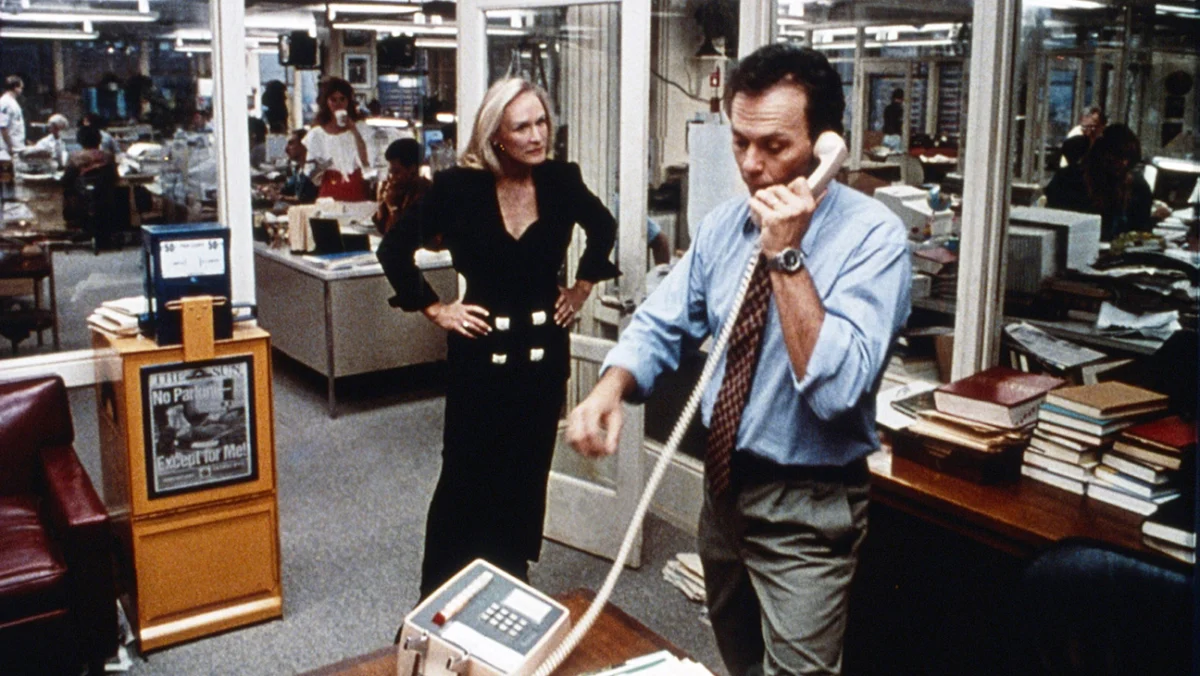
The success of The Paper hinged significantly on its ensemble cast, a testament to Howard’s ability to attract top-tier talent. At the center was Michael Keaton as Henry Hackett, the beleaguered metro editor of the New York Sun. This marked Keaton’s third collaboration with Howard, following Night Shift (1982) and Gung Ho (1986). Keaton, known for his ability to seamlessly blend comedic timing with dramatic depth, perfectly embodied Hackett’s relentless drive, moral compass, and underlying exhaustion. His portrayal captured the essence of a journalist perpetually on the brink, juggling professional integrity with personal sacrifices. Keaton’s energetic, often frantic performance served as the pulsating heart of the film, conveying the constant pressure of chasing a story and making an impossible deadline.
The cast was further rounded out by a host of acclaimed actors. Marisa Tomei played Martha Hackett, Henry’s pregnant wife, a former journalist herself who grapples with the impact of her husband’s all-consuming career on their family life. Her character provided a crucial emotional anchor, highlighting the personal stakes involved in the demanding world of journalism. Randy Quaid delivered a memorable performance as McDougal, a veteran reporter whose unorthodox methods and cynical worldview often clash with Hackett’s more principled approach. Robert Duvall, as the seasoned and somewhat jaded editor Bernie White, offered a powerful presence, embodying the wisdom and weariness that come with decades in the news business. The film also featured notable cameos, including Vanity Fair editor Graydon Carter and other media personalities, further lending an air of authenticity to the newsroom environment.
Authenticity on Set: Howard’s Immersion into Journalism
To ensure the authenticity that Howard prized, he undertook extensive research, immersing himself in the real-world operations of New York City tabloids. He spent considerable time observing the frenetic pace and distinct culture of newsrooms at the Daily News and the New York Post. This hands-on experience allowed him to absorb the specific rhythms, the jargon, the camaraderie, and the underlying tension that define such environments. From the clatter of keyboards and ringing phones to the passionate debates over headlines and lead paragraphs, Howard sought to replicate the visceral experience of a bustling newsroom.
Beyond contemporary observation, Howard delved into the historical roots of newspaper dramas. He meticulously studied The Front Page, the 1928 Broadway comedy that served as the foundational text for His Girl Friday. This research provided him with a rich understanding of the genre’s conventions, its rapid-fire dialogue, and its archetypal characters, allowing him to pay homage to these classics while crafting a story relevant to the 1990s. The influences are evident in The Paper‘s sharp dialogue, its ensemble dynamics, and its overarching theme of the journalist’s often-compromised pursuit of truth.
The Pressure Cooker of Production: Crafting Urgency
The film’s narrative unfolds over a tight 24-hour period, a structural choice that inherently amplified the sense of urgency and relentless pressure. Howard’s direction masterfully maintained this breakneck pace, mirroring the real-time scramble of a daily newspaper. Every scene, every line of dialogue, and every character interaction was designed to convey the ticking clock, the looming deadline, and the immediate consequences of every decision. The rapid cuts, overlapping dialogue, and constant movement within the newsroom set all contributed to this feeling of escalating tension.
A pivotal and frequently cited scene in The Paper involves a heated physical confrontation between Henry Hackett (Keaton) and Alicia Clark (Close) over the publication of a contentious front-page story. The scene, which sees the two characters come to blows, underscored the fierce passion and high stakes inherent in their profession. Howard vividly recalls Michael Keaton pulling him aside after a few takes of their fistfight. Keaton, known for his own commitment to physical performance, reportedly remarked, "Ron, if you can, hold down the number of takes because Glenn is going full throttle. And let me tell you, she’s seriously strong!" This anecdote not only highlights Close’s dedication to her role but also illustrates the intensity both actors brought to their performances, making the conflict feel genuinely raw and impactful. It’s a moment that perfectly encapsulates the film’s ability to blend comedic absurdity with genuine dramatic stakes.
Release, Reception, and Enduring Legacy
The Paper premiered on March 18, 1994, entering a competitive cinematic landscape. The film garnered $48 million at the global box office. While this figure, when adjusted for inflation, translates to approximately $107 million in today’s currency, Ron Howard has expressed a degree of disappointment that the film did not achieve a larger box office splash. However, he notes that it "overperformed in the seven cities where newspapers still mattered culturally," suggesting a strong connection with audiences in urban centers deeply familiar with the newspaper industry.
Critical reception for The Paper was generally positive. The Hollywood Reporter‘s review praised the feature as "tight and entertaining" and highlighted its "banner cast." Other critics lauded the film for its energetic pacing, its sharp script, and the compelling performances of its ensemble. Many appreciated its realistic, if somewhat romanticized, depiction of newsroom life, and its exploration of journalistic ethics. While it didn’t sweep awards, its critical appreciation pointed to a well-crafted, engaging piece of filmmaking.
Despite not becoming a massive commercial hit, The Paper has cultivated a lasting legacy, particularly within professional circles. Howard consistently hears "good things about it, especially from actors and journalists," a reception that he notes "always makes me proud." This enduring appreciation from those intimately familiar with the world it portrays speaks volumes about the film’s authenticity and its ability to resonate long after its initial release. For many, it remains one of the most accurate and entertaining cinematic portrayals of the daily newspaper grind.
Thematic Resonance: Journalism in a Shifting Media Landscape
At its core, The Paper is a powerful exploration of journalistic ethics, integrity, and the relentless pursuit of truth under immense pressure. The film’s central conflict revolves around the decision to publish a potentially libelous story that could save innocent lives, forcing Henry Hackett and his colleagues to weigh sensationalism against responsibility, speed against accuracy, and the demands of their readers against their own moral compasses. It delves into the grey areas of journalism, where good intentions can lead to problematic outcomes, and where the line between informing the public and exploiting a tragedy can become dangerously blurred.
Released in the mid-1990s, The Paper captured the print media industry at a pivotal, albeit unknowingly transitional, moment. While newspapers still reigned supreme as the primary source of daily information for many, the nascent whispers of the internet and the growing dominance of 24-hour cable news were already beginning to hint at the seismic shifts to come. The film serves as a poignant time capsule, documenting a period when the smell of ink, the roar of the printing presses, and the physical presence of newsstands were integral to urban life. It portrays a media landscape where a newspaper’s front page could still command immediate attention and shape public discourse in a way that is now fragmented across countless digital platforms.
In the digital age, where traditional print media faces unprecedented challenges, The Paper‘s themes remain remarkably relevant. The ethical dilemmas faced by Hackett — the pressure to be first, the need to confirm facts, the impact of a story on real lives, and the constant battle against misinformation — are amplified exponentially in today’s instant-news cycle. The film prompts viewers to consider the enduring value of diligent journalism and the often-unseen struggles of those dedicated to informing the public, even as the platforms and methods of news delivery continue to evolve dramatically. It underscores the human element behind the headlines, a crucial reminder in an era of AI-generated content and algorithm-driven news feeds.
Conclusion
Three decades after its release, Ron Howard’s The Paper stands as more than just a fast-paced drama; it is a vibrant, often hilarious, and ultimately poignant tribute to the unsung heroes of the newsroom. Through its compelling characters, sharp dialogue, and authentic depiction of journalistic life, it captures the essence of a profession defined by deadlines, integrity, and an unwavering commitment to the story. While the physical newspaper may be a dwindling presence in many communities, the spirit of inquiry, the ethical struggles, and the passionate pursuit of truth depicted in The Paper continue to resonate, securing its place as a timeless cinematic commentary on the enduring, often messy, and always vital work of journalism. Its lasting appeal to those who live and breathe the news is perhaps its most significant accolade, a testament to its genuine understanding of the craft.