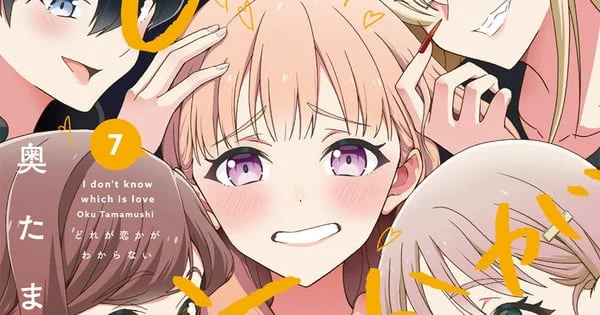
Manga artist Tamamushi Oku announced on Monday that their popular yuri manga, I Don’t Know Which Is Love (Dore ga Koi ka ga Wakaranai), is set to conclude with its eighth compiled book volume. This announcement coincided with the unveiling of the cover art for the manga’s seventh volume, which is scheduled for release on May 27. The series, which began serialization in August 2021, has garnered a dedicated following for its exploration of romantic relationships within a yuri framework.
A Look Back at the Serialization and Publication History
I Don’t Know Which Is Love first graced the pages of Kadokawa’s Monthly Comic Cune magazine in August 2021. This marked a significant step for Tamamushi Oku, who had previously launched new manga in August of the same year, indicating a prolific period in their career. The transition from magazine serialization to compiled volumes is a standard progression for successful manga series, allowing for wider distribution and collection by fans.
The first collected volume of I Don’t Know Which Is Love was published by Kadokawa in April 2022. This release was followed by subsequent volumes, with the sixth volume reaching bookshelves in September 2025. The upcoming seventh volume on May 27 signifies the nearing culmination of the narrative arc. The eighth volume, yet to receive a specific release date, will mark the final installment, bringing the story to its definitive close.
The manga is also readily available to an international audience through Yen Press, a prominent publisher of manga and light novels in English. Yen Press’s involvement underscores the growing global appeal of yuri manga and the efforts to make diverse genres accessible to a wider readership. Yen Press has a track record of supporting such titles, having previously published other works by Tamamushi Oku, including Cheerful Amnesia, Éclair Blanche, and Whenever Our Eyes Meet…. This familiarity with Oku’s storytelling style suggests a strategic choice by Yen Press to continue their partnership.
Narrative Premise and Character Development
Yen Press offers a compelling synopsis for I Don’t Know Which Is Love, shedding light on the central themes and plot drivers. The story follows Mei Soraike, a high school student on the cusp of graduation, who harbors a long-standing secret crush on her best friend. Her attempts to confess her feelings are met with disappointment, leading to a period of heartbreak. However, this setback only fuels Mei’s determination to find love in college, setting the stage for a series of romantic encounters. As Mei resolves to find a girlfriend, potential romantic interests begin to emerge, creating a complex web of relationships and emotional exploration.
The manga’s focus on the yuri genre, which depicts romantic and sexual relationships between women, positions it within a vibrant and evolving landscape of LGBTQ+ representation in media. The genre has seen a significant increase in popularity and mainstream acceptance in recent years, with readers actively seeking out stories that offer diverse perspectives and authentic portrayals of same-sex relationships. I Don’t Know Which Is Love appears to tap into this demand by offering a narrative that is both relatable and aspirational for its target audience.
The Significance of the Announcement and Cover Art Reveal
The announcement of the manga’s conclusion, made via Tamamushi Oku’s X (formerly Twitter) account, is a significant event for the series’ readership. Such announcements often elicit a mixture of anticipation for the story’s resolution and a sense of bittersweet farewell to beloved characters and their journeys. The reveal of the seventh volume’s cover art serves as a tangible piece of the ongoing narrative, offering fans a visual preview of the art style and potentially hinting at the unfolding events. The intricate design of manga cover art is often a significant element in its appeal, acting as a visual hook and a collector’s item for dedicated fans.
The tweet accompanying the cover art reveal, posted on May 18, 2026, from the account @tama_64, contained the following Japanese text: "『どれが好きかわからない』7巻のカバーイラストと、単行本8巻にて完結することが決定しました! 5月27日発売の7巻、そして最終巻となる8巻も、どうぞよろしくお願いいたします!" This translates to: "The cover art for Volume 7 of ‘I Don’t Know Which Is Love’ has been revealed, and it has been decided that the series will conclude with Volume 8! We hope you will continue to support Volume 7, releasing on May 27, and the final Volume 8!" The inclusion of the hashtag #どきわか, a common abbreviation for the manga’s Japanese title, further connects the announcement to its established online presence and fan community.
The inclusion of a direct link to a high-resolution image of the cover art, shared via pic.twitter.com, allows for immediate engagement from fans and media outlets. This modern approach to announcements leverages social media platforms for direct communication, bypassing traditional press release channels for initial reveals. The visual element is crucial in generating buzz and reinforcing the series’ aesthetic appeal.
Broader Context and Industry Trends
The conclusion of I Don’t Know Which Is Love aligns with a broader trend in the manga industry where successful series, after a period of serialization, reach their natural endpoints. The decision to conclude a manga with its eighth volume is a relatively common number for many series, suggesting a well-planned narrative arc that avoids unnecessary extensions or abrupt endings. This deliberate pacing allows creators to deliver a satisfying conclusion to their stories.
The continued growth of the yuri genre is a notable aspect of the contemporary manga market. As societal attitudes towards LGBTQ+ representation evolve, so too does the demand for diverse storytelling. Publishers like Yen Press play a crucial role in facilitating this by actively seeking out and licensing titles that cater to these evolving tastes. The success of series like I Don’t Know Which Is Love demonstrates the commercial viability of yuri manga and encourages further investment in the genre.
Furthermore, the digital dissemination of manga, through both official channels and fan communities, has significantly impacted how readers discover and engage with new series. The social media announcement and the readily available cover art highlight the interconnectedness of creators, publishers, and fans in the digital age. This immediate accessibility fosters a sense of community and shared anticipation for upcoming releases and narrative developments.
Potential Implications and Future Endeavors
The conclusion of I Don’t Know Which Is Love will undoubtedly leave a void for its dedicated readership. However, it also opens avenues for Tamamushi Oku to embark on new creative projects. Authors often use the conclusion of one series as a springboard for new ideas, and fans will likely be eager to see what the artist has in store for them next. The experience gained from developing a multi-volume narrative like I Don’t Know Which Is Love provides a strong foundation for future endeavors.
The sustained popularity of Oku’s previous works, such as Cheerful Amnesia, Éclair Blanche, and Whenever Our Eyes Meet…, suggests a consistent ability to connect with audiences through their unique storytelling and artistic style. This established track record positions Tamamushi Oku as a respected and anticipated voice within the yuri manga community.
The successful publication and translation of I Don’t Know Which Is Love by Yen Press also highlights the importance of international partnerships in the manga industry. These collaborations not only expand the reach of Japanese creators but also contribute to the global appreciation of diverse manga genres. The continued efforts of publishers to bring high-quality translated manga to Western audiences are instrumental in shaping the reading habits and preferences of international fans.
As the final volumes of I Don’t Know Which Is Love are released, the manga’s legacy will be cemented. It stands as a testament to the enduring appeal of yuri narratives and the creative talent of Tamamushi Oku, contributing to the rich and ever-expanding tapestry of manga storytelling. The anticipation for the final volume’s release, coupled with the ongoing success of its prior installments, underscores the significant impact this series has had on its readers.