Narrative Overview and Chronological Structure
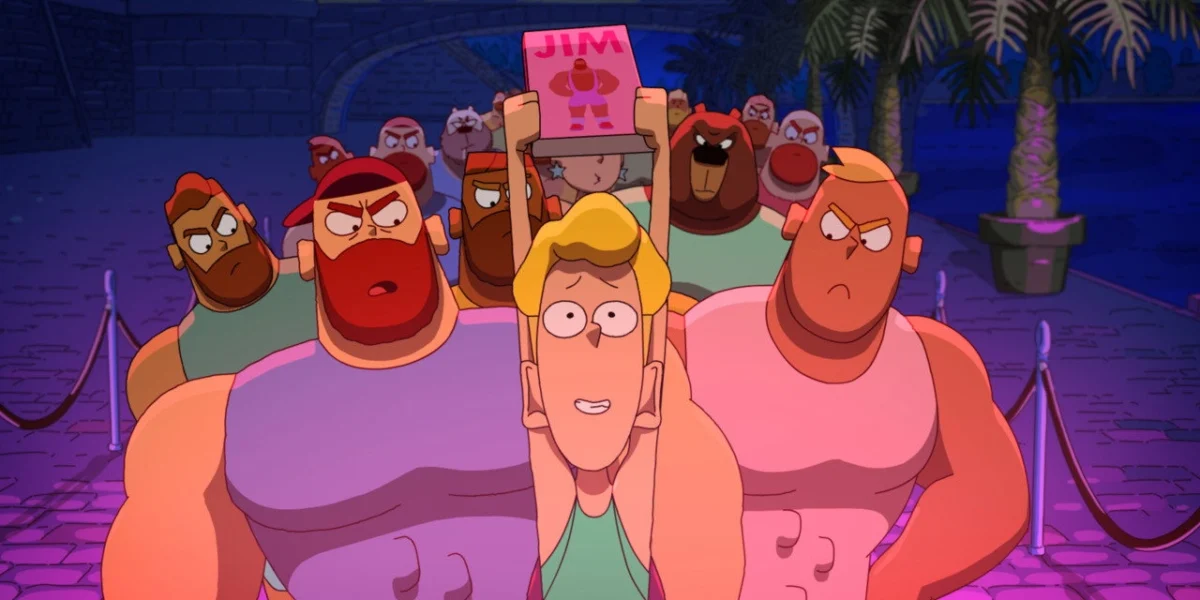
The narrative centers on Jim Perfect, voiced by Alex Ramirès, a high-profile fitness influencer who has cultivated a massive digital following through curated "thirst traps" and a rigorous gym regimen. Jim’s life is defined by the "Gym Queen" archetype—a subculture focused on physical aesthetic, social media validation, and the nightlife of the Parisian gay scene. His existence is supported by a network of admirers and professional associates, including Dr. Nina, voiced by Shirley Souagnon, who facilitates his rise within the digital ecosystem.
The plot’s inciting incident occurs with the emergence of "Heterosis," a fictional and highly specific virus that begins to affect the gay male population of Paris. The virus presents with a unique set of symptoms: the loss of muscle definition, a sharp decline in libido, and a sudden shift in personal interests from queer-centric cultural touchstones to those associated with mainstream heterosexual norms. This "de-queerifying" ailment serves as the central conflict, as Jim watches his status evaporate when his physical attributes—the foundation of his influence—begin to disappear.
As the pandemic spreads, the film follows a chronological journey of desperation and discovery. Jim is forced into an alliance with Lucien, voiced by Jérémy Gillet, a character described as a "scrawny twink" who has spent much of his life isolated in an ivory tower under the overprotective gaze of his mother, Christine Bayer (Elisabeth Wiener). The narrative progresses from the initial outbreak through a series of episodic encounters within various sub-sectors of the queer community, as the duo searches for a rogue doctor rumored to possess a cure. The mission is framed as a race against time to prevent the total erasure of queer spaces, symbolized by the looming threat of gay clubs being converted into traditional sports bars.
Artistic Direction and Animation Style
One of the most distinctive elements of the production is its visual language. While the film is a French production, it draws heavily from the aesthetic markers of Japanese anime rather than traditional Western styles. This includes the use of shimmering eyes, exaggerated dramatic poses, and the strategic use of slow motion to emphasize action or emotion. This stylistic choice creates a deliberate contrast with the film’s narrative content, which frequently parodies the tropes of classic Disney animated musicals.
A notable example of this satirical approach is a sequence modeled after "Part of Your World" from The Little Mermaid, repurposed to fit the film’s adult themes. The animation does not shy away from the grotesque, often leaning into exaggerated physical forms to highlight the absurdity of the "Heterosis" symptoms. This visual exuberance is intended to reflect the vibrancy and occasional excess of the community it portrays.
The technical execution of the animation was designed to support a relentless pace. At a running time of 85 minutes, the film utilizes a rapid-fire delivery of jokes and cultural references. Production data suggests that the density of visual and verbal gags is intended to reward multiple viewings, particularly for audiences familiar with the specific lexicon and social hierarchies of the LGBTQ+ community.
Cast and Character Dynamics
The voice cast features a mix of established comedic talent and figures prominent in queer media. Alex Ramirès brings a sense of performative vanity to Jim, which gradually evolves as the character faces the loss of his social capital. Jérémy Gillet’s Lucien serves as the emotional core of the film, representing a more vulnerable and less superficial aspect of the community.
The inclusion of François Sagat, a well-known figure in the adult film industry and queer art world, adds a layer of authenticity to the film’s exploration of the Marais scene. Shirley Souagnon’s portrayal of Dr. Nina provides the necessary exposition for the "Heterosis" virus, acting as the bridge between the film’s absurdist premise and its internal logic. The cast is rounded out by Elisabeth Wiener, Harald Marlot, and Alexandre Brik, each representing different facets of the social landscape Jim and Lucien must navigate.
Socio-Cultural Commentary and Thematic Analysis
While the film is presented as a raucous comedy, it functions as a critique of several contemporary issues. The most prominent of these is the "G-centric" nature of certain queer spaces. The film focuses heavily on the experiences of gay men, but it uses this narrow lens to examine the internal divisions within the community. It features segments dedicated to various subcultures, including "bears," "fetish queens," and "cruising daddies," highlighting how these groups often remain siloed despite their shared identity.
The film also addresses the narcissism inherent in influencer culture. Jim’s identity is entirely dependent on external validation and physical perfection. By stripping these away through the "Heterosis" virus, the writers explore what remains of a person’s character when their "brand" is no longer viable. This thematic thread serves as a broader commentary on the fragility of digital status.
Furthermore, the film is an overt plea for unity. The central quest for a cure is framed not just as a medical necessity, but as a symbolic fight for the preservation of queer culture. The fear of "turning straight" is used as a comedic device to discuss the genuine fear of assimilation and the loss of unique cultural identities in an increasingly homogenized world.
Industry Context and Production Background
The production of this film occurs at a time when the French animation industry is increasingly recognized for its willingness to experiment with adult themes and unconventional genres. Unlike the United States, where adult animation is often confined to sitcom formats, French studios have a history of producing feature-length animated works that tackle complex social and political subjects.
Data from the French National Center for Cinema and the Moving Image (CNC) indicates a steady rise in investment for animated features targeting older demographics. The film fits into this trend, utilizing the medium of animation to depict scenarios that would be difficult or prohibitively expensive to achieve in live-action, particularly the surreal physical transformations caused by the "Heterosis" virus.
The creative team, led by Nguyen and Athané, sought to create a work that was "unapologetically queer." This involves the use of specific terminology and references that may not be immediately accessible to a general audience. However, industry analysts note that this "hyper-specificity" is a growing trend in streaming and independent cinema, where projects are designed to find a dedicated niche audience rather than attempting to appeal to the broadest possible demographic.
Broader Impact and Implications
The release of the film is expected to spark discussions regarding the representation of the "G" in the LGBTQ+ acronym. While some critics may point to the film’s focus on gay men as a limitation, others argue that its satirical deconstruction of the "Gym Queen" archetype is a necessary critique of internal community standards.
The film’s approach to the "Heterosis" virus also invites comparison to historical health crises within the queer community, though it handles the subject with a comedic and fantastical touch. By framing the loss of queer identity as a pandemic, the film highlights the importance of cultural heritage and the communal effort required to maintain it.
In terms of distribution, the film is positioned to perform well in international film festivals specializing in both animation and LGBTQ+ content. Its unique blend of anime-inspired visuals and musical theater elements makes it a distinct entry in the 2024-2025 release calendar. As the global market for adult animation continues to expand, the film serves as a case study in how genre-bending and targeted storytelling can create a compelling narrative that reflects specific modern realities.
Ultimately, the production is a celebration of absurdity and a call for communal solidarity. It suggests that while the trappings of influence and physical perfection are fleeting, the bonds formed through shared struggle and identity are the true foundations of the community. Whether through its fast-paced humor, its vibrant animation, or its satirical look at the "Heterosis" virus, the film aims to leave a lasting impression on the landscape of contemporary queer cinema.