The global landscape of digital video shifted significantly this week as Google unveiled a comprehensive suite of artificial intelligence integrations for YouTube during its annual Google I/O developer conference. Amidst a broader corporate pivot toward generative AI, Google CEO Sundar Pichai confirmed that YouTube has officially surpassed the three-billion-user milestone, placing the video platform in the same ubiquitous category as Google Search, Gmail, Android, and Chrome. This massive user base now serves as the primary testing ground for "Gemini Omni," a multimodal AI update designed to transform how content is produced, consumed, and searched within the YouTube ecosystem.
The announcements come at a critical juncture for the tech giant. As competitors like OpenAI and Meta race to release sophisticated video generation and editing tools, Google is leveraging its existing infrastructure to bring high-end generative features directly to the masses. By integrating Gemini’s advanced reasoning and creative capabilities into YouTube Shorts and the platform’s core search functions, Google aims to solidify its dominance in the creator economy while addressing the growing demand for interactive, AI-enhanced media.
The Evolution of YouTube Shorts: Generative Remixing and Virtual Cameos
The most significant update for content creators involves a new feature titled "Remix," set to debut within YouTube Shorts. This tool allows users to alter existing videos through natural language prompts. A user can take a creator’s video and, through a simple text command, change the visual style—transforming a live-action clip into an anime sequence, for example—or modify specific environmental elements without altering the core context of the original footage.
Furthermore, Google is introducing a feature reminiscent of the "Cameos" concept previously teased by OpenAI’s Sora. This allows users to upload their own likeness to be featured within a video, essentially democratizing high-level visual effects that were previously the province of professional editors. While these features bear a striking resemblance to the capabilities of Sora—OpenAI’s text-to-video model that captured the industry’s imagination earlier this year—Google is positioning its tools as accessible, integrated features within a platform that already boasts billions of active participants.
The introduction of these tools represents a fundamental shift in user engagement. Rather than simply viewing or sharing a video, users are being invited to treat existing content as a raw material for their own creative output. This move is seen as a direct challenge to TikTok’s creative filters and editing suite, which have long been credited with driving that platform’s high engagement rates among younger demographics.
Ask YouTube: Conversational Search and Video Synthesis
Beyond creative tools, Google is overhauling the way users extract information from the platform’s vast library of content. The newly announced "Ask YouTube" feature utilizes Gemini’s multimodal capabilities to allow users to ask complex, conversational questions about video content.
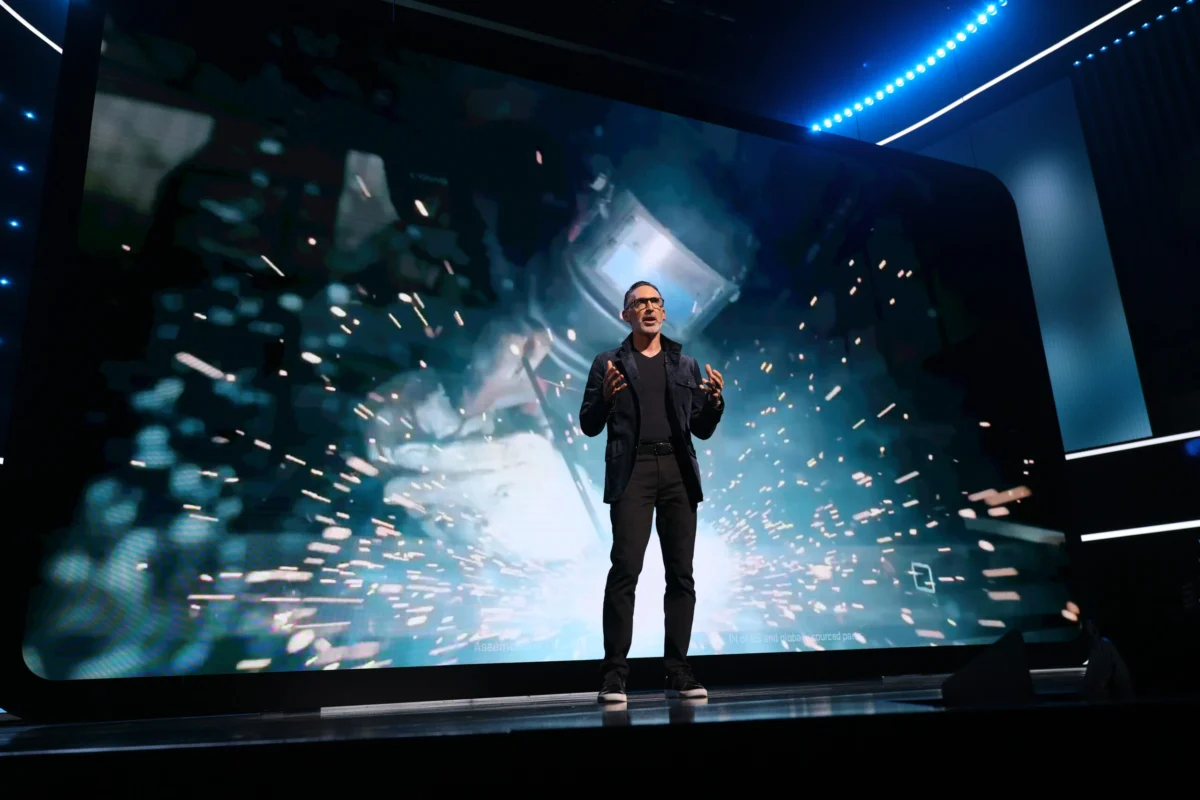
During his keynote at the Shoreline Amphitheatre, Sundar Pichai demonstrated the utility of this tool using a practical parenting scenario. He illustrated how a parent trying to teach a child to transition from a balance bike to a pedal bike could use "Ask YouTube" to find specific, actionable advice. Instead of scrolling through dozens of ten-minute tutorials, the AI analyzes the library of available videos, synthesizes a step-by-step instruction set, and provides direct links to the exact timestamps where the relevant information is visually demonstrated.
This feature represents a move toward "semantic video search," where the AI understands the actual visual and auditory content of a video rather than relying solely on metadata, titles, and tags. For YouTube Premium subscribers, these features are beginning to roll out in a testing phase, with a broader public release scheduled for later this summer.
Technical Safeguards and the Ethics of AI Content
As generative AI becomes more integrated into the user experience, concerns regarding copyright, authenticity, and deepfakes have moved to the forefront of the conversation. Google has addressed these concerns by implementing a multi-layered safety strategy.
First, all AI-generated or "remixed" content on YouTube will include digital watermarks. These markers are designed to maintain a transparent link to the original source material and clearly identify the content as AI-altered. This is part of Google’s broader commitment to the C2PA (Coalition for Content Provenance and Authenticity) standards, which aim to provide a "nutrition label" for digital media.
Second, the company is prioritizing creator agency. YouTube has clarified that creators will retain control over their intellectual property, with the ability to opt-out of the "visual remix" feature at any time. This ensures that artists and influencers who do not want their likeness or style used in AI-generated derivatives can protect their brand.
Additionally, Google is expanding its likeness detection tools. Initially launched as a pilot program for major Hollywood studios and music labels last month, the tool is now being opened to any user on the platform over the age of 18. This tool allows individuals to identify and report unauthorized AI-generated content that uses their face or voice, a crucial step in combating the rise of non-consensual deepfakes.
The Chronology of "The YouTube Era"
The announcements at Google I/O follow closely on the heels of YouTube’s "Brandcast" event held last week at Lincoln Center. During that event, YouTube CEO Neal Mohan declared the arrival of "The YouTube Era," arguing that the platform has successfully transitioned from a repository for "viral videos" to a legitimate successor to traditional broadcast and cable television.
The timeline of recent events highlights a coordinated effort to reposition YouTube:
- April 2024: YouTube opens AI likeness detection tools to a select group of entertainment industry partners to protect talent from unauthorized deepfakes.
- May 8, 2024: At Brandcast, Neal Mohan highlights that YouTube is the #1 platform in watch time on television screens in the U.S., signaling a move toward "prestige" positioning for advertisers.
- May 14, 2024: Google I/O officially introduces Gemini-powered "Remix" and "Ask YouTube" features, providing the technical engine for the "YouTube Era."
- Summer 2024: Expected full rollout of the new AI features to the general public.
Supporting Data: Market Position and User Growth
The scale of YouTube’s influence cannot be overstated. With over 3 billion monthly active users, it reaches more people than any single television network in history. For comparison, Netflix reports approximately 270 million subscribers, and TikTok is estimated to have roughly 1.5 billion monthly active users.
YouTube Shorts, the platform’s short-form vertical video wing, has seen meteoric growth since its inception as a response to TikTok. As of late 2023, Google reported that Shorts were generating over 70 billion daily views. The integration of Gemini AI is expected to further accelerate this growth by lowering the barrier to entry for high-quality content creation.
Financially, the stakes are equally high. In the first quarter of 2024, YouTube’s advertising revenue jumped 21% year-over-year to $8.1 billion. By introducing AI tools that keep users on the platform longer—either through easier creation or more efficient searching—Google is looking to protect and expand this massive revenue stream against encroaching competition from social media and streaming giants alike.
Broader Implications for the Media Industry
The shift toward AI-integrated video platforms suggests a future where the line between "creator" and "viewer" becomes increasingly blurred. Industry analysts suggest that Google’s strategy is twofold: to provide professional-grade tools to amateur creators and to provide advanced search utility to the general public.
The "Ask YouTube" feature, in particular, could disrupt the educational and "how-to" markets. By providing summarized, cross-referenced information from multiple videos, YouTube is essentially evolving into a visual version of a search engine, potentially siphoning traffic away from traditional text-based blogs and instruction manuals.
Furthermore, the "Remix" feature signals the end of the "static" video era. In the coming years, a video may no longer be a finished product, but rather a template that viewers can customize to their own tastes. This has profound implications for advertising, as brands may soon be able to use AI to tailor video ads to the specific aesthetic preferences of individual viewers in real-time.
As Google moves toward a full rollout this summer, the industry will be watching closely to see how the creator community reacts to these tools. While the promise of "turbocharging" creation is enticing, the long-term impact on original content value and the potential for AI-generated saturation remain the subjects of intense debate within the digital ecosystem. For now, Google has made its position clear: the future of video is not just watched; it is prompted, remixed, and synthesized by artificial intelligence.