In a significant development for the Southern California entertainment industry, the highly anticipated reboot of the iconic crime drama Prison Break is officially relocating its production to Los Angeles. The project, a collaborative effort between 20th Century Television and Hulu, marks a major homecoming for a franchise that helped define the television landscape of the mid-2000s. The decision to base the production in Los Angeles follows the successful acquisition of substantial state tax incentives, signaling a strategic effort by the California Film Commission to retain high-budget scripted content within the state’s borders.
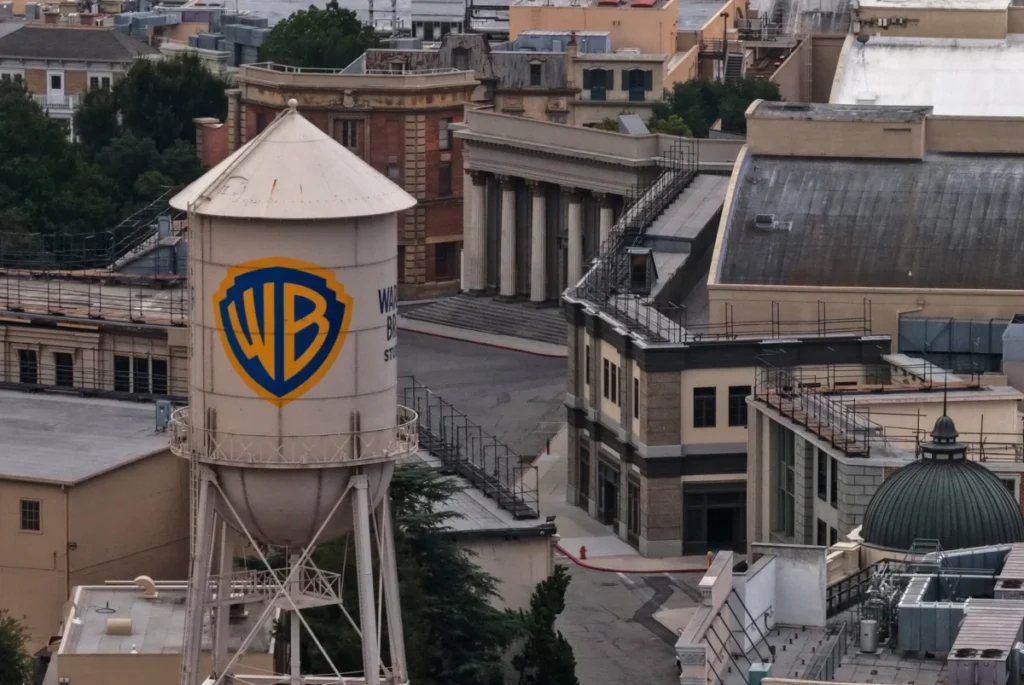
Production for the new series is scheduled to commence in June, with a significant portion of the filming taking place at the Radford Studio Center. Located in the historic Studio City neighborhood, the facility has long been a cornerstone of the Los Angeles production scene, having previously served as the filming site for legendary programs such as Seinfeld and Gilligan’s Island. The move comes at a pivotal time for the studio complex itself, as streaming giant Netflix nears a definitive agreement to purchase the production campus, a move that could reshape the infrastructure of independent studio spaces in the region.
The reboot’s transition to California follows the filming of its pilot episode in West Virginia last year. While pilot episodes frequently utilize different locations to test visual aesthetics or take advantage of specific regional landscapes, the shift to California for the full series order was made possible primarily through the state’s Film and Television Tax Credit Program. Showrunner Elgin James, widely recognized for his work as the co-creator of Mayans M.C., reportedly advocated for the move to consolidate production operations and leverage the specialized crew base available in the Los Angeles basin.
Economic Impact and Financial Incentives
The financial commitment required to bring a production of this scale to California is substantial. According to data released by the California Film Commission, the Prison Break reboot has been allocated approximately $18.9 million in tax credits. This subsidy is contingent upon the production meeting rigorous spending and hiring requirements designed to stimulate the local economy.
The project is projected to inject $53.2 million into the California economy over the course of its first season. The production schedule is slated for 63 shooting days, during which the project is expected to employ a significant workforce. Current estimates suggest the production will support 175 cast members and 225 crew members, alongside thousands of additional man-hours for background actors and vendors. This influx of employment is viewed as a vital "shot in the arm" for a local crew base that has faced a volatile job market over the past eighteen months due to industry-wide strikes and shifting corporate strategies among major streamers.
The Prison Break allocation is part of a broader package of credits awarded to 20th Television. The studio received a collective $189 million in tax credits for a slate of projects that includes the latest season of High Potential and the Family Guy spinoff, Stewie. Collectively, these productions are expected to spend upwards of $520 million within the state. Notably, the inclusion of the Stewie project highlights recent legislative changes to the tax credit program, which now allow animation productions to qualify for the same subsidies traditionally reserved for live-action scripted content.
A New Era for the Prison Break Franchise
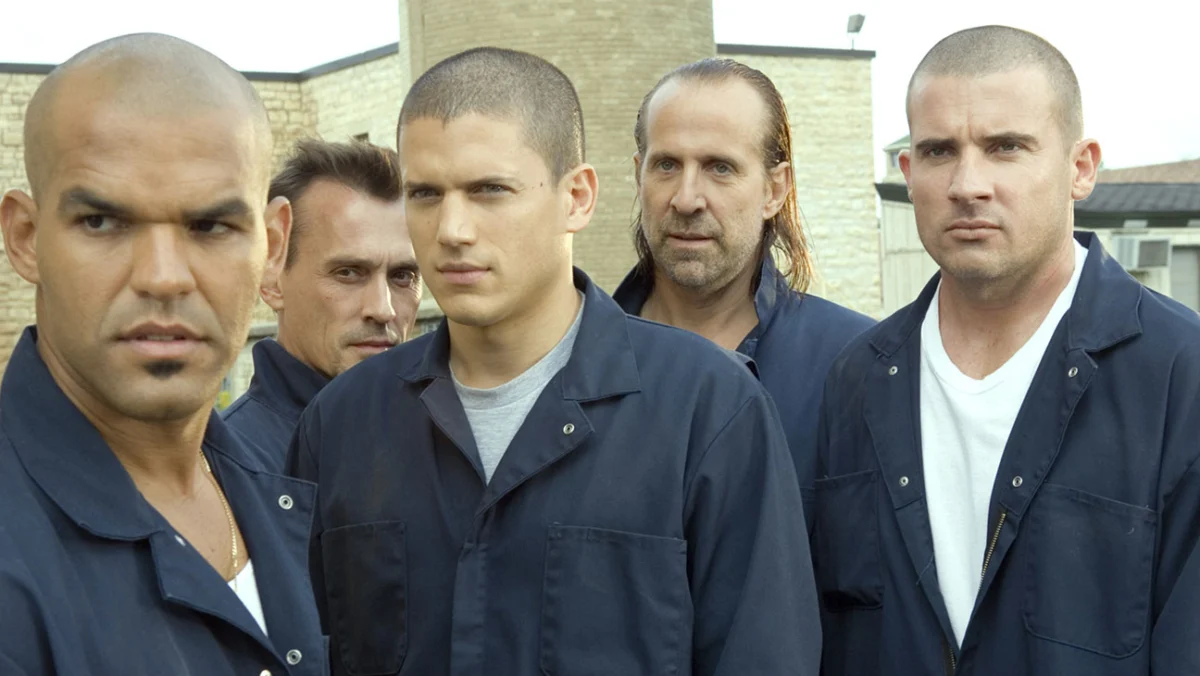
The original Prison Break series, which debuted on Fox in 2005, became a global phenomenon. Starring Wentworth Miller as Michael Scofield and Dominic Purcell as Lincoln Burrows, the show followed a brilliant structural engineer who deliberately gets himself incarcerated in a maximum-security prison to break out his brother, who was wrongly convicted of murder. The series ran for four seasons and concluded with a television movie, followed by a nine-episode revival in 2017 that reunited the original cast.
The upcoming reboot represents a creative pivot for the franchise. Rather than continuing the saga of the Scofield and Burrows families, the new series is described as being set within the same fictional universe but focusing on an entirely new ensemble of characters. This "shared world" approach allows the producers to maintain the brand recognition of the original title while exploring fresh narratives and contemporary themes within the prison-break genre.
The new "call sheet" for the production features an array of established and rising talent. Emily Browning (American Gods), Lukas Gage (The White Lotus), and Clayton Cardenas (Mayans M.C.) are set to lead the cast. They will be joined by Drake Rodger, JR Bourne, Georgie Flores, and Myles Bullock. While plot details remain closely guarded, the involvement of Elgin James suggests a gritty, character-driven exploration of the criminal justice system and the complexities of life behind bars.
Chronology of the Production Move
The timeline for the Prison Break reboot’s journey to Los Angeles reveals a complex administrative process. In late 2023, the project was initially placed on a waitlist for the California tax credit program, as the available funds for that fiscal cycle were already fully committed. However, as other projects shifted their schedules or failed to meet production deadlines, funds were reallocated.
In December 2023, the project was officially tapped to receive subsidies to shoot seven of its eight planned episodes in California. This paved the way for the production office to begin the logistical transition from its pilot location in West Virginia to its new home at Radford Studio Center. The move was finalized in the first quarter of 2024, coinciding with the announcement of the primary cast and the finalization of the June start date.
The decision to film at Radford Studio Center is also noteworthy due to the facility’s current transition. The campus, which encompasses 18 soundstages and over 210,000 square feet of production office space, has been the subject of intense acquisition talks. Netflix’s interest in the property underscores the ongoing "arms race" for high-quality production space in Los Angeles, where the demand for modern, well-equipped stages often outstrips supply.
The Broader Landscape of Los Angeles Production
The relocation of Prison Break comes at a critical juncture for the Los Angeles production industry. According to the most recent report from FilmLA, the official film office for the City and County of Los Angeles, production levels in the region reached a historic low—or "nadir"—last year. The combination of the WGA and SAG-AFTRA strikes essentially halted scripted television and film production for several months, leading to a massive backlog of projects and significant financial hardship for local workers.
While recent data indicates a recovery is underway, the growth has been uneven. FilmLA reported a roughly 10 percent increase in total shoot days at the start of 2024 compared to the final quarter of 2023. However, television production—historically the anchor of the Southern California industry—recorded a 28 percent decrease year-over-year. The departure of many mid-budget series to "tax-friendly" locales like Georgia, New Mexico, and international hubs like the United Kingdom has put pressure on California lawmakers to expand the state’s incentive programs.
The Prison Break reboot joins a list of other high-profile Fox and 20th Century productions that have opted to remain in or move to Los Angeles. These include the live-action Baywatch series and Universal Basic Guys, as well as the long-running "Animation Domination" slate featuring The Simpsons, Family Guy, Krapopolis, and American Dad. By keeping these productions local, studios are able to utilize the deep pool of Los Angeles-based writers, directors, and technical artisans who are often reluctant to relocate for long-term television commitments.
Strategic Implications and Industry Analysis
The move of Prison Break to Los Angeles serves as a case study in the efficacy of targeted tax incentives. For the state of California, the $18.9 million credit is an investment intended to yield a nearly 3-to-1 return in direct local spending. For Hulu and 20th Century, the move provides access to the industry’s most sophisticated infrastructure and a streamlined production process.
From a creative standpoint, basing the show in Studio City allows showrunner Elgin James to maintain a hands-on approach to the production while potentially tapping into the gritty urban and desert landscapes that Southern California offers—environments that have historically served as the backdrop for iconic prison dramas.
Furthermore, the reboot’s focus on a new cast within an existing universe reflects a broader industry trend toward "IP mining." As the streaming market becomes increasingly saturated, platforms are leaning heavily on established brands to cut through the noise. By leveraging the Prison Break name while introducing a new generation of actors, Hulu aims to capture both the nostalgic audience of the original series and a new demographic of viewers.
As the industry looks toward the second half of 2024, the success of the Prison Break reboot will be closely watched by both economists and entertainment executives. If the production meets its projected spending and hiring goals, it will provide a powerful argument for the continued expansion of the California Film and Television Tax Credit Program. For now, the arrival of the production at Radford Studio Center serves as a hopeful sign that the "Heart of Hollywood" is beginning to beat with its accustomed vigor once again.