The trailer for Zachary Wigon’s latest film, Victorian Psycho, has generated a peculiar sense of delight, a sentiment that belies the dark and murderous themes at its core. This unexpected charm stems from its anachronistic and unconventional approach, most notably the inspired use of the Die Spitz song "Throw Yourself to the Sword." The driving guitars and audacious lyrics immediately set a tone that is neither grimly gory nor oppressively bleak, but rather, as critics have noted, "peculiarly charming" and "delightful," even amidst scenes of severed body parts. This striking juxtaposition has positioned Victorian Psycho as a standout film of the festival season, poised to captivate audiences this fall.
A Psychopathic Governess Unveiled: The Premise of Victorian Psycho
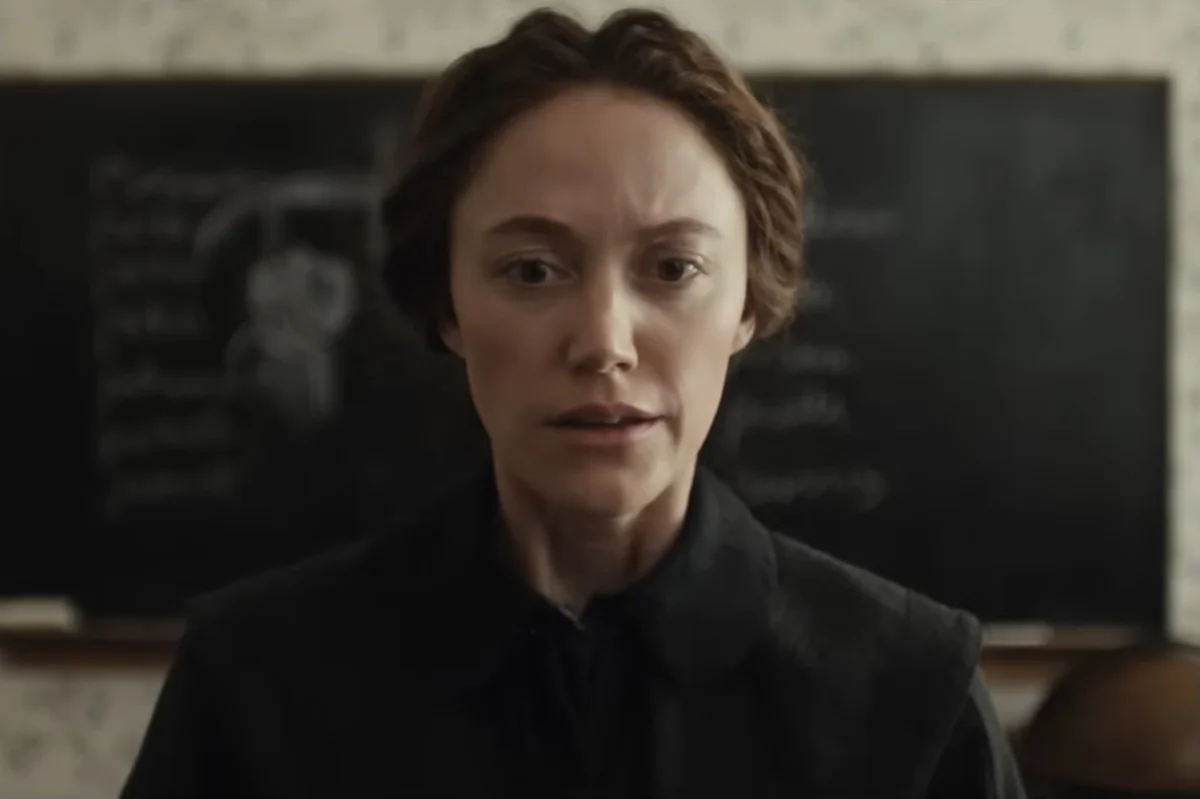
Based on the acclaimed novel by Virginia Feito, Victorian Psycho plunges into the unsettling world of a governess harboring a chilling secret. Maika Monroe, known for her roles in genre-bending horror films, takes on the central character, a woman ostensibly hired to care for children in a conveniently remote, presumably idyllic, estate. However, beneath the veneer of domesticity, she is "hiding her psychopathic tendencies." The trailer offers a visceral glimpse into her unraveling facade, showcasing escalating screams, liberal splashes of blood, and a disturbing calmness from the children, who are seemingly unfazed by instructions to "kill them all." This narrative setup, blending classic gothic tropes with modern psychological thriller elements, promises a tense and unpredictable viewing experience.
Cannes Premiere and Critical Acclaim
The film’s premiere at the Cannes Film Festival last night was met with a significant ovation, reportedly lasting five minutes. While not reaching the historic 22-minute standing ovation of Pan’s Labyrinth, this sustained applause is a strong indicator of the film’s positive reception among the discerning festival audience. It also places Victorian Psycho in esteemed company, drawing parallels to the celebrated premieres of films such as Moulin Rouge and Top Gun: Maverick, both of which garnered considerable buzz and critical admiration following their respective festival debuts. This early success suggests that Victorian Psycho has struck a chord, resonating with critics and setting a high bar for its upcoming theatrical release.
A Stellar Ensemble Cast
Beyond Monroe’s chilling portrayal, Victorian Psycho boasts an impressive cast that further elevates its cinematic pedigree. Thomasin McKenzie, Ruth Wilson, and Jason Isaacs are among the notable actors lending their talents to the film. This ensemble represents a diverse range of critically acclaimed performers, from McKenzie’s nuanced dramatic roles to Wilson’s commanding presence and Isaacs’ versatile character work. Their collective experience and talent are expected to contribute significantly to the film’s atmospheric tension and character depth.
Filmmaker’s Vision and Creative Team
The film is directed by Zachary Wigon, whose previous work, Sanctuary, garnered praise for its tight narrative and intense performances. Wigon’s directorial approach is likely to be a key factor in translating Feito’s complex novel to the screen, balancing the psychological horror with moments of unexpected levity. The screenplay is penned by the novel’s author, Virginia Feito, ensuring a faithful yet cinematically adapted interpretation of her original work. This close collaboration between director and screenwriter, particularly when the screenwriter is also the author, often results in a more cohesive and authentic cinematic vision.
Contextualizing the Film’s Themes
The rise of psychological thrillers exploring disturbed protagonists and unsettling domestic scenarios is a notable trend in contemporary cinema. Films like The Babadook, Hereditary, and even the recent success of Saltburn demonstrate an audience appetite for narratives that delve into the darker aspects of human psychology and societal facades. Victorian Psycho, with its gothic setting and a psychopathic governess, taps into a long-standing tradition of gothic horror, which often features isolated settings, vulnerable protagonists, and a creeping sense of dread. The Victorian era, with its strict social mores and emphasis on appearances, provides a fertile ground for exploring the hidden darkness within seemingly proper individuals. The film’s anachronistic soundtrack further suggests a contemporary reimagining of these themes, appealing to a modern audience while respecting the source material’s inherent creepiness.
The Power of Music in Setting Tone
The deliberate choice of Die Spitz’s "Throw Yourself to the Sword" for the trailer is a masterstroke in sonic storytelling. The song’s aggressive, almost defiant energy starkly contrasts with the expected melancholic or eerie undertones of a period thriller. This juxtaposition immediately signals that Victorian Psycho is not adhering to conventional genre expectations. Music in film trailers plays a crucial role in establishing mood, hinting at plot points, and capturing the audience’s attention. In this instance, the music acts as a disrupter, creating intrigue and signaling a film that is bold, unconventional, and unafraid to play with audience expectations. The use of contemporary, albeit punk-infused, music in a Victorian setting can be interpreted as a metaphor for the character’s inner turmoil – a modern, disruptive force bubbling beneath a historical surface.
The Cannes Film Festival: A Launchpad for Cinematic Excellence
The Cannes Film Festival, held annually in Cannes, France, is arguably the most prestigious film festival in the world. It serves as a vital platform for filmmakers to premiere their latest works, attract international distributors, and generate critical buzz. The festival’s esteemed Palme d’Or and other awards are highly coveted, and a strong reception at Cannes can significantly influence a film’s commercial and critical trajectory. For Victorian Psycho to receive such a positive reaction at its premiere indicates its potential to become a significant player in the fall film season. The festival’s discerning jury and international press corps are known for their sharp critiques, making a five-minute standing ovation a testament to the film’s immediate impact.
Analysis of the Reception and Future Implications
The enthusiastic reception at Cannes suggests that Victorian Psycho has successfully captured the attention of critics and industry professionals. This early acclaim can translate into robust distribution deals, favorable reviews, and increased audience anticipation for its theatrical release. The film’s unique blend of psychological horror, gothic atmosphere, and unconventional soundtrack positions it as a potential breakout hit. The success of such films often signals a continued interest in complex, character-driven thrillers that offer more than just jump scares.
The film’s commercial prospects will also depend on how well it resonates with a broader audience beyond the festival circuit. The inclusion of a well-known cast, particularly Maika Monroe, who has a dedicated following within the horror and thriller genres, will undoubtedly aid in its marketing. Furthermore, the critical buzz generated at Cannes will provide a strong foundation for promotional campaigns. The film’s release this fall will be closely watched, as it could indicate future trends in how dark psychological narratives are presented and received in the current cinematic landscape.
Virginia Feito’s Literary Acumen and Screen Adaptation
Virginia Feito’s background as a novelist provides a unique advantage in the film adaptation process. Authors who are deeply involved in translating their own work to the screen often bring a nuanced understanding of character motivations, thematic resonance, and narrative pacing. Feito’s ability to craft compelling psychological narratives in her novels suggests that Victorian Psycho will likely retain the intellectual depth and unsettling atmosphere that made her book a success. The screenplay, therefore, is in capable hands, promising an adaptation that honors the spirit of the source material while leveraging the visual and auditory strengths of cinema.
Zachary Wigon’s Artistic Direction
Zachary Wigon’s previous film, Sanctuary, was lauded for its minimalist setting and intense two-hander dynamic, showcasing his ability to build tension and explore complex character relationships within confined spaces. This skill set is directly applicable to the narrative of Victorian Psycho, which likely relies heavily on the isolation of its setting and the psychological interplay between the governess and the children. Wigon’s directorial choices, including camera work, pacing, and visual aesthetics, will be crucial in shaping the film’s overall tone and impact. His experience in creating immersive and unsettling cinematic experiences suggests that Victorian Psycho will be a visually striking and psychologically potent film.
The Fall Release: Anticipation Builds
With its premiere at Cannes and a confirmed theatrical release this fall, Victorian Psycho is poised to be a significant talking point in the upcoming cinematic calendar. The film’s ability to blend classic gothic horror elements with a modern, edgy sensibility, underscored by its striking trailer and critical acclaim, suggests it will offer a fresh and compelling take on the psychological thriller genre. Audiences can anticipate a film that is not only suspenseful and disturbing but also intellectually engaging and artistically innovative, promising a viewing experience that is both chilling and, as the trailer suggests, undeniably delightful.