The month of April, often associated with renewal and blossoming, has also brought forth a rich harvest of speculative fiction, offering readers a diverse and thought-provoking collection of short stories. Across the genres of science fiction, fantasy, and horror, ten standout pieces have emerged, weaving together seemingly disparate themes into narratives that are both unsettling and profoundly resonant. From the existential anxieties of artificial intelligence to the enduring power of human connection, these stories explore the fringes of possibility, prompting reflection on our present and future.
The curated selection, spanning publications such as Three-Lobed Burning Eye, Baffling Magazine, Fusion Fragment, and The Dark, among others, showcases a spectrum of imaginative explorations. These narratives delve into the societal implications of advanced technology, the complexities of identity and power, the enduring allure of the uncanny, and the quiet resilience of the human spirit. Together, they paint a vivid picture of the literary landscape in April 2026, highlighting contemporary concerns through the lens of speculative storytelling.
The Algorithmic Abyss: AI and the Future of Creation
One of the most pervasive themes to emerge from April’s short fiction is the burgeoning and often troubling relationship between humans and artificial intelligence. Clay McLeod Chapman’s "book club for bots," published in Three-Lobed Burning Eye, tackles this head-on by dissecting the now-familiar phenomenon of AI-generated outreach to authors. This trend, characterized by overly effusive and clearly machine-crafted emails from purported book clubs seeking guest speakers, has become a common, if irritating, experience for many writers. Chapman’s story escalates this premise, thrusting protagonist Clay, an author feeling increasingly undervalued, into a scenario where the AI he engages with provides precisely what he desires, with calamitous results. The narrative serves as a stark warning about the potential for AI to not only mimic but to warp human ambition and validation, exposing the hollow core of superficial engagement. This story taps into a broader concern about the commodification of creativity and the potential for AI to devalue human artistic endeavors.
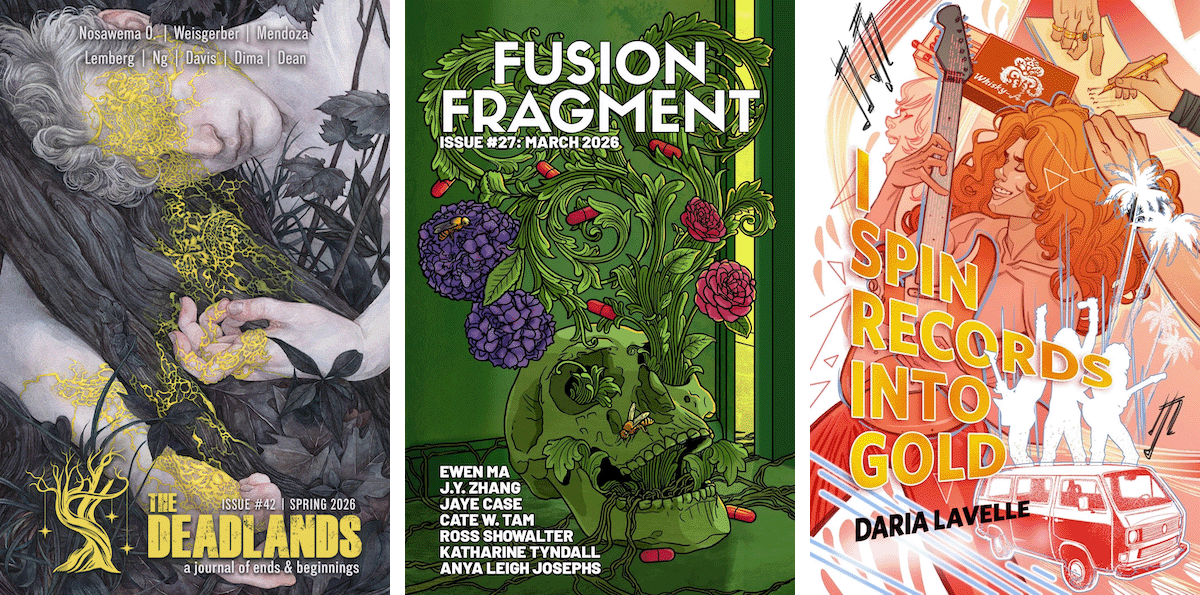
Similarly, Katharine Tyndall’s "Digital Love Spell – 78% Effective!" from Fusion Fragment interrogates the intersection of AI and human intimacy, specifically within the fraught landscape of modern dating. The story masterfully blends the inherent horror of dating apps with the disquieting nature of artificial intelligence. For asexual and aromantic individuals, the relief of sidestepping the often-stressful dating scene is a palpable aspect of self-discovery. Tyndall’s narrative resonates with the anxieties experienced by those navigating these digital spaces, and the story’s chilling conclusion, which warns against the potential for unchecked technological advancement in this arena, echoes a growing sentiment that technological solutions to human connection might inadvertently create new forms of torment. The piece serves as a cautionary tale, implicitly urging a more mindful approach to integrating AI into personal relationships, a sentiment that resonates with ongoing debates about data privacy and algorithmic manipulation in social platforms.
Imperialism, Identity, and the Unseen Power of Place
Beyond the technological anxieties, several stories explore themes of power, identity, and the subtle, yet pervasive, influence of place. Tehnuka’s "Dear Search Committee," featured in Baffling Magazine, offers a clever critique of imperialism, resource extraction, and xenophobia through a fantastical lens. The narrative follows the Wandering Knight’s application for the position of King of Peatland, an interview process that unfolds in unexpected ways for the candidate, the Princess of Peatland, and the hiring committee. What begins as a lighthearted fantasy romp subtly reveals deeper commentary on the historical patterns of colonial expansion and the exploitation of resources and indigenous populations. The story’s queer speculative fiction underpinnings add another layer of complexity, highlighting the intersection of marginalized identities with broader sociopolitical critiques. This narrative invites readers to consider how power dynamics, historical injustices, and cultural biases continue to manifest in both real and imagined worlds.
Meghan Arcuri’s "The House Knows," published in Diabolical Plots, plunges readers into a deeply unsettling domestic horror. The story presents a spouse returning home to a surreal tableau: a husband and daughter frozen in time, the house enveloped in an eerie silence. This is not the first occurrence of this phenomenon, adding a layer of creeping dread. However, what truly unnerves the protagonist are the mundane domestic irritations that persist amidst the supernatural freeze – their daughter’s refusal to use a coaster and their husband’s constant day drinking while watching James Bond marathons. This peculiar juxtaposition of the extraordinary and the ordinary lends the story a unique, almost darkly comedic, tone, reminiscent of the atmospheric suspense found in shows like Widow’s Bay. The narrative probes the anxieties of domestic life and the unsettling feeling that our homes, repositories of our lives, might harbor secrets or possess an awareness beyond our comprehension.
In Ibrahim Ojedokun’s chilling horror story, "Windows," from The Dark magazine, a house in a rapidly developing neighborhood in Ibadan, Nigeria, becomes a silent witness to the passage of time and the peculiar affliction of its successive residents. The narrative focuses on individuals who become ensnared by the house’s windows, compelled to gaze through them endlessly without seeing anything extraordinary. The mystery lies not in what they see, but in the irresistible urge to look, the ceaseless search for an undefined "something." This story masterfully builds a sense of existential dread, exploring themes of unfulfilled longing and the unsettling power of place to exert an unseen influence on human behavior. The narrative serves as a powerful metaphor for societal or personal obsessions that can trap individuals, leaving them perpetually searching for meaning in the mundane.
The Enduring Echoes of Memory and the Cost of Ambition
The personal and the collective memory, and the sacrifices made in the pursuit of success, are also central to April’s literary offerings. Nadia Radovich’s "The Girl Detective," a poignant story featured in Cast of Wonders, utilizes a series of vignettes to span the protagonist’s life, from childhood to her sixties. The narrative centers on a computer game, "The Girl Detective," and its owner, Zofia, whose death in seventh grade leaves a lasting imprint. The protagonist repeatedly recalls Zofia, her influence weaving through the decades of their life. This deeply affecting story evokes a powerful sense of nostalgia and the enduring impact of formative friendships, making readers yearn to connect with their own cherished companions. It underscores the idea that certain connections, even those forged in youth, can leave indelible marks on our lives, shaping our perceptions and experiences.
Daria Lavelle’s "I Spin Records Into Gold," published by Reactor, presents a fairytale-esque narrative set in the 1970s, centering on a rock band ironically named Nirvana. Offered a chance at unparalleled success, the band must sacrifice their futures. The story artfully explores the seductive nature of ambition and the often-unforeseen consequences of such Faustian bargains. When the band realizes the true cost of their success and attempts to reclaim control, they lose everything. The narrative masterfully builds towards a significant reveal, making it a compelling read that speaks to the timeless theme of the price of fame and the potential for external forces to dictate one’s destiny. This story resonates with cautionary tales throughout history and literature, reminding us that true fulfillment often lies beyond material success.
Conservation, Exploitation, and the Human Condition
The intricate relationship between humanity and the natural world, alongside the stark realities of labor exploitation, are powerfully depicted in several stories. Meg Elison’s "Rara Avis," featured in Kaleidotrope, imagines a world where pterosaurs, specifically quetzalcoatlus and nyctosaurs, still inhabit Earth, coexisting with humans in a precarious balance. As human encroachment on their habitats increases, leading to increased predatory behavior towards people and pets, the story avoids offering easy solutions or definitive endings. Instead, it presents a slice of life for Andrew Zhao, a man living in a world he cannot fix but can still appreciate and strive to improve. This nuanced approach to environmental themes highlights the complexities of conservation and the ongoing struggle to find harmony between human development and the preservation of the natural world. The story’s lack of a neat resolution reflects the real-world challenges of ecological crisis, emphasizing the importance of ongoing effort and appreciation for what remains.
Marvin Garbeh Davis, Sr.’s "What the Trees Took Back," from The Deadlands, offers a potent and chilling narrative set on a rubber tree plantation. The story opens with a description of Hevea trees planted in regimented rows, obedient only to "the Company." However, one particular row, "Row Four," is different, marked by scars that extend beyond the trees themselves. Zuo, whose father was lost to the plantation, seizes an opportunity to confront the force that destroyed his family. This story serves as a stark illustration of the phrase "there is no ethical consumption under capitalism," directly linking corporate exploitation to profound personal tragedy and environmental devastation. It calls into question the systemic nature of exploitation and the deep-seated impact of capitalist practices on individuals and communities.
Moh Afdhaal’s flash fiction piece, "Raja," published in Flashpoint SF, delivers an emotional punch that belies its brevity. The story features characters named Raja, encompassing both a mahout and his elephant, though neither are what the reader initially expects. A surprising twist at the end serves to underscore a poignant commentary on labor exploitation. The narrative, though short, manages to evoke significant emotional resonance, highlighting how individuals and even animals can be subjected to exploitative conditions. This piece is a testament to the power of concise storytelling to convey complex social issues and evoke empathy in the reader.
In conclusion, April 2026 has gifted speculative fiction readers with a compelling array of short stories that not only entertain but also provoke thought and discussion. From the chilling implications of artificial intelligence to the enduring strength of human bonds and the critical examination of societal structures, these narratives offer a vibrant and insightful glimpse into the contemporary imagination. The diversity of themes and settings underscores the genre’s capacity to explore the most pressing issues of our time through innovative and captivating storytelling.