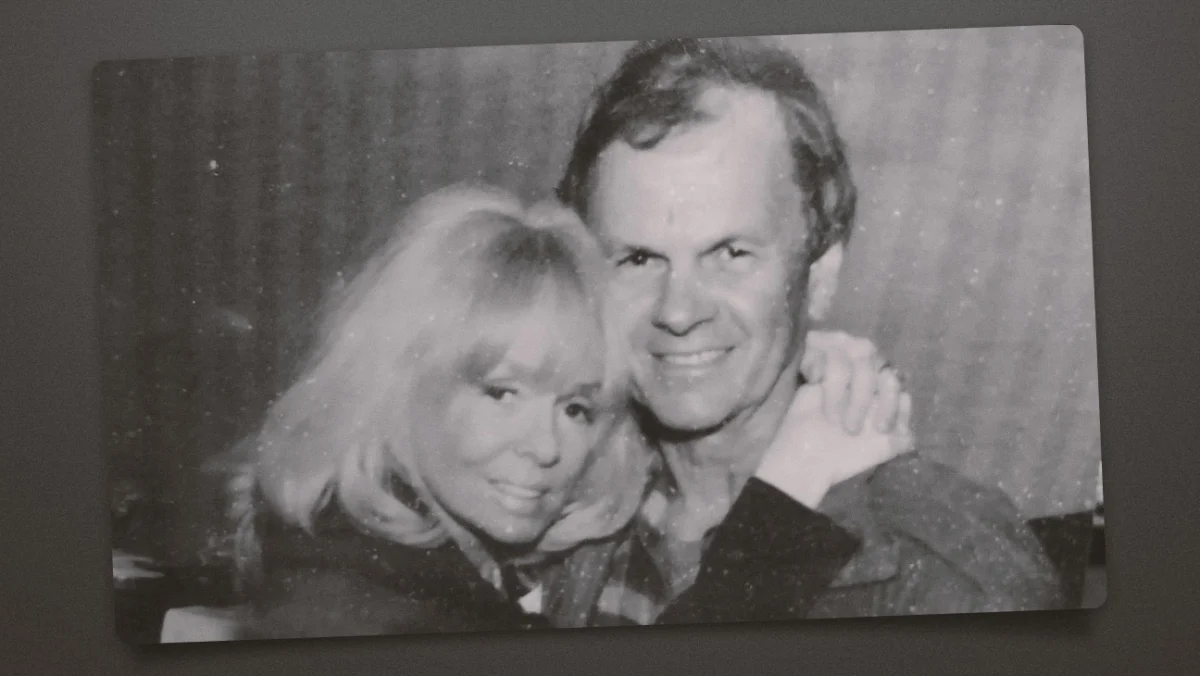
Peter Helm, the distinguished Toronto-born actor whose career spanned pivotal roles in iconic 1960s television series such as Naked City, Wagon Train, and Ironside, and left an indelible mark on cinematic history with appearances in films including the World War II epic The Longest Day, the Hollywood drama Inside Daisy Clover, and the groundbreaking science fiction thriller The Andromeda Strain, has passed away at the age of 84. Helm’s extensive career was characterized by his versatility and a quiet but impactful presence across a diverse range of genres, establishing him as a quintessential character actor of his era.
Helm died peacefully on Thursday in his sleep at his residence in West Hills. The news of his passing was confirmed by his friend, David Timmerman, to The Hollywood Reporter, prompting a wave of remembrance for an actor who contributed significantly to both the small and big screens during a transformative period for American entertainment. His passing marks the end of a long and multifaceted life, one that encompassed not only acting but also entrepreneurial ventures, teaching, and a passionate engagement with numerous personal interests.
Early Life and Entry into the Performing Arts
Born Peter John Helm Jr. on December 22, 1941, his early life was shaped by family dynamics that eventually led him into the orbit of show business. Following the death of his banker father, John, his mother, Isabel, made the decisive move to New York City in 1952. This relocation was primarily to support the ballet ambitions of Peter’s older sister, Anne Helm, who would also go on to achieve recognition as an actress. Peter and his half-brother, David, accompanied them, setting the stage for Peter’s own eventual foray into the performing arts within the bustling cultural landscape of New York.
The mid-20th century was a vibrant period for aspiring actors, with the burgeoning television industry offering unprecedented opportunities alongside established Broadway and film circuits. Helm’s proximity to this environment in New York undoubtedly influenced his career trajectory, allowing him to cultivate his talents and begin seeking professional roles during an age of rapid expansion in media production. This foundation in New York would serve as a launchpad for a career that would soon take him to Hollywood and into the homes of millions.
A Prolific Presence in the Golden Age of Television
Peter Helm made his onscreen debut in 1959, appearing in an episode of the NBC sitcom Too Young to Go Steady. This initial role quickly opened doors to a prolific television career throughout the late 1950s and the entirety of the 1960s, a period often referred to as the "Golden Age" of television. Helm became a familiar face, embodying a range of "fresh-faced types" and earnest young men in an era where television dramas, Westerns, and sitcoms dominated American households.
His extensive television credits from this period read like a comprehensive list of classic series, showcasing his adaptability across various genres. He appeared on medical dramas such as Dr. Kildare, family-oriented programming like The Donna Reed Show and The Farmer’s Daughter, and a multitude of Westerns, a staple of 1960s television, including Tales of Wells Fargo, Rawhide, and the hugely popular Bonanza. On Bonanza, for instance, he appeared in an episode titled "Alias Joe Cartwright" (1966), where he played a character entangled with the iconic Cartwright family, a testament to his presence on some of the highest-rated shows of the time.
Beyond these, Helm made notable appearances in groundbreaking crime dramas and thrillers. His role in Naked City, known for its gritty realism and on-location shooting in New York, placed him within a series that redefined police procedurals. He also featured in the suspenseful The Fugitive, the acclaimed World War II drama Combat!, and legal sagas such as Perry Mason, where his ability to portray characters caught in complex situations was frequently utilized. His work on Mr. Novak and other anthologies further solidified his reputation as a reliable and versatile supporting actor who could effortlessly transition between diverse narrative demands. This constant work on popular series meant that while he might not have been a lead, his face and talent were recognized and appreciated by millions of viewers each week, contributing significantly to the fabric of 1960s television. His final onscreen credit came in 1971, on an episode of the family drama The Smith Family, starring Henry Fonda and Ron Howard, marking a quiet close to his active acting career on screen.
From Small Screen to Silver Screen: Iconic Film Roles
While his television work was extensive, Peter Helm’s contributions to cinema were equally significant, albeit often in pivotal supporting roles that left a lasting impression in some of Hollywood’s most memorable productions. His filmography demonstrates a remarkable ability to work within diverse narratives, from epic war stories to intimate psychological dramas and groundbreaking science fiction.
In 1962, Helm took on the role of an ill-fated G.I. in Darryl F. Zanuck’s colossal World War II epic, The Longest Day. This film, renowned for its all-star international cast and its meticulous, large-scale recreation of the D-Day landings, remains a landmark achievement in war cinema. Helm’s portrayal, though brief, contributed to the film’s stark depiction of the human cost of war, placing him among a legendary ensemble that included John Wayne, Robert Mitchum, and Richard Burton. The film’s critical and commercial success underscored its significance, and Helm’s involvement connected him to one of the most ambitious historical dramas ever produced.
Three years later, in 1965, Helm showcased a different facet of his acting range in Robert Mulligan’s Inside Daisy Clover. In this poignant drama, he played Milton Hopwood, a social climber and opportunistic actor who becomes entangled in the life of the film’s titular character, an aspiring young singer portrayed by Natalie Wood. The film delved into the darker side of Hollywood fame, and Helm’s portrayal of Hopwood added layers of complexity to Daisy’s tumultuous journey. Sharing the screen with legends like Natalie Wood, Christopher Plummer, and Robert Redford, Helm’s performance contributed to the film’s exploration of ambition, identity, and the price of stardom.
Perhaps one of his most remembered cinematic contributions came in 1971 with Robert Wise’s seminal science fiction thriller, The Andromeda Strain. Based on Michael Crichton’s novel, the film pioneered a realistic, procedural approach to the sci-fi genre, focusing on scientific accuracy and tension rather than overt spectacle. Helm played one of the two Air Force officers whose discovery of a downed U.S. satellite carrying a deadly extraterrestrial microorganism sets the entire terrifying plot in motion. His character’s initial interaction with the unknown threat served as the chilling catalyst for the film’s suspense, effectively launching one of the most influential sci-fi films of its era. This role, while relatively small in screen time, was crucial to establishing the film’s high stakes and immediate sense of peril.
Broadway and Esteemed Collaborations
Beyond his extensive work in film and television, Peter Helm also ventured onto the legitimate stage, gracing Broadway and contributing to theatrical productions alongside some of the era’s most celebrated talents. His Broadway debut came in 1960 in the Josh Logan-directed production of There Was a Little Girl. This drama, which tackled the sensitive and challenging subject of rape, provided Helm with an early opportunity to work alongside a remarkable cast that included Jane Fonda, Dean Jones, and Joey Heatherton. The play’s ambitious subject matter and the caliber of its cast and director highlighted Helm’s early potential and his willingness to engage with serious dramatic roles.
Two years later, in 1962, Helm reunited with an esteemed co-star for a production of James Kirkwood’s There Must Be a Pony. In this theatrical endeavor, he acted alongside the legendary screen siren Myrna Loy. While the production aimed for Broadway, it ultimately did not make the transfer, a common fate for many plays in development. Nevertheless, working with an icon like Myrna Loy provided Helm with invaluable experience and further underscored his place among respected theatrical professionals. These stage experiences offered a different kind of challenge and fulfillment compared to the often faster-paced environment of film and television, allowing him to hone his craft in front of live audiences.
A Personal Portrait: Friendships, Family, and Passions
Peter Helm’s life was also rich with significant personal relationships and a diverse array of passions outside the glare of the entertainment industry. His friendship with Joey Heatherton, a co-star from There Was a Little Girl, endured for many years, with the two reportedly enjoying travels around the world together. Heatherton, reflecting on their bond, offered a poignant tribute to Helm, telling The Hollywood Reporter that he was “a great actor and a great person, top of the world.” This testimony speaks volumes about Helm’s character and the high regard in which he was held by his peers.
Adding another layer to his personal connections within the entertainment world, Helm also had the unique experience of working with George Carlin at the very beginning of the legendary comedian’s career. Carlin, known for his incisive wit and groundbreaking stand-up, once reportedly called Helm one of the funniest men he had ever met. This anecdote, shared by those who knew them, hints at a playful and humorous side to Helm, suggesting a talent for comedy that might have been less explored in his dramatic roles but was clearly recognized by one of comedy’s all-time greats.
Helm’s family life was equally intertwined with the arts. His sister, Anne Helm, built a notable acting career, appearing in films like Follow That Dream (opposite Elvis Presley), The Magic Sword, and The Iron Maiden. His daughter, Tiffany Helm, also followed in the family footsteps, becoming an actress known for her role in the horror film Friday the 13th: A New Beginning. This multi-generational involvement in acting underscores a familial legacy within the entertainment industry.
Peter Helm was married to actress Brooke Bundy, known for her roles in two Nightmare on Elm Street films, from 1962 until their divorce in 1966. Beyond Tiffany, he is survived by another daughter, Brandee, and seven grandchildren, who carry forward his legacy. Tragically, his son, Dustin, passed away in 2014 due to complications stemming from a motorcycle accident, a profound loss that Helm and his family endured. These personal details paint a picture of a man deeply connected to his family and friends, experiencing both the joys and heartaches of life beyond his professional endeavors.
Beyond Acting: A New Chapter in Media and Life
Following his active acting career, which largely concluded in the early 1970s, Peter Helm transitioned into new professional chapters, demonstrating a remarkable capacity for reinvention and a continued engagement with the media industry, albeit from a different vantage point. In 1991, nearly two decades after his last onscreen credit, Helm founded GeoMediapro, a Vancouver-based company where he took on the roles of director and producer. This move marked a significant shift, allowing him to apply his extensive knowledge of film and television production from behind the camera, shaping narratives and managing creative projects.
His commitment to fostering new talent and sharing his wealth of experience also led him to teach at the Vancouver Film School. In this capacity, Helm mentored aspiring filmmakers and actors, imparting practical wisdom and theoretical insights gained from his decades in front of and behind the camera. This teaching role allowed him to contribute to the next generation of media professionals, ensuring that his legacy extended beyond his own performances.
Furthermore, Helm spent over two decades as a Teamster, a testament to his dedication to the practical, logistical aspects of film production. The International Brotherhood of Teamsters represents a wide array of workers in the entertainment industry, including drivers, wranglers, and location managers. His long tenure as a Teamster highlights his hands-on involvement in the industry’s operational backbone, demonstrating a comprehensive understanding of the entire production process, from creative development to on-set execution.
Away from the professional demands of show business, Helm cultivated several passionate hobbies that showcased his adventurous spirit and diverse interests. He was an enthusiastic aviation photographer, combining a keen eye for composition with a fascination for aircraft. This pursuit allowed him to capture the majesty and mechanics of flight, a stark contrast to the dramatic narratives of his acting career. Additionally, Helm was known for his love of speed and automotive excellence; he was the founder of a Ferrari club in Los Angeles and enjoyed driving fast cars. These passions painted a portrait of a man who lived life with vigor, always seeking new experiences and excelling in various fields, whether on a film set or behind the wheel of a high-performance vehicle.
A Legacy Remembered
Peter Helm’s career, spanning over a decade of intense activity in film and television, positioned him as a vital, if often unsung, contributor to some of the most enduring productions of the mid-20th century. While he may not have always held the lead role, his consistent presence in pivotal supporting capacities allowed him to leave an indelible mark on a generation of viewers. He embodied the quintessential character actor – a performer whose versatility and reliability made him indispensable to directors and producers seeking to populate their stories with authentic and memorable figures.
His transition from a visible screen actor to a director, producer, educator, and Teamster, coupled with his vibrant personal interests, speaks to a life lived with purpose and adaptability. Helm’s legacy is not merely in the roles he played but in the breadth of his contributions to the entertainment industry and the richness of his personal life. He will be remembered by colleagues for his talent and wit, by family for his love and presence, and by audiences for his enduring performances in a collection of works that continue to define classic American cinema and television. Peter Helm’s passing serves as a reminder of the quiet dedication and multifaceted talents that often underpin the grand tapestry of Hollywood history.