In the most significant strategic shift since her appointment as editor in chief of CBS News last year, Bari Weiss has initiated a sweeping transformation of the network’s crown jewel, 60 Minutes. The overhaul, which marks a definitive break from the program’s traditional internal promotion structure, includes the appointment of veteran features journalist and author Nick Bilton as the new executive producer. This leadership change is accompanied by the departure of several high-profile figures, including long-time executive producer Tanya Simon and prominent correspondents Cecilia Vega and Sharyn Alfonsi, signaling a fundamental realignment of the most-watched newsmagazine in American television history.
The restructuring comes at a pivotal moment for CBS News and its parent company, Paramount Global, as the organization navigates a transition under a new ownership regime led by Skydance Media’s David Ellison. Weiss, the founder of The Free Press who joined CBS in October, had previously indicated that the venerable newsweekly required a modernization effort to maintain its relevance in an increasingly fragmented digital landscape. The decision to install an "outsider" like Bilton, known more for his long-form investigative print journalism and documentary filmmaking than for traditional broadcast news production, has sent ripples through the industry and the halls of the CBS Broadcast Center in New York.
A Changing of the Guard: Personnel Shifts and Departures
The immediate fallout of the restructuring was felt following the Memorial Day holiday, as the network confirmed the exits of several senior staff members. Tanya Simon, a 25-year veteran of CBS News who had risen through the ranks to lead 60 Minutes, was among the most notable departures. Under Simon’s leadership, the program had maintained its status as a ratings powerhouse, even seeing a 9 percent increase in viewership over the past year.
In addition to Simon, the network parted ways with correspondents Cecilia Vega and Sharyn Alfonsi. Vega joined CBS from ABC News in early 2023, while Alfonsi had been a staple of the broadcast for nearly a decade, contributing high-stakes investigative reports and profiles. Several other senior producers, many of whom formed the backbone of the show’s editorial operations, were also let go as part of Weiss’s effort to "remake" the program’s culture and output.
In a farewell memorandum obtained by industry observers, Tanya Simon defended her tenure and the program’s journalistic integrity. She noted that while leadership had decided it was time for a "new chapter," the broadcast remained an institution built on "independence, grit, and a rigorous search for the truth." Her departure marks the end of an era for a show that has historically favored internal continuity over external disruption.
The Appointment of Nick Bilton: A Digital-First Vision
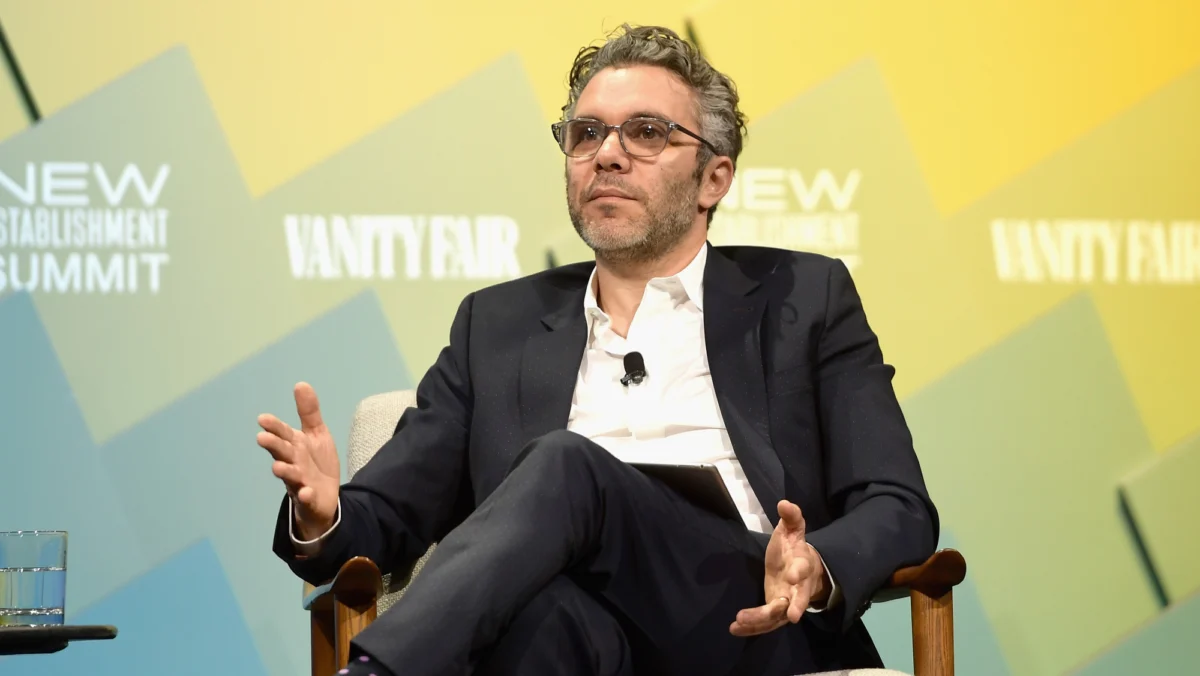
The selection of Nick Bilton as executive producer represents a calculated gamble by Weiss and CBS News leadership. Bilton’s career trajectory is markedly different from his predecessors. A former lead technology writer for The New York Times and a special correspondent for Vanity Fair, Bilton has built a reputation as a chronicler of the Silicon Valley power structures and the societal impacts of the technological revolution.
Bilton is the author of several best-selling books, including Hatching Twitter, which detailed the tumultuous origins of the social media platform, and American Kingpin, an account of the hunt for the creator of the Silk Road dark-web marketplace. His experience extends into visual media through HBO documentaries such as The Inventor: Out for Blood in Silicon Valley, which focused on the Theranos scandal, and Fake Famous, an exploration of social media influencer culture.
By choosing Bilton, Weiss appears to be prioritizing a "360-degree" approach to journalism. In her announcement, Weiss described Bilton as one of the most "entrepreneurial journalists of our time," emphasizing his deep investigative experience and understanding of the current technological moment. The goal, according to network executives, is to evolve 60 Minutes from a linear Sunday night broadcast into a multi-platform brand that can command attention across social media, streaming services, and digital newsletters.
Chronology of Change at CBS News
The overhaul of 60 Minutes is the culmination of a series of events that began with the shifting corporate landscape of Paramount Global:
- October 2023: Bari Weiss is hired as editor in chief of CBS News, tasked with revitalizing the network’s editorial voice and expanding its digital footprint.
- February 2024: Reports emerge that Weiss is conducting a top-to-bottom review of 60 Minutes, looking for ways to modernize the format and attract a younger demographic without alienating the core audience.
- April 2024: Paramount Global moves closer to a merger with David Ellison’s Skydance Media, creating an environment of anticipated cost-cutting and strategic pivots across all divisions.
- May 2024: Following the Memorial Day holiday, the network announces the termination of Tanya Simon, Cecilia Vega, and Sharyn Alfonsi.
- June 2024: Nick Bilton is officially named Executive Producer, with a mandate to "reconvene" the staff over the summer to chart a new course for the upcoming season.
The Ratings Juggernaut: Supporting Data and Context
The decision to overhaul 60 Minutes is particularly striking given the show’s continued dominance in the Nielsen ratings. Since its debut in 1968, created by the legendary Don Hewitt, the program has consistently ranked among the top ten most-watched shows on television.
Currently, 60 Minutes averages north of 6 million viewers every week. During the autumn months, when it serves as a lead-out for the NFL on CBS, those numbers frequently surge to over 10 million viewers. It remains the most-watched news program in America, a feat achieved by maintaining a consistent format: three long-form segments introduced by a ticking stopwatch and the show’s signature "magazine" aesthetic.
However, internal data suggests that while the total audience remains large, the median age of the 60 Minutes viewer has trended upward, consistent with broader trends in linear television. The push for a "360-degree product" is an attempt to address this demographic shift. Previous efforts to expand the brand, such as the short-lived 60 in 6 on the defunct Quibi platform and 60 Minutes+ on Paramount+, failed to gain significant traction. Weiss and Bilton are now tasked with succeeding where those ventures failed, integrating digital storytelling more deeply into the core mission of the brand.
Official Responses and Strategic Objectives
The reaction from CBS News leadership has focused on the necessity of institutional evolution. Tom Cibrowski, the president of CBS News, framed the hiring of Bilton as a "deliberate vision" to move beyond the traditional one-hour Sunday window.
"Our ambition is to do hard-hitting journalism that respects our existing audience, brings in new audiences, and enables viewers to proactively devote their attention to our work across every platform and medium," Cibrowski stated. This sentiment was echoed by Bilton himself in a memo to the remaining staff, where he asserted, "I’m here to lead this show, not preserve it under glass. That means honoring what works and being honest about what doesn’t."
Despite these public statements of confidence, the move has generated significant internal friction. Sources within the network suggest that the departure of seasoned producers and correspondents has created a vacuum of institutional knowledge. The hiring of a "TV outsider" to lead the most prestigious news program in the country is seen by some as a dismissal of the specialized skills required to produce high-end broadcast journalism.
Broader Impact and Industry Implications
The transformation of 60 Minutes under Bari Weiss and Nick Bilton serves as a microcosm for the broader challenges facing legacy media. As traditional cable and broadcast models continue to decline, news organizations are increasingly looking toward "personality-driven" leadership and "entrepreneurial" models to bridge the gap between old-world prestige and new-world consumption habits.
The risks associated with this strategy are manifold. 60 Minutes is one of the few remaining programs on television with a "halo effect" that lends credibility to the entire CBS News division. If the overhaul alienates the show’s massive, loyal Sunday night audience in a pursuit of digital growth, the financial and reputational blow to the network could be severe.
Furthermore, the focus on "revelatory journalism" that "forces accountability," as Weiss described it, suggests a potential shift in the show’s editorial tone. While 60 Minutes has always been known for its investigative prowess, the involvement of Weiss—a figure often associated with the "intellectual dark web" and critiques of mainstream media "groupthink"—indicates that the program may move toward more heterodox or controversial subject matter in an attempt to spark national conversation.
As Bilton prepares to take the helm this summer, the media industry will be watching closely to see if he can maintain the "grit and independence" cited by his predecessor while successfully navigating the "technological moment" that Weiss believes is essential for the show’s survival. With the evening newscast and morning shows at CBS currently trailing their rivals at NBC and ABC, the stakes for the 60 Minutes reboot could not be higher. The ticking stopwatch continues to count down, but the rhythm of the broadcast is about to change forever.