The cinematic landscape witnessed a seismic shift this past weekend, as a new generation of filmmakers, honed in the digital realm, asserted their dominance over the traditional Hollywood establishment. Kane Parsons, a 20-year-old YouTube sensation, has officially crowned himself the new king of the box office with his feature film debut, Backrooms. This $10 million adaptation of his viral YouTube short film series is poised to achieve the largest opening in A24 history, with industry projections placing its debut weekend gross at a staggering $80 million, with some rival studios suggesting it could even soar to $90 million. This monumental success comes hot on the heels of another internet-native filmmaker, Curry Barker, whose low-budget horror hit Obsession continues to shatter box office conventions, signaling a profound "passing of the guard" in an industry traditionally slow to embrace radical change.
The Ascent of a New Guard: Internet Sensations Dominate the Weekend
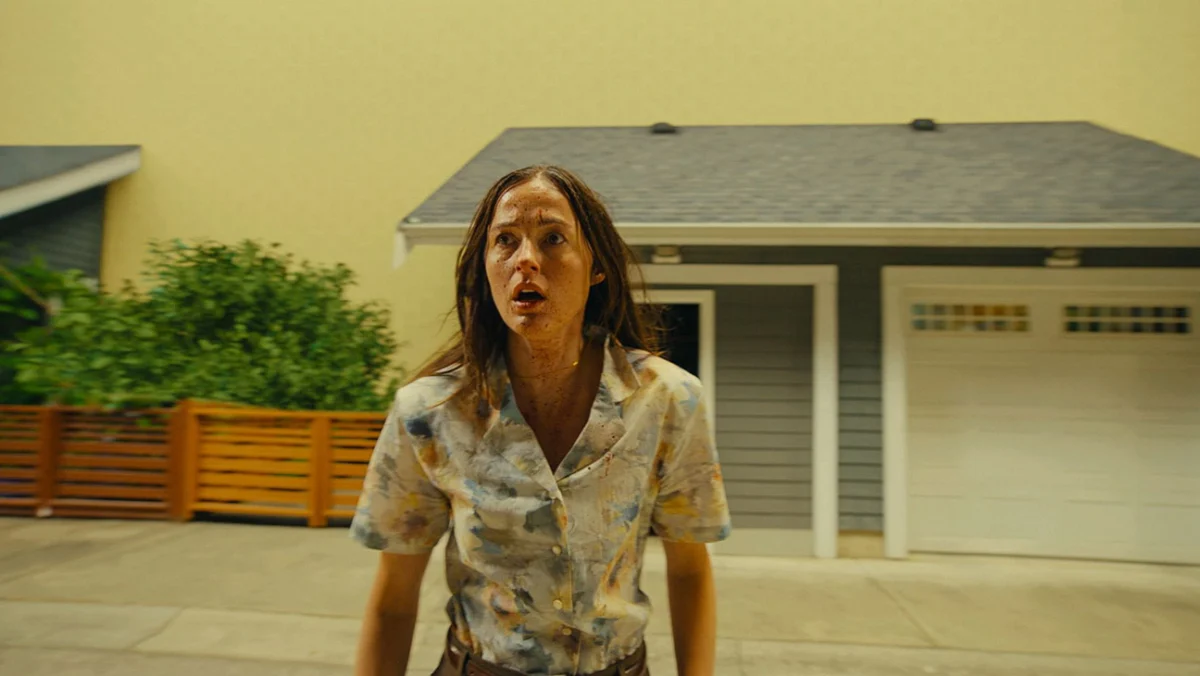
Parsons’ Backrooms commanded the number one spot with ease, securing an impressive $38 million on Friday, which included robust Thursday preview figures. The film, starring Academy Award nominee Chiwetel Ejiofor, delves into the unsettling narrative of a failed architect who inadvertently stumbles into an endless, liminal labyrinth of rooms within the furniture store he manages. The film’s critical reception has been largely positive, with critics praising its innovative horror concepts and atmospheric tension, translating the unique dread of its source material effectively to the big screen. The film’s success is not merely a win for A24 but a testament to the power of cultivating a dedicated online fanbase that readily translates into tangible box office revenue.
This triumph follows closely on the heels of Curry Barker, a fellow 20-something filmmaker whose surprise hit Obsession has been making waves for its unprecedented longevity and financial efficiency. Barker, who like Parsons cultivated his filmmaking skills and audience primarily through online platforms, has emerged as one of Hollywood’s most sought-after new talents. The remarkable success of these young directors underscores a pivotal moment where digital-first content creators are not just breaking into the mainstream but are actively redefining its parameters.
"Backrooms": From Viral Phenomenon to Box Office Titan
The story of Backrooms is deeply intertwined with the evolution of internet culture. The "Backrooms" concept originated as a creepypasta, a form of horror fiction shared online, depicting an endless maze of randomly generated office-like rooms, characterized by the smell of damp carpet, the monochromatic yellow of the walls, and the buzzing of fluorescent lights. This uncanny, liminal space captured the internet’s imagination, spawning countless fan theories, artwork, and short films. Kane Parsons distinguished himself within this community with his YouTube series, "The Backrooms (Found Footage)," which garnered tens of millions of views for its sophisticated visual effects, immersive atmosphere, and compelling narrative, all created with a remarkably limited budget and a keen understanding of digital aesthetics.
A24, known for its discerning eye for unique voices and genre-bending cinema, recognized the inherent cinematic potential and pre-existing cult following of Parsons’ work. Their acquisition and development of Backrooms into a feature film represent a shrewd strategic move, bypassing traditional development pipelines to tap directly into a proven audience base. The film’s $10 million budget, while modest by Hollywood standards, allowed for a high-quality production that retained the independent spirit of its origins while leveraging a recognizable star like Chiwetel Ejiofor to lend gravitas and broaden its appeal. The casting of Ejiofor, an actor celebrated for his intense dramatic performances, signals A24’s commitment to elevating genre material with serious talent, further legitimizing the project. Backrooms‘ projected opening far surpasses A24’s previous highest earners, such as Hereditary ($13.6 million opening) and Everything Everywhere All At Once ($50.6 million total domestic gross), firmly establishing a new benchmark for the independent studio and demonstrating the immense commercial power of digitally-sourced IP.
"Obsession": A Low-Budget Masterpiece Rewriting Box Office Rules
Just two weeks prior to Parsons’ triumph, Curry Barker’s Obsession had already begun to rewrite the rules of box office performance. Produced on a shoestring budget of $750,000, the psychological horror film has defied all expectations, grossing an astounding $106.8 million globally to date. Now in its third week of release, Obsession is projected to earn an additional $28.5 million, representing an extraordinary 19 percent increase from its already impressive second weekend. This follows an unheard-of 39 percent surge in its second weekend, a feat that has left industry analysts scrambling for historical parallels.
The rarity of a film increasing its gross in both its second and third weekends cannot be overstated. Outside of holiday-driven releases, particularly around Christmas when family films often see sustained growth, this phenomenon has not occurred since 1982. This remarkable trajectory speaks volumes about the film’s exceptional word-of-mouth, its ability to resonate deeply with audiences, and the efficacy of a grassroots marketing campaign fueled by fervent fan engagement. Focus Features, the film’s distributor, has not only reaped immense financial rewards but has also found itself at the forefront of this new wave of filmmaking, with Obsession now standing as its highest-grossing film of all time.
Barker’s rapid ascension has naturally garnered intense attention from across Hollywood. He is reportedly fielding lucrative seven-figure offers for his next original feature, even as he finalizes the edit of his already-shot project, Anything But Ghosts. Furthermore, his name has been prominently linked to a potential Texas Chainsaw Massacre reboot for A24, further solidifying the symbiotic relationship between these emerging talents and studios willing to innovate. This flurry of activity around Barker indicates not just a personal success story, but a broader industry recognition of the commercial and creative viability of filmmakers who understand the nuances of digital storytelling and audience cultivation.
The Shifting Landscape: Traditional Blockbusters Face New Challenges
The unprecedented success of Backrooms and Obsession is rendered even more impactful by its contrast with the performance of more traditional, mega-budget blockbusters. This weekend saw Star Wars: The Mandalorian and Grogu settling for a third-place finish, projected to pull in around $24 million in its second weekend. This figure represents a significant drop of approximately 70 percent from its opening, a common but still concerning metric for tentpole franchises. While the film has already accumulated $171 million globally against a net budget of $165 million (relatively trim by Star Wars standards), its box office trajectory underscores the challenges faced by established intellectual properties in a rapidly evolving market.
Disney insiders have consistently emphasized that the box office gross for Star Wars films is merely one component of a much larger "pinwheel effect" calculus. This strategy accounts for the film’s synergistic impact on merchandise sales, theme park attendance, and subscriptions to its Disney+ streaming service. In this model, a film’s primary role is often to serve as a high-profile marketing vehicle that drives engagement across the entire Disney ecosystem, rather than solely as a standalone profit center from ticket sales. However, the stark contrast in Return on Investment (ROI) between a $10 million indie horror film breaking records and a $165 million franchise entry experiencing significant drops highlights a growing disparity in efficiency and audience connection. While Star Wars continues to be a cultural behemoth, the enthusiasm for fresh, original narratives, especially in the horror genre, appears to be drawing significant portions of the audience away from traditional franchise fare.
Beyond the Top Contenders: Other Notable Releases
Amidst the dominance of these two internet-born horror hits, other new releases struggled to carve out significant market share. Comedian Nate Bargatze’s first-ever movie, The Breadwinner, aimed for a fifth-place finish with an estimated $7.5 million for the weekend, placing it behind the holdover musical biopic Michael. Bargatze, a popular stand-up comedian, stars opposite Mandy Moore as a hapless husband navigating the chaos of domestic life while his wife is away. The film received a lukewarm reception from critics, earning a modest 32 percent rating on Rotten Tomatoes. However, audience scores were considerably kinder, with an 87 percent approval, suggesting a disconnect between critical appraisal and the film’s target demographic, likely fans of Bargatze’s accessible comedic style.
Meanwhile, Focus Features also released the World War II drama Pressure, featuring a strong cast including Brendan Fraser and Andrew Scott. The film is projected to secure seventh place with approximately $5.4 million, trailing behind the enduring popularity of The Devil Wears Prada 2. These performances, while not disastrous, underscore the difficulty for new, non-genre offerings to break through in a marketplace increasingly polarized by either event-level blockbusters or highly compelling, often digitally-driven, genre content.
Industry Implications: A New Era for Hollywood
The collective success of Kane Parsons and Curry Barker represents more than just a fleeting trend; it heralds a potentially transformative era for Hollywood.
The Rise of the Digital Auteurs: Internet platforms like YouTube have long served as incubators for raw talent, but now they are demonstrably proving to be direct pipelines to mainstream cinematic success. These filmmakers possess an innate understanding of digital storytelling, visual aesthetics, and, critically, how to cultivate and engage an audience directly. Their ascent bypasses traditional gatekeepers and film school pathways, democratizing access to filmmaking.
Strategic Adaptations for Studios: Studios like A24 and Focus Features are emerging as pioneers in this new landscape, demonstrating agility and foresight in identifying and nurturing talent from non-traditional backgrounds. Their willingness to invest in unique, often genre-specific, visions with established online fanbases suggests a viable alternative to the increasingly risky high-budget blockbuster model. This strategy leverages pre-existing engagement, significantly de-risking the marketing phase.
Audience Engagement and Marketing: The success of Backrooms and Obsession underscores the immense power of organic, pre-existing fanbases. For these films, a significant portion of the marketing was already done by the creators and their communities online, long before studio involvement. This grassroots enthusiasm translates into unparalleled word-of-mouth and a built-in audience eager to support the transition of beloved digital content to the big screen.
Budgetary Paradigms and ROI: The high profitability of low-to-mid budget films, particularly within the horror genre, is a compelling financial argument for studios. With the escalating costs of blockbuster production and marketing, the model demonstrated by Barker and Parsons offers a significantly higher return on investment. This could lead to a strategic reallocation of resources within studios, favoring more agile, creatively driven projects with inherent audience appeal.
A "Passing of the Guard": The phrase "passing of the guard" perfectly encapsulates this moment. It signifies a generational and technological shift. Younger audiences, accustomed to consuming content across diverse digital platforms, are actively supporting filmmakers who speak their language and emerge from their communities. This shift challenges the long-held belief that only established franchises or star-driven vehicles can command significant box office attention. It suggests that authenticity, innovation, and direct connection with an audience can be just as, if not more, powerful.
Future Outlook: This new paradigm forces Hollywood to critically examine its talent scouting, development, and distribution processes. Will traditional film schools adapt their curricula to emphasize digital storytelling and audience building? Will more studios actively scour platforms like YouTube, TikTok, and independent film festivals for the next Kane Parsons or Curry Barker? The evidence from this remarkable box office weekend suggests that those who embrace this evolution will likely be the ones to thrive in the years to come, as the digital age continues to reshape the very fabric of cinematic entertainment.