The future of the highly anticipated third installment in the "28" franchise, tentatively titled "28 Years Later," appears to be inching closer to reality, according to recent statements from director Danny Boyle. While official confirmation remains elusive, Boyle has indicated that production delays, rather than a lack of creative will, have postponed the film’s commencement. This news offers a glimmer of hope for fans who have eagerly awaited the continuation of the post-apocalyptic narrative that began with "28 Days Later" in 2002 and was further explored in "28 Weeks Later" in 2007.
Production Hurdles and Renewed Enthusiasm
In a recent interview with JoBlo, Danny Boyle, a key creative force behind the original film, expressed his optimism regarding the project’s progression. "We ran out of time. It’s set in an area of Britain [where] you can only film in certain times of the year. We ran out of time this year – we literally ran out of time," Boyle stated. He further elaborated, "So it’ll be, hopefully, next year. But there’s the enthusiasm there and Alex (Garland) has done a wonderful script for it." This candid admission sheds light on the logistical challenges that have impacted the film’s timeline. Alex Garland, who penned the screenplay for the original "28 Days Later," has reportedly delivered a script for the new film, suggesting that the core creative team remains invested.
While Boyle’s comments offer a strong indication of intent, they do not constitute an official green light from the studio. The phrase "hopefully, next year" underscores the contingent nature of such pronouncements in the film industry. The project’s ultimate realization hinges on several factors, including studio financing, further script development, and securing a production window that aligns with the script’s environmental requirements.
The Shadow of "The Bone Temple" and Box Office Realities
The path to "28 Years Later" has been less than straightforward, particularly following the performance of its predecessor, "28 Years Later: The Bone Temple." Directed by Nia DaCosta, "The Bone Temple" reportedly failed to meet financial expectations at the worldwide box office. Box office tracking data, though not publicly released in detail for the film, indicated a modest return that fell short of recouping its production and marketing costs. This financial underperformance is a significant factor that can influence a studio’s decision-making process for subsequent installments in a franchise. Projects that do not demonstrate strong commercial viability often face increased scrutiny and may be shelved or significantly re-evaluated.
Despite these financial headwinds, there are other encouraging signs. A recent social media post by actor Alfie Williams, who reprises his role as Spike, suggested his return to character preparation. This move, coupled with Boyle’s renewed public statements, indicates a continued commitment from key individuals involved in the franchise. The industry often relies on such indicators from cast and crew to gauge the likelihood of a project moving forward, especially when official announcements are delayed.
Franchise History and Narrative Arc
The "28" franchise, initiated by Danny Boyle and Alex Garland, revolutionized the zombie genre by introducing the concept of "infected" individuals driven by an extreme rage virus. "28 Days Later" (2002) captivated audiences with its bleak depiction of a deserted London and the desperate struggle for survival. Its critical and commercial success paved the way for the sequel, "28 Weeks Later" (2007), which expanded the scope of the outbreak and introduced new characters and narrative threads.
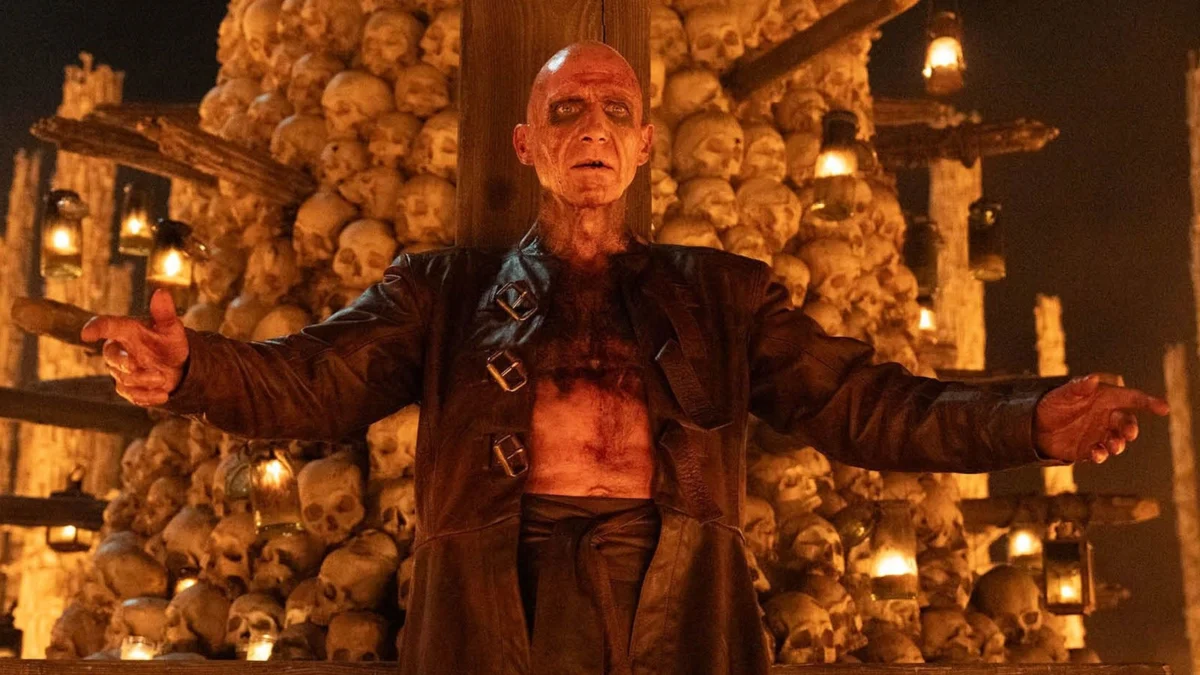
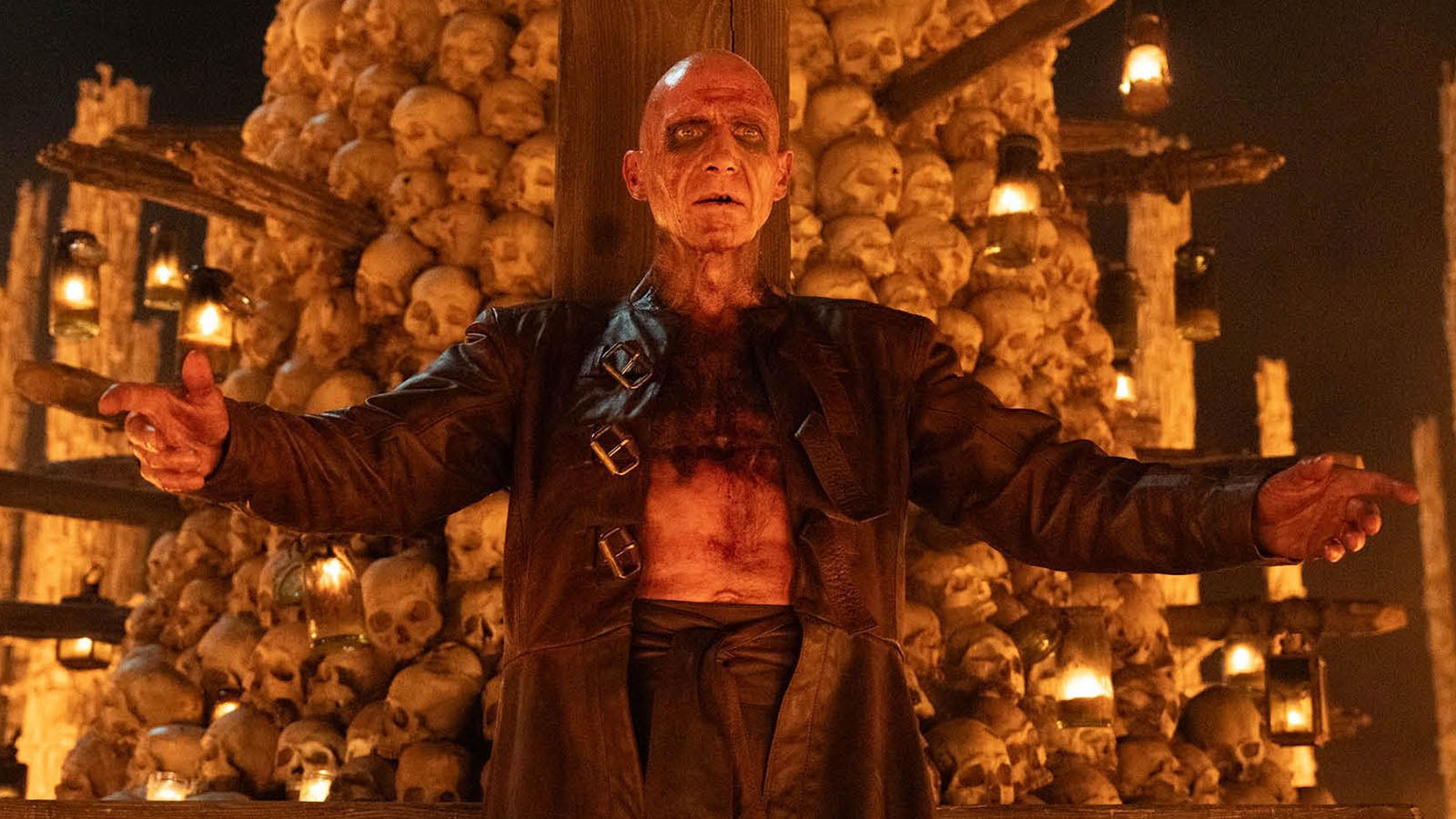
"28 Years Later: The Bone Temple" is presented as a continuation of this narrative, set a significant period after the initial outbreak. The film’s synopsis details the re-emergence of Dr. Kelson, portrayed by Ralph Fiennes, who finds himself in a precarious new alliance with potentially world-altering consequences. Concurrently, Spike, played by Alfie Williams, is caught in a terrifying encounter with Jimmy Crystal, portrayed by Jack O’Connell, suggesting a blend of high-stakes political intrigue and visceral survival horror. This narrative structure aims to weave together established characters with new threats and evolving circumstances within the infected world.
Critical Reception and Audience Engagement
While the box office performance of "The Bone Temple" may have been a concern, its critical reception offered a more nuanced perspective. Dread Central’s review of "28 Years Later: The Bone Temple" described it as "an inventively brutal sequel that pushes boundaries to showcase what genre cinema is truly capable of." This assessment highlights the film’s artistic merits and its ambition to innovate within the horror genre, even if it didn’t translate into overwhelming commercial success. The review’s positive tone suggests that the film resonated with a segment of the audience and critics who appreciate its bold approach.
The availability of "The Bone Temple" on streaming platforms, such as Netflix, provides an accessible avenue for audiences to engage with the latest chapter of the franchise. This accessibility is crucial for building anticipation and potentially influencing studio decisions for future projects. The continued viewership and discussion surrounding the film can serve as a barometer for sustained fan interest. For fans like those who contributed to the original article, the prospect of a third film hinges on continued engagement and a positive reception of "The Bone Temple."
Broader Implications for the Franchise and Genre
The potential continuation of the "28 Years Later" saga carries broader implications for both the franchise and the broader landscape of post-apocalyptic and horror cinema. The "28" series has consistently been lauded for its visceral intensity, its exploration of societal collapse, and its nuanced portrayal of human resilience and desperation. Should "28 Years Later" move forward, it would signify a renewed investment in this particular narrative universe and a belief in its enduring appeal.
Furthermore, the success of this third installment could encourage other studios to greenlight ambitious, character-driven horror films that push the boundaries of the genre. The franchise’s ability to blend intense action with thematic depth has been a hallmark of its success. If "28 Years Later" can recapture the magic of its predecessors, it could serve as a powerful testament to the genre’s capacity for both commercial viability and artistic merit. The industry will be closely watching to see if the enthusiasm expressed by Boyle and the creative team translates into a tangible production schedule and, ultimately, a new cinematic experience for fans of the "28" universe. The coming months will likely reveal whether the hope for a timely return to the world of the infected will be realized.