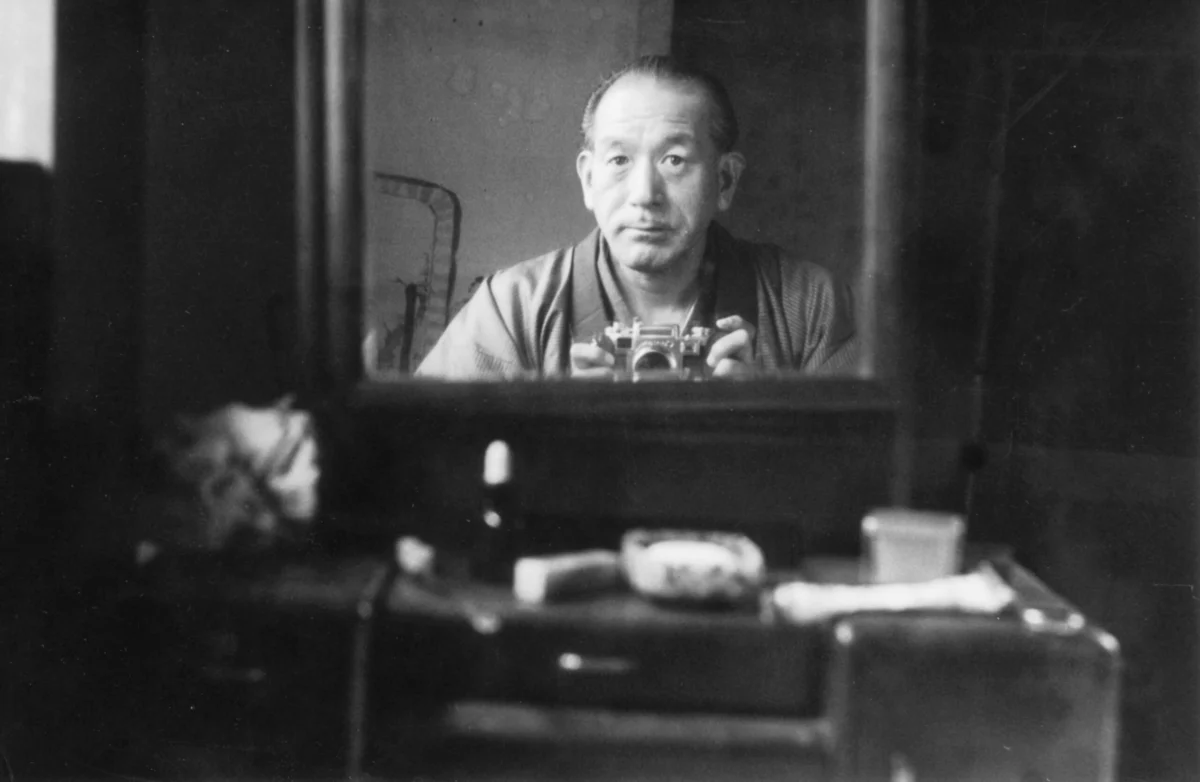
Alongside cinematic titans Akira Kurosawa and Kenji Mizoguchi, director Yasujiro Ozu stands as one of the most profoundly influential filmmakers, not just of his era but across the entire history of global cinema. While many of his contemporaries achieved international acclaim through sweeping historical epics and dramatic narratives, Ozu meticulously carved a unique path, choosing to focus his lens on the intricacies of the Japanese family unit. Through this intimate perspective, he masterfully explored universal themes that reflected broader societal shifts and political undercurrents of his time. Masterpieces such as Tokyo Story, Equinox Flower, Early Summer, and Late Autumn transcend their period, offering a timeless and deeply personal portrait of post-war Japan while simultaneously delving into universal human experiences and cultural nuances that continue to shape the nation’s identity to this day.
Unveiling the Enigma: The Ozu Diaries at Nippon Connection 2026
The enduring importance of Yasujiro Ozu to the tapestry of film history is unequivocally recognized, yet the man himself has remained, for many, a figure shrouded in a degree of enigma. This compelling paradox served as the primary catalyst for filmmaker Daniel Raim to embark on a profound cinematic journey: to explore Ozu’s personal life and meticulously examine the myriad ways it intrinsically influenced his unparalleled body of work. The culmination of this dedicated research is his documentary, The Ozu Diaries, an ambitious project that commenced development in 2023 to coincide with the 60th anniversary of Ozu’s passing. The film is slated for a significant screening at the Nippon Connection festival in 2026, promising to be a highlight of the esteemed event.
Raim’s documentary draws heavily upon a trove of invaluable primary source material: Ozu’s personal diaries, which span a significant three-decade period from 1933 to 1963. These intimate records provide an unprecedented window into the director’s thoughts, creative process, and daily life, forming the backbone of the film’s narrative. Beyond merely recounting Ozu’s biographical details, The Ozu Diaries powerfully underscores the pervasive and lasting impact of his oeuvre on multiple generations of filmmakers worldwide. This is achieved through a rich tapestry of interviews with esteemed directors who cite Ozu as a crucial influence, including the German auteur Wim Wenders, the prominent Japanese director Kiyoshi Kurosawa, Taiwanese master Tsai Ming-liang, and Belgian filmmaker Luc Dardenne. Furthermore, Raim enriches the documentary with invaluable perspectives from some of Ozu’s closest collaborators and contemporaries, most notably the legendary screenwriter Kogo Noda, providing a multifaceted and deeply informed understanding of Ozu’s artistic world.
Yasujiro Ozu: A Legacy Forged in the Everyday
Born in Tokyo in 1903, Yasujiro Ozu entered the film industry in 1923, joining the Shochiku Film Company as an assistant director. He quickly rose through the ranks, making his directorial debut in 1927 with Zange no Yaiba (Sword of Penitence), a now-lost period film. From these early beginnings, Ozu eschewed the dramatic flair and historical grandeur favored by many of his peers, instead cultivating a distinctive style centered on the shomin-geki genre – films depicting the lives of ordinary people. This deliberate focus on the domestic sphere, the mundane rhythms of family life, and the quiet struggles of everyday existence became his hallmark.
Ozu’s films are instantly recognizable for their unique aesthetic and thematic consistency. His signature "tatami shot," a low camera angle that places the viewer at eye-level with characters seated on tatami mats, immerses the audience directly into the intimate space of the Japanese home. This technique, combined with a deliberate use of static shots and "pillow shots" (brief, meditative shots of landscapes or inanimate objects that punctuate scenes), creates a contemplative rhythm that encourages reflection rather than overt emotional manipulation. Dialogue is often spare, gestures understated, and dramatic events are frequently implied or occur off-screen, with Ozu choosing to focus on the aftermath or the quiet anticipation. This elliptical storytelling invites viewers to engage actively, filling in the emotional gaps and contemplating the deeper implications of his characters’ experiences.
Thematically, Ozu consistently explored the poignant transitions of post-war Japan. His films frequently depict the subtle friction between tradition and modernity, the evolving roles of women, the bittersweet nature of marriage, and the inevitable departures of children from the parental home. The concept of mono no aware – a gentle melancholy at the impermanence of things – permeates his work, lending a profound sense of beauty and sadness to the seemingly ordinary events of life. His characters, often portrayed by a recurring ensemble of actors like Chishu Ryu and the iconic Setsuko Hara, navigate these shifts with grace, resignation, and an underlying resilience. Tokyo Story (1953), widely considered his magnum opus, perfectly encapsulates these themes, presenting a heartbreaking yet profoundly human portrait of aging parents visiting their indifferent adult children in bustling Tokyo.
A Director Rediscovered: Challenging Early Perceptions
The path to universal recognition for Ozu was not without its detours. As recounted by Kiyoshi Kurosawa in The Ozu Diaries, many film students in Japan during the 1970s and 1980s, including some of his peers, initially dismissed Ozu’s films. Works such as Tokyo Story, Dragnet Girl, and I Was Born, But… were often perceived as outdated, their narratives and aesthetics seemingly irrelevant to the contemporary sensibilities of a new generation. This reaction was perhaps understandable in an era marked by radical cinematic experimentation and a global shift in storytelling paradigms.
However, Kurosawa’s own journey exemplifies the gradual re-evaluation and enduring power of Ozu’s cinema. Driven by a lingering curiosity, if only to participate in discussions with his friends, Kurosawa began to systematically watch Ozu’s films. What he uncovered was far from a collection of dusty relics; instead, he discovered a vibrant, nuanced, and endlessly fascinating portrait of Japan and its people. He recognized how Ozu’s carefully constructed harmony and moments of laughter often served as a delicate veil, concealing profound emotional depths and unsettling realities beneath the surface. This revelation profoundly reshaped Kurosawa’s understanding of film and narrative.
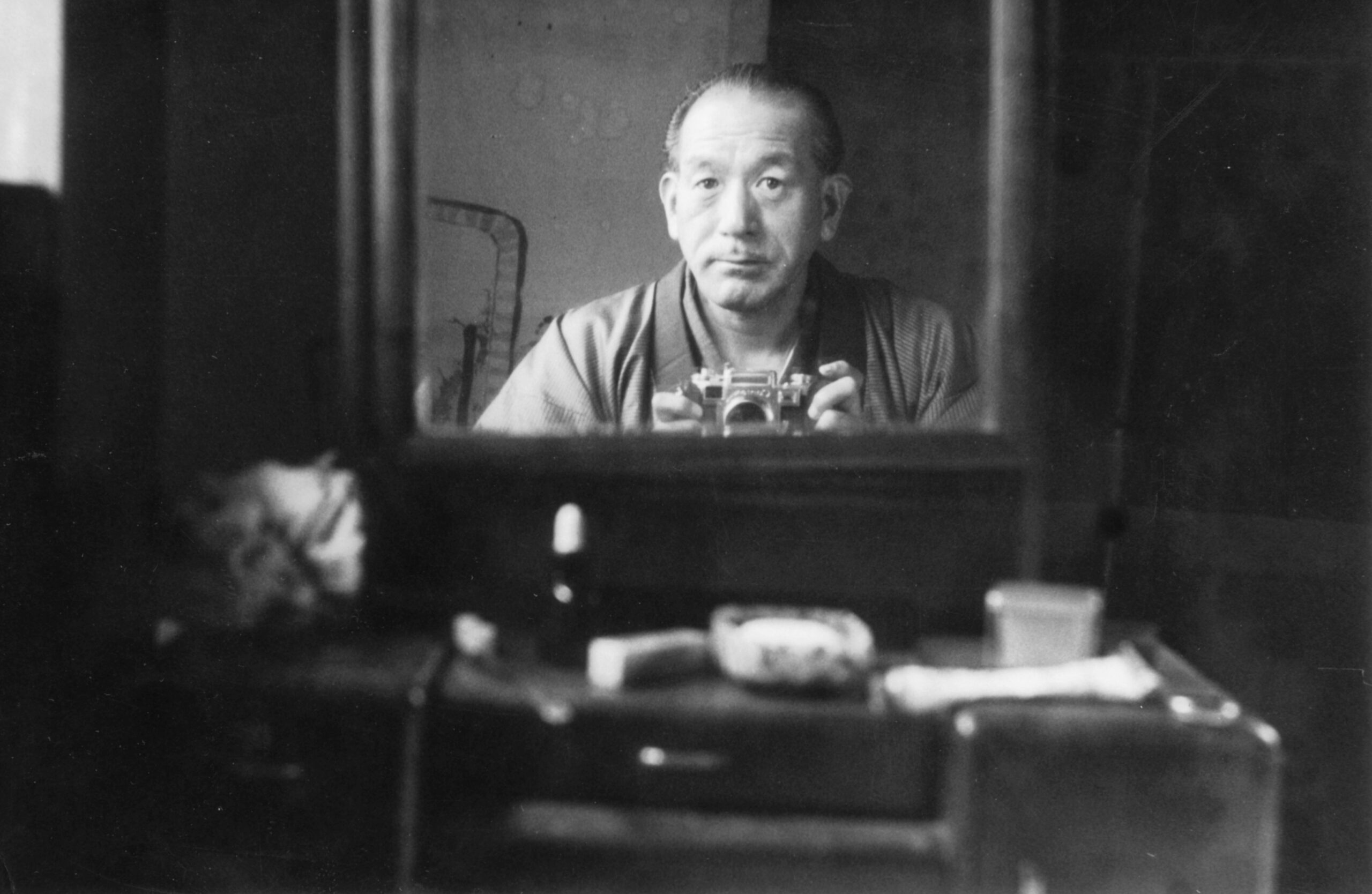
A central theme that resonated deeply with Kurosawa, and which he later integrated into his own acclaimed work, is the concept of death – or a state akin to it – as an inevitable and transformative presence in Ozu’s cinema. For Ozu’s characters, confronting loss or profound change often serves as a catalyst, making a return to life and reality possible, albeit altered. Kurosawa applied this profound lesson to several of his own films, including Cloud, Cure, and perhaps most explicitly, Tokyo Sonata. The latter stands as a remarkable homage to Ozu, not only in its narrative exploration of a disintegrating family unit but also in its aesthetic choices, echoing Ozu’s contemplative pacing and domestic focus.
The Documentary’s Approach: Insights and Interpretations
Any documentary endeavor can recount the chronological life of an artist. The far more challenging and ultimately more rewarding task lies in offering fresh insights, demonstrating the continued relevance of their work, and inspiring new generations of viewers and creators. In this crucial regard, The Ozu Diaries succeeds admirably. It serves not only as a compelling introduction to one of cinema’s undisputed masters but, more significantly, it opens up new avenues for interpreting his films. The diverse array of perspectives meticulously assembled by Daniel Raim provides audiences with fresh and contemporary approaches to Ozu’s profound body of work.
Given the extensive critical analysis and scholarly discourse already dedicated to films like Floating Weeds, Good Morning, and There Was a Father, the documentary’s greatest strength lies in its ability to present contemporary readings alongside deeply personal reflections from a global cadre of filmmakers who have been profoundly influenced by Ozu. These interviews transcend mere admiration, offering concrete examples of how Ozu’s specific techniques and thematic concerns have directly shaped their own artistic visions.
Simultaneously, Ozu’s own words, meticulously extracted from his diaries, offer invaluable insight into his evolving artistic philosophy. The documentary delves into his nuanced approach to humor, revealing its often subtle yet integral role in his narratives. It explores how his formative background in silent cinema profoundly shaped his later sound films, contributing to his minimalist style and reliance on visual storytelling. Furthermore, Raim highlights how abstract concepts such as "nothingness" (mu), the strategic use of silence, and seemingly static imagery are not merely stylistic quirks but serve to emphasize the profound emotional depth of his characters and the weight of their actions.
A significant portion of the documentary rightly emphasizes the crucial creative partnerships that defined Ozu’s career. The collaborative relationship between Ozu and screenwriter Kogo Noda, which spanned decades, is meticulously examined, revealing how their shared vision shaped narratives and dialogue. Later, the collaboration with actress Setsuko Hara proved equally pivotal. Hara, with her unparalleled ability to convey rich and often contradictory emotional landscapes through minimal outward expression, became the quintessential interpreter of Ozu’s subtle cinematic style. By revealing very little on the surface, Hara’s performances were able to communicate profound inner turmoil and quiet dignity, making her an ideal muse for Ozu’s understated aesthetic. Her iconic portrayal of the "eternal daughter" in films like Late Spring and Early Summer remains a benchmark of cinematic performance.
Broader Impact and Implications: Ozu’s Global Footprint
The influence of Yasujiro Ozu extends far beyond Japan, touching filmmakers across continents and generations. Wim Wenders, a director known for his meditative and observational style, explicitly journeyed to Japan in his 1985 documentary Tokyo-Ga in search of Ozu’s Tokyo, a testament to the profound impact Ozu had on him. Wenders’ film is a pilgrimage, seeking out the lingering spirit of Ozu’s world, demonstrating a deep cinematic and philosophical connection.
Similarly, Tsai Ming-liang, the celebrated Taiwanese director, often employs long takes, static camera positions, and a deliberate pace that echo Ozu’s contemplative style. Tsai’s focus on the quiet lives of urban dwellers, the subtle currents of human connection and isolation, and his meticulous framing bear a distinct Ozuian sensibility, filtered through his own unique artistic vision. The Dardenne brothers, Luc and Jean-Pierre, known for their starkly realistic and humanist portrayals of working-class lives in Belgium, also find resonance in Ozu’s empathetic attention to character psychology and the social fabric, albeit in a different cultural context. Their commitment to portraying characters with dignity and nuance, allowing their inner lives to unfold without excessive melodrama, mirrors Ozu’s own approach.
The Ozu Diaries therefore serves as a vital bridge, connecting Ozu’s historical context with his ongoing relevance in contemporary cinema. It not only celebrates his foundational role but also illuminates how his themes and techniques continue to inform and inspire new artistic expressions globally. The documentary’s screening at the Nippon Connection festival in 2026 holds particular significance. Nippon Connection is one of the largest festivals for Japanese cinema worldwide, dedicated to showcasing the breadth and depth of Japanese film, from its historical masters to its avant-garde innovators. The inclusion of The Ozu Diaries underscores the festival’s commitment to both honoring cinematic heritage and fostering a deeper understanding of its evolution. For festival-goers, it represents a unique opportunity to engage with Ozu’s legacy through a fresh, comprehensive, and intellectually stimulating lens.
Conclusion: An Enduring Vision
Ultimately, The Ozu Diaries stands as both an essential introduction for newcomers to one of cinema’s greatest masters and a thoughtful, enriching examination for seasoned cinephiles of the enduring influence of films such as Tokyo Story, Late Spring, and An Autumn Afternoon. Daniel Raim has successfully crafted a documentary that offers fascinating and multi-layered insights into the legacy of Yasujiro Ozu, exploring the myriad ways his work continues to be interpreted and reinterpreted. It compellingly articulates why Ozu remains, and will undoubtedly continue to remain, one of cinema’s most perceptive and profound observers of Japanese identity and, by extension, the universal human condition. Through the prism of his diaries and the voices of those he inspired, Ozu’s quiet, powerful vision continues to resonate, provoking introspection and emotional connection across cultural and generational divides.