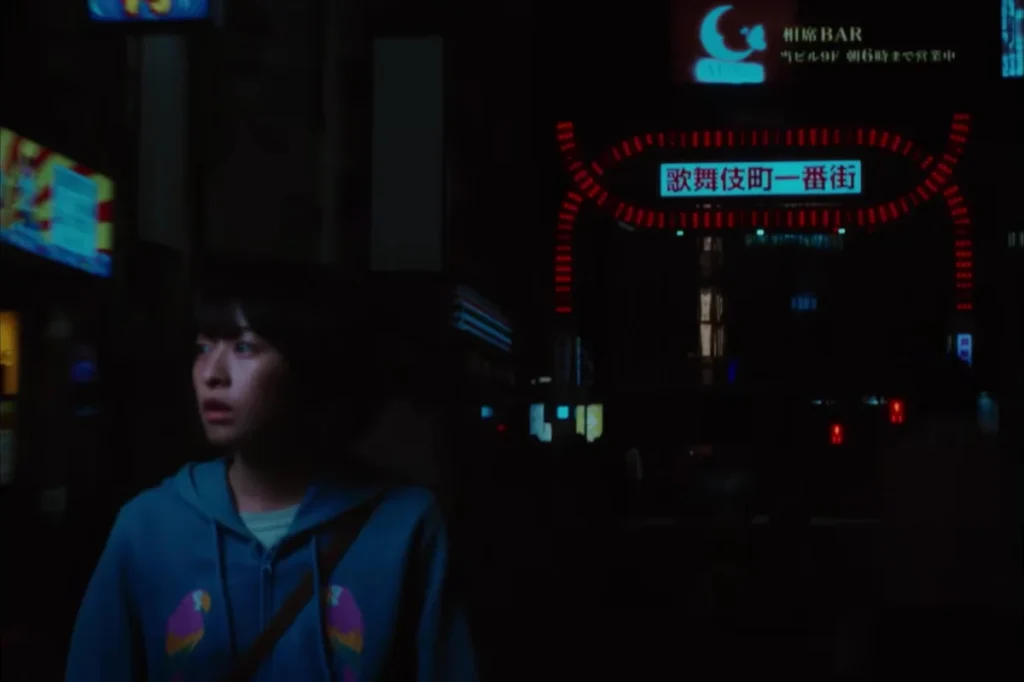
Eisuke Naito’s highly anticipated film, HIGUMA!! The Killer Bear, is poised to challenge genre conventions and spark critical discourse with its North American premiere scheduled for July 19, 2026, at the esteemed Walter Reade Theater, as part of the New York Asian Film Festival (NYAFF). The film, which has garnered early attention for its wildly unpredictable narrative, weaves together elements of social commentary, crime thriller, family tragedy, and creature horror, all punctuated by practical effects, extreme gore, and a unique application of "video game logic." At its core, the story follows a teenage victim of fraud who, driven by desperation, descends into illegal gig work, subsequently kidnaps a young woman, and ultimately finds himself in a harrowing encounter with an unimaginably bloodthirsty bear. This complex premise sets the stage for a film that promises not only visceral thrills but also profound questions about modern society and human morality.
A Narrative of Desperation and Survival
The central conflict of HIGUMA!! The Killer Bear is rooted in the contemporary struggles faced by many, particularly younger generations, navigating precarious economic landscapes. The film introduces its protagonist as a teenager ensnared by online fraud, a common issue exacerbating financial instability worldwide. This initial victimization acts as a catalyst, pushing the character into the shadow economy of illegal gig work – a dangerous, unregulated sector often preying on vulnerable individuals seeking quick income outside traditional employment structures. The film’s portrayal of this descent into illicit activity is reported to be unflinching, highlighting the moral compromises and increasing desperation that can arise from societal pressures and economic hardship.
This desperation escalates into a dramatic turning point: the kidnapping of a young woman. This act immediately shifts the film’s tone from social critique to a crime thriller, exploring the severe consequences of choices made under duress. The subsequent encounter with a "bloodthirsty bear" then propels the narrative into full-blown survival horror, pitting human desperation against primal, untamed nature. The juxtaposition of these elements — systemic fraud, the gig economy’s dark underbelly, criminal acts, and a relentless natural predator — forms a multi-layered narrative designed to keep audiences on the edge of their seats while simultaneously prompting reflection on the societal forces that drive individuals to extreme measures.
The Vision of Eisuke Naito: Blending Genres and Messages
Director Eisuke Naito, known for his distinctive approach to genre cinema, takes the helm of HIGUMA!! The Killer Bear, promising a film that transcends easy categorization. Naito’s previous works, which often explore dark psychological themes and societal anxieties, suggest a directorial style that prioritizes narrative depth alongside cinematic spectacle. While specific details of Naito’s filmography leading up to HIGUMA!! are anticipated to be discussed further following its premiere, early insights indicate his intention to use the monster movie framework as a vehicle for potent social commentary.
The film is described as a "wildly unpredictable Japanese monster movie," a descriptor that immediately places it within a rich tradition of Japanese genre cinema, from the iconic kaiju films to more psychological horror and thrillers. However, Naito appears to be pushing these boundaries further, using the monstrous bear not merely as a creature of terror but potentially as a metaphor for the relentless, unforgiving forces at play in both nature and human society. The blend of crime and family tragedy further enriches this tapestry, grounding the fantastical elements in human emotion and consequence.
Performance and Character Dynamics
Central to the film’s emotional resonance are the performances of Fuku Suzuki and Wan Marui. While their specific roles are not fully detailed, the review highlights their contributions and specifically mentions the "mother and son relationship at the heart of the story." This familial bond suggests that despite the chaos, violence, and existential threats, there is an anchor of human connection and vulnerability. The exploration of this relationship, potentially fraught with conflict stemming from the son’s desperate actions and the mother’s anguish, could serve as the film’s emotional core, providing a counterpoint to the extreme gore and high-stakes survival narrative.
Fuku Suzuki, a young actor known for his versatile roles in television dramas and films, brings a fresh face to the challenging portrayal of a teenager pushed to his limits. Wan Marui, an actress with a growing reputation for nuanced performances, is expected to deliver a powerful depiction of a mother grappling with unthinkable circumstances. Their combined efforts are critical in humanizing the dramatic events and allowing audiences to connect with the characters beyond the spectacle of horror. The success of the film’s social commentary and emotional impact will undoubtedly hinge on the authenticity and depth of their portrayals of individuals caught in an escalating spiral of desperation and danger.
Technical Craftsmanship: Atmosphere, Editing, and Effects
HIGUMA!! The Killer Bear distinguishes itself not only through its narrative ambition but also through its technical execution. The film employs "practical creature effects," a deliberate choice that often resonates deeply with horror aficionados. In an era dominated by CGI, practical effects bring a tangible, visceral quality to the monster, enhancing the realism and immediate terror. The description of the bear as "thoroughly grotesque" suggests a creature design that is both terrifying and impactful, leveraging physical artistry to create a lasting impression. This commitment to practical effects can often elevate the horror experience, making the threat feel more immediate and less digitally fabricated.
The visual storytelling is further enhanced by "snowy cinematography." A snow-laden landscape frequently symbolizes isolation, vulnerability, and stark beauty, amplifying the sense of dread and the characters’ struggle against overwhelming odds. The white backdrop can also serve to highlight the crimson of gore, making violent encounters even more shocking. Complementing this visual aesthetic is "frantic editing," a technique designed to heighten tension, quicken the pace during action sequences, and immerse the audience in the characters’ panicked state. This combination of stark visuals and rapid-fire editing is characteristic of modern thrillers and horror, aiming to create an unrelenting sense of urgency.
Another intriguing technical aspect mentioned is the inclusion of "point of view sequences" and "video game logic." POV shots can place the audience directly into the character’s perspective, intensifying identification and fear. The concept of "video game logic" could manifest in various ways: perhaps through structured challenges the characters must overcome, a heightened sense of resource management, or even visual cues that mimic gaming interfaces. This stylistic choice could offer a unique, immersive experience, drawing parallels between the film’s survival narrative and the progression through a challenging video game level, further enhancing the film’s unpredictable nature.
Social Commentary: The Dark Side of the Gig Economy
A significant thematic pillar of HIGUMA!! The Killer Bear is its commentary on "illegal gig work." The gig economy, characterized by temporary, flexible jobs, has grown exponentially worldwide, including in Japan. While it offers flexibility for some, it often comes with a lack of benefits, job security, and regulatory oversight, creating a class of precarious workers. The film delves into the "illegal" aspect, suggesting the protagonist is engaged in activities outside legal frameworks, driven by an inability to access legitimate work or earn sufficient income through it. This resonates with global concerns about worker exploitation, the widening wealth gap, and the desperation that can lead individuals to dangerous and unlawful means for survival.
The film’s exploration of fraud as the initial trigger for the protagonist’s downward spiral adds another layer to this critique. Online scams and financial exploitation disproportionately affect vulnerable populations, including young people. By linking fraud victimization to the subsequent entry into the illegal gig economy, the film paints a grim picture of a society where systemic issues can trap individuals in a cycle of desperation and crime. This narrative offers a potent critique of modern economic systems and the social safety nets – or lack thereof – that fail to protect individuals from falling through the cracks.
The New York Asian Film Festival: A Platform for Global Cinema
The North American premiere of HIGUMA!! The Killer Bear at the 2026 New York Asian Film Festival is a significant milestone for the film and its creators. NYAFF, established in 2002, has become one of the most prominent showcases for contemporary Asian cinema in the Western Hemisphere. The festival’s mission is to introduce the best, most exciting, and most representative new Asian films to New York and North American audiences, fostering a greater appreciation for the diverse cinematic landscapes of Asia. Held annually, NYAFF is celebrated for its curated selection of films that span various genres, from independent dramas to commercial blockbusters, often featuring emerging talents and acclaimed directors.
The selection of HIGUMA!! The Killer Bear for its North American debut at such a prestigious event underscores its perceived artistic merit and its potential to resonate with international audiences. Premiering at the Walter Reade Theater, a renowned venue within Lincoln Center, further elevates the film’s profile. This platform provides not only exposure but also an opportunity for critical discussion, industry networking, and potential distribution deals that could bring the film to a wider audience across North America. For Japanese cinema, a strong showing at NYAFF reinforces its vibrant presence on the global stage, showcasing its continued capacity for innovation and challenging storytelling.
Broader Implications and Thematic Resonance
HIGUMA!! The Killer Bear appears designed to provoke thought long after the credits roll. The concluding question posed by the review, "Do you think the bear or the humans are the real monsters?" encapsulates the film’s profound thematic ambition. This age-old philosophical query, often explored in creature features and thrillers, takes on new weight within the context of Naito’s film. Is the bear, acting purely on instinct, truly more monstrous than the humans driven by desperation, greed, or societal pressures to commit heinous acts?
The film’s exploration of this duality has significant implications for contemporary social discourse. It invites audiences to examine the darker aspects of human nature, the corrupting influence of systemic inequalities, and the fine line between victim and perpetrator. In a world grappling with economic instability, social fragmentation, and the moral ambiguities of modern life, a film that dares to ask such fundamental questions, cloaked in the thrilling guise of a monster movie, holds immense potential for cultural impact.
Furthermore, HIGUMA!! The Killer Bear contributes to the evolving landscape of Japanese genre cinema. It showcases a willingness to blend genres, tackle challenging social issues, and experiment with narrative and technical approaches. This innovative spirit ensures that Japanese cinema remains a vital and dynamic force, continually pushing boundaries and offering unique perspectives on universal human experiences. The film’s premiere at NYAFF 2026 is not just an event for cinephiles; it is a moment that signifies the ongoing global relevance and artistic courage of Asian filmmakers. As audiences prepare for its debut, the anticipation for Eisuke Naito’s latest creation, a film promising both terror and trenchant social critique, continues to build.