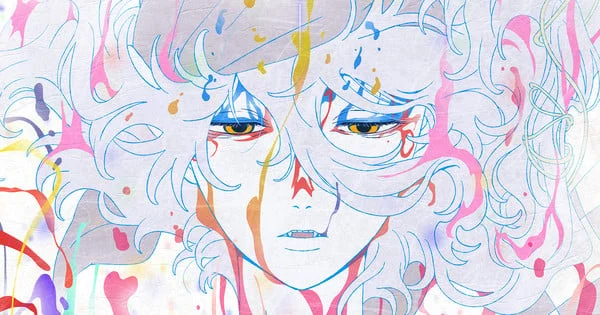
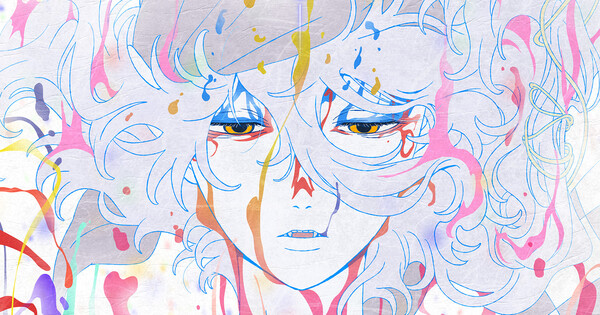
The highly anticipated third film in the Mononoke film trilogy, Mononoke The Movie: Chapter III – The Curse of the Serpent (Gekijōban Mononoke Dai-San-Shō: Hebigami), which premiered in Japan on May 29, has ignited a firestorm of discussion and controversy within the anime community. The film’s release was marked by an unexpected return of the original Medicine Seller, voiced by Takahiro Sakurai, in a cameo appearance. This surprise casting, coupled with the subsequent retirement announcement of planning producer Kōji Yamamoto, has cast a long shadow over the film’s debut and prompted a public apology from Yamamoto for the handling of the situation.
The revelation that Takahiro Sakurai, the original voice actor for the iconic Medicine Seller from the Mononoke television series, reprised his role for a cameo in the latest film was met with a mixed reaction from fans. Crucially, this casting was not publicly announced by the film’s staff prior to the movie’s opening. This lack of prior disclosure led to a wave of surprise and, for some, dismay, as moviegoers encountered the familiar voice without any forewarning. The ensuing debate online highlighted a division among fans, with some embracing the nostalgic return of the original voice actor and others expressing concerns, likely stemming from Sakurai’s past controversies.
In the wake of the fan reaction and the unfolding situation, Kōji Yamamoto, the planning producer for the Mononoke film trilogy, took to his X (formerly Twitter) account on Friday to issue a public apology. In his statement, Yamamoto acknowledged the staff’s decision to bring back the original voice actor for the Medicine Seller and apologized for the manner in which this information was disseminated, or rather, withheld. He also announced his retirement from his producing role, signaling a significant shift within the Mononoke production team.
A Surprise Return and a Shifting Landscape
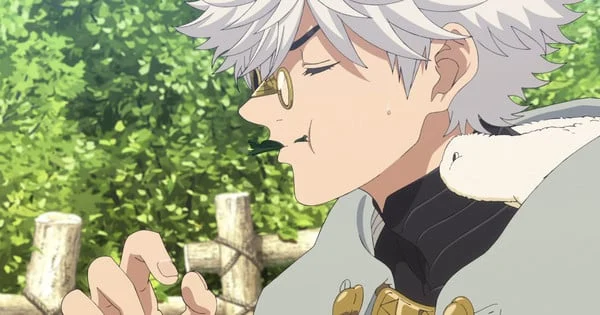
The narrative surrounding Mononoke The Movie: Chapter III took a dramatic turn when audiences realized the original Medicine Seller, a character deeply etched in the memories of long-time fans, had made an appearance. The film, which is the third and final installment of the trilogy, continued the franchise’s signature blend of historical mystery, supernatural horror, and psychological drama. The decision to include the original Medicine Seller, especially in a cameo capacity, was a deliberate choice by the production team, as later explained by Yamamoto. However, the lack of pre-release announcements left many fans feeling blindsided and contributed to the subsequent controversy.
Oricon News confirmed the involvement of Takahiro Sakurai in reprising his beloved role. The original Mononoke series, which first aired in 2007, garnered a significant cult following for its unique art style, intricate storytelling, and the enigmatic presence of the Medicine Seller. Sakurai’s distinctive voice was integral to the character’s appeal, and his return, even for a brief appearance, was a significant development that the staff opted to keep under wraps until the film’s theatrical release.
The Unveiling and the Controversy
The initial silence from the production team regarding Sakurai’s cameo only amplified the impact when it was discovered by theatergoers. Social media platforms buzzed with discussions, with fans dissecting the cameo and voicing their opinions. While some celebrated the return of the original voice, seeing it as a fitting tribute or a strategic narrative choice, others questioned the decision, particularly in light of Sakurai’s public personal scandal that had unfolded in recent years. This divergence of opinion created a polarized environment, forcing the production staff to address the situation more directly.
Following the initial wave of fan reactions, the film’s staff released a new trailer for Mononoke The Movie: Chapter III on Monday. This trailer explicitly featured the original Medicine Seller character delivering a line of dialogue. However, even in this promotional material, the voice actor’s identity was not officially disclosed at the time, a move that continued to fuel speculation and debate among fans.
Kōji Yamamoto’s Apology and Strategic Intent
In his public statement on X, Kōji Yamamoto expressed his profound regret for the controversy that arose from the handling of the Medicine Seller’s cameo. He stated that he was taking full responsibility for the situation and, in doing so, announced his retirement from producing. This decision marks a significant departure for Yamamoto, who has been a key figure in the Mononoke franchise’s recent resurgence, including the ambitious film trilogy project.
Yamamoto elaborated on the creative process behind the cameo, revealing that the idea of bringing back another Medicine Seller emerged during discussions about the narrative of the third film, specifically concerning the antagonist at the climax. He explained that the staff considered various options, including introducing a new Medicine Seller. However, a significant factor in their decision was the desire to respond to the wishes of fans who had expressed a longing for the return of the Medicine Seller from the original television series, often referred to as the "Ri" Medicine Seller. Yamamoto believed that the character could be reintroduced in a manner that would please these fans and provide a satisfying reunion.
The producer further explained the rationale behind the non-disclosure of Sakurai’s involvement. His stated intention was to allow fans to experience the reunion with the character as a genuine surprise, an element he felt would enhance the emotional impact of the cameo. The decision to withhold this information until after the film’s opening, specifically until June 1, three days after the premiere, was a deliberate strategy. However, Yamamoto conceded that this approach inadvertently "deprived those who did not want to see the original Medicine Seller the choice on their own whether they wanted to go see the film or not." He offered a sincere apology for this lack of consideration for all segments of the audience.
Looking ahead, Yamamoto indicated that his future endeavors would focus on management and the cultivation of the next generation of talent within the industry. His extensive producing credits include a diverse range of critically acclaimed anime titles such as anohana: The Flower We Saw That Day, The Ancient Magus’ Bride, Eden of the East, Lu over the wall, Princess Jellyfish, Psycho-Pass, ZENSHU., and The Tatami Galaxy, underscoring his significant contributions to the animation landscape.
The Shadow of Controversy: Takahiro Sakurai’s Personal Scandal
The decision to re-cast and then later re-instate Takahiro Sakurai in the role of the Medicine Seller is inextricably linked to a personal scandal that came to light in October 2022. The tabloid newspaper Weekly Bunshun reported that Sakurai had been engaged in an extramarital affair for at least a decade with a writer associated with his travel radio show, P.S. Genki Desu. Takahiro.
According to Weekly Bunshun‘s reporting, the writer involved in the affair was unaware of Sakurai’s marital status until shortly before the final recording of the radio show in October 2022. Sakurai had maintained discretion about his marriage until September 2022, when he confirmed his marital status to the publication. The newspaper further detailed that the writer, upon discovering the truth, experienced profound shock, requiring emergency medical attention and subsequently retiring from her writing career.
In response to the Weekly Bunshun report, Sakurai’s talent agency, Intention, issued a statement the following day, acknowledging the article’s claims. The agency offered apologies to the unnamed woman, Sakurai’s fans, and all parties affected by the situation. This acknowledgment and apology were significant steps in addressing the public fallout from the affair.
Repercussions and Recasting within the Trilogy
The ramifications of the scandal extended directly to the Mononoke film trilogy. In February 2023, Twin Engine, the production company behind the films, announced a delay in the release of the first movie. Crucially, they also stated that Takahiro Sakurai would no longer be reprising his role as the protagonist, the Medicine Seller, as had been initially planned.
Twin Engine’s official statement at the time provided a rationale for this casting change, stating: "…the animated film ‘MONONOKE‘ sets in ÅŒoku (historically the women’s quarters of Edo Castle) and tries to depict the suffering and remedy of women. Judging from the standpoint of the story, we decided to change the cast of the Medicine Seller." This statement suggested that the thematic elements of the film, particularly its focus on the experiences of women, influenced the decision to replace Sakurai.
Following this decision, voice actor Hiroshi Kamiya was announced to have replaced Sakurai in the role of the Medicine Seller for the film trilogy. It is important to note that the character portrayed by Kamiya in the film trilogy is understood to be a distinct Medicine Seller from the one who appeared in the original television series. This distinction is relevant to understanding the production’s approach to character continuity and potential narrative evolution.
The Broader Implications and Future of Mononoke
The recent events surrounding Mononoke The Movie: Chapter III highlight the complex interplay between creative decisions, fan expectations, and the personal lives of public figures in the entertainment industry. The surprise return of Takahiro Sakurai, while seemingly intended to delight a segment of the fanbase, ultimately ignited a debate about transparency and the impact of past controversies.
Kōji Yamamoto’s apology and retirement underscore the weight of responsibility that producers carry. His candid explanation of the creative intent behind the cameo, while seeking to justify the element of surprise, also demonstrates an awareness of the potential pitfalls of such strategies. The fact that the staff ultimately decided to bring back the original voice actor for a cameo, after an initial recasting, suggests a strategic re-evaluation, possibly influenced by fan sentiment and a desire to connect with the franchise’s roots.
The Mononoke franchise has a unique position in the anime landscape, characterized by its distinctive visual style and its exploration of dark, often unsettling themes. The film trilogy represents a significant effort to expand upon this legacy. The controversies surrounding the casting of the Medicine Seller, however, have added an unexpected layer of complexity to the reception of the final film.
Moving forward, the Mononoke franchise will likely face continued scrutiny regarding its casting decisions and communication strategies. Kōji Yamamoto’s transition to a focus on management and talent development may signal a new direction for the production team, potentially emphasizing a more structured and transparent approach to future projects. The legacy of the original Medicine Seller, and the voice that brought him to life, remains a potent symbol for the franchise, and its recent reappearance, however contentious, has undoubtedly kept Mononoke at the forefront of fan discussions. The success of the film trilogy will ultimately be judged not only on its artistic merit but also on how the production team navigates the delicate balance between creative ambition and public perception.