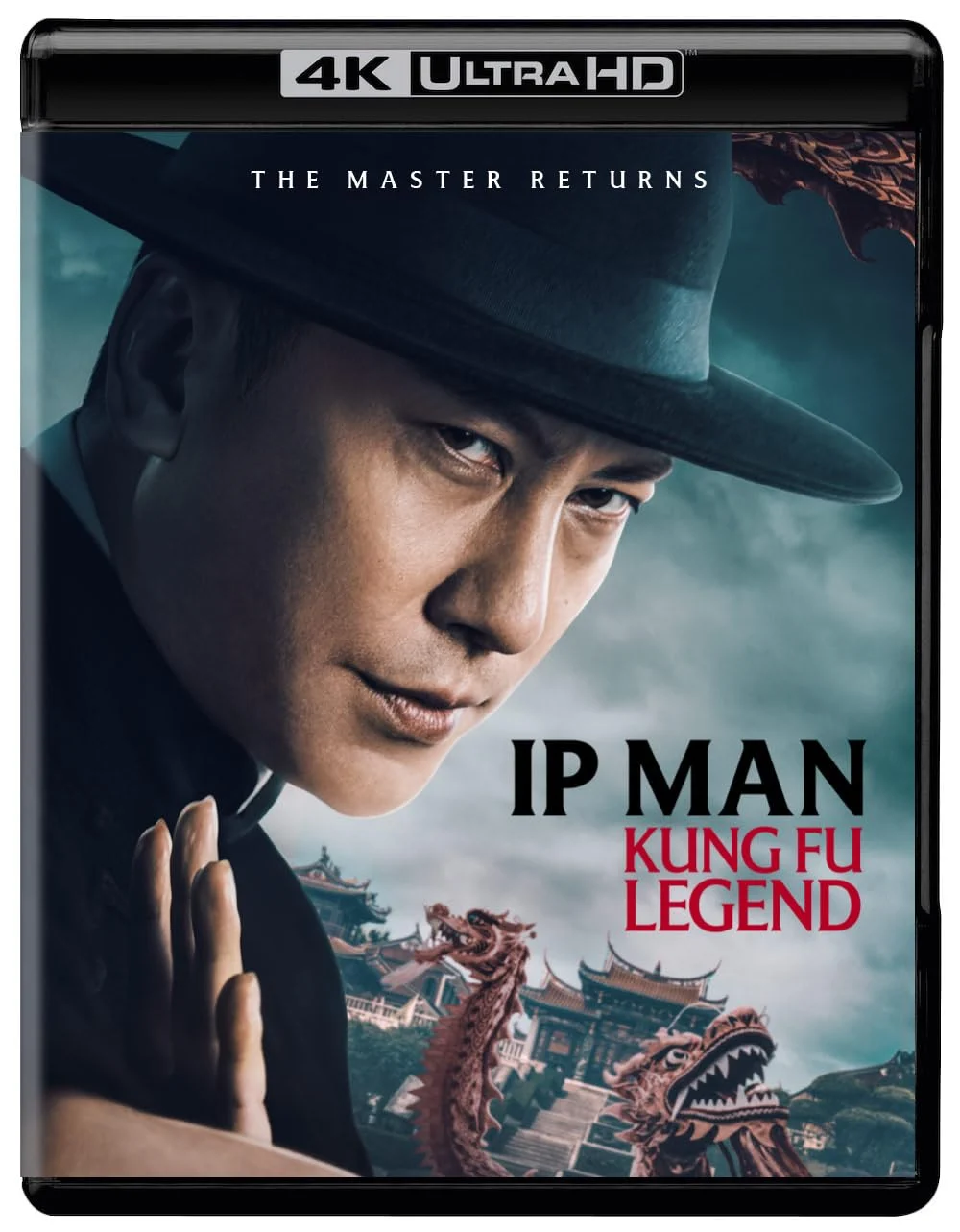
The cinematic universe centered around the legendary Wing Chun grandmaster Ip Man continues its prolific expansion with "Ip Man: Kung Fu Legend," marking the latest installment in a franchise that now boasts an impressive 13 titles. This particular entry sees director Li Liming at the helm for his third directorial contribution to the saga, while actor Dennis To steps into the iconic role of Ip Man for the fourth time. Produced by Huiyong Media, the film was brought to life at the extensive Huzhou Film and Television City, where meticulous sets were constructed to authentically recreate the bustling atmosphere of 1950s Hong Kong. The sustained audience engagement for this seemingly perpetual series underscores its enduring appeal and commercial viability within the martial arts genre.
The Enduring Cinematic Legacy of Ip Man
The figure of Ip Man, mentor to Bruce Lee and a pivotal force in the popularization of Wing Chun, has transcended historical records to become a global cinematic icon. The "Ip Man" franchise, largely ignited by Donnie Yen’s portrayal in Wilson Yip’s seminal 2008 film, has spawned numerous interpretations, prequels, and spin-offs. These films often blend biographical elements with fictionalized heroism, presenting Ip Man as a stoic defender of justice, a symbol of Chinese resilience, and a master of an elegant yet devastating martial art. The franchise’s remarkable longevity, spanning over a decade and a half, is a testament to its ability to tap into themes of national pride, personal integrity, and the timeless allure of martial arts spectacle.
While Donnie Yen’s portrayal is arguably the most widely recognized, actors like Tony Leung (in Wong Kar-wai’s "The Grandmaster") and Dennis To have offered distinct interpretations, each contributing to the multifaceted cinematic tapestry of the grandmaster. Dennis To, with his background as a former Wushu athlete, brings a tangible authenticity to the fight sequences, embodying the physical discipline and controlled power associated with Ip Man. His recurring role in "Ip Man: Kung Fu Legend" builds upon his previous appearances, establishing him as a consistent presence within this particular branch of the franchise. The continuous production of new titles, such as this one from Huiyong Media, suggests a robust market for these stories, often finding success not just in traditional theatrical releases but also increasingly in digital and streaming formats. This adaptability has allowed the franchise to thrive even as film distribution models evolve.
Production and Historical Context: Recreating 1950s Hong Kong
The decision to film "Ip Man: Kung Fu Legend" at Huzhou Film and Television City highlights a common practice in contemporary Chinese cinema: utilizing large-scale, purpose-built studios capable of historical recreation. These expansive sets allow filmmakers to meticulously reconstruct past eras, providing an immersive backdrop for narratives set in specific historical periods. For this film, the focus was on accurately depicting Hong Kong in the 1950s, a decade marked by significant socio-economic and political shifts.
Following World War II and the Chinese Civil War, Hong Kong experienced a massive influx of migrants, particularly from mainland China. This led to rapid population growth, severe housing shortages, and the emergence of sprawling squatter settlements. The city was undergoing significant industrialization, with factories and workshops becoming vital to its economy. However, this period was also characterized by pronounced social stratification, with a clear distinction between the British colonial administration and the local Chinese population. Labor exploitation was rampant, as workers, often desperate for employment, had limited rights and faced challenging conditions. Concurrently, organized crime, particularly various triad societies, expanded its influence, often operating in the grey areas between legitimate businesses and illicit activities, sometimes even in tacit understanding with elements of the colonial power structure. These organizations frequently preyed on vulnerable communities and workers, offering protection in exchange for loyalty or exploiting them for their own gain.
The film’s setting in this turbulent era provides a rich historical tapestry against which Ip Man’s struggles unfold. The recreation of 1950s Hong Kong at Huzhou Film and Television City, therefore, is not merely an aesthetic choice but a crucial element in grounding the narrative in a believable, if dramatized, historical reality, underscoring the challenges faced by ordinary people and the pervasive influence of both colonial power and criminal elements.
Narrative Progression and Thematic Foundations
"Ip Man: Kung Fu Legend" picks up the narrative threads as Ip Man arrives in Hong Kong, a city teeming with opportunity yet also rife with challenges. His initial objective is to establish himself and his Wing Chun school within the local martial arts community, a common starting point for many films in the franchise. However, his personal aspirations quickly become intertwined with the larger societal struggles of the time. The film posits a Hong Kong dominated by a nefarious alliance between British merchants and entrenched Chinese criminal organizations. This alliance, driven by greed and a desire for unchecked power, is depicted as actively engaging in predatory practices: buying up properties, demolishing existing factories, and exploiting the city’s burgeoning working class. The workers, largely migrants and the less privileged, are presented as having minimal means to defend themselves against these powerful, intertwined forces.
Ip Man’s inherent sense of justice inevitably compels him to intervene when these vulnerable laborers are threatened. This intervention directly pits him against both the colonial authorities, who often turn a blind eye or actively facilitate the exploitative practices, and the ruthless local underworld. This dual conflict is a classic trope in the "Ip Man" series, positioning the protagonist as a solitary figure fighting for the common good against systemic injustice. The narrative escalates when Ip Man’s opponents, unable to defeat him through conventional means, resort to framing him for murder, leading to his incarceration.
His imprisonment, however, does not diminish the threat he poses, nor does it deter his adversaries. The gangsters continue their attempts to eliminate him from within the prison walls, highlighting the pervasive reach of their influence. Simultaneously, the personal stakes for Ip Man are heightened by domestic pressure: his wife, increasingly frustrated and disheartened by their precarious circumstances in Hong Kong, expresses a strong desire to return to the relative peace of Foshan. This adds a layer of emotional complexity to the martial artist’s struggles, showing the personal toll his unwavering commitment to justice takes on his family. The story, as is characteristic of many martial arts productions, serves primarily as a connective tissue for a series of increasingly elaborate and intense confrontations, with dialogue and political conflict often functioning as transitions between the frequent and pivotal action sequences.
Mastering the Art of Combat: Choreography and Execution
At its heart, "Ip Man: Kung Fu Legend" is a martial arts film, and its success hinges significantly on the quality and variety of its fight choreography. The narrative structure, as observed, is designed to facilitate a succession of action set pieces, which are notably plentiful in this installment. The film strategically employs a range of environments and constraints to ensure that these encounters remain fresh and engaging, avoiding the monotony that can plague extended fight sequences.
The "candle fight," for instance, stands out for its creative use of light and limited space. The flickering illumination and tight confines amplify the tension and highlight the precision of Wing Chun, where economy of motion is paramount. The "prison fight" capitalizes on the oppressive environment of incarceration, with Ip Man often depicted as surrounded, emphasizing his resourcefulness and resilience against overwhelming odds. The "house sequence" offers a different rhythm, combining dynamic, confined movements with elements of environmental destruction, showcasing the destructive power of martial arts within a more intimate setting. Finally, the "climactic battles" provide the expected escalation, pitting the protagonist against a series of increasingly formidable and dangerous opponents, building towards a grand finale.
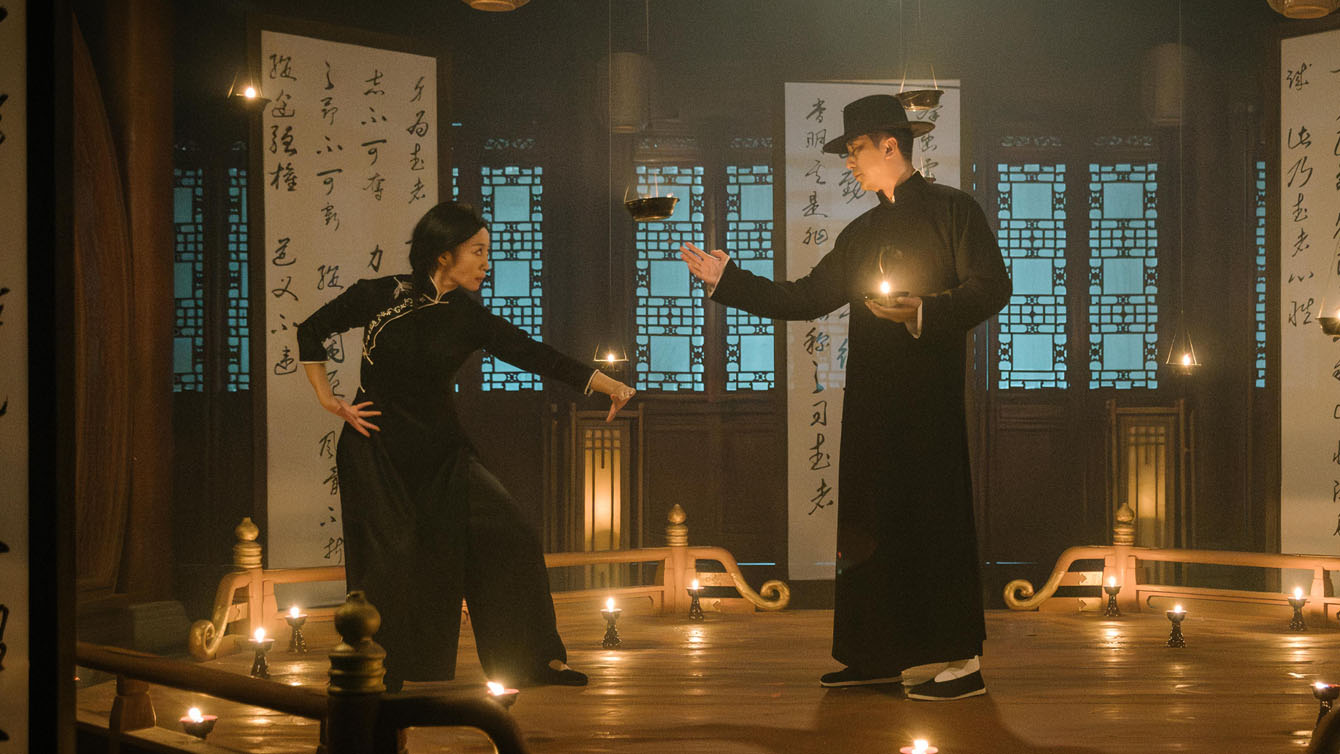
A significant enhancement to the film’s dramatic quality is the depiction of Ip Man actually receiving a "significant share of punishment." Unlike some invincible heroes, seeing Ip Man endure physical hardship adds a layer of realism and vulnerability, making his eventual victories feel more earned and the stakes more palpable. This strategic choice injects greater drama into the narrative, allowing audiences to connect more deeply with the character’s struggles.
The film’s antagonists play a crucial role in elevating the combat. The "knife-wielding villain," portrayed by Yan Yanlong, emerges as one of the most memorable adversaries in the broader franchise. His fighting style – characterized by speed, aggression, and unconventional movements – provides a compelling contrast to Ip Man’s disciplined and precise Wing Chun. More importantly, this villain genuinely appears capable of harming Ip Man, a quality that often goes missing in films where the hero’s invincibility diminishes tension. This perceived threat imbues their encounters with a degree of suspense often absent from productions featuring an essentially unstoppable protagonist, making Yan Yanlong’s performance a key attraction of the movie.
Character Dynamics and Evolving Roles
Beyond the titular hero, "Ip Man: Kung Fu Legend" makes a concerted effort to enrich its character dynamics, particularly through the expanded participation of its female cast. In a genre often criticized for relegating female characters to passive roles, this film endeavors to grant them a more noticeable presence in the unfolding conflict. Instead of merely existing as witnesses to Ip Man’s struggles, they contribute to the narrative in more active capacities. This inclusion brings a welcome variety to a story that, by its very nature, is largely dominated by male fighters, criminal organizations, and colonial officials. Their involvement, even if not central to the martial arts sequences, helps to broaden the film’s appeal and introduce different perspectives.
The domestic scenes involving Ip Man’s wife also serve a vital function. They provide a crucial glimpse into the personal consequences of his repeated determination to confront injustice. These moments of quiet struggle and familial tension humanize Ip Man, reminding the audience that his heroism comes with a personal cost. His wife’s frustration and desire to return to Foshan reflect the anxieties and sacrifices often demanded of families in tumultuous times, adding emotional depth that complements the external conflicts.
Dennis To’s portrayal of Ip Man remains a consistent strength. His martial arts background is evident in the clarity and fluidity of the choreography, allowing the action to unfold with precision and impact. His restrained presence further suits this particular interpretation of Ip Man, who is presented as a calm, principled, and almost impossibly composed individual until circumstances leave him no choice but to fight. To does not attempt a radical reinvention of the character but rather solidifies his established persona within the franchise, offering a reliable and compelling central performance.
Among the supporting cast, Zhou Xiaofei makes a strong impression with her physical presence, contributing to the action or intense dramatic moments. Meanwhile, Wang Wanzhong and Zhang Tingfei are credited with contributing to the more character-oriented portions of the narrative, presumably adding nuance and emotional resonance to the broader story.
Political Undercurrents and Nationalistic Themes
While the action and character work receive commendation, the political commentary embedded within "Ip Man: Kung Fu Legend" is notably less subtle. The film adopts a particularly intense anti-foreign sentiment, even by the standards of a franchise that has often explored themes of national identity and resistance against external pressures. Foreign characters, particularly the British merchants and officials, are presented almost universally as arrogant, violent, or morally corrupt. This stark portrayal simplifies complex historical dynamics into a clear-cut dichotomy of good versus evil.
Conversely, the Chinese protagonists are positioned as unblemished representatives of dignity, loyalty, and communal resistance. This binary framing frequently crosses into overt jingoistic propaganda, painting a picture where all external forces are predatory and all internal resistance is inherently noble. This narrative approach is common in certain segments of contemporary Chinese cinema, where historical events are sometimes reinterpreted to reinforce nationalistic sentiments and celebrate resilience in the face of perceived foreign aggression. While such themes resonate deeply with segments of the audience, they can also lead to a less nuanced and more polemical interpretation of historical events and international relations. The impact of such strong political messaging on critical reception and broader cultural discourse is a recurring point of discussion for the "Ip Man" franchise and similar historical action dramas.
Visual Storytelling and Technical Acumen
From a visual perspective, "Ip Man: Kung Fu Legend" demonstrates a high degree of accomplishment, showcasing robust technical craftsmanship. Lei Guo’s cinematography is particularly noteworthy, making excellent use of the period sets, the often cramped interiors, and the changing sources of light. This is evident in sequences like the candle fight, where the interplay of shadows and limited illumination enhances the atmosphere and tension, and the prison scenes, where the harsh, confined environment is effectively conveyed. The camera work is generally praised for allowing viewers to follow the intricate choreography rather than obscuring it through excessive or shaky movement, a common pitfall in modern action films. This commitment to clarity ensures that the audience can fully appreciate the skill and precision of the martial arts on display.
Furthermore, the editing maintains a brisk pace, which is crucial for an action-heavy film, ensuring that the narrative momentum is sustained. Crucially, the editing also provides the major fight sequences with sufficient room to develop, allowing the choreography to unfold organically without becoming repetitive or rushed. This balance between pace and allowing moments to breathe is a hallmark of effective action film editing. The action choreography itself is described as being on a "very high level," skillfully navigating the space between realism and a degree of cinematic excessiveness. This blend ensures that the fights are both believable in their technique and exhilarating in their execution, ultimately remaining entertaining from beginning to end. The overall production design, combined with thoughtful cinematography and sharp editing, contributes significantly to the film’s polished presentation and immersive quality.
Franchise Longevity and Future Implications
"Ip Man: Kung Fu Legend" does not seek to radically redefine the established formula that has propelled its famous protagonist to cinematic stardom. It adheres closely to the narrative and thematic conventions that have proven successful for the franchise: a stoic hero battling overwhelming odds, often against a backdrop of socio-political turmoil, with martial arts serving as the primary means of conflict resolution. The political messaging, as discussed, remains heavy-handed, and the portrayal of foreign antagonists as almost comically villainous reinforces a clear, simplified narrative. The story, in essence, functions as a robust framework designed to connect a series of compelling battles.
However, despite these formulaic elements, the film’s strengths lie in its consistently entertaining action sequences, its polished visual presentation, and Dennis To’s credible and consistent portrayal of Ip Man. These core competencies continue to draw audiences, ensuring the commercial viability and continued production of new entries in the saga. The "Ip Man" franchise has become a cultural phenomenon, tapping into a deep well of appreciation for martial arts cinema, historical dramas, and narratives of national pride. Its ability to repeatedly find its audience, whether in theaters or through digital distribution, is a powerful indicator of its enduring appeal. As long as this audience demand persists, the cinematic legacy of Ip Man appears destined to continue, with new films regularly emerging to further enrich and extend this remarkable cinematic universe.