The film Turn It Up! explores the potent nexus of music and the macabre, a thematic territory increasingly fertile ground for cinematic exploration. Director Sam Scott’s debut feature delves into the concept of sound as a conduit for the supernatural, drawing parallels with established genre works that explore music’s darker, more inexplicable potential. This exploration positions Turn It Up! within a growing wave of music-centric horror films, including Rob Zombie’s The Lords of Salem, Deathgasm, Studio 666, Hellbender, and Green Room, all of which, despite their diverse approaches, highlight music’s inherent connection to the uncanny and the unseen. Scott’s film posits that certain sonic arrangements can generate a cosmic vibration capable of fracturing reality itself, serving as a compelling allegory for the sacrifices artists often make in pursuit of recognition and success.
The Genesis of a Sonic Apocalypse
Turn It Up! begins by establishing a palpable sense of impending doom, gradually escalating the dread as the narrative approaches a climactic sonic event. The film’s initial narrative arc effectively builds tension, yet it pivots to explore an original thematic composition, subverting audience expectations. This unexpected turn propels Turn It Up! into a captivating and unforeseen trajectory, functioning as a profound parable on the arduous journey artists undertake to achieve prominence, even if it entails a metaphorical, and at times literal, surrender of their very essence.
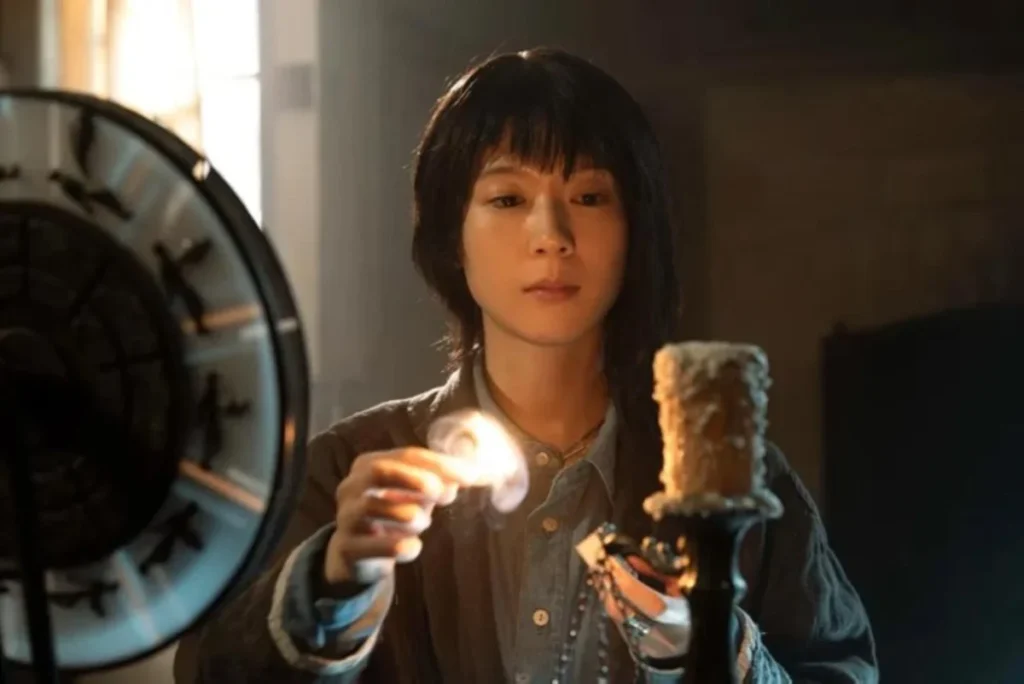
The narrative centers on AC (Justine Nelson), the lead singer of a struggling independent rock band. Characterized as a deeply repressed individual teetering on the edge of emotional collapse, AC grapples with pervasive apathy and the sting of failure, making her pursuit of artistic passion increasingly elusive. The film meticulously captures the monotonous realities and inherent struggles of a band navigating the grueling circuit of touring, effectively using this mundane backdrop to foreshadow a far grander, more unsettling phenomenon. This depiction resonates with the broader societal pressures, particularly in an era dominated by social media influencers, where the imperative to maintain trending status has never been more acute. The film’s exploration of the cost of fame and the allure of quick fixes to superstardom taps into the timeless Faustian narrative of temptation.
The Discovery of a Paranormal Cadence
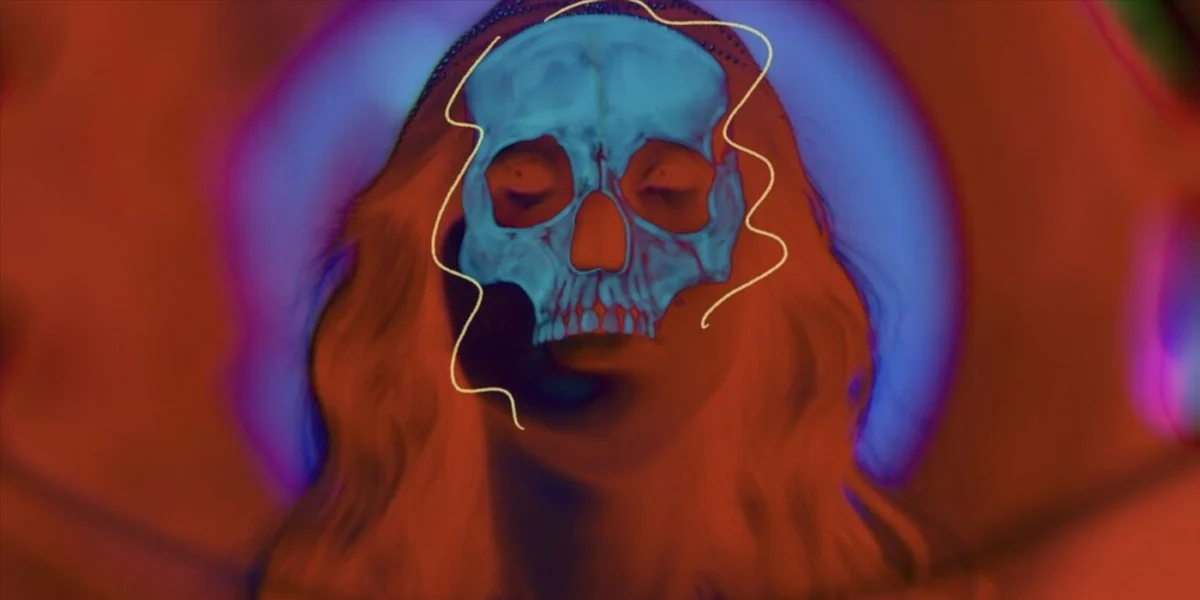
AC’s band stumbles upon a unique sound with demonstrably paranormal properties. This discovery propels them from obscurity, leading them to believe they are the singular voice of a new generation. What follows is an eerie, ritualistic endeavor designed to invoke something otherworldly, a descent into what the film wryly terms "quadraphonic entitlement." This phase can be described as a descent "Beyond the Black Metal Rainbow," a fitting descriptor for the film’s thematic preoccupations. Intriguingly, AC’s pre-existing tinnitus, often perceived as a personal impediment, emerges as a unique asset, potentially equipping her to confront and manage this burgeoning paranormal phenomenon. What was once a detractor may very well become the key to averting a global catastrophe.
![‘Turn It Up!’ Review: Cosmic Horror/Comedy Mostly Hits The Right Notes [Tribeca]](https://www.dreadcentral.com/wp-content/uploads/2026/06/Turn-It-Up-Skull-Band-Ritual.jpg)
A Distinctive Vision from a Debut Director
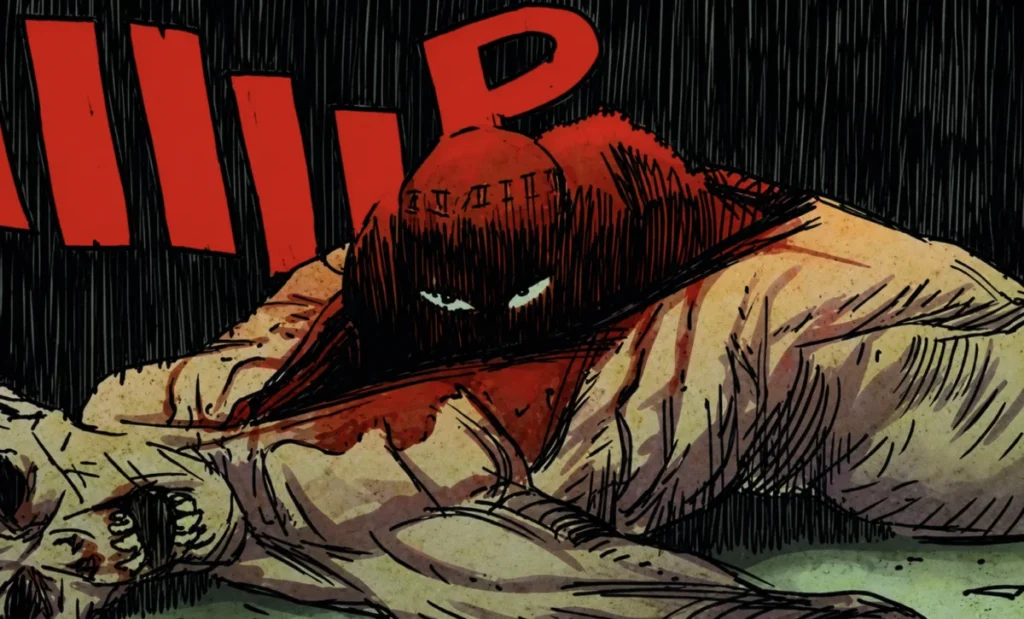
Writer and director Sam Scott introduces a distinct artistic voice in Turn It Up!, marking a promising debut feature. The film possesses a creative, retro DIY aesthetic that evokes the anarchic spirit of punk rock and the visual storytelling of EC Comics. This stylistic choice imbues the narrative with enhanced personality and an authentic sense of rebellion. At moments, Turn It Up! conjures the feeling of a collaboration between John Carpenter and Edgar Wright, blending atmospheric dread with sharp comedic timing and a distinct visual flair.
Despite the pervasive sense of darkness that underscores Turn It Up!, the film is punctuated by surprising moments of levity. The camaraderie among the band members is genuinely engaging, amplified by a playful sense of humor that largely lands with its intended effect. This comedic emphasis means that Turn It Up! leans more heavily into humor than outright horror, a decision that might leave some viewers wanting more traditional scares. However, this balance ultimately proves effective, with many of the comedic elements stemming from the palpable ineptitude of the shadowy governmental organization attempting to manipulate the band’s newfound power.
Pacing and Payoff: An Encore Desired
Clocking in at a brisk 91 minutes, Turn It Up! offers a breezy and accessible viewing experience. However, the film is not without its structural criticisms. It dedicates a significant portion of its runtime to the band’s studio sessions, moments that, while enjoyable, feel somewhat tangential to the main plot and contribute to a sense of narrative stagnation. This prolonged build-up delays the film’s central conflict, and the subsequent payoff feels somewhat diminished by the extended preamble. The film’s climactic sequence, arguably more suited as a second-act development, concludes before the full extent of the unleashed mayhem can be explored. Turn It Up! appears to conclude just as the situation becomes truly compelling, leaving audiences wishing for an extended "encore" to further explore the ramifications of the sonic disruption.
A Promising Debut with Room for Growth
Ultimately, Turn It Up! delivers an enjoyable take on cosmic horror that, while not taking itself overly seriously, still manages to convey a meaningful message. It stands as a solid statement piece from emerging filmmaker Sam Scott, though it could benefit from greater narrative depth. One might compare it to a compelling EP that, while strong in its individual tracks, doesn’t quite achieve the cohesive impact of a full-length album. Nonetheless, the foundational elements for more ambitious genre filmmaking are demonstrably present. Turn It Up! offers hope for future, more expansive projects from Scott, and in the interim, it provides an engaging, albeit occasionally frustrating, immersion in the cacophony of its narrative.
Summary: Sam Scott’s Turn It Up! is a fun yet flawed directorial debut that masterfully navigates the space between indie band mumblecore comedy and existential cosmic horror spectacle, offering a unique and memorable cinematic experience.