The upcoming premiere of The Vampire Lestat on AMC and AMC+ on June 7, 2026, promises to immerse audiences in the complex world of Anne Rice’s iconic vampire, Lestat de Lioncourt. Actor Sam Reid, who steps into the formidable shoes of the titular character, has been actively engaging with the press to shed light on his meticulous approach to embodying this immortal rock star. Through trailers, original music releases like "Long Face" and "All Fall Down," and detailed discussions, Reid has articulated a profound understanding of Lestat’s enduring theatricality, tracing its roots back to the 18th century and exploring its transformation throughout the series.
The Genesis of a Theatrical Vampire
Reid’s interpretation of Lestat’s penchant for performance is not merely a modern rockstar affectation; he posits that the foundation of Lestat’s stage presence was laid centuries ago. In a press conference hosted by the Television Critics Association, Reid elaborated on this historical grounding, stating, "His onstage persona is built in the 18th century… it is the French iteration of the Commedia dell’arte, and that’s where I place him as a performer. Anything that goes beyond that is an extension of that character, because I feel like that’s where he built his stage presence."
The Commedia dell’arte, a form of Italian improvisational theater that flourished from the 16th to 18th centuries, is characterized by masked stock characters, physical comedy, and a vibrant, often exaggerated, performance style. By situating Lestat’s origins within this theatrical tradition, Reid suggests that the vampire’s inherent need to captivate an audience, to embody a persona larger than life, is deeply ingrained in his very being, predating his vampiric immortality. This historical context provides a rich tapestry for understanding Lestat’s motivations and his enduring connection to the world of performance, whether it be in the salons of 18th-century France or on the global stages of the 20th and 21st centuries.
Influences and the Art of Non-Humanity
To further refine his portrayal of a creature who is fundamentally not human, Reid drew inspiration from iconic performers. He specifically cited David Bowie’s live performances, particularly his rendition of "Cracked Actor," as a crucial touchstone. Reid explained, "I just got to make sure that I don’t forget that sometimes, because there is a lot more vulnerability in this season than we’ve had before, so I just wanted to make sure we maintain that he is a kind of other thing, which I thought David Bowie just does extraordinarily."
This deliberate engagement with Bowie’s oeuvre underscores Reid’s commitment to capturing Lestat’s alien nature. Bowie, known for his constant reinvention and otherworldly stage presence, embodied a unique blend of charisma and detachment that resonates with the immortal existence of a vampire. Reid’s intention to balance this inherent otherness with moments of vulnerability, as hinted at for the upcoming season, suggests a nuanced portrayal that moves beyond a simple caricature of a flamboyant rockstar. The ability to project an almost alien mystique while simultaneously conveying the raw emotion of a deeply complex character is a testament to Reid’s ambitious vision for Lestat.
The Shifting Sands of Performance
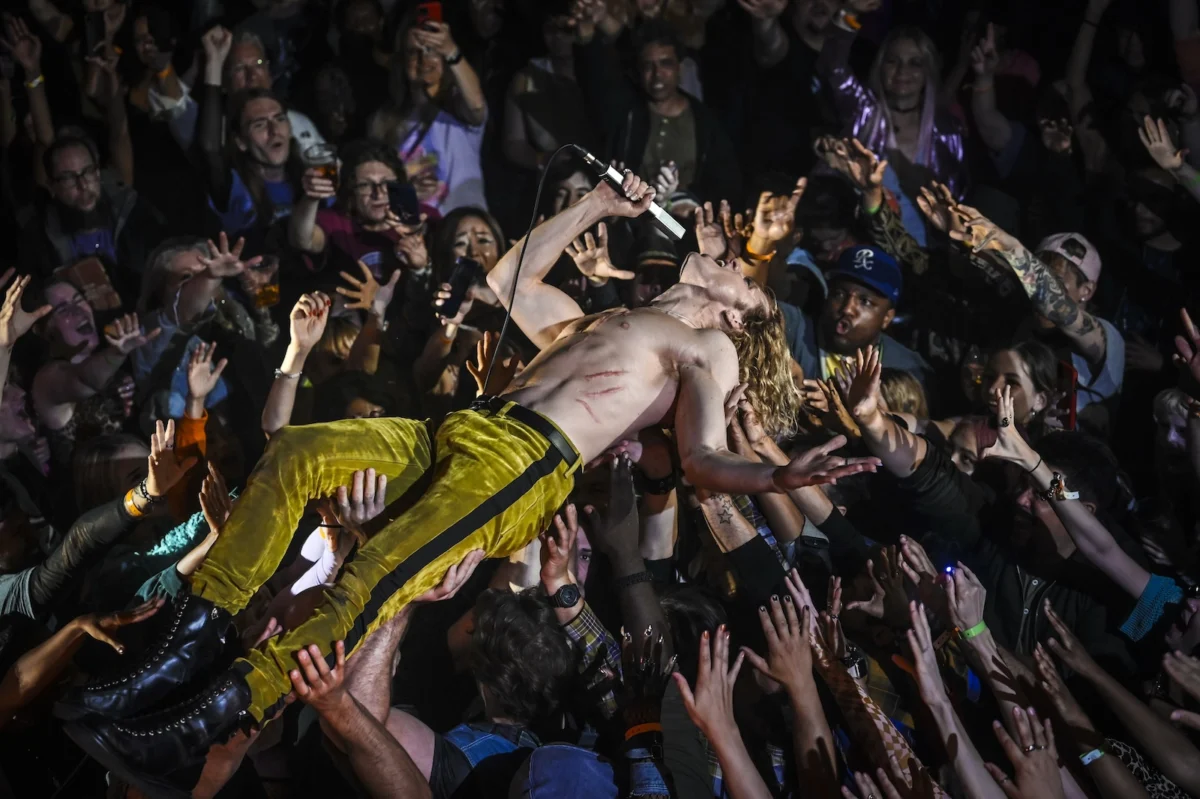
As The Vampire Lestat unfolds, Lestat’s stage presence is not static; it evolves alongside the narrative. Reid detailed this progression, explaining his initial focus on theatricality. "I wanted to make sure it felt still theatrical in a way, because he’s still performing the idea of a rock star, at least at the beginning," he stated. This suggests an initial phase where Lestat consciously adopts and projects the image of a rock icon, perhaps as a means of control, distraction, or simply to feed his insatiable need for adoration.
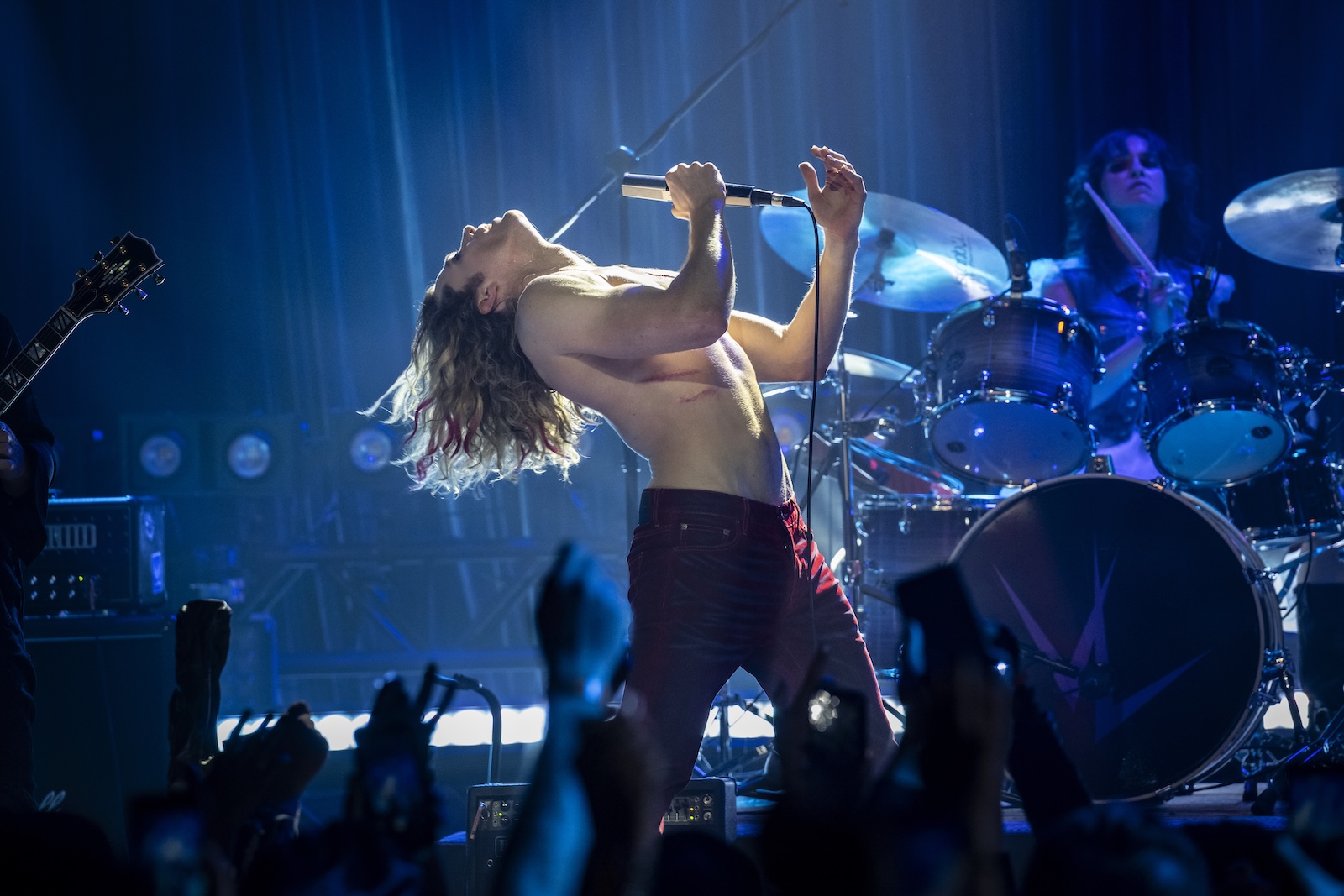
However, as the season progresses, Reid indicated a significant shift. "And as the show progresses, the performance starts to disappear, and then I just really focus on the books and [showrunner Rolin Jones’] work, and the songs that Daniel Hart wrote, and trying to hone in on that, and pull the guy out of those things." This transition implies a journey towards greater authenticity, where the carefully constructed facade begins to crumble, revealing the more profound and perhaps more vulnerable aspects of Lestat’s character. This evolution, driven by the source material and the original music composed for the series by Daniel Hart, promises a compelling arc for the character, allowing audiences to connect with Lestat on a deeper, more human (despite his vampiric nature) level.
Contextualizing the Premiere
The anticipation for The Vampire Lestat has been building, fueled by extensive promotional efforts that have offered glimpses into Reid’s transformative performance. The release of trailers has provided visual cues to Lestat’s rockstar persona, while the standalone original songs, "Long Face" and "All Fall Down," have offered auditory insights into the vampire’s inner turmoil and existential angst. These musical offerings, in particular, serve as a potent tool for character development, allowing listeners to experience Lestat’s emotional landscape firsthand.
The series, adapted from Anne Rice’s acclaimed novel of the same name, is a significant undertaking for AMC, a network with a proven track record in supernatural dramas, most notably with its previous success, The Walking Dead. The Vampire Chronicles, the broader series of novels to which The Vampire Lestat belongs, has a dedicated global fanbase, and expectations for this adaptation are high. The decision to focus on Lestat, arguably the most flamboyant and central figure in Rice’s pantheon, signals a strategic choice to captivate both existing fans and new audiences with a character known for his charisma, cruelty, and complex morality.
Broader Implications and Fan Reception
The success of The Vampire Lestat will undoubtedly hinge on its ability to translate the intricate literary world of Anne Rice to the screen in a way that is both faithful to the source material and compelling for a contemporary audience. Sam Reid’s commitment to understanding Lestat’s historical and psychological underpinnings suggests a performance that aims for depth and nuance. His approach, rooted in the traditions of Commedia dell’arte and influenced by the theatrical innovations of artists like David Bowie, indicates a layered portrayal that transcends simple genre conventions.
The reception of the original songs has been a promising indicator of audience engagement. "Long Face" and "All Fall Down," released via ORCD, have garnered significant attention, offering a taste of the musical landscape that will permeate the series. The integration of original music into a vampire narrative is a bold choice that mirrors Lestat’s own musical aspirations and provides a unique avenue for emotional storytelling. This integration, coupled with the visual spectacle promised by AMC’s production values, positions The Vampire Lestat as a major event in television programming.
Furthermore, the series’ exploration of Lestat’s evolving persona, moving from a calculated performance to a more introspective vulnerability, aligns with contemporary trends in character-driven storytelling. Audiences today often gravitate towards complex characters who grapple with internal conflicts and undergo significant personal growth. Reid’s articulation of this arc suggests that The Vampire Lestat will offer more than just supernatural thrills; it will delve into themes of identity, immortality, fame, and the eternal struggle between outward projection and inner truth. The success of this ambitious portrayal will be closely watched by critics and fans alike as the series prepares for its June 2026 debut.