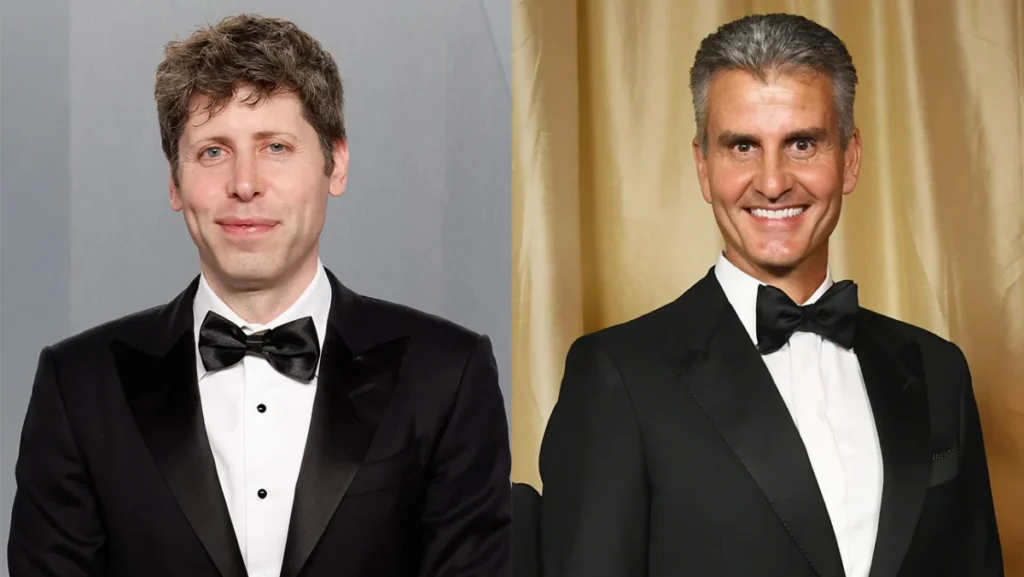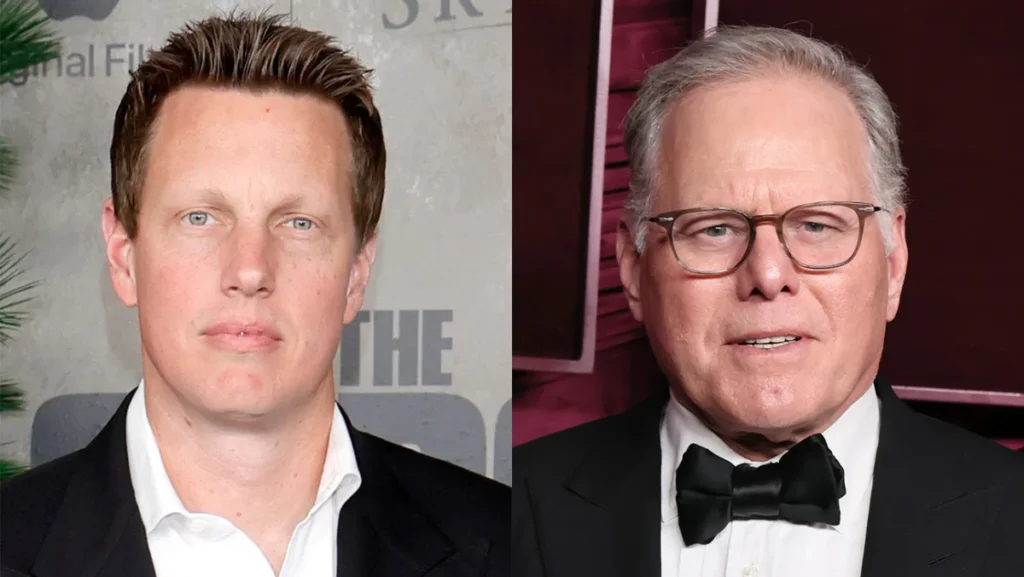
A court has ordered Paramount Global to hand over internal, board-level communications concerning the departure of three independent directors, a move that comes amid intensifying legal scrutiny over Shari Redstone’s role in the studio’s merger with Skydance Media. The ruling, issued by Magistrate Judge Christian Wright, establishes that investors have a "credible basis to investigate mismanagement or wrongdoing" regarding the events that paved the way for the multi-billion-dollar deal.
The judicial order centers on whether Redstone, the controlling shareholder of Paramount through her family’s holding company, National Amusements Inc. (NAI), improperly influenced the board to favor the Skydance bid over potentially more lucrative offers for the company’s common shareholders. Judge Wright’s decision highlights a pivotal question in the ongoing litigation: whether the removal of the special committee members was an effort to streamline board operations or a calculated move to eliminate "roadblocks" to a deal that specifically benefited Redstone’s financial interests.
The Judicial Mandate for Transparency
The ruling represents a significant victory for a coalition of institutional investors, including the Metropolitan Water Reclamation District Retirement Fund. These shareholders are pursuing what is known in legal terms as a "books and records" demand. This mechanism is frequently employed by shareholders to gather internal corporate documents—such as emails, text messages, and board minutes—before filing a formal lawsuit for breach of fiduciary duty.
In his decision, Judge Wright pointed to the timing of the board departures as a primary cause for concern. The three directors in question—Dawn Ostroff, Nicole Seligman, and Frederick Terrell—resided on the special committee tasked with evaluating merger proposals. They exited the board in April 2024, a sensitive period when negotiations with David Ellison’s Skydance Media were at a critical juncture. Shortly after their departure, the committee moved forward with the Skydance deal, leading investors to suspect that the committee’s independence had been compromised.
"Was Redstone simply looking to lessen the discord as the Special Committee went about its business?" Judge Wright wrote. "Or did Redstone act because these directors were a roadblock to a particular deal she wanted to see happen?"
Under the terms of the order, Paramount must produce informal board materials, which may include electronic communications between directors. While the court rejected the investors’ request for officer-level materials, the access to board-level emails and texts is expected to provide a clearer picture of the internal dynamics that led to the merger agreement.
The Dual-Class Dilemma and National Amusements
To understand the gravity of the court’s ruling, one must examine Paramount Global’s unique and often controversial ownership structure. The company operates under a dual-class share system, a legacy of the late Sumner Redstone. Through National Amusements, Shari Redstone controls approximately 77 percent of the voting shares in Paramount, despite holding only about 5 percent of the company’s total economic equity.
This disparity creates an inherent potential for conflict. In a standard merger, all shareholders typically receive a proportional payout based on their holdings. However, the Skydance deal was structured in two parts: Skydance first agreed to acquire National Amusements from the Redstone family, and then merge with Paramount Global.
Investors allege that this structure allowed Redstone to extract a "control premium" for her voting shares that was not shared with the holders of non-voting Class B common stock. Reports indicate that the deal included hundreds of millions of dollars in additional payments to Redstone, as well as an agreement by Skydance to indemnify her against legal liability arising from the merger. These terms have fueled accusations that Redstone steered the company toward the Skydance offer because it maximized her personal exit value, even if other offers—such as a $26 billion all-cash bid from Apollo Global Management and Sony Pictures—might have been superior for the broader shareholder base.
A Chronology of the Paramount-Skydance Merger
The path to the Skydance deal was marked by months of corporate maneuvering, rival bids, and internal friction.
Late 2023: Preliminary discussions begin between Shari Redstone and David Ellison, the CEO of Skydance Media and son of Oracle co-founder Larry Oracle. The talks focus on a deal that would merge Skydance with Paramount while providing a payout for National Amusements.
January – March 2024: Paramount forms a special committee of independent directors to evaluate the Skydance proposal. Simultaneously, other suitors emerge, including Apollo Global Management, which expresses interest in a wholesale acquisition of the company.
April 2024: Tensions within the board reach a breaking point. Reports surface that several directors are concerned about the fairness of the Skydance deal for minority shareholders. On April 10, it is announced that four directors, including three members of the special committee (Ostroff, Seligman, and Terrell), will not stand for reelection at the upcoming annual meeting.
May 2024: Apollo and Sony Pictures submit a formal $26 billion all-cash bid for the entirety of Paramount. Despite the significant premium over Paramount’s market value, the board remains focused on the Skydance negotiations, reportedly due to Redstone’s preference for the Skydance structure.
June 2024: Negotiations briefly stall as Redstone and Ellison disagree on certain financial terms. However, by early July, a definitive agreement is reached.
July 7, 2024: Paramount Global and Skydance Media officially announce a merger. The deal includes a $2.4 billion acquisition of National Amusements and a subsequent merger where Skydance and its partners invest $8 billion into Paramount.
Rival Bids and the "Veto Power" Controversy
The investor lawsuits argue that the special committee was never truly independent because Redstone held de facto veto power over any transaction. Although she was not a member of the committee, her control over NAI meant that no deal could proceed without her consent.
Evidence cited in the court’s order suggests that Redstone may have diverted the board away from bidders who were interested only in Paramount’s assets, rather than purchasing her holding company. The Apollo-Sony bid, for instance, offered a clean cash exit for all shareholders but would have likely stripped Redstone of the specific premiums and indemnifications offered by Skydance.
In a recent interview with The New York Times, Redstone admitted to forcing the departure of the three directors, claiming they were "too cautious" and "too worried about getting sued." She argued that their hesitance was preventing potential bidders from accessing Paramount’s books. However, investors interpret this admission as evidence of an improper purge of directors who were merely fulfilling their fiduciary duty to protect minority shareholders.
Broader Impact and Implications for Corporate Governance
The Paramount case is being closely watched by legal experts and Wall Street analysts as a landmark test of the duties owed by controlling shareholders in dual-class companies. If the internal communications reveal that Redstone actively suppressed superior bids to secure a personal windfall, it could lead to substantial damage awards and set a precedent for how "control premiums" are handled in future media consolidations.
Paramount has defended its actions, characterizing the legal challenge as a routine proceeding. "This is a typical books and records inspection proceeding, seeking documents about events that precede the transaction," the company stated.
However, the involvement of prominent figures like billionaire investor Mario Gabelli—the largest holder of Paramount’s non-voting shares—and the Employees’ Retirement System of Rhode Island adds significant weight to the litigation. Gabelli has been vocal in his criticism of the deal’s transparency, or lack thereof.
The ruling by Judge Wright underscores a growing judicial skepticism toward corporate structures that allow a small minority of equity holders to dictate the fate of a multi-billion-dollar public enterprise. By forcing the disclosure of "informal" communications, the court is signaling that the era of behind-the-scenes maneuvering in controlled companies may be subject to a new level of daylight.
Future Outlook
As Paramount prepares to turn over the mandated documents, the legal battle is expected to move into a discovery phase that could last several months. The content of these emails and texts will likely determine whether the investors proceed with a full-scale class-action lawsuit to block or seek damages from the merger.
For the media industry, the outcome of this case will define the closing chapter of the Redstone era at Paramount. While the Skydance merger promises to modernize the studio and provide it with the capital necessary to compete in the streaming age, the shadow of alleged mismanagement continues to loom over the transition. For now, the court has made it clear that the path to the "New Paramount" must be paved with transparency, regardless of who holds the voting power.