Episode 11 of the anime series Snowball Earth has ignited considerable discussion among its viewership, with the community score standing at a moderate 3.5 out of 5. This installment, titled "The Weight of Salvation," delves into the character of Sagami, a figure previously established as an antagonist, attempting to shed light on his motivations. While the episode offers a glimpse into Sagami’s troubled past, its effectiveness in fully redeeming the character and its placement within the narrative arc of the series have become central points of analysis. The visual presentation, particularly the integration of computer-generated imagery (CG), continues to be a talking point, though the episode itself seems to acknowledge this aspect with a meta-commentary that has been met with mixed reactions.
The Complexities of Antagonism: Sagami’s Past Revealed
Following a brutal confrontation in the preceding episode, Sagami finds himself in a state of vulnerability, prompting a narrative exploration of his origins. The episode presents a flashback sequence designed to illuminate the roots of Sagami’s desire to be a savior. The core of his ambition, as depicted, stems from profound parental abandonment issues, which manifest as an overwhelming need for validation and a sense of belonging. This revelation draws a parallel between Sagami and the protagonist, Tetsuo. Both characters, it is argued, have experienced profound isolation. Tetsuo, despite being lauded by a populace that takes his role for granted, has largely navigated his existence without genuine personal connection beyond Yukio. This lack of meaningful emotional support has shaped Tetsuo into a socially awkward individual. Sagami, conversely, seems to have channeled similar experiences into an inflated ego and a descent into perceived madness. This narrative framing suggests they are, in essence, two sides of the same coin, each a product of their isolated journeys.
However, the episode’s attempt to imbue Sagami with greater complexity through this backstory has been met with critical scrutiny. While the revelation provides a clearer understanding of his actions, it does not necessarily transform him into a more compelling or sympathetic antagonist for many viewers. The acknowledgment of his "human need to be loved" is readily understood, but this sentiment was arguably present in earlier characterizations. Specifically, his prior depiction as an attention-seeking individual in his past life, who achieved a fleeting moment of glory only to find it ephemeral, already hinted at a deep-seated insecurity.
The episode further complicates any potential redemption for Sagami by revealing his direct involvement, alongside an unnamed accomplice, in the catastrophic crash of Tetsuo’s space station onto Earth. This act, preceding his attempts to murder Tetsuo multiple times, casts a long shadow over any newfound understanding of his motives. Critics point out that this revelation, positioned late in the current cour (a production and broadcast segment of an anime series, typically 12-13 episodes), feels more like a narrative device to create a dramatic late-game twist rather than a natural progression of character development. The comparison is drawn to antagonists like Sephiroth from Final Fantasy VII, whose deeply rooted psychopathy is established early on, allowing for a consistent understanding of his malevolent nature, even if the precise nuances of his trauma are explored later.
Tetsuo’s Maturation: A Milestone in Communication
Amidst the discourse surrounding Sagami’s character, episode 11 marks a significant turning point for Tetsuo. The episode showcases a notable advancement in his personal arc, particularly concerning his ability to communicate effectively. Tetsuo’s response to Sagami’s revealed backstory is presented not as mere confrontation, but as a moment of genuine, albeit direct, dialogue. He directly addresses Sagami’s self-serving desire for the savior role, reframing it as an immense burden rather than a desirable position. Tetsuo articulates that public adoration is a fleeting novelty, easily overshadowed by the inherent isolation and inherent dangers of such a responsibility.

This scene is lauded as a culmination of Tetsuo’s journey toward improved interpersonal skills. For the first time, he engages in a clear, succinct, and remarkably direct conversation with another individual. This is a stark contrast to his earlier social awkwardness, suggesting a significant emotional and communicative maturation. The episode deviates from typical narrative conventions by having Tetsuo not only confront Sagami but also offer a form of absolution. Instead of a final, dramatic demise for the villain, Tetsuo appears to transfer his own "savior status" to Sagami. This narrative choice, while perhaps fulfilling a thematic requirement within the anime medium where antagonists can sometimes transition to protagonists, has been questioned for its abruptness and perceived lack of organic development. The sentiment is that while the idea of redemption is present, the execution feels dictated by the script’s demands rather than a natural character progression.
The Technical Landscape: CG and Narrative Integration
The production of Snowball Earth continues to grapple with its use of CG animation, a recurring point of contention among viewers. Episode 11, however, sees the reviewer choosing not to dwell on these visual aspects. This decision is partly influenced by the show’s own meta-commentary, where a character, Tetsuo, briefly acknowledges the use of CG towards the episode’s conclusion. This self-referential moment is described as "groaningly self-aware" and, for some, encapsulates the overall essence of the series – a show that is perhaps too conscious of its own perceived flaws.
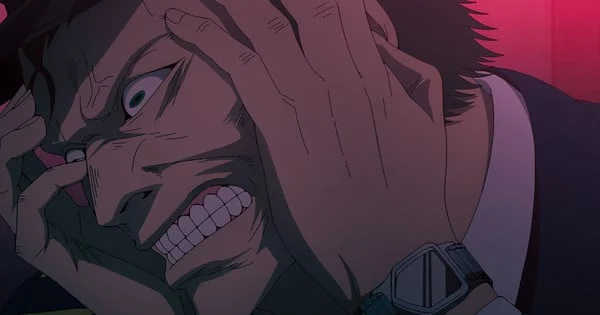
The visual elements, including the key art featured with the review, depict a scene that suggests dramatic tension and character interaction. The quality of the animation, whether traditional or CG-enhanced, plays a crucial role in conveying the emotional weight of these moments. While the narrative focuses on character development, the underlying visual execution remains an integral part of the viewer’s experience. The effectiveness of the CG, especially in depicting the action sequences and character expressions, directly impacts how the audience perceives the intensity of the confrontations and the sincerity of the emotional revelations.
Broader Implications and Viewer Reception
The community score of 3.5 for episode 11 indicates a division in audience reception. While the exploration of Sagami’s past and Tetsuo’s growth offer narrative depth, the execution of Sagami’s redemption and the timing of his backstory reveal have evidently polarized viewers. The success of an anime series often hinges on its ability to craft relatable characters and compelling arcs. In Snowball Earth‘s case, the attempt to humanize Sagami, while intellectually understood, has not universally translated into emotional resonance.
The broader implications of this episode extend to the overall trajectory of the series. If Sagami is indeed being positioned for a shift in allegiance or a more nuanced role, the series must effectively navigate this transition in the remaining episodes. The series’ ability to maintain viewer engagement will depend on its capacity to resolve these character arcs in a manner that feels earned and satisfying. The meta-commentary on CG, while potentially a source of humor or introspection for some, could also be perceived as a distraction from the core narrative if not handled judiciously.
The streaming availability of Snowball Earth on Crunchyroll ensures that a wide audience has access to these episodes, facilitating continued discussion and analysis. As the series progresses, viewers will be looking for a cohesive resolution to the established conflicts and character journeys. The impact of episode 11 will ultimately be judged by how it contributes to the overarching narrative and whether its ambitious character explorations lead to a fulfilling conclusion for the series as a whole. The reception of this episode suggests that while Snowball Earth is not shying away from complex thematic territory, its narrative pacing and character development require careful calibration to resonate fully with its audience.