The notion that a cinematic masterpiece emerges fully formed, a singular vision flawlessly translated to the screen, is a pervasive myth within Hollywood. The reality, however, is far more complex and often involves a rigorous, collaborative, and sometimes arduous process of refinement. Films that appear effortless on screen frequently undergo years of development, including extensive reshoots, script alterations, and a meticulous editing process. This dedication to the craft is what elevates a good film to the status of a truly exceptional one, often by artfully concealing the immense effort invested.
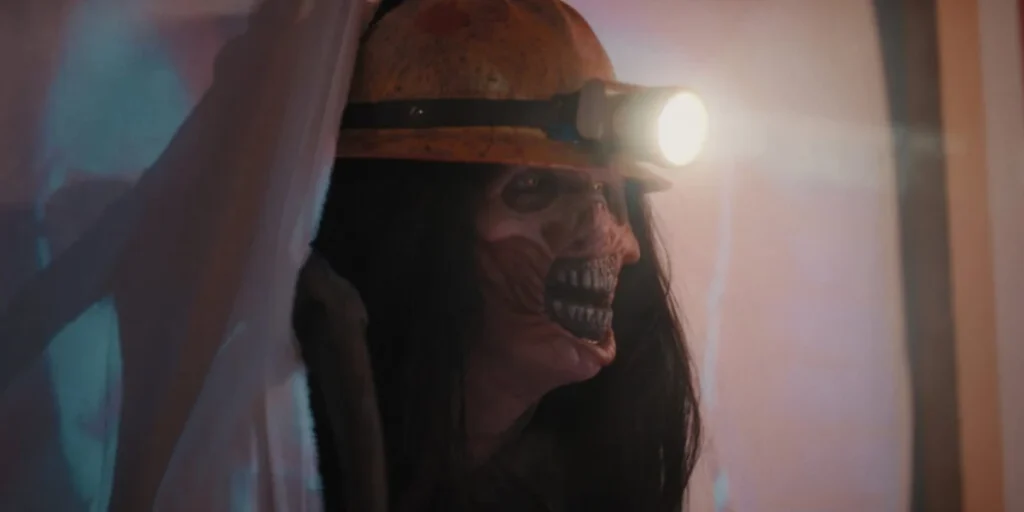
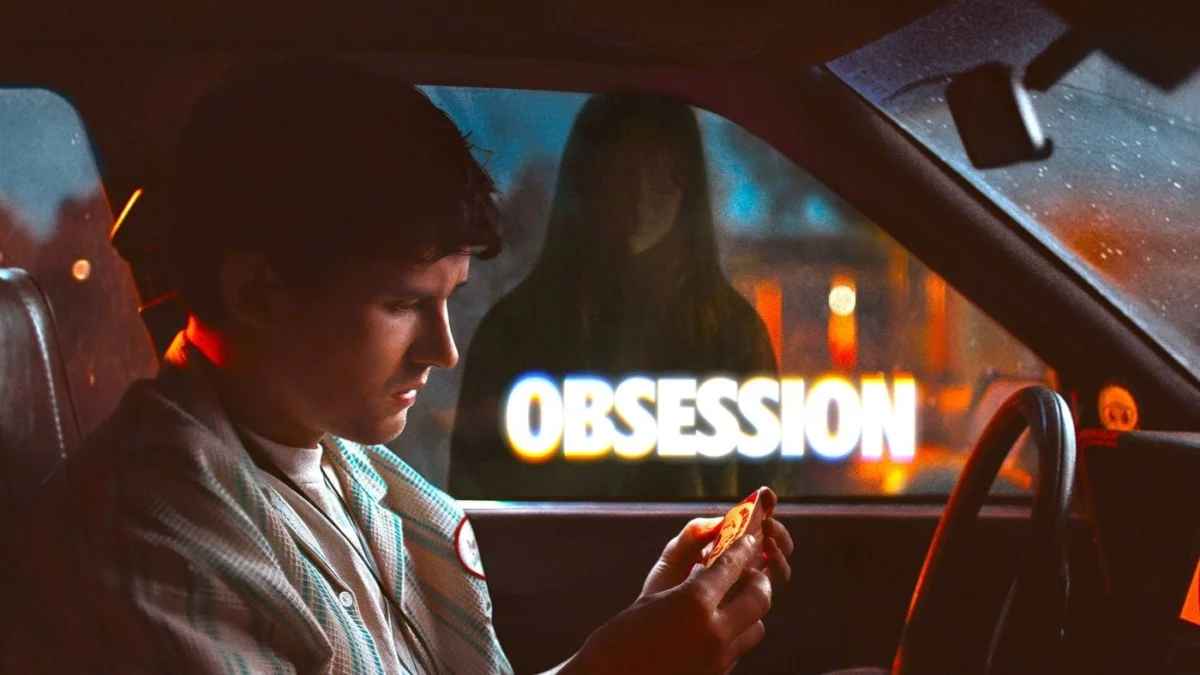
While classic films like "Back to the Future" and "E.T. the Extra-Terrestrial" are often cited as exemplars of seemingly seamless filmmaking, the horror genre presents a more challenging landscape for achieving such perceived perfection. Even revered titles such as "Aliens," "The Shining," "In the Mouth of Madness," and "The Evil Dead," when subjected to critical scrutiny, reveal minor imperfections. However, the recently released horror film "Obsession" is now being recognized for a different kind of achievement: its journey from a promising concept to a critically acclaimed final product, a testament to the power of post-production and collaborative problem-solving.
The Genesis of a Horror Film: From Concept to Completion
The creation of any film is rarely the solitary endeavor of a director or writer. It is an intricate ecosystem involving producers, editors, cinematographers, actors, and numerous other creative and technical professionals, all contributing to the final vision. This is particularly true for films that resonate deeply with audiences, eliciting a range of emotional responses—from laughter and terror to profound sadness—while maintaining a cohesive narrative and a satisfying conclusion.
The critical reception of "Obsession" suggests it has achieved such a rare balance. The film has been lauded for its ability to blend humor, terror, and emotional devastation, culminating in a resonant final moment that has been described as a "chef’s kiss." Yet, this polished outcome was not the initial manifestation of the film. Like many successful productions, "Obsession" underwent significant transformation during its post-production phase.
The "Paranormal Activity" Blueprint: A Case Study in Transformation
A prime example of a film that benefited immensely from a rigorous post-production process is "Paranormal Activity." Initially a low-budget, independently produced film, its transformation into a global franchise and a significant contributor to producer Jason Blum’s industry influence underscores the power of dedicated refinement. With the crucial support of industry figures like Steven Schneider, "Paranormal Activity" was meticulously reworked. This involved enhancements to its sound design, extensive re-editing, the addition of new footage, and ultimately, its elevation into the cultural phenomenon that audiences recognize today. This scenario highlights how external support and a commitment to optimizing the final product can propel a film across the finish line from a promising concept to a resounding success.
"Obsession’s" Evolutionary Path: Redefining the Narrative
The trajectory of "Obsession" appears to follow a similar pattern of evolution. Director Curry Barker has openly discussed the significant creative decisions that were made after principal photography had concluded. In an interview with Entertainment Weekly, Barker revealed that one of the film’s most pivotal narrative choices was conceived post-production.
The original ending, as described by Barker, was a tragic "Romeo and Juliet" scenario where the character Nikki, portrayed by Inde Navarrette, also takes her own life, mirroring the fate of another character. This alternative conclusion was filmed in multiple variations, alongside the ending that ultimately reached theaters. However, upon reviewing a cut where Nikki survived, Barker and several individuals around him, including his father, observed a more profound impact. The consensus, as conveyed to EW, was that Nikki’s survival rendered the narrative "way more disturbing." This feedback resonated with Barker, leading to the adoption of the surviving Nikki ending.
This decision proved to be a critical one. The revised ending transforms Nikki from a mere victim into a potentially more potent symbol of the film’s harrowing events. Her survival leaves her to confront the aftermath, bearing the weight of the experiences while others are gone. This lingering impact, the sense of her enduring the ordeal, has been cited as a key factor in the film’s emotional resonance and critical acclaim. It’s difficult to envision "Obsession" concluding in any other manner now, as Nikki’s survival amplifies the film’s unsettling nature and leaves a more indelible mark on the audience.
Exploring Alternate Realities: The "Is It All in His Head?" Question

Beyond the widely discussed alternate endings involving Nikki’s fate, "Obsession" also explored other narrative avenues during its development. The Insneider reported on an earlier iteration of the film where the ambiguity of the protagonist Bear’s mental state was a central element, a characteristic reminiscent of many A24 productions that director Barker grew up watching. This approach, where the film plays with the audience’s perception of reality and the protagonist’s sanity, was set up early in the narrative, potentially through the use of medication as a plot device.
This suggests that the creative team grappled with fundamental questions about the film’s core themes and the most effective way to convey them. The exploration of such divergent narrative paths highlights the iterative nature of filmmaking and the willingness of the creative team to experiment with different storytelling approaches to achieve the desired impact.
The Unseen Labor: Reshoots, Rewrites, and Editorial Sculpting
The evolution of "Obsession" extended beyond its endings. Reports indicate that the film underwent several significantly different versions during post-production. This included additional photography, aimed at enhancing specific scenes or clarifying character motivations. Crucially, there were extensive discussions regarding character clarity, particularly concerning the role of Cooper Tomlinson and how his character would be perceived by the audience. Editorial adjustments were also a significant component, designed to sharpen the film’s tone and achieve a more effective balance between its horror and comedic elements. The involvement of an uncredited editor who reportedly took a pass at reshaping the movie further underscores the collaborative and intensive nature of its post-production.
This collective effort, where numerous individuals "rolled up their sleeves" and dedicated themselves to refining the material, transformed what could have been a good horror movie into something exceptional. This process of meticulous post-production is often a luxury that not all filmmakers can afford.
The Constraints of Production: Budget, Time, and the Pursuit of Excellence

The reality of filmmaking is often dictated by financial and temporal limitations. While "Obsession" was reportedly made on a relatively modest budget, the decision to allocate resources for post-production enhancements demonstrates a commitment to maximizing the film’s potential. The presence of individuals who recognized opportunities for improvement and possessed the support to pursue them was instrumental in the film’s ultimate success. This suggests a strategic investment in the final product, recognizing that the creative process does not end when principal photography wraps.
The polished nature of "Obsession," particularly for a debut feature from its director, is a testament to this post-production diligence. It becomes challenging, in retrospect, to delineate where the director’s original vision ends and the collaborative refinement process begins. This seamless integration, however, is precisely the hallmark of successful filmmaking.
The "Process" of Perfection: Beyond the Initial Vision
The journey of "Obsession" serves as a powerful reminder that cinematic greatness is not an accident of inspiration but a product of deliberate effort. The most impactful films are often the result of numerous difficult decisions, painful cuts, strategic reshoots, thorough rewrites, and alternative editorial approaches. It requires a team willing to critically examine the material and push it towards its strongest possible iteration. This is not a flaw in the filmmaking process; it is, in fact, the process.
The revelation of alternate endings, different editorial strategies, and deleted scenes prompts curiosity about the full extent of the material captured during the production of "Obsession." The possibility of future releases, such as a director’s cut teased by Barker, complete with previously unseen sequences like the reportedly NC-17 "head-smashing" scene from its festival run, adds an intriguing layer to the film’s already compelling narrative of creation.
Ultimately, "Obsession" stands as a compelling case study, demonstrating that perfect movies are not spontaneously generated. They are meticulously constructed, built piece by piece through unwavering dedication, collaboration, and a relentless pursuit of cinematic excellence.