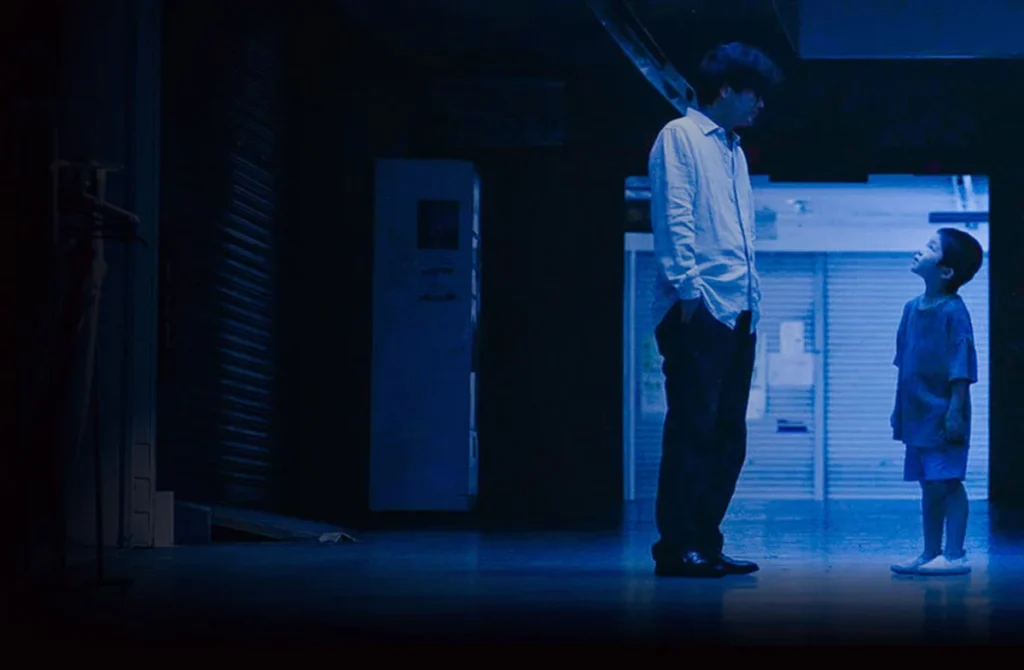
"Roads of Fire," an acclaimed documentary feature, offers a profound and unflinching look into the harrowing realities of the global migration crisis, tracing the interwoven lives of individuals caught in its unforgiving currents. Through the experiences of Maria Pascal, Jonathan Guerrero, Adama Bah, Mammad Mahmoodi, and Sasha Allenby, the film meticulously connects narratives unfolding across some of the most challenging humanitarian landscapes: the treacherous Darién Gap, the bustling yet often indifferent streets of New York City, and the strained spaces of frontline humanitarian aid. This ambitious project, which garnered the Best Documentary Feature Award at the Santa Barbara International Film Festival and the Audience Award at the Brooklyn Film Festival in 2025, emerges from director Lezra’s extensive engagement with stories of displacement, a commitment deeply rooted in his own family’s history and exemplified by his earlier work, "Don’t Leave Me Behind: Stories of Young Ukrainian Survival."
A Tapestry of Forced Journeys and Desperate Hopes
At its core, "Roads of Fire" masterfully weaves together three distinct yet intrinsically linked personal narratives, each illuminated by the inescapable force of migration. One thread intimately follows Jonathan Guerrero, a figure operating in the morally ambiguous space of human smuggling. Guerrero navigates the dense, impassable jungles of the Darién Gap, guiding desperate refugees through a gauntlet of natural perils and human-made dangers, including the pervasive criminal networks and cartels that exert control over these perilous routes. His story is one of constant risk, negotiation, and a complex interplay with the lives he helps to move, shedding light on the grey areas of survival and exploitation inherent in such journeys.
Simultaneously, the documentary chronicles the arduous journey of Maria Pascal, an asylum seeker arriving in New York City with her two young sons, Axel and Alex. Maria’s narrative epitomizes the struggles of countless individuals attempting to rebuild their lives in a new, often overwhelming environment. Her efforts are continuously hampered by administrative gridlock, the profound scarcity of essential support services, and a prevailing atmosphere of political tension surrounding immigration issues in major urban centers. Her daily battles for shelter, food, and stability for her children expose the systemic failures and human costs embedded within the asylum process of a global metropolis.
The third, equally vital, narrative strand focuses on the selfless dedication of humanitarian volunteers and frontline workers. These individuals are depicted responding to a growing emergency, often operating with limited resources in increasingly volatile environments. Their stories provide a crucial counterpoint, showcasing the unwavering commitment to human dignity amidst overwhelming despair. Through these intersecting perspectives, "Roads of Fire" traverses geographical boundaries—from the lush, dangerous landscapes of Colombia to makeshift migrant encampments, perilous border routes, and the concrete jungle of New York City. The film presents a multifaceted crisis, seen through the eyes of those who are displaced, those who offer them aid, and even those who, by design or circumstance, profit from their movement. The cumulative effect is a powerful, nuanced portrait of survival, danger, compromise, and an enduring human resilience in the face of one of the most pressing humanitarian challenges of our time.
The Darién Gap: A Route of Unfathomable Peril
The Darién Gap, a 60-mile stretch of roadless jungle connecting Colombia and Panama, serves as a central, terrifying character in "Roads of Fire." This dense, biodiverse, and largely uncharted wilderness has become an increasingly popular, albeit extraordinarily dangerous, transit point for migrants and asylum seekers from South America, the Caribbean, Africa, and Asia, all desperately seeking to reach North America. The film captures the raw, visceral reality of this journey, where migrants face not only the suffocating humidity, venomous snakes, treacherous rivers, and sheer cliffs, but also the omnipresent threat of criminal gangs. These cartels operate with impunity in the lawless expanse, preying on vulnerable travelers through robbery, extortion, sexual assault, and murder.
In recent years, the number of people crossing the Darién Gap has surged dramatically. In 2023, Panama’s migration authorities reported over 520,000 crossings, a record-breaking figure that far surpassed previous years. This sharp increase highlights the escalating global displacement crisis and the desperation driving individuals to undertake such an extreme journey. "Roads of Fire" contextualizes this by showing Jonathan Guerrero’s role, a ‘coyote’ who, while facilitating passage, also operates within the dangerous web of these criminal enterprises. His narrative forces viewers to confront the complex moral compromises made by individuals navigating a system where survival often hinges on interacting with illicit networks. The documentary vividly illustrates how the natural environment, combined with human exploitation, transforms the Darién Gap into a crucible of human suffering and endurance.
New York City: A City of Dreams and Bureaucratic Nightmares
Upon arrival in the United States, particularly in a major sanctuary city like New York, the journey for asylum seekers like Maria Pascal is far from over. "Roads of Fire" meticulously details the new set of obstacles Maria faces: the administrative gridlock, the acute shortage of resources, and the political tensions that characterize the city’s response to an influx of migrants. Maria’s struggle to secure stable housing for her sons, Axel and Alex, reflects the broader crisis of shelter and support in a city grappling with a housing shortage and strained social services.
New York City, historically a beacon of hope for immigrants, has been overwhelmed by the recent surge in asylum seekers, with tens of thousands arriving since 2022. The city’s shelter system, legally obligated to provide a right to shelter, has been pushed to its breaking point, leading to makeshift accommodations, prolonged waits for basic services, and public debates over resource allocation. Maria’s narrative powerfully illustrates the daily agony of navigating complex asylum applications, attending seemingly endless bureaucratic appointments, and living with the constant uncertainty of their legal status. The documentary also touches upon the political rhetoric surrounding these arrivals, highlighting how national and local policies, often driven by fear or economic concerns, exacerbate the vulnerability of those seeking refuge. The dream of a new life in America often collides with a harsh reality of systemic barriers and a social infrastructure ill-equipped to handle the scale of human need.
The Humanitarian Frontlines: A Beacon Amidst Despair
Amidst the overwhelming challenges faced by migrants and the systemic failures highlighted, "Roads of Fire" dedicates significant screen time to the crucial role of humanitarian volunteers and frontline workers. These individuals, often operating with stretched resources and facing immense emotional toll, represent a vital lifeline for those in transit or newly arrived. The documentary features figures like Adama Bah, Mammad Mahmoodi, and Sasha Allenby, whose tireless efforts provide medical aid, legal assistance, food, and emotional support in migrant encampments, border processing centers, and urban aid organizations.
The film underscores the profound impact of these organizations, such as Doctors Without Borders, UNHCR, and various local NGOs, which step in where governmental support often falters. It captures the daily grind of setting up temporary shelters, distributing basic necessities, and offering legal counsel to navigate complex immigration laws. The work is not without its own perils; humanitarian workers in border regions frequently face security risks, logistical nightmares, and the emotional burden of witnessing profound human suffering. Their stories are a testament to the enduring spirit of altruism and the belief in universal human rights, offering a glimmer of hope and dignity in circumstances often devoid of both. "Roads of Fire" portrays these individuals not as saviors, but as committed professionals and volunteers who, against formidable odds, strive to alleviate suffering and advocate for more humane policies.
Policy, Rhetoric, and the American Dream
The documentary provocatively begins by juxtaposing declarations from various U.S. presidents, from Nixon to Trump, regarding immigration. Despite their radical ideological differences, their pronouncements often appear disconnected from the lived realities of immigrants across generations and geographies. This serves as a powerful framing device, underscoring how political rhetoric and evolving immigration laws significantly shape the impossible paths migrants are forced to take. The film argues that while politicians debate policy in Washington, the human consequences unfold in the jungles of the Darién Gap, in cartel-controlled territories along the border, and within the administrative labyrinth of cities like New York.
The film critically examines how shifts in U.S. immigration laws, particularly those impacting asylum eligibility and border enforcement, have inadvertently strengthened the grip of criminal organizations. Stricter border controls and more arduous legal pathways push vulnerable individuals into the hands of smugglers and cartels, transforming what could be a legal process into a life-threatening ordeal. "Roads of Fire" powerfully illustrates that arrival in the U.S. guarantees nothing; even victims of severe trauma, such as sexual abuse – a harrowing reality for one of the documentary’s protagonists – face immense challenges in proving their case for asylum and securing protection. This systemic failure, where the most vulnerable are often met with skepticism and bureaucratic indifference, is a central, critical theme of the film.
Cinematic Craft and Critical Acclaim
Beyond its compelling subject matter, "Roads of Fire" distinguishes itself through its exceptional cinematic quality, a factor rarely met in documentaries of this nature. The cinematography is consistently on a very high level, with the camera maintaining an intimate yet respectful proximity to all its protagonists. This close-up approach fosters a deep sense of empathy and allows viewers to experience the emotional weight of each individual’s journey. The quality of the images, combined with an excellent coloring palette, results in visuals that are aesthetically striking, creating a stark contrast with the grim realities depicted. This visual artistry elevates the storytelling, making the harrowing narrative even more impactful.
The film’s festival success—winning Best Documentary Feature at Santa Barbara and the Audience Award at Brooklyn FF 2025—underscores its critical reception and resonance with audiences. However, the film is not without its minor critiques. At almost two hours, some reviewers noted that the documentary’s length occasionally leads to moments where the narrative pacing slows, and certain episodes, such as extended dramatizations of footsteps through rainforests, could have been condensed. Tighter editing might have enhanced its overall impact without sacrificing its depth. Despite these minor structural observations, "Roads of Fire" emerges as an excellent documentary that illuminates the global migration issue from multiple critical perspectives. While the film may not explicitly feature official governmental statements or policy proposals, its power lies in its immersive, human-centered approach, forcing viewers to confront the raw, unvarnished truth of a crisis often reduced to statistics and political talking points.
Broader Implications and A Call for Dialogue
"Roads of Fire" is more than just a documentary; it is a vital piece of investigative journalism and a powerful humanitarian statement. By meticulously detailing the experiences of individuals like Maria Pascal and Jonathan Guerrero, alongside the tireless efforts of humanitarian workers, the film provides an indispensable window into the complexities of forced migration. It challenges viewers to look beyond headlines and political rhetoric, to see the human faces behind the crisis, and to understand the profound sacrifices, dangers, and moral compromises made in the pursuit of safety and a better life.
The film’s exploration of the intersection of human desperation, criminal exploitation, and governmental policy failures demands a deeper societal introspection. It implicitly calls for more compassionate and effective international and national policies regarding asylum and migration. The absence of explicit official statements within the documentary itself, while noted by some, can also be interpreted as a deliberate choice to center the narrative on the voices and experiences of those directly affected, allowing their stories to speak for themselves and serve as an indictment of the status quo. Ultimately, "Roads of Fire" is a compelling and aesthetically accomplished work that not only documents a critical global issue but also serves as a catalyst for dialogue, empathy, and a renewed commitment to addressing the systemic challenges of human displacement. It leaves audiences with a haunting portrait of survival and resilience, urging a more humane response to the urgent humanitarian crisis unfolding across the globe.