Narrative Architecture and Thematic Depth
The plot of Rose of Nevada operates at the intersection of maritime folklore and speculative fiction. The titular vessel, the Rose of Nevada, disappeared without a trace 30 years before the film’s opening sequence, leaving a void in the social and economic fabric of its home port. When the ship drifts back into the harbor, seemingly untouched by the passage of three decades, the community is forced to confront the impossible.
Unlike traditional science fiction which often relies on high-concept technology or extraterrestrial intervention, Jenkin’s approach is rooted in "folk sci-fi." The film focuses on the human response to a breach in the natural order. George MacKay and Callum Turner portray characters deeply entwined with the legacy of the missing crew, while Francis Magee provides a grounding presence as a village elder whose memory serves as the bridge between the two eras. The "intellectual and haunting concept" cited by critics refers to the film’s refusal to provide easy answers, instead opting to examine how a community processes a collective trauma that has suddenly been re-manifested in the physical world.
The Cinematographic Process: A Return to Celluloid
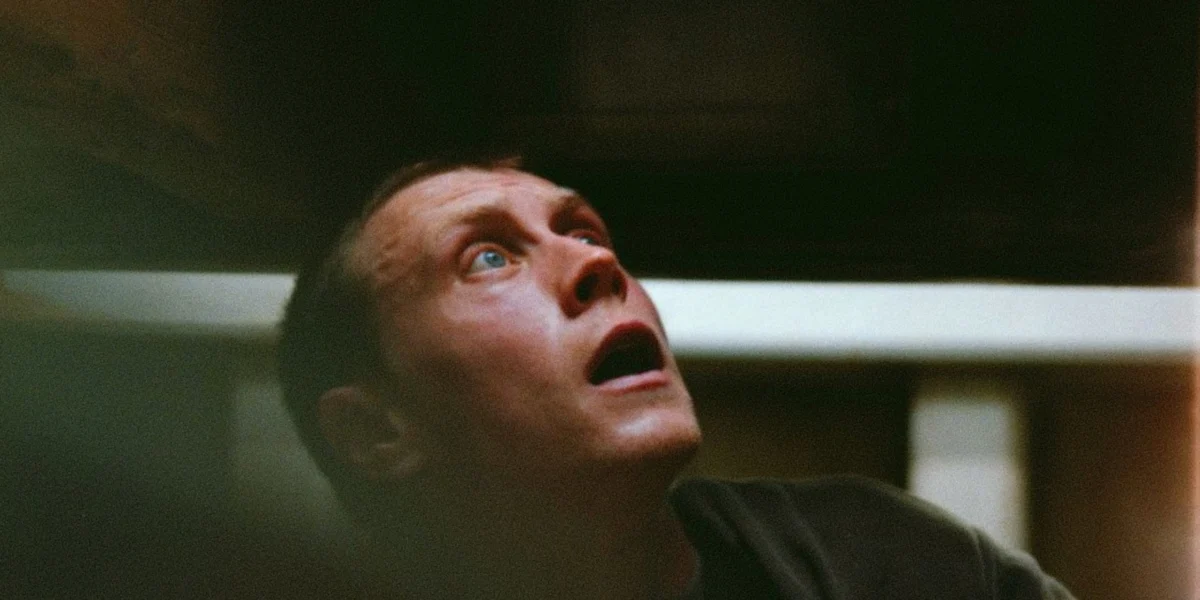
A defining characteristic of Rose of Nevada is Mark Jenkin’s commitment to traditional filmmaking techniques. Continuing the methodology established in his previous works, such as the BAFTA-winning Bait (2019) and the folk-horror Enys Men (2022), Jenkin utilized a 16mm Bolex camera to capture the film. This choice is not merely aesthetic but foundational to the film’s atmosphere.
The technical specifications of the production include:
- Film Stock: Shot entirely on 16mm black-and-white and color reversal stock.
- Processing: Hand-processed by the director, a method that introduces organic artifacts, scratches, and light leaks into the frame, emphasizing the tactile nature of the medium.
- Sound Design: The film employs post-synced sound, a technique where all dialogue and foley are recorded after the visual capture. This creates a disorienting, dreamlike quality that mirrors the film’s themes of temporal dislocation.
- Aspect Ratio: The use of a 4:3 aspect ratio focuses the viewer’s attention on the claustrophobia of the coastal setting and the intimacy of the character studies.
Industry analysts have noted that Jenkin’s "hand-crafted" approach serves as a counter-narrative to the polished, digital-heavy aesthetics of modern Hollywood science fiction. By using equipment and techniques that are themselves decades old, Jenkin creates a visual language that feels as though it has been unearthed from the same era as the missing ship.
Chronology of Production and Release
The development and rollout of Rose of Nevada followed a strategic path through the international festival circuit, building critical momentum before reaching general audiences.
- Production Phase (2023–2024): Filming took place on location in Cornwall, England. The production relied heavily on the natural landscape, utilizing the rugged coastline and authentic fishing infrastructure to ground the speculative elements of the script.
- World Premiere (September 2025): The film debuted at the 82nd Venice International Film Festival. It was selected for the Orizzonti (Horizons) section, a category dedicated to films that represent the latest aesthetic and expressive trends in international cinema.
- Critical Reception: Following the premiere, the film received a "Fresh" rating from major aggregate sites, with critics praising the performances of MacKay and Turner. The sound work, in particular, was highlighted as a masterclass in atmospheric storytelling.
- North American Distribution: 1-2 Special acquired the North American rights, scheduling a platform release beginning in New York and Los Angeles. This strategy is common for prestige indie titles, allowing word-of-mouth and critical reviews to drive interest before potential expansion.
Cast and Collaborative Dynamics
The casting of George MacKay and Callum Turner represents a significant draw for the film. Both actors have established themselves in high-profile projects—MacKay in 1917 and Turner in Masters of the Air—yet both have maintained a presence in challenging independent cinema.
In interviews regarding the production, the cast emphasized the unique demands of Jenkin’s directing style. Because the 16mm Bolex camera is clockwork-driven and limited to short takes (typically around 25 to 30 seconds), the actors had to adapt to a highly disciplined and rhythmic form of performance. George MacKay noted that the absence of synchronous sound on set allowed for a different type of focus, where the physical presence and movement became the primary tools of communication.

Francis Magee, a veteran actor known for his work in Game of Thrones and The Dig, provides a link to Jenkin’s previous work. His involvement adds a layer of authenticity to the portrayal of the fishing community, a demographic Jenkin has spent much of his career documenting and dramatizing.
Official Responses and Critical Analysis
The reception of Rose of Nevada has been characterized by an appreciation for its formal rigor. Representatives from the Venice Film Festival’s selection committee described the film as a "boundary-pushing work that challenges the conventions of the science fiction genre."
Film historians have drawn comparisons between Jenkin’s work and the Soviet-era science fiction of Andrei Tarkovsky, particularly Solaris and Stalker. Like those films, Rose of Nevada uses a speculative premise to investigate the human soul rather than to showcase visual effects. The "intellectual" nature of the film stems from its exploration of "hauntology"—the idea that the present is haunted by "lost futures" or unresolved elements of the past.
From a commercial perspective, the film’s performance in New York and Los Angeles theaters is being closely monitored by independent distributors. In an era where mid-budget dramas often struggle to find theatrical space, the success of a niche, 16mm experimental film would signal a continued appetite for artisanal cinema.
Broader Impact and Industry Implications
The release of Rose of Nevada contributes to several ongoing trends within the global film industry:
The Celluloid Revival
Jenkin is part of a growing movement of filmmakers, including Christopher Nolan and Greta Gerwig, who advocate for the continued use of physical film. However, Jenkin’s use of 16mm and hand-processing represents a more radical, accessible version of this movement, proving that high-impact cinema can be created outside the traditional laboratory system.
Regional Filmmaking
The film reinforces the importance of regional voices in British cinema. By setting the story in a specific coastal environment and utilizing local textures, Jenkin avoids the "London-centric" bias often found in UK exports. This creates a sense of "place" that resonates with international audiences looking for authentic cultural experiences.
The Evolution of Science Fiction
Rose of Nevada suggests a shift toward "lo-fi" science fiction. By removing the spectacle and focusing on the uncanny, the film demonstrates that the genre can be an effective tool for exploring grief and community dynamics. This approach aligns with other recent successes in the genre that prioritize atmosphere over exposition.
Conclusion
Rose of Nevada stands as a testament to the power of singular vision in filmmaking. Mark Jenkin’s multi-hyphenate role as writer, director, editor, and composer ensures a cohesive aesthetic that is rare in contemporary production. As the film continues its theatrical run in major North American markets, it serves as a focal point for discussions regarding the future of independent film, the preservation of celluloid techniques, and the enduring power of maritime mystery. For audiences in New York and Los Angeles, the film offers a sensory experience that is both a throwback to the traditions of the past and a bold step into the future of speculative storytelling.