In the heart of a conflict often overlooked by international headlines, a powerful cinematic narrative emerges, bringing to light the extraordinary resilience of ordinary individuals. "The Station," a film that garnered attention at the 79th Cannes Film Festival, is not merely a work of fiction but a poignant reflection on a real-life establishment in war-ravaged Yemen. It portrays a unique safe haven—a walled compound where women find respite, camaraderie, and a fleeting sense of freedom, far removed from the omnipresent gaze of men and the crushing weight of a deeply entrenched patriarchal society. This premise, while seemingly fantastical, grounds itself in the stark realities of a nation consumed by an ongoing civil war, underscoring the indomitable human spirit in the face of unimaginable adversity.
The Genesis of a Sanctuary: A Deep Dive into "The Station"
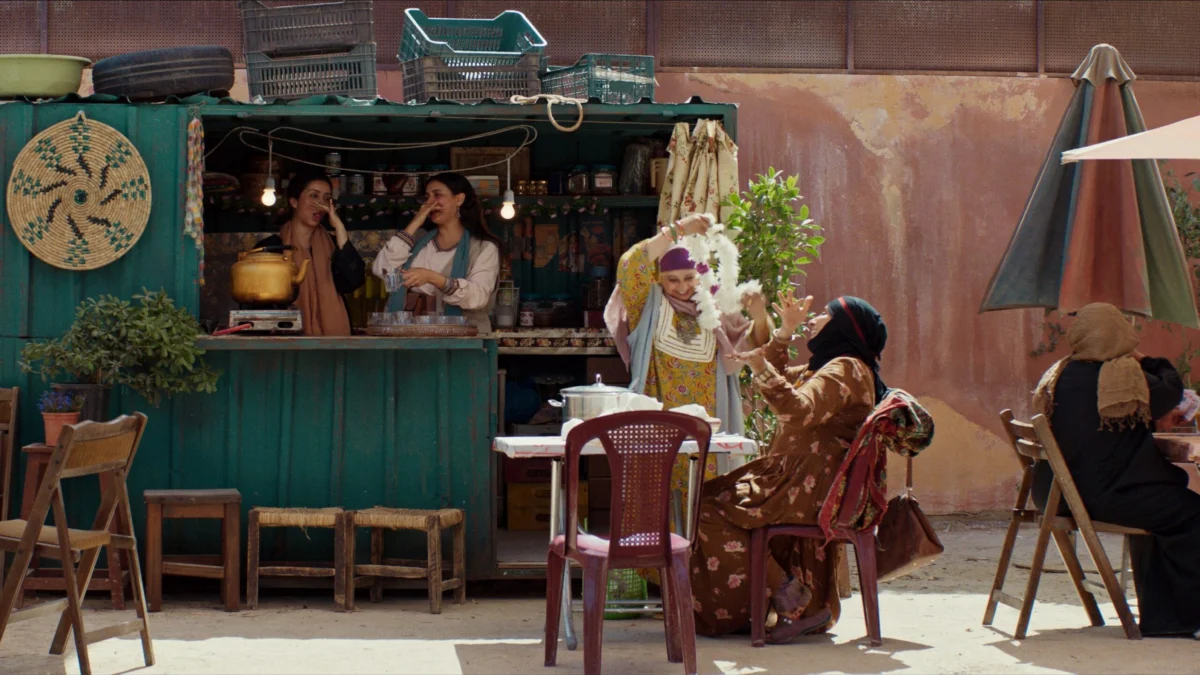
At the core of "The Station" is Layla, the determined proprietor of a women-only fuel station that transcends its commercial function to become a sanctuary. The rules within its walls are simple yet revolutionary for its setting: no men, no weapons, no politics. These prohibitions create a space where women, often veiled and silenced in public, can shed their burqas, smoke shisha, engage in uninhibited conversation, purchase items like lingerie and makeup, and, crucially, laugh together. This communal laughter, a simple act of merriment, becomes a profound gesture of subversion against a society that systematically restricts female expression and autonomy.
The film meticulously illustrates how this seemingly mundane space fosters a precarious but potent form of female solidarity. It’s a testament to the human need for connection and agency, even when life outside is defined by chaos and oppression. The station serves as a microcosm of resistance, demonstrating that even in the most restrictive environments, individuals can carve out spaces for self-expression and mutual support. Director Sara Ishaq, a Yemeni-Scottish filmmaker, draws upon a deep understanding of her homeland’s complexities to craft a narrative that resonates with authenticity and emotional depth. Her vision not only highlights the challenges faced by Yemeni women but also celebrates their enduring strength and ingenuity in navigating an increasingly hostile world.
Yemen’s Enduring Conflict: A Backdrop of Desperation
The extraordinary circumstances depicted in "The Station" are, tragically, the ordinary for Yemen. The country has been embroiled in a devastating civil war since late 2014, when Houthi rebels seized the capital, Sana’a, leading to intervention by a Saudi Arabia-led coalition in March 2015. This conflict is but one chapter in a long history of internal strife that has plagued Yemen for decades, exacerbating its already fragile socio-economic fabric. The current war has pitted the internationally recognized government, backed by the coalition, against the Houthi movement, creating a multifaceted crisis with profound humanitarian consequences.
According to the United Nations Office for the Coordination of Humanitarian Affairs (OCHA), Yemen has been described as the world’s worst humanitarian crisis. Millions of people face acute food insecurity, with a significant portion on the brink of famine. Displacement figures are staggering, with over 4.5 million people internally displaced since the conflict began. Infrastructure, including healthcare facilities, schools, and water systems, has been decimated by years of bombardment and neglect. The civilian death toll, though difficult to ascertain precisely, runs into the hundreds of thousands, a grim statistic that includes both direct conflict-related deaths and those resulting from lack of food, medical care, and other essential services. This relentless cycle of violence and deprivation forms the stark backdrop against which the women of "The Station" bravely forge their haven, making their acts of resilience all the more remarkable. The frequent fly-overs by warplanes, visually punctuating the film, serve as a constant, harrowing reminder of the safe haven’s fragile nature, underscoring the ever-present threat of the outside world.
Women’s Lives Under Siege: Patriarchy and Resistance
Within this brutal conflict, Yemeni society’s deeply conservative and patriarchal norms severely restrict women’s freedoms. Women in Yemen, as in many conservative societies, are often confined to the domestic sphere, with limited access to education, employment, and public life. The expectation to adhere to strict dress codes, such as the burqa or niqab, and to be accompanied by a male guardian, further limits their mobility and independence. In such an environment, the establishment of a women-only space like Layla’s fuel station is not merely a convenience but a radical act of self-preservation and defiance.
These sanctuaries, whether formal or informal, have historically provided vital spaces for women to network, organize, and simply exist outside male control. "The Station" powerfully illustrates the psychological and emotional liberation that such a space can offer. Here, women can shed not just their burqas but also the constant pressure of surveillance and judgment. They can express their opinions freely, engage in candid conversations, and offer each other emotional support, fostering a sense of community that is often denied to them elsewhere. The film, however, is adroit enough to acknowledge that even within this female sanctuary, fault lines exist. Women, too, can be influenced by ideology, religious fundamentalism, or personal motives, leading them to internal divisions or even to support the very oppressive regime they seek refuge from. This nuanced portrayal prevents the film from romanticizing female solidarity, instead presenting it as a complex, often challenging, but ultimately vital force.
The War’s Toll Beyond the Frontlines: Men and Boys as Victims
One of "The Station’s" most significant achievements is its unflinching demonstration that men, too, are profound victims of patriarchy, particularly within the context of war. The film consistently returns to a toxic, pervasive idea of masculinity that instills in boys a predisposition to violence—to take up arms, oppress women, and tyrannize each other. This destructive cycle often culminates in their untimely deaths, a grim reality starkly emphasized by the ubiquitous posters of "martyred" soldiers displayed throughout the narrative. That these martyrs are frequently depicted as baby-faced underscores a horrific truth: children and teenagers are routinely sacrificed for causes that remain obscure to them, serving a system that is demonstrably bankrupt.
The plight of Layla’s younger brother, Laith (portrayed by Rashad Khaled), forms one of the most heartbreaking elements of the plot. Laith, an adorable boy still deeply anchored in the innocence of childhood, faces the looming prospect of conscription into the war. A significant portion of the story revolves around Layla’s desperate, frantic efforts to shield him from the atrocities of the outside world. His endearing smile symbolizes the very essence of innocence, while the stones hurled at him by other boys, playing at being soldiers outside the compound walls, serve as a brutal metaphor for the world’s encroaching savagery. This narrative thread powerfully illustrates how the relentless demands of a militarized, patriarchal society strip away childhood, forcing young boys into roles of combatants and victims long before they have had a chance to live. The film deliberately refrains from explaining the intricate details of the war or its underlying causes, instead highlighting the absurd and senseless nature of the conflict, where often only the color of an armband distinguishes the two warring sides—a faithful and chilling reflection of the deathly absurdity of the real-life conflict in Yemen.
Artistic Vision and Cinematic Impact
Visually, "The Station" is a masterclass in cinematic storytelling. An early tracking shot, following the women inside the compound, immediately establishes a stark contrast between the harsh realities of the outside world and the enclosed serenity of the station. This visual dichotomy is maintained throughout, with cinematography by Amine Berrada that is consistently superb. The compound is initially bathed in a warm, inviting light, symbolizing the hope and solace found within its walls. However, as the narrative unfolds and external pressures mount, the imagery progressively darkens, mirroring the escalating tension and the precariousness of their sanctuary.
The narrative structure is equally compelling. The central figure, Layla, portrayed with determined energy by actress Manal Al-Mulaiki, anchors the film’s emotional core. Her relentless efforts to protect Laith, coupled with the complex dynamic she shares with her sister, Shams, imbue the story with profound emotional weight and a palpable sense of urgency. This interplay between the sisters, their conflicts, and their joint mission, quickly evolves the plot into a race-against-the-clock thriller, grounding the picture firmly in the "here and now." This specific identity sets "The Station" apart from other films centered on Muslim sisterhood or female-only spaces, ensuring that viewers never feel they have encountered this particular narrative before. Its uniqueness is yet another significant achievement of the film, making it a feature not to be missed.
The film’s journey to the 79th Cannes Film Festival signals its critical acclaim and global relevance. Such recognition provides a crucial platform to raise international awareness about the Yemeni crisis and the often-overlooked experiences of women and children within conflict zones. The festival’s endorsement underscores the film’s artistic merit and its powerful humanitarian message, allowing it to transcend mere entertainment and serve as a vital piece of socio-political commentary.
The Broader Implications: A Universal Message of Humanity
"The Station" is more than just a film about Yemen; it is a universal narrative about resilience, resistance, and the devastating impact of war on the human spirit. By deliberately obscuring the specific political factions or ideologies driving the conflict, the film underscores the senselessness of all wars, emphasizing that the suffering inflicted is universal, regardless of the cause. It highlights how ordinary people, especially women and children, bear the brunt of geopolitical machinations and ideological battles they often have no part in creating.
The film’s exploration of female solidarity serves as a beacon of hope, demonstrating that even in the most dire circumstances, community and mutual support can provide a shield against oppression. It challenges preconceived notions about women in conservative societies, revealing their strength, agency, and capacity for subversion. Moreover, by portraying men as victims of a toxic patriarchal system that compels them to violence and self-destruction, the film offers a nuanced critique of masculinity, urging a re-evaluation of societal expectations placed upon men and boys.
Ultimately, "The Station" calls for empathy and understanding. It invites audiences to look beyond the headlines and statistics to grasp the personal tragedies and quiet triumphs that define life in a war zone. It is a powerful reminder that while conflicts may rage, the human desire for peace, dignity, and joy persists, often manifesting in the most unexpected and courageous ways. The film stands as a testament to the power of cinema to not only entertain but also to inform, provoke thought, and inspire change, cementing its place as an essential work in contemporary world cinema.