The cinematic universe of J.R.R. Tolkien’s Middle-earth is poised for another expansion with the highly anticipated film, "The Hunt for Gollum." The recent confirmation of Anya Taylor-Joy’s casting as Seren, an original elven character, has sent ripples of excitement and thoughtful analysis through the fandom and the broader entertainment industry. Taylor-Joy, acclaimed for her captivating performances in "The Queen’s Gambit," "The Witch," and "Furiosa: A Mad Max Saga," brings a unique ethereal presence that many believe makes her an inspired choice to embody an elf. This casting, first reported by The Hollywood Reporter, signals a significant creative direction for the project, which is being helmed by Andy Serkis, reprising his iconic role as Gollum.
Deepening the Narrative: The Genesis of "The Hunt for Gollum"
"The Hunt for Gollum" is set to delve into a specific, albeit sparsely detailed, period within the vast tapestry of "The Lord of the Rings." The narrative arc centers on Aragorn’s crucial mission to track down Gollum, the wretched creature who once possessed the One Ring, before the forces of Sauron can capture him. This pursuit is vital for the larger narrative of the War of the Ring, as Gollum’s knowledge and potential recapture by the Dark Lord could have dire consequences. While the original text by J.R.R. Tolkien dedicates a comparatively small number of pages to this era, spanning nearly two decades of in-world events, the filmmakers, including producer Peter Jackson, have chosen to explore this narrative in greater depth. This decision underscores a trend in modern cinematic adaptations to expand upon and contextualize existing lore for contemporary audiences.
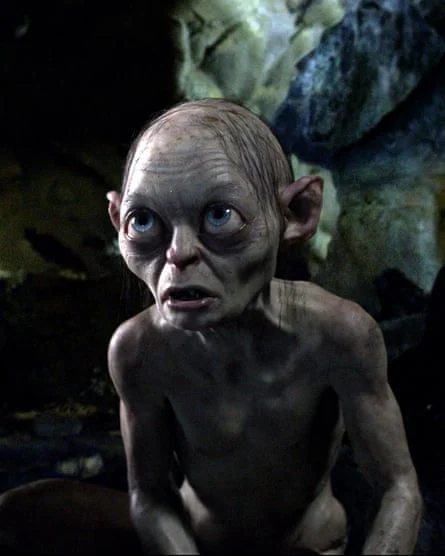
The established plot points indicate that Andy Serkis will return as Gollum, offering his unique motion-capture expertise once more. Ian McKellen is also slated to reprise his role as the wise wizard Gandalf, suggesting a continuity of characters and narrative threads from previous adaptations. The core premise of the film revolves around Aragorn’s pursuit of Gollum, a quest that is implicitly linked to the Ring’s eventual journey to Mount Doom. In Tolkien’s literary work, the immediate aftermath of Bilbo Baggins’ departure for Rivendell sees the One Ring passed to Frodo. The eventual destruction of the Ring in the fires of Mount Doom provides a definitive conclusion to its perilous existence. However, the period leading up to this, particularly Gollum’s movements and Aragorn’s efforts to locate him, has remained a fertile ground for narrative exploration.
Anya Taylor-Joy’s Role: Seren, the Unforeseen Agent
The introduction of Anya Taylor-Joy as Seren marks a significant departure from the established canon, as this character is not explicitly mentioned in Tolkien’s original writings. According to preliminary information, Seren is described as a "trusted, lethal agent" of Thranduil, the Elvenking of Mirkwood, a role that will once again be filled by Lee Pace, who previously portrayed the character in "The Hobbit" film trilogy. Seren’s lineage as a Sindar elf, a faction that chose to remain in Middle-earth rather than journey to the Undying Lands, strongly suggests her origins lie within the ancient forests of Mirkwood.
This placement is narratively pertinent, as Thranduil’s halls, situated in the northeastern reaches of Mirkwood, serve as a critical location in Tolkien’s narrative. It is within these elven halls that Gollum is brought by Aragorn after his successful tracking. Subsequently, Gandalf arrives to interrogate Gollum, seeking vital information about the One Ring and its whereabouts. The inclusion of Seren, therefore, is likely to enrich this pivotal juncture, potentially altering the dynamics of Gollum’s capture and interrogation.
Strategic Implications and Narrative Expansion
The decision to introduce a new, high-profile character like Seren, portrayed by an actor of Anya Taylor-Joy’s caliber, suggests a deliberate effort to inject fresh narrative energy into a story that could otherwise be perceived as a tangential appendix to the main "Lord of the Rings" saga. The explicit focus on "the hunt itself" is posited as the primary engine for audience engagement, aiming to elevate the film beyond mere "expensive gap-filler."
The presence of Seren raises compelling questions about the potential evolution of the narrative. The original text presents Aragorn’s solitary pursuit through the bleak landscapes of Mordor and its surrounding territories. However, the introduction of an elven companion could fundamentally reshape this journey. The possibility exists that "The Hunt for Gollum" might transcend a singular focus on the titular creature, evolving into a compelling "road movie" set in Middle-earth. Such a narrative could feature a dynamic trio: a resolute Aragorn, the enigmatic elven assassin Seren, and the wretched Gollum.
The thematic implications of this potential narrative are significant. The initial dynamic between Seren and Aragorn could be one of antagonism, gradually evolving into grudging respect as they navigate perilous landscapes together. Their shared objective—to prevent the catastrophic consequences of Gollum falling into the wrong hands—could foster an unlikely alliance. Seren, as an agent of Thranduil, might be tasked with ensuring that Gollum does not inadvertently bring the encroaching shadow of Mordor into the Woodland Realm. This could transform the film into a complex moral examination, a "three-hander" where the fate of Middle-earth hinges on the characters’ evolving understanding and actions.

Historical Context and Fan Reception
The "Lord of the Rings" film adaptations, commencing with Peter Jackson’s initial trilogy (2001-2003), revolutionized fantasy filmmaking and achieved immense critical and commercial success. "The Hobbit" trilogy (2012-2014), while also financially successful, garnered a more mixed critical reception, with some critics and fans expressing concerns about narrative pacing and the expansion of Tolkien’s relatively concise source material. The subsequent Amazon Prime series, "The Rings of Power," further explored Middle-earth’s Second Age, attempting to weave a grand narrative from limited textual references, a strategy that has also been met with diverse reactions.
"The Hunt for Gollum" represents a return to the Third Age, a period familiar to fans of the original films. The involvement of Andy Serkis, who has a deep understanding of Gollum’s character and the technical demands of bringing him to life, is a significant positive factor. The casting of Anya Taylor-Joy, however, introduces an element of the unknown, a departure from the established characters. This has sparked considerable debate. Supporters point to her proven ability to inhabit complex, often dark, and mysterious characters, suggesting she can bring a compelling depth to an elven role. Critics, conversely, might question the necessity of introducing an original character into a story that already possesses a rich, albeit incompletely detailed, history.
The historical context of Gollum’s story within Tolkien’s legendarium is crucial. After the events of "The Hobbit," Gollum, driven by his insatiable desire for the Ring, embarks on a solitary quest to find it. His journey is marked by hardship, desperation, and a descent further into his fractured psyche. Aragorn’s role in this period is primarily as a tracker and guardian, tasked with preventing Gollum from falling into the hands of Sauron’s agents, who are also actively searching for the Ring. The timeline of these events is established as occurring in the years leading up to the War of the Ring, a period of growing darkness and mounting tension across Middle-earth.
Technical and Artistic Considerations
The production of "The Hunt for Gollum" will undoubtedly leverage cutting-edge visual effects technology, building upon the legacy established by Weta Digital, the effects house responsible for the groundbreaking work on the previous Middle-earth films. The depiction of Gollum himself, a character born from advanced motion-capture and digital artistry, will be a key focal point. Andy Serkis’s intimate knowledge of the character, having embodied him for over two decades, offers a strong assurance of a nuanced and compelling performance.
The visual aesthetic of the film will also be a critical element. The landscapes of Middle-earth, from the shadowed depths of Mirkwood to the desolate wastelands surrounding Mordor, offer a vast canvas for cinematic interpretation. The design of Seren’s character, her attire, and her movement will be crucial in establishing her elven identity and her specific role within Thranduil’s court. The tone of the film is anticipated to be darker and more suspenseful, reflecting the perilous nature of Aragorn’s mission and the existential threat posed by Sauron.
Broader Implications for the Middle-earth Franchise
The success of "The Hunt for Gollum" could have significant implications for the future of the Middle-earth franchise. If the film is well-received and resonates with audiences, it could pave the way for further explorations of specific, less-developed periods or characters within Tolkien’s vast mythology. This approach allows for the expansion of the cinematic universe without directly contradicting or altering the core narrative of "The Lord of the Rings."
However, the franchise also faces the challenge of balancing fan expectations with creative innovation. The introduction of original characters and storylines, while offering new avenues for storytelling, carries the risk of alienating purists if not handled with sensitivity and a deep understanding of Tolkien’s thematic and stylistic intentions. The reception of "The Rings of Power" has demonstrated the complexities of this balancing act.
Conclusion: A Glimpse into the Unknown
"The Hunt for Gollum," with its ambitious premise and intriguing casting, promises a fresh perspective on a crucial, yet underexplored, chapter of Middle-earth’s history. The addition of Anya Taylor-Joy as Seren introduces a compelling wildcard, suggesting a narrative that may prioritize character dynamics and thematic depth over strict adherence to the original text’s brevity. While the film faces the inherent challenge of justifying its existence within an already well-established cinematic legacy, the creative team’s bold choices offer the potential for a gripping and visually stunning addition to the enduring world of J.R.R. Tolkien. The anticipation is palpable, as audiences await further details that will illuminate the full scope of this ambitious undertaking. The journey to understand the necessity and artistic merit of this new endeavor has just begun.