The Chattanooga Film Festival, a cornerstone event for independent cinema, is currently showcasing "Camp," the latest offering from director Avalon Fast. Following her distinctive debut feature, "Honeycomb," Fast continues to explore her self-described "girl horror" subgenre, this time weaving a tapestry of supernatural undertones with deeply felt adolescent struggles. The film, which premiered at the festival and is slated for special engagements across the U.S. this summer, has garnered significant attention for its unique blend of introspective drama and ethereal mysticism.
"Camp" centers on Emily (Zola Grimmer), a young woman grappling with profound tragedy. In a starkly honest, post-ironic Gen-Z vernacular, Emily recounts a devastating incident: she was responsible for the accidental death of a child. This profound trauma, compounded by the subsequent overdose of a close friend, leaves Emily adrift in a sea of guilt and grief. At the urging of her father, she is sent to a Christian summer camp nestled deep within the woods, an environment intended to offer solace and healing. However, the camp transcends its therapeutic premise, immersing Emily in a world where the boundaries of reality blur, and the counselors themselves harbor a potent, albeit unconventional, magic.
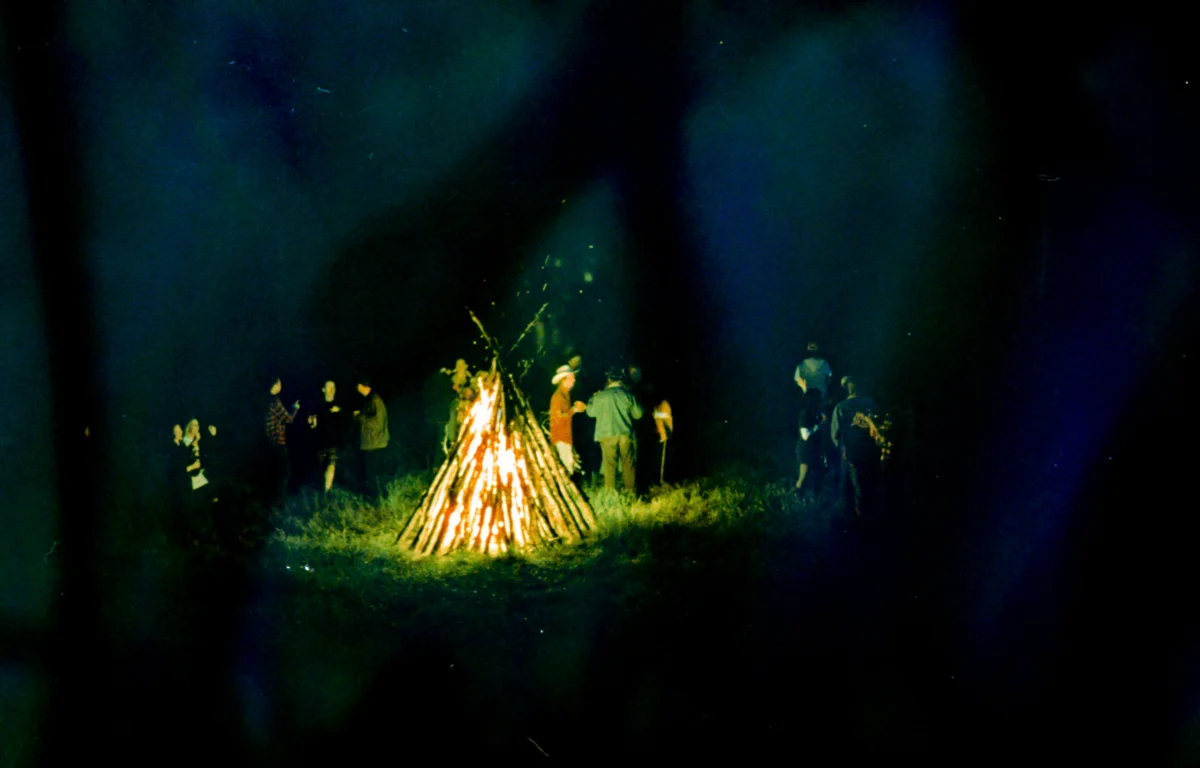
The film’s narrative unfolds against a backdrop of evocative sound design and striking cinematography. Composer Max Graham’s score is frequently compared to the ambient explorations of Brian Eno, creating an "angst-ridden dreamscape" that mirrors Emily’s internal turmoil. Director of Photography Eily Sprungman captures the camp as a "wild, unfettered dreamscape," utilizing 8mm-style interludes and stark, luminous shots of the sky to enhance the film’s disorienting yet beautiful aesthetic. The visual language of "Camp" is crucial to its thematic exploration, presenting a world where the internal struggles of its characters manifest externally through subtle, yet powerful, supernatural phenomena.
A New Wave of "Girl Horror"
Avalon Fast has positioned "Camp" within her distinct "girl horror" niche, a subgenre that focuses on the anxieties, traumas, and transformative experiences of young women, often through a lens of the supernatural or psychological. Unlike more conventional horror narratives that rely on jump scares and overt threats, Fast’s approach is more hypnotic and internal. The "horror" in "Camp" is not derived from external malevolence but from Emily’s fractured inner world and her struggle to process overwhelming grief.
![‘Camp’s’ Quiet Queer Magic Enraptures [Chattanooga Review]](https://www.dreadcentral.com/wp-content/uploads/2026/06/CAMP_Avalon_Fast_Key_Still-FF_JPG_color_correct-scaled-e1781661636362.jpg)
The counselors at the camp, while presented as a "troubled bunch," exhibit a genuine "tenderness to their camaraderie." They are portrayed not as sinister figures but as individuals who have found a form of self-actualization, drawing comparisons to the "self-actualizing Tumblr variety" of witchcraft rather than the more sensationalized depictions found in films like "The Craft" or "Forbidden Fruits." This distinction is vital to understanding Fast’s thematic aims. The witchcraft depicted in "Camp" is presented as a positive, reconstructive force, a means for characters to navigate and ultimately rebuild their shattered lives.
The film’s thematic resonance has drawn praise from figures within the independent film community. Jane Schroenbrun, a prominent advocate for the film and a filmmaker known for their own distinctive cinematic voice, is reportedly preparing to release their own camp-themed project, "Teenage Sex and Death at Camp Miasma," later this year. This connection underscores the growing interest in camp settings as fertile ground for exploring adolescent experiences and genre conventions. Schroenbrun’s endorsement of "Camp" suggests a shared sensibility in crafting deeply felt, genre-bending narratives.
The Hypnotic Power of Collective Healing
The film’s narrative progression suggests a deliberate pacing, described by some early viewers as akin to a "lazy river." This deliberate lack of urgency, while potentially alienating to some viewers seeking constant propulsion, is integral to the film’s meditative quality. The "magic at play," as Emily questions, is not a tool for immediate gratification or forceful intervention but a gradual process of recalibration. The film posits that with the "right group," these mystical endeavors can facilitate profound personal change.
The "thrumming, synthetic soundtrack" serves as a constant companion to Emily’s journey, pulsing "with the beat of a broken heart." This sonic landscape underscores the film’s central thesis: that healing, even from the most profound trauma, is possible. The witchcraft and rituals are not presented as frightening but as "suggestive," offering a gentle introduction to transformative practices. This contrasts with films like "Forbidden Fruits," which Fast’s "Camp" is often compared to, by eschewing a sudden pivot into graphic violence. Instead, "Camp" offers a "gentler, soporific introduction to rituals and incantations."
Context and Reception at the Chattanooga Film Festival
The Chattanooga Film Festival, now in its eleventh year, has established itself as a vital platform for independent and genre-bending cinema. Held annually in Chattanooga, Tennessee, the festival is renowned for its curated selection of films that push creative boundaries and foster a sense of community among filmmakers and cinephiles. The inclusion of "Camp" in its lineup speaks to the festival’s commitment to showcasing emerging voices and unique artistic visions.
![‘Camp’s’ Quiet Queer Magic Enraptures [Chattanooga Review]](https://www.dreadcentral.com/cdn-cgi/image/width=788,height=444,fit=crop,quality=75,gravity=auto,metadata=none,format=auto,onerror=redirect/wp-content/uploads/2026/06/CAMP_Avalon_Fast_Key_Still-FF_JPG_color_correct.jpg)
The festival’s programming aims to highlight films that resonate with contemporary audiences and spark critical discourse. "Camp" fits this mandate perfectly, addressing themes of grief, identity, and the search for belonging in a modern context. The film’s exploration of queer undertones, described as "elegiac," further adds to its contemporary relevance, reflecting a growing trend in independent cinema to explore diverse narratives.
However, the film’s deliberate pacing and introspective nature may not resonate with all viewers. As noted in initial reactions, "I Saw the TV Glow naysayers will no doubt reject Camp’s spell on account of its lack of urgency or propulsion." This highlights a potential divide in audience reception, with those who appreciate a more contemplative and atmospheric cinematic experience likely to find "Camp" deeply rewarding, while those who prefer a more conventional, plot-driven narrative might find it less engaging.
Broader Implications: Adolescence, Regret, and Transcendence
Ultimately, "Camp" is a story about the enduring human capacity for rebuilding and redemption. The magic within the film is not a supernatural escape from reality but a metaphorical representation of the processes of self-discovery and collective healing. Adolescence is frequently depicted as a period of intense emotional upheaval, where "every little thing might well be the end of the world." "Camp" acknowledges this inherent intensity, suggesting that sometimes, tragedy is indeed absolute.
Yet, the film offers a message of hope: "There’s always a way back." This return might not be to a former state of innocence but to a new understanding of oneself and one’s place in the world. The "ethereal Windows Vista landscape deep in the woods" serves as a metaphor for this liminal space of transformation. It is in this space, surrounded by a community of like-minded individuals—described as "gorgeous weirdos"—that characters can potentially "ascend and leave the past behind for good."
The film’s summary encapsulates its essence: "Camp is a quietly magical, lo-fi coming-of-age story whose supernatural undertones augment its big, beating heart." This concise description points to a film that prioritizes emotional resonance and thematic depth over conventional horror tropes. As "Camp" continues its festival run and subsequent U.S. engagements, it is poised to spark conversations about the evolving landscape of genre filmmaking and the power of cinema to explore the complexities of the human experience. Avalon Fast’s distinctive voice in "girl horror" continues to mature, offering audiences a unique and deeply affecting cinematic journey.