The 2026 Cannes Lions International Festival of Creativity concluded its week-long residency on the French Riviera this Thursday, leaving an exhausted but invigorated global community of marketers, tech executives, and content creators to reflect on a transformative year. As the Mediterranean sun set over the Croisette, the consensus among the more than 15,000 delegates was clear: the event has fully transcended its origins as a niche advertising awards show to become the definitive crossroads of global commerce, technology, and entertainment. Throughout the week, the primary question echoing through the Palais des Festivals was no longer about the quality of specific television spots, but rather about the fundamental restructuring of how human beings interact with brands in an era defined by autonomous artificial intelligence and a fragmented definition of celebrity.
The Convergence of Global Industries
Historically, the Cannes Lions was an enclave for ad agencies and media buying houses. However, the 2026 iteration solidified a decade-long shift toward what industry veterans now call "The Great Convergence." While the Cannes Film Festival remains the premier venue for cinema and MIPCOM serves as the primary marketplace for television distribution, Cannes Lions has emerged as the only venue where film, digital media, music, fashion, sports, and high technology intersect without hierarchy.

This convergence was palpable in the diversity of the attendees. Executives from Silicon Valley shared the same seaside promenades with professional athletes, luxury fashion designers, and streaming giants. First-time attendees noted that the sheer magnitude of the festival—spanning hundreds of official "activations" and thousands of fringe events—created a high-pressure environment for networking. The efficiency of the ground-level engagement remains the festival’s primary value proposition; as one marketing executive noted during a roundtable, the ability to conduct six months of business development in four days justifies the immense financial investment required to maintain a presence on the Croisette.
The 2026 festival also highlighted a shift in the financial landscape of creative industries. Despite global economic fluctuations, the scale of brand "pavilions" and "beaches" reached record levels of opulence. This year, the focus was not merely on visibility but on utility, with brands like Reddit and Amazon creating functional hubs that doubled as business lounges and tech demonstrations, reinforcing the festival’s status as the "King of the Cannes Jungle."
The Rise of Agentic AI and the Intelligence Economy
The dominant theme of the 2026 festival was undoubtedly the transition from generative artificial intelligence to "agentic AI." While previous years focused on the novelty of AI-generated copy and imagery, 2026 marked the debut of AI systems capable of autonomous goal-setting and execution. Adobe set the tone on the festival’s opening day with a major press announcement regarding "Agentic AI Adoption," signaling a move toward technology that does not just assist humans but operates independently to achieve complex marketing objectives.

Denise Dresser, Chief Revenue Officer at OpenAI, delivered a keynote that defined this shift as a move from the "attention economy" to the "intelligence economy." According to Dresser, AI has evolved from a tool for content creation into a fundamental societal change that redefines the relationship between data and consumer action. This sentiment was echoed by Amazon’s unveiling of Alexa+ Agentic Ads. This new format allows consumers to move from initial interest to a completed purchase—such as buying concert tickets or ordering food—entirely within a single, natural conversation with an AI agent.
Charlotte Maines, Vice President of Content and Advertising for Alexa, emphasized that these advancements close the "gap between intent and action." For advertisers, this represents a shift from passive engagement to immediate conversion. However, the omnipresence of AI talk also sparked a counter-narrative. Media analyst Evan Shapiro pointed out that while AI dominated the headlines, the rise of vertical content and "micro-dramas" on mobile platforms is equally significant. Shapiro suggested that as streamers like Disney+ and Paramount+ integrate vertical feeds, the industry may eventually see "vertical" overtake "AI" as the most critical phrase in the creative lexicon.
Redefining Fame in a Fragmented Media Landscape
The 2026 festival provided a stark look at the evolving nature of celebrity. While traditional icons such as Oprah Winfrey—the 2026 Cannes LionHeart honoree—and Apple’s Eddy Cue maintained their status as industry titans, they shared the spotlight with a new tier of creators whose influence is more localized but arguably more intense.

The presence of creators like Jay Shetty, Steven Bartlett, and the duo behind the loungewear brand Phe Phe highlighted a shift in how brands perceive "A-list" status. The festival floor saw numerous instances where digital-native creators were mobbed for selfies by attendees who might not recognize a traditional Hollywood star. This fragmentation of fame suggests that impact is no longer measured by universal recognition, but by the depth of engagement within specific communities.
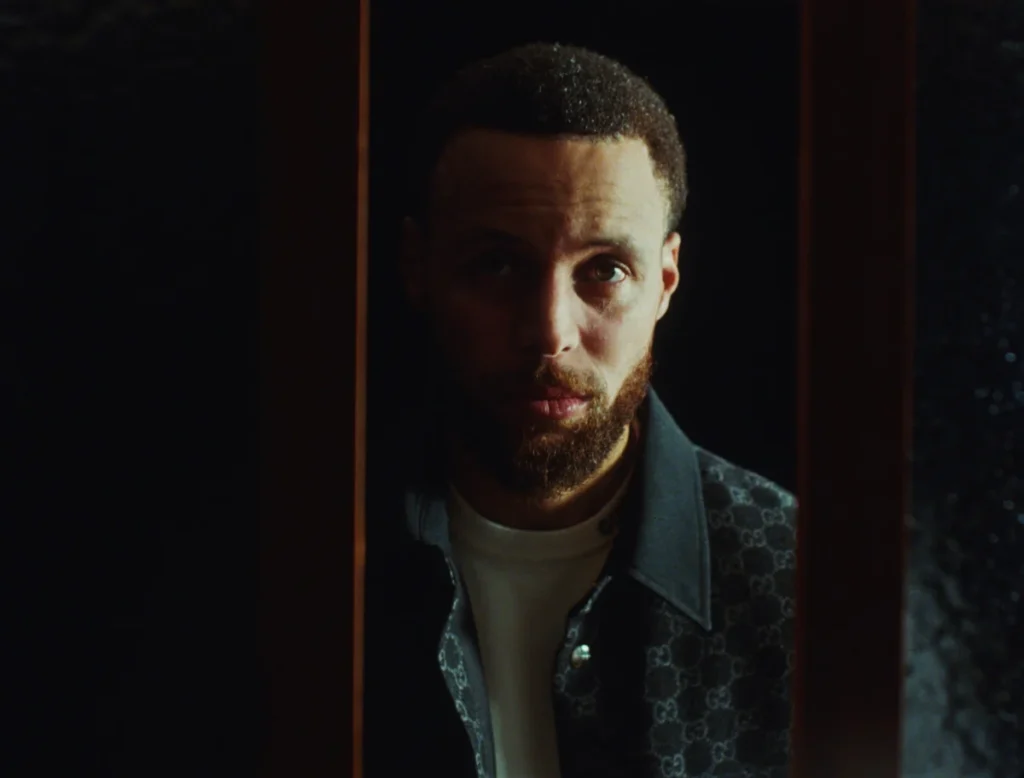
Sports stars also maintained a significant footprint, with figures like Jaylen Brown, Lindsey Vonn, and Shaquille O’Neal participating in panels that explored the intersection of athletic branding and venture capital. The takeaway for many brand managers was that "fame" in 2026 is a multi-modal concept; a brand must navigate traditional celebrity endorsements while simultaneously leveraging the high-conversion power of niche creators.
The Addiction Economy and Information Integrity
Amidst the celebration of technological progress, the 2026 festival also hosted sobering discussions regarding the social implications of current media trends. A pivotal session titled "A Sense of Impending Doomscrolling" addressed the growing global concern over social media addiction and the proliferation of disinformation.

Charlotte Scaddan, Senior Advisor on Information Integrity for the United Nations Global Communications, shared insights from the UN’s first-ever global risk report. Scaddan warned that the international community is "insufficiently prepared" for the vulnerabilities created by mis- and disinformation. This message arrived at a time when several nations, including the United Kingdom, Canada, and Australia, are actively exploring or implementing social media restrictions for minors.
Rupen Desai, Chief Marketing Officer at Una Terra, offered a provocative critique of the current landscape, stating that the world has moved beyond the "attention economy" into an "addiction economy." Desai expressed concern that the future of AI and digital media is being shaped by a narrow group of technology leaders, potentially exacerbating global inequality. These discussions served as a necessary counterbalance to the festival’s typical optimism, reminding delegates that the creative industry bears a significant responsibility for the mental health and information literacy of the global population.
Strategic Activations and Market Consolidation
The physical landscape of the 2026 festival served as a map of current market power. Major hubs like Meta Beach, Amazon Port, and the YouTube Drive-In remained the anchors of the Croisette, but newer players and strategic shifts drew significant attention.

The Reddit Community Deli, located adjacent to the Palais, became one of the week’s most talked-about activations. By offering a "down-to-earth" environment with free refreshments and business meeting spaces, Reddit positioned itself as the "Heart of the Internet," emphasizing community-driven data over algorithmic curation. This strategy appeared to resonate with marketers looking for more authentic ways to reach consumers.
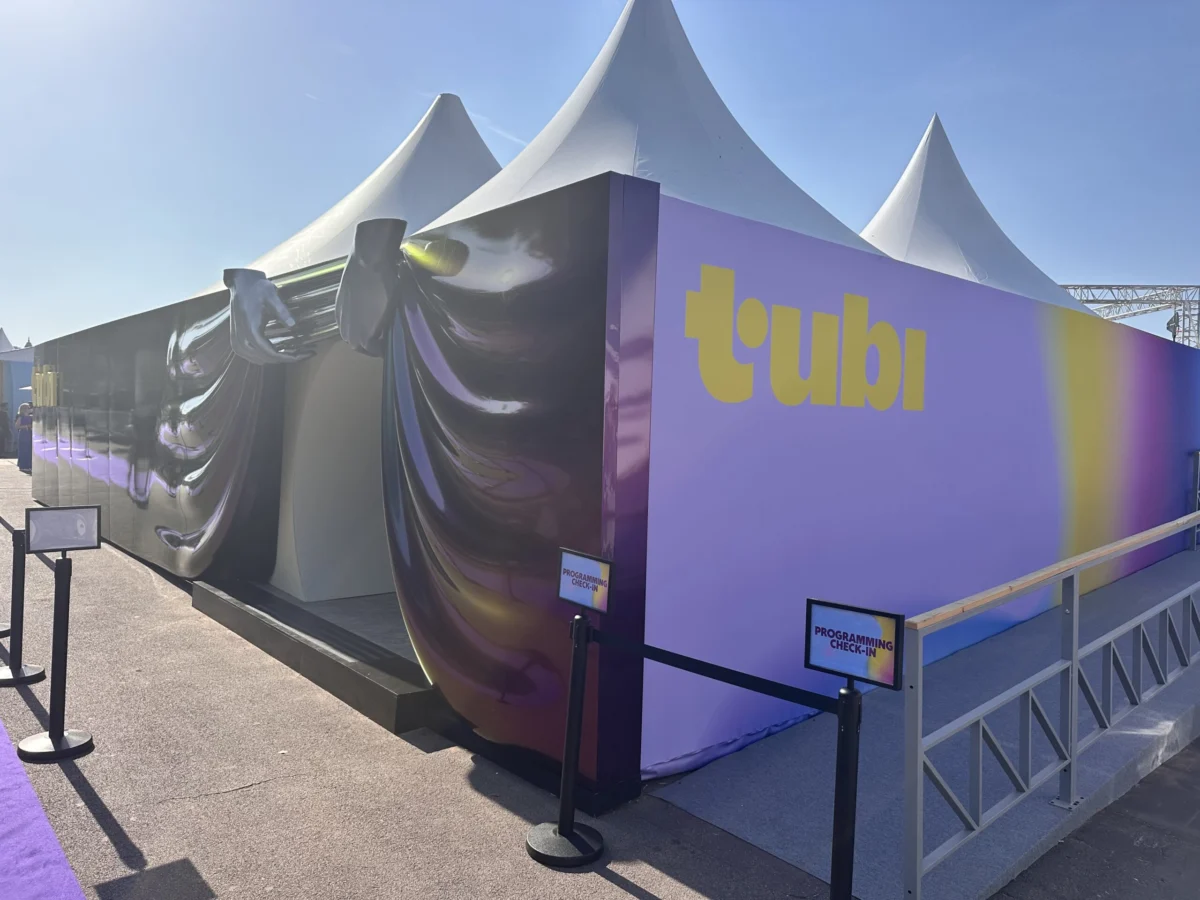
In the streaming sector, Tubi’s presence was particularly notable following Fox’s acquisition of Roku’s streaming technology. The Tubi activation, featuring a distinctive "curtain-raising" design, signaled the brand’s intention to dominate the ad-supported streaming (FAST) space. Meanwhile, the LGBTQ+ networking platform Grindr brought a high-energy presence to the festival, utilizing a "party bus" and interactive games to emphasize that B2B networking can—and should—incorporate elements of fun and inclusivity.
Chronology of Key Events
- Monday, June 22: Adobe kicks off the festival with its "Agentic AI" partnership announcement. The United Nations hosts its session on information integrity, setting a serious tone for the week’s ethical discussions.
- Tuesday, June 23: OpenAI’s Denise Dresser and Amazon’s Charlotte Maines dominate the tech discourse with keynotes on the "intelligence economy" and autonomous ad formats.
- Wednesday, June 24: Traditional Hollywood meets tech as Eddy Cue and Jerry Bruckheimer discuss the future of entertainment. Oprah Winfrey receives the LionHeart award, emphasizing the enduring power of purposeful storytelling.
- Thursday, June 25: The festival concludes with the final round of Lions awards. Industry leaders begin the "Cannes exodus," with discussions shifting toward the implementation of the "agentic" strategies discussed throughout the week.
Broader Implications for the Creative Industry
As the 2026 Cannes Lions fades into memory, the long-term implications for the creative and marketing industries are profound. The transition to agentic AI suggests that the role of the "creative" may shift from execution to orchestration. If AI agents can autonomously handle the logistics of a campaign—from media buying to real-time copy adjustments—the human element of the industry will need to focus more heavily on high-level strategy, ethics, and emotional resonance.

Furthermore, the "addiction economy" critique suggests that a regulatory reckoning may be on the horizon. Brands that proactively address information integrity and consumer well-being may find themselves at a competitive advantage as public sentiment shifts against "doomscrolling" and invasive data practices.
The 2026 festival proved that while the "Cannes Lions" name remains, the "lions" in question are no longer just the agencies of Madison Avenue. They are the tech giants of Silicon Valley, the creators of TikTok and YouTube, and the autonomous AI agents that are beginning to rewrite the rules of human engagement. For those who attended, the message was clear: the jungle is growing larger, more complex, and more integrated than ever before. Success in this new environment requires a mastery of both the "intelligence economy" and the timeless art of human connection.