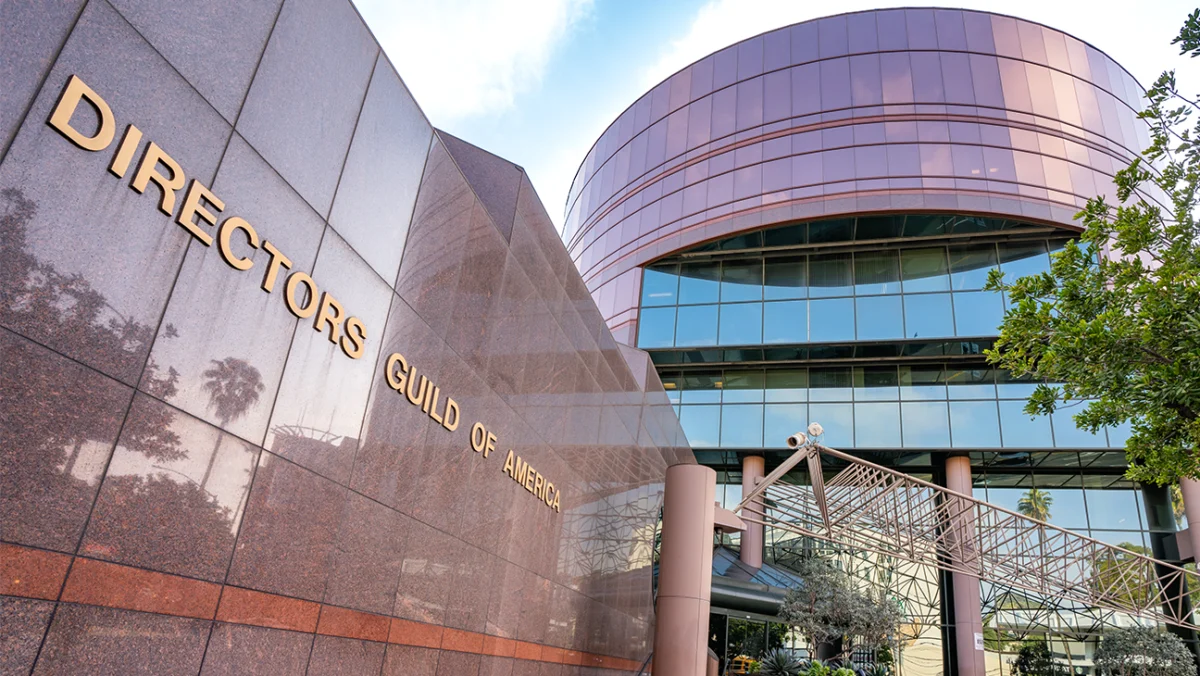
The Directors Guild of America (DGA) officially ratified a historic four-year contract with major studios and streaming services on Thursday, signaling the conclusion of a remarkably stable year for Hollywood labor relations. This agreement, which covers approximately 19,500 members including directors, assistant directors, associate directors, unit production managers, and stage managers, represents a significant departure from the industry’s traditional three-year bargaining cycle. By securing a four-year term, the DGA has aligned itself with the Writers Guild of America (WGA) and the Screen Actors Guild-American Federation of Television and Radio Artists (SAG-AFTRA), effectively extending the period of industrial peace following the disruptive strikes that paralyzed the entertainment sector in 2023.
While the union did not release specific voting percentages, leadership characterized the ratification as an "overwhelming" victory, reflecting a high degree of internal consensus. In a joint communique to the membership, DGA President Christopher Nolan and National Executive Director Russell Hollander emphasized that the deal’s success was a byproduct of unified collective bargaining. They noted that the contract secures critical protections for the economic and creative rights of directors in an era defined by rapid technological shifts and evolving distribution models. The ratification marks the final major labor milestone of 2026, a year that many industry analysts have described as "quiet" compared to the high-stakes confrontations of the previous bargaining cycle.
A Comprehensive Overhaul of Healthcare Funding and Sustainability
One of the most significant pillars of the new agreement is a historic increase in employer contributions to the DGA health plan. For decades, the rising cost of medical care has placed immense pressure on union-managed health funds. Under the newly ratified terms, employer contributions will surge by nearly 25 percent over the four-year duration of the contract. This represents the largest single contribution increase in the history of the Guild, a move intended to fortify the fund against inflation and the fluctuating nature of employment in the film and television industry.
In addition to the percentage increase, the deal raises the "caps" on employer contributions across various employment categories. These caps previously limited the amount a studio was required to pay into the fund for high-earning members; raising them ensures that more revenue is captured to support the broader membership. However, the agreement also acknowledges the long-term fiscal challenges facing the plan. The DGA and the Alliance of Motion Picture and Television Producers (AMPTP) have agreed that the plan’s trustees will be tasked with implementing benefit modifications to ensure the fund remains sustainable. This dual approach—increasing revenue while mandating administrative adjustments—highlights the pragmatic nature of the 2026 negotiations.
Strategic Protections Against Generative Artificial Intelligence
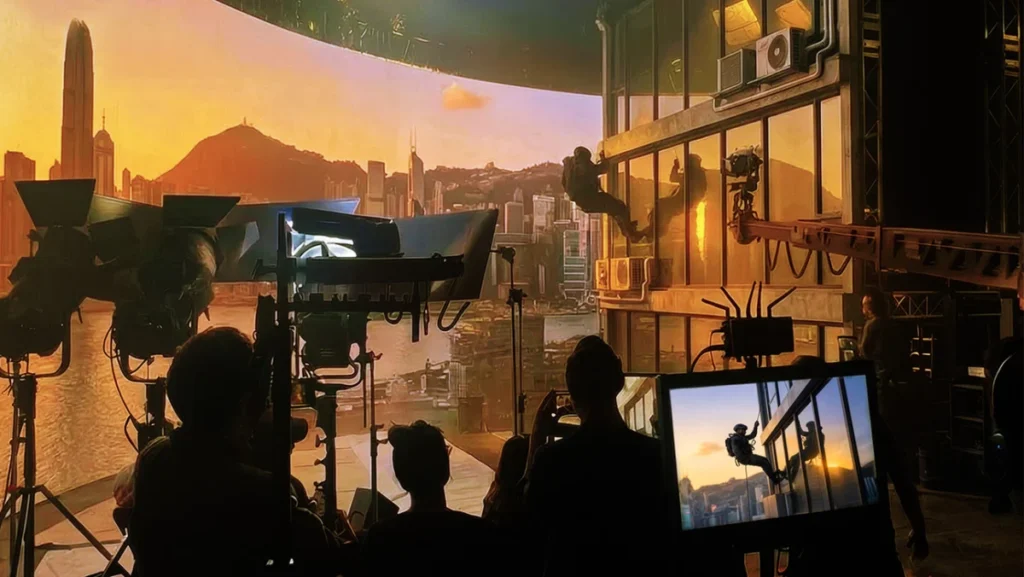
As generative artificial intelligence (AI) continues to transform the post-production and visual effects landscape, the DGA made AI protections a central tenet of its bargaining platform. The new contract secures a definitive promise from studios that any footage generated or modified by AI falls strictly under the director’s "creative purview." This ensures that AI tools cannot be used by studios to bypass the director’s traditional role in shaping the visual and narrative elements of a project.
The agreement also introduces new transparency and licensing requirements. Studios are now obligated to disclose when AI tools are utilized in the production process and must obtain proper licensing for the data used to train models that might replicate a director’s specific style or work. By establishing these guardrails, the DGA has created a framework that treats AI as a tool for the creator rather than a replacement for human oversight. This mirrors similar protections won by the WGA and SAG-AFTRA, creating a unified front across the "Big Three" guilds regarding the ethical and professional use of emerging technologies.
Addressing the Jobs Crisis: Federal Lobbying and Affiliated Hires
The DGA entered these negotiations against a backdrop of a cooling production market. With "runaway production" moving more jobs to international hubs and a general reduction in the volume of scripted content, the union sought unconventional solutions to protect domestic employment. In a notable provision, the contract commits major studio and streamer executives to travel to Washington, D.C., alongside DGA leadership to lobby for a federal film tax incentive.
Currently, film incentives in the United States are managed at the state level, leading to intense competition between hubs like California, New York, and Georgia. A federal incentive would aim to make the U.S. more competitive with countries like Canada, the United Kingdom, and Australia, which offer aggressive national subsidies. This collaborative lobbying effort represents a rare moment of public-private partnership between labor and management, aimed at revitalizing the domestic production pipeline.
Furthermore, the contract addresses the issue of "affiliated hires," a practice that has increasingly limited opportunities for career directors. This occurs when an individual already employed on a production in a non-directing capacity—such as a lead actor or a showrunner—is given a directing assignment. The new deal places stricter limitations on these hires, ensuring that more directing slots remain available for professional directors whose primary livelihood depends on the craft. This move is designed to preserve the career ladder for assistant directors and emerging filmmakers who have struggled to find work in a shrinking market.
Chronology of the 2026 Negotiations
The path to this four-year agreement was the result of extensive preparation and a deliberate shift in negotiation tactics. Unlike the 2023 cycle, which was characterized by public friction and stalled talks, the 2026 negotiations were defined by a "business-first" approach from both sides.
- January 2025 – May 2026: The DGA conducted more than 18 months of internal research, member surveys, and preparatory committee meetings to identify core priorities.
- May 15, 2026: Formal negotiations between the DGA and the AMPTP began in Los Angeles. National Executive Director Russell Hollander led the DGA team, while AMPTP President Gregory Hessinger steered the talks for the studios.
- June 9, 2026: After several weeks of intensive bargaining, the two parties reached a tentative agreement. The deal was praised by both sides for its forward-looking nature.
- June – July 2026: The DGA leadership conducted a series of informational town halls and outreach efforts to explain the complexities of the deal, particularly the four-year term and the AI provisions.
- Thursday (Ratification Day): The membership officially ratified the contract, bringing the 2026 labor cycle to a close.
Industry Reactions and the Shift to a Four-Year Cycle
The decision to move to a four-year contract is a significant strategic pivot for the entertainment industry. Historically, Hollywood labor contracts have operated on a three-year cycle, which often led to a "perpetual state of bargaining" where the industry would barely recover from one round of negotiations before preparing for the next.
The AMPTP lauded the DGA, as well as the WGA and SAG-AFTRA, for their "thoughtful and collaborative approach." In an official statement, the organization noted that the agreements "deliver substantial gains for guild members while supporting greater stability across the entertainment business." The studios’ primary objective for 2026 was to secure a longer window of labor peace to reassure Wall Street investors and stabilize production schedules that are still recovering from the 2023 strikes.
Christopher Nolan and Russell Hollander echoed this sentiment, though they remained cautious about the industry’s future. "While this agreement is critical, the challenges facing our industry remain significant," they stated. They emphasized that the DGA’s 90-year history has been defined by constant vigilance, and while the contract is a win, the union must continue to fight for legislative advocacy and contract enforcement to ensure that the craft of directing remains a viable profession.
Broader Impact and Economic Implications
The ratification of the DGA deal has immediate implications for the broader Hollywood ecosystem. With the "Big Three" guilds now under contract for the next four years, the threat of a major work stoppage has been removed until 2030. This provides a rare "predictability window" for studios to plan long-term slate investments and for below-the-line crew members to seek steady employment.
However, the economic reality remains complex. The 25 percent increase in health contributions and the wage gains included in the deal come at a time when traditional media companies are grappling with the profitability of streaming services and a declining linear television market. Analysts suggest that while the contract provides labor peace, it may also contribute to a continued "quality over quantity" approach, where studios produce fewer, higher-budget projects rather than a high volume of mid-range content.
The push for a federal tax incentive is perhaps the most ambitious long-term play in the agreement. If successful, it could reshape the geography of global film production. By joining forces with the studios to lobby the federal government, the DGA is signaling that the survival of the American film industry is no longer just a labor issue, but a matter of national economic policy.
As the industry moves forward, the DGA contract stands as a template for modern labor relations: one that prioritizes healthcare solvency, technological safeguards, and strategic alliances over the traditional adversarial dynamics of the past. For the 19,500 members of the Guild, the next four years offer a period of protected growth, even as the industry continues to navigate the turbulent waters of the digital age.