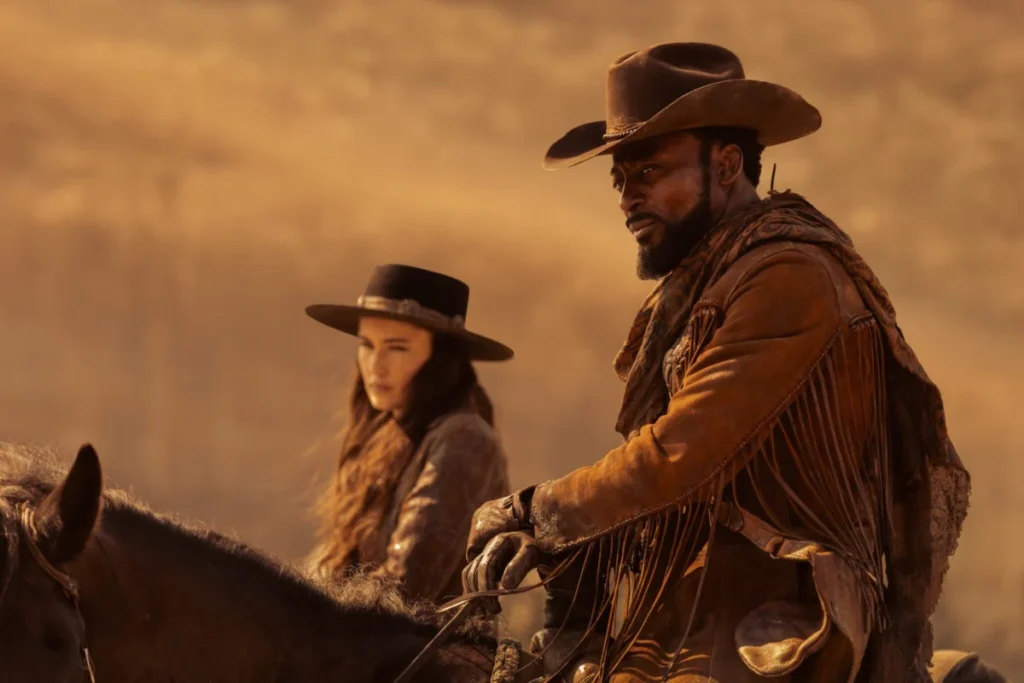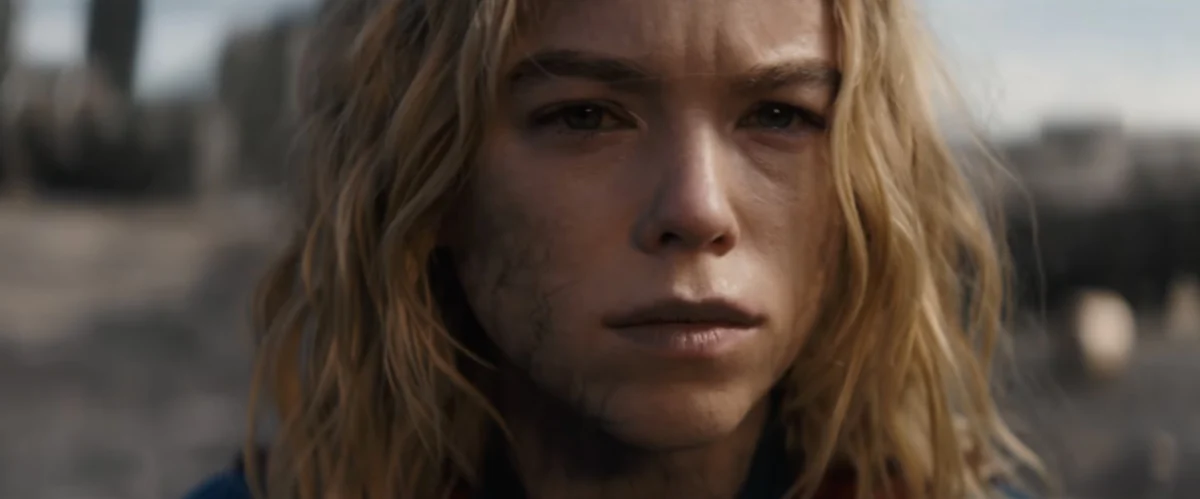
The highly anticipated release of Supergirl: Woman of Tomorrow was poised to be a cornerstone of the burgeoning DC Universe (DCU) reboot, following the critical and commercial success of Superman in 2025. The film introduced Milly Alcock as Supergirl in a memorable cameo, a character established as Clark Kent’s hard-drinking, red-sun-seeking cousin. The narrative was directly inspired by Tom King and Bilquis Evely’s critically acclaimed comic series, Supergirl: Woman of Tomorrow, a source material widely believed to guarantee a triumphant cinematic adaptation. However, the film’s reception has been markedly underwhelming, prompting a deeper examination of the challenges faced by female-led superhero franchises in Hollywood and the specific missteps that contributed to this particular project’s shortcomings.
A Pattern of Underperformance: The History of Female-Led Superhero Films
The struggles of Supergirl: Woman of Tomorrow are not isolated incidents but rather symptomatic of a broader, persistent issue within the film industry. For years, female-led superhero movies have faced an uphill battle, often characterized by delayed production, insufficient marketing, and narrative misfires. The Marvel Cinematic Universe (MCU), for instance, took over a decade to greenlight a Black Widow film, despite Natasha Romanoff being a foundational member of the original Avengers team. Similarly, Captain Marvel arrived significantly later than many male counterparts, and while her debut film was met with moderate success, its sequel suffered from what many critics perceived as a deliberate lack of promotional effort from the studio.
The DC Extended Universe (DCEU) has also seen a mixed track record. While Patty Jenkins’ 2017 Wonder Woman was a landmark achievement, lauded for its empowering portrayal and critical acclaim, its 2020 sequel, Wonder Woman 1984, was widely panned for a convoluted plot that left audiences bewildered and critically, it is argued, wasted the potential of the villain Cheetah. Cathy Yan’s Birds of Prey (and the Fantabulous Emancipation of One Harley Quinn), released in 2020, was a vibrant and critically appreciated ensemble piece. However, reports suggest it failed to break even at the box office, leaving fans concerned about future installments. Even Black Panther: Wakanda Forever (2022), which successfully shifted focus to its female cast following the tragic death of Chadwick Boseman, was noted for its ambitious but somewhat unwieldy runtime and a narrative focus that, while understandable, lacked the singular propulsion of its predecessor. These historical precedents cast a long shadow over Supergirl: Woman of Tomorrow, suggesting that the challenges were not solely about the execution of this specific film but also about systemic industry biases.
The Premise and its Divergence from Source Material
At its core, the film Supergirl: Woman of Tomorrow introduces a compelling premise: a 13-year-old alien girl named Ruthye Marye Knoll (Eve Ridley) seeks vengeance against Krem of the Yellow Hills (Matthias Schoenaerts), a brigand who annihilated her family and stole her father’s life’s work as a master swordmaker. Ruthye offers her father’s finest sword to anyone who aids her quest. Kara Zor-El, celebrating her 21st birthday on Ruthye’s homeworld, initially refuses to help. However, her stance shifts dramatically when Krem steals Kara’s ship and critically poisons Krypto the Superdog. Informed by a local healer that Krypto has only three days to live and that Krem possesses the only antidote, Kara embarks on a pursuit, instructing Ruthye to stay put. This narrative setup, however, quickly deviates from the source material in ways that have drawn significant criticism.
A crucial divergence lies in the handling of Krypto’s poisoning. In Tom King’s comic series, Krypto’s impending death is revealed to be a ruse. The film, however, presents it as a genuine ticking clock, a narrative device often employed in blockbuster cinema. This choice has been criticized as a "cheap" plot mechanism, particularly given James Gunn’s known penchant for incorporating animal endangerment as a plot point in his projects, a trend observed in films like Guardians of the Galaxy Vol. 3 and the Peacemaker series. This decision marks the beginning of what many reviewers have identified as a cascade of "offenses" in the film’s execution.
Narrative Weaknesses and Questionable Thematic Choices
The script, penned by Ana Nogueira, who is primarily known for acting and has a background in theatre and short films, is perceived to bear the unmistakable imprint of James Gunn’s stylistic and thematic preferences. The interplanetary world-building, for instance, is frequently compared to Guardians of the Galaxy, presenting alien environments that bear striking resemblances to Earthly locales, albeit depicted as "dirtier." The film features ubiquitous blue slushies, reminiscent of convenience store offerings, and an alien bar where the singer performs "The Girl from Ipanema" without clear narrative justification. The pervasive use of a galactic common tongue, without explanation for its acquisition or prevalence on isolated worlds, has also been flagged as an irritant, serving merely as a convenient plot device to facilitate dialogue.
The film’s central plot then takes a sharp, controversial turn. During a public bus journey, where Supergirl is meant to receive a power boost from a yellow sun, a violent confrontation with "The Brigands" reveals their modus operandi: they systematically abduct girls and young women from specific planets to serve as their "brides" due to their all-male society. This plotline has been widely identified as a direct and uncredited adaptation of the narrative from Mad Max: Fury Road. The inclusion of a sex slavery angle in a film ostensibly aimed at young women has been met with particular dismay, especially since this element is not a minor subplot but forms the entire premise of the film’s latter half.
The narrative further falters when Kara and Ruthye are promptly betrayed and sold by a family desperate to retrieve their own daughter from the brigands. This act of betrayal, while intended to highlight the desperation of the planet’s inhabitants, creates a logical inconsistency: if Krem is constantly seeking young women to abduct, why would he steal Kara’s ship in the first place? This plot hole, along with the subsequent slaughter of the betraying family by Krem to make a point, has been deemed gratuitous and narratively unsound.
A Problematic Message on Revenge and Morality
Beyond the plot contrivances, the film’s core moral message has been heavily scrutinized. Kara repeatedly insists that Ruthye should not seek revenge against Krem, arguing that such an act would irrevocably "change her." Kara presents herself as a lost cause, a cautionary tale of someone who has "Seen It All" and cannot be redeemed. This stance is particularly problematic given that Kara has not been depicted as a killer in the film, contrasting with her self-assessment. The supposed justification for Kara’s unique perspective is tied to a poorly executed flashback detailing her Kryptonian backstory, which attributes her world’s demise to hubris, not murder.
The film’s assertion that a 13-year-old girl would be permanently and spiritually tarnished by killing a man who murdered her family and intended to enslave her is described as not only absurd but "grotesquely irresponsible" in its messaging to young women. This is a stark departure from Tom King and Bilquis Evely’s comic, where Ruthye’s journey is framed as a personal epic, akin to True Grit, allowing her to explore the meaning of revenge and learn from Supergirl’s example. Instead, the film presents a narrative where a grieving, potentially traumatized Supergirl lectures a child on the corrupting nature of vengeance, seemingly justifying Kara’s own actions solely because her dog was harmed.
The Problematic Introduction of Lobo and Other Criticisms
The film also introduces Jason Momoa as Lobo, a fan-favorite character making his cinematic debut. While the inclusion of a morally ambiguous character with his own agenda is a potentially strong element, the portrayal has been widely criticized for its use of derogatory language. Lobo’s repeated referring to Supergirl by the nickname "Tits" has been particularly offensive to many viewers and critics. The note from the original article highlights the ambiguity of whether the line was "Tits" or "Ditz," but regardless of the mishearing, the similarity points to a flawed decision-making process. The author posits that such a demeaning nickname, potentially intended for adults, carries a problematic parallel to the less severe but still demeaning "Ditz" for children, highlighting a lack of sensitivity in character interactions.
Further criticisms include the visual impact of green suns on screen, which are described as looking "silly," and the questionable choice of heroic characters adopting the villains’ language when referring to trafficked women. The repetitive and uninspired visual design of "grungy bad guys," cribbed from punk aesthetics with extensive body modifications, also drew negative attention. Even David Corenswet’s brief appearances as Superman failed to elevate the film, with a pointed observation about his character’s living situation suggesting a lack of attention to detail.
Implications for the Future of the DCU
The disappointing performance and critical reception of Supergirl: Woman of Tomorrow raise significant concerns about the future trajectory of the DCU. While not necessarily a death knell for the entire franchise, the film’s missteps—from thematic incoherence and narrative weaknesses to problematic character portrayals and a disregard for source material—suggest potential underlying issues in the creative direction and execution of these ambitious projects. The reliance on familiar tropes, questionable thematic choices, and a perceived lack of understanding of the core appeal of the source material have culminated in a film that failed to resonate with audiences. As the DCU continues to establish its cinematic identity, the lessons learned from the Supergirl: Woman of Tomorrow debacle will be crucial in navigating the complex landscape of superhero filmmaking, particularly when it comes to empowering and authentically representing female characters. The industry must address and overcome the historical biases that hinder female-led projects to ensure a more equitable and successful future for all cinematic universes.