The burgeoning trend of major Hollywood studios mining online platforms for the next horror phenomenon has seen another significant development, with the viral YouTube series "The Mandela Catalogue" reportedly securing film rights following a fiercely competitive bidding war. United Artists’ Scott Stuber, Amblin’s Steven Spielberg, and Amazon MGM Studios have emerged as the victors in this intense pursuit, signaling a continued strategic shift by the industry towards digital-native content.
A Deep Dive into the Acquisition
Sources close to the situation, as reported by Deadline, indicate that the acquisition involved an eleven-studio contest for the rights to adapt the unsettling and creatively distinct horror narrative. This level of interest underscores the significant cultural footprint "The Mandela Catalogue" has established within the online horror community and its perceived potential to translate to a wider cinematic audience. The deal signifies a substantial investment in a property born from independent digital creation, a pattern increasingly observed in recent years as Hollywood seeks fresh voices and established fanbases.
The Genesis of "The Mandela Catalogue"
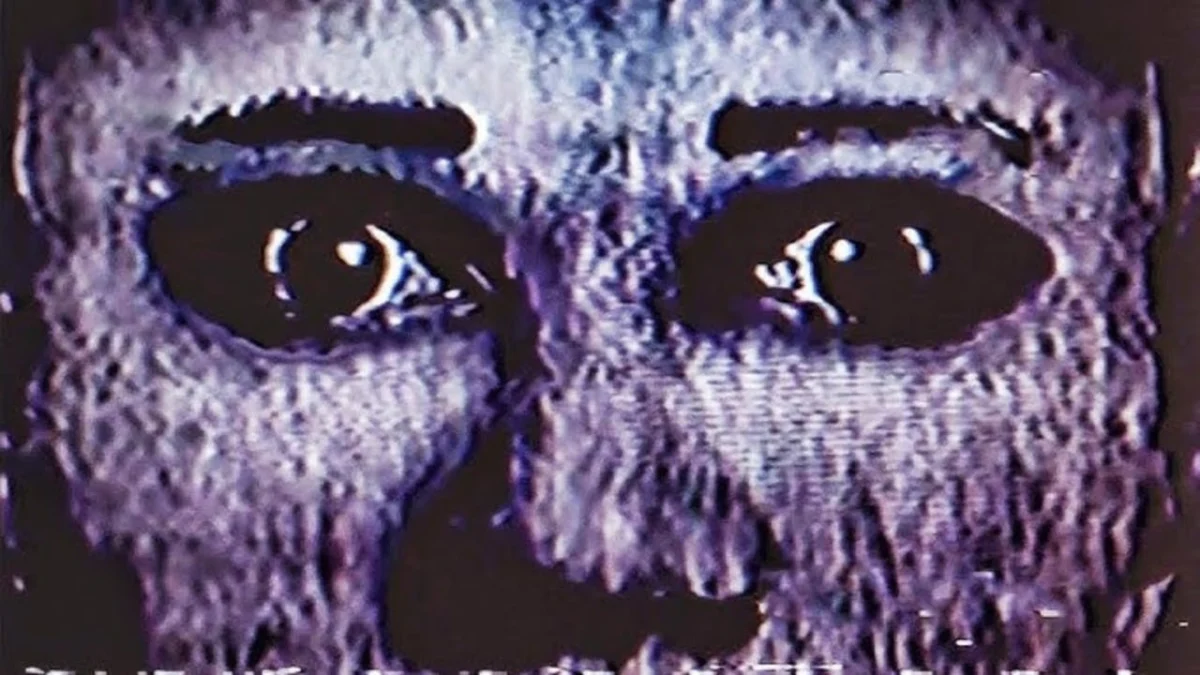
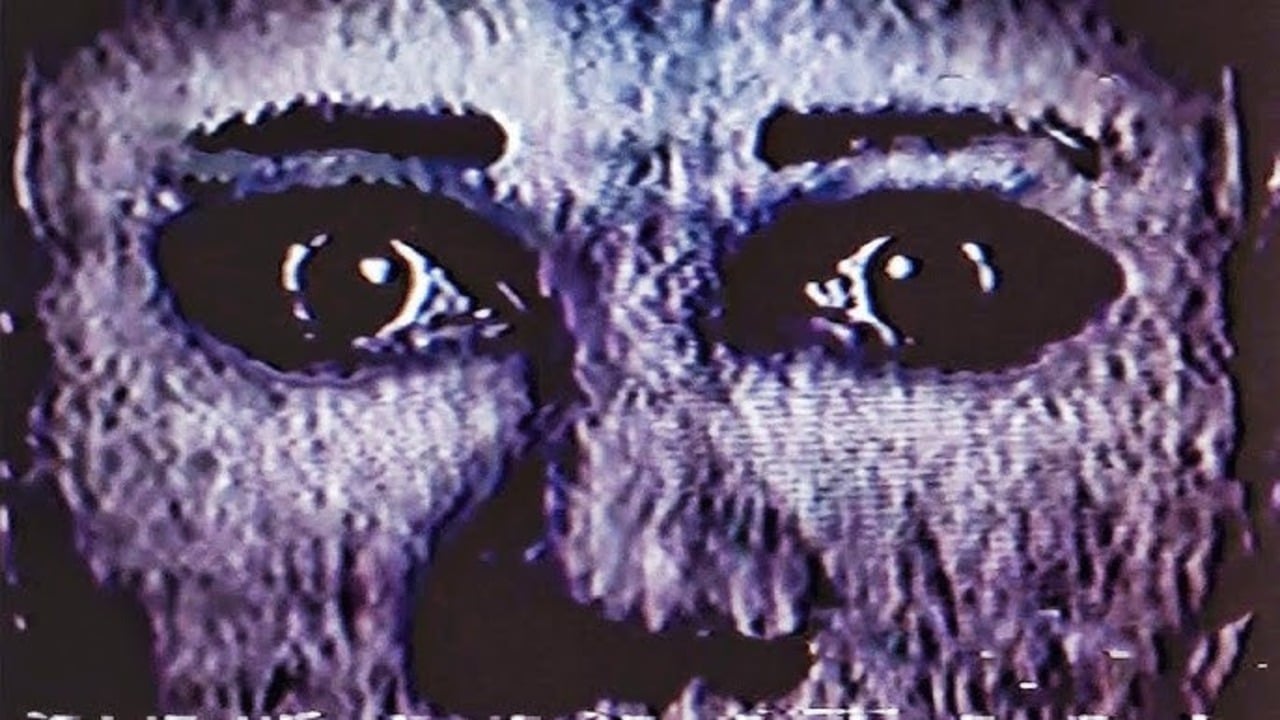
Launched in 2021 by creator Alex Kister, "The Mandela Catalogue" is set in the fictional Mandela County, Wisconsin. The series plunges viewers into a chilling narrative where the seemingly mundane reality of the county is disrupted by the insidious presence of "Alternates"—shape-shifting, nearly immortal entities that prey on human fear and perception. The series gained considerable traction for its unique blend of psychological horror, unsettling analog-style visuals, and a narrative that often plays on the collective anxieties surrounding altered realities and perceived societal decay. Kister’s innovative approach to storytelling, utilizing found footage aesthetics and a fragmented narrative structure, resonated with a global audience, particularly within niche horror and creepypasta communities.
A Collaborative Vision for the Screen
The adaptation is set to be helmed by the original creator, Alex Kister, who will also co-write the screenplay with Tyler Clifton. This collaborative approach, involving the original architect of the story, is often seen as a positive indicator for faithful and authentic adaptations. The production team is a formidable assembly of established Hollywood talent and independent producers. Steven Spielberg and Holly Bario will produce for Amblin Entertainment, a powerhouse known for its genre-defining blockbusters. Scott Stuber, a key figure at United Artists, and Nick Nesbitt will also be involved, alongside Aaron B. Koontz of Paper Street Pictures, a company that has previously shown a commitment to genre filmmaking. Kister and Clifton are also attached as producers, ensuring their creative vision remains central to the project.
Hollywood’s Internet Scavenger Hunt
This acquisition of "The Mandela Catalogue" is not an isolated incident but rather part of a broader trend. The success of other internet-born horror properties has clearly emboldened studios to actively scout digital platforms. Notably, the recent successes of projects like "Obsession," by YouTuber Curry Barker, and "The Backrooms," by Kane Parsons, have illuminated the lucrative potential of leveraging existing online fanbases and creative talent. Just days prior to this announcement, news broke of the adaptation of Trevor Henderson’s "Siren Head" meme into a feature film, with Zach Cregger and Brian Duffield attached to the project. This ongoing "scavenger hunt" for the next big hit underscores a strategic pivot in Hollywood’s content acquisition strategy, moving beyond traditional pitches and established IPs to tap into the grassroots creativity flourishing online.
The Spielberg Factor and Future Implications
The involvement of Steven Spielberg, a filmmaker whose career has been instrumental in shaping the landscape of modern cinema, adds a significant layer of prestige and anticipation to "The Mandela Catalogue" adaptation. His track record in producing and directing critically acclaimed and commercially successful films, particularly within the realm of speculative fiction and adventure, suggests a commitment to elevating the source material.
The implications of this deal extend beyond the immediate production of "The Mandela Catalogue." It signals a continuing and likely accelerating trend of major studios investing heavily in internet-native horror content. As digital platforms continue to serve as fertile ground for new creative voices and niche communities, Hollywood will undoubtedly intensify its efforts to identify and acquire properties with proven audience engagement. This approach not only diversifies the types of stories being told on the big screen but also offers new avenues for creators to achieve mainstream recognition and commercial success. The success of such adaptations could lead to a more symbiotic relationship between independent online creators and major production houses, fostering a more dynamic and inclusive ecosystem for horror filmmaking.
A Glimpse into "The Mandela Catalogue"
To understand the appeal of "The Mandela Catalogue," audiences can experience its unsettling atmosphere through its original YouTube episodes. The series’ distinct visual style, often characterized by its low-fi aesthetic and palpable sense of dread, has been a key component of its success. The narrative’s exploration of themes such as existential dread, the fragility of reality, and the pervasive nature of fear has resonated deeply with viewers, contributing to its substantial viewership and online discussions.
(Note: A direct link to the YouTube video would typically be embedded here in a published article, allowing readers to sample the content.)
Supporting Data and Context
The digital content landscape has seen an exponential growth in user-generated horror content over the past decade. Platforms like YouTube have become breeding grounds for independent filmmakers and storytellers to cultivate audiences for their unique visions. "The Mandela Catalogue" is a prime example of this phenomenon, amassing millions of views and fostering a dedicated fanbase through consistent uploads and engagement.
The success of other digital-to-film adaptations, such as "Five Nights at Freddy’s," which garnered over $291 million worldwide despite mixed critical reviews, demonstrates the commercial viability of leveraging established online fanbases. This precedent provides a strong financial incentive for studios to invest in similar projects. The cost of acquiring rights and developing projects based on existing online IPs can also be comparatively lower than developing entirely original screenplays from scratch, although the success of such adaptations is far from guaranteed.
Timeline of Developments
- 2021: "The Mandela Catalogue" series is launched on YouTube by Alex Kister.
- Post-2021: The series gains significant traction and a dedicated following, accumulating millions of views across its episodes.
- Early 2020s: Hollywood studios begin to increase their focus on acquiring rights to successful online content, particularly in the horror genre, following the success of other digital-native adaptations.
- Recent Announcement (July 2026 – as per original article’s inferred date): Deadline reports that United Artists, Amblin, and Amazon MGM Studios have secured the film rights to "The Mandela Catalogue" after a competitive bidding war involving eleven studios. Alex Kister is slated to direct and co-write.
Broader Industry Impact
The increasing reliance on digital platforms for sourcing new film and television content signals a fundamental shift in Hollywood’s creative pipeline. It democratizes the creation process, allowing independent creators to build significant followings and prove the marketability of their ideas without traditional studio backing. This trend is likely to continue, encouraging more aspiring filmmakers to experiment with digital storytelling and potentially leading to a more diverse range of voices and narratives reaching mainstream audiences. The challenge for studios will be to maintain the integrity and unique appeal of these online properties while adapting them for a broader cinematic experience, a balancing act that has proven difficult for many previous adaptations. The success of "The Mandela Catalogue" adaptation, if achieved, could further solidify this new paradigm in content acquisition and production.