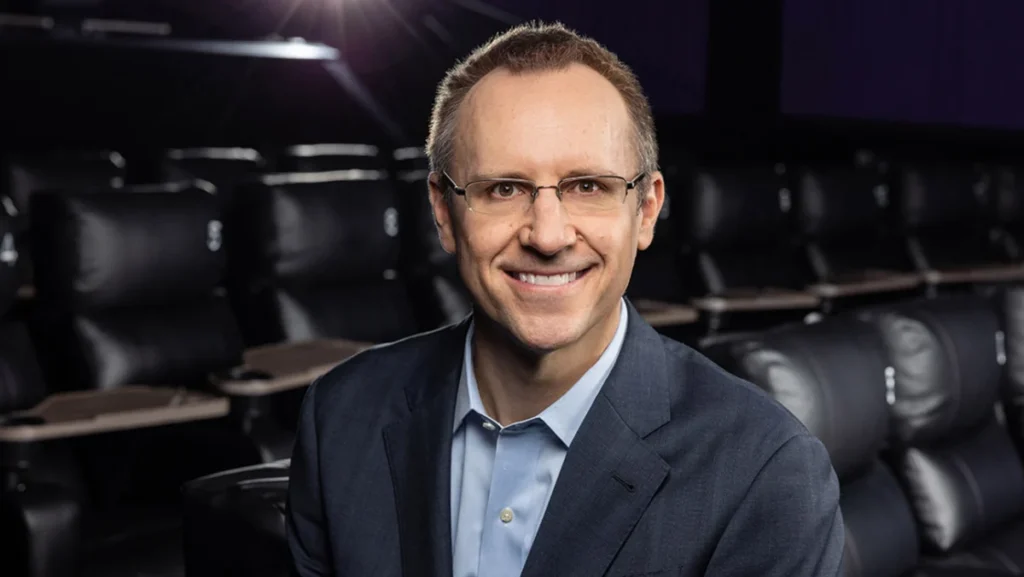
The 60th edition of the Karlovy Vary International Film Festival (KVIFF), scheduled to take place from July 3 to 11 in the Czech Republic, is set to unveil its most comprehensive industry program to date. While the festival remains a premier destination for cinematic discovery in Central and Eastern Europe, the concurrent Industry Days, running from July 5 to 8, have been significantly broadened to address the shifting economic and technological landscape of global media. Under the leadership of Hugo Rosák, Head of the KVIFF Film Industry Office, the 2026 program aims to bridge the gap between traditional filmmaking and emerging formats, while facilitating deeper commercial ties between regional creators and the international market.
The expanded programming arrives at a pivotal moment for the European audiovisual sector, which is currently grappling with fluctuating subsidy models and the rapid ascent of streaming platforms. By integrating high-level creative keynotes with practical business workshops, KVIFF Industry Days seeks to provide a roadmap for sustainability in an increasingly volatile industry. The festival’s leadership has emphasized that this year’s innovations are not merely additive but are essential adaptations to a world where stories are no longer confined to the silver screen.
A Legacy of Excellence: Context and Chronology
Founded in 1946, the Karlovy Vary International Film Festival is one of the oldest film events in the world and holds a "Category A" status alongside prestigious festivals like Cannes, Venice, and Berlin. Historically, the festival served as a vital bridge between the East and West during the Cold War. In the decades following the Velvet Revolution, it has evolved into the most significant film event in Central and Eastern Europe.
The Industry Days were established to capitalize on this regional influence, providing a marketplace for films in various stages of production. Over the last decade, the industry section has grown from a modest gathering of regional distributors into a sophisticated hub attracting major Hollywood talent and European power brokers. The 2026 edition marks a significant milestone, celebrating sixty years of cinematic history while pivoting toward a future defined by digital convergence and cross-border collaboration.
High-Profile Sessions and Creative Leadership
To anchor the professional program, KVIFF has secured an array of influential voices from the worlds of prestige television and independent cinema. A cornerstone of the schedule is a session titled "The Sopranos and Beyond: David Chase on Storytelling, Television, and the Future of Creative Risk." Chase, the creator of the seminal HBO series, will discuss the evolution of the "anti-hero" narrative and the challenges of maintaining creative integrity within large-scale production environments.
Complementing this exploration of narrative structure, Sharon Horgan—the acclaimed writer, producer, and actor behind Catastrophe and Bad Sisters—will join cinematographer and director Andrij Parekh, known for his Emmy-winning work on Succession. Their discussion, "The Cinematic Series: Storytelling in the Age of Streaming," will examine the blurring lines between television and film, focusing on how visual language has evolved to meet the demands of high-budget episodic content.
The festival will also place a spotlight on Jude Law’s production company, Riff Raff Entertainment. Co-founder Ben Jackson and Katie Sinclair, Head of Film and TV, will participate in a deep dive into the company’s development philosophy. By showcasing a talent-led production house that successfully navigates both independent films and major studio collaborations, KVIFF aims to provide regional producers with a blueprint for scaling their own operations.
The Book-to-Screen Initiative: Addressing Regional Rights Gaps
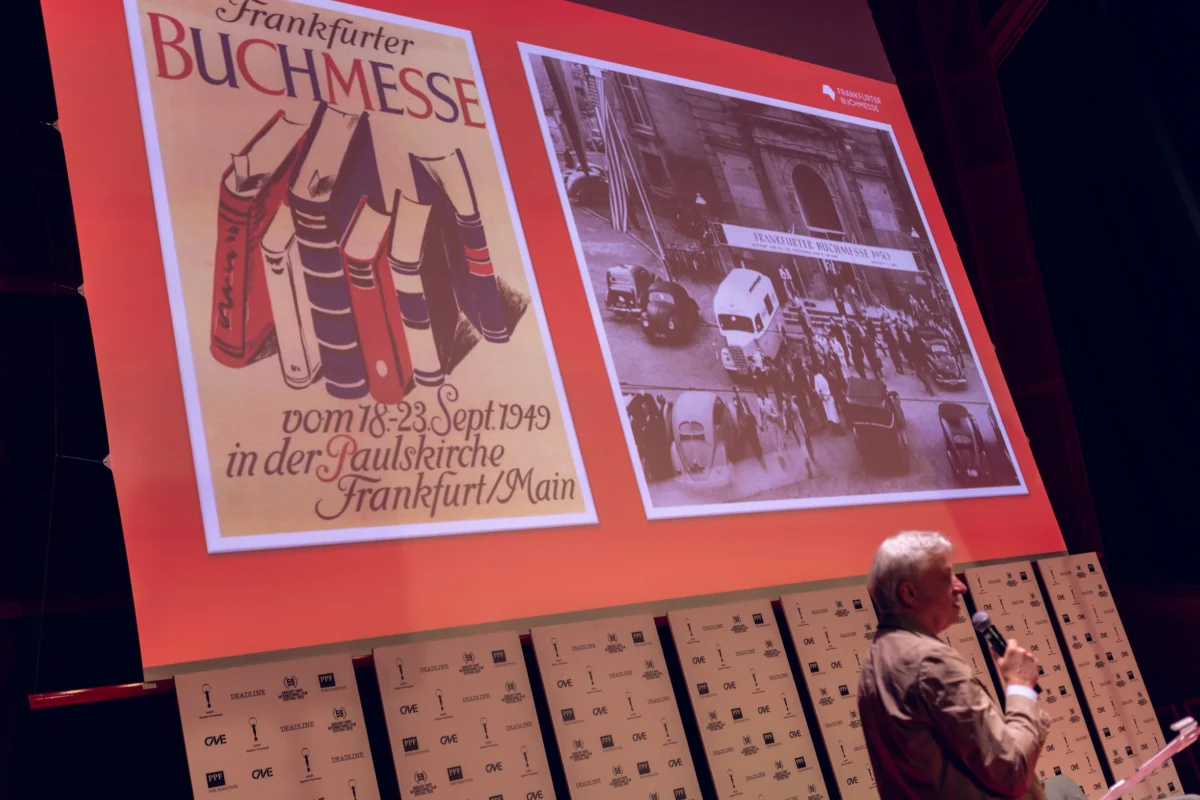
One of the most significant structural additions to the 2026 program is the inaugural Book-to-Screen program. Developed in partnership with the Frankfurter Buchmesse, this initiative addresses a long-standing inefficiency in the Central and Eastern European (CEE) market: the lack of a streamlined pipeline for literary adaptations.
In many Western markets, such as France and Germany, the process of acquiring adaptation rights is well-established, with publishing houses often maintaining dedicated departments for film and TV rights. However, in the CEE region, rights management remains fragmented. Authors frequently retain their own adaptation rights without the legal infrastructure to market them, or they sell them to publishers who lack the connections to reach international film producers.
Hugo Rosák noted that the Book-to-Screen initiative was inspired by the Berlin International Film Festival’s successful adaptation programs. By focusing specifically on CEE literature, KVIFF provides a curated space where independent producers can access high-quality regional stories. The program includes a "Think Tank" designed to identify systemic hurdles in the rights-acquisition process, with the goal of producing a white paper or a list of policy recommendations for regional film funds by 2027.
Embracing Emerging Formats: Vertical Microdramas and AI
As consumer habits shift toward mobile-first consumption, KVIFF is breaking tradition by dedicating a portion of its industry program to vertical microdramas. This format, which has seen an explosive boom in Asian markets and is rapidly gaining traction in the United States, involves short-form, vertically oriented episodes designed specifically for smartphone viewing.

While some traditionalists view microdramas as a threat to the cinematic experience, the KVIFF Industry Office views them as a necessary tool for producer survival. The festival’s analysis suggests that as traditional funding for mid-budget features becomes scarcer, producers must diversify their portfolios. These formats offer a way to maintain production workflows and engage younger audiences while developing larger-scale projects.
In tandem with new formats, the festival will address the role of Artificial Intelligence in production. Rather than focusing on the speculative or philosophical debates surrounding AI, the Industry Days will provide practical demonstrations of AI tools currently available for post-production, visual effects, and budget optimization. The objective is to demystify the technology and show how it can be used to increase "production value"—a key metric for regional films seeking to compete on the global stage.
Strengthening the Mid-Career Pipeline: KVIFF Central Stage
Now in its second edition, the KVIFF Central Stage showcase will present "films in the works" from 11 selected directors. Unlike many festival showcases that focus exclusively on first-time filmmakers, this program intentionally highlights experienced directors who have already established a presence on the international circuit.
This strategic choice reflects a growing crisis in the independent film economy: the "sophomore slump" or mid-career plateau. Many directors find that while their debut films received critical acclaim, the path to financing subsequent projects is increasingly difficult due to the contraction of the theatrical market. By providing these established teams with a high-profile platform to pitch their upcoming work, KVIFF aims to facilitate the crucial "closing" of financing rounds that might otherwise stall.
Transatlantic Collaboration: The Global Media Makers Residency
A major highlight of the 2026 industry schedule is the Global Media Makers Residency, a collaboration between KVIFF, the U.S. Department of State, and the Los Angeles-based non-profit Film Independent. This intensive program will host between 14 and 20 independent producers from the Czech Republic and Slovakia.
The residency is designed to introduce Central European producers to the American "private equity" model of filmmaking. Unlike the European system, which relies heavily on state-sponsored cultural grants, the U.S. model emphasizes private investment, audience analytics, and aggressive packaging of talent.
Rosák has expressed a pragmatic, if slightly somber, view of this necessity. With European film funds facing potential budget cuts and increased competition for grants, the ability to attract private capital is becoming a survival skill. The Global Media Makers program aims to teach regional producers how to "package" their stories for a global market, making them less dependent on the fluctuating priorities of national film boards.
Economic Implications and the Future of Regional Cinema
The expansion of KVIFF’s industry program occurs against a backdrop of significant economic transformation. Data from recent years suggests that while the total number of films produced globally remains high, the "middle" of the market—films with budgets between €2 million and €10 million—is under immense pressure. These are often the films that form the backbone of European cinema.
By fostering initiatives like the Book-to-Screen program and the U.S. residency, KVIFF is positioning itself as a proactive agent in the preservation of this "cinematic middle class." The festival’s leadership argues that the industry cannot afford to feel safe or rely on the models of the past. Instead, producers must become more entrepreneurial, tech-savvy, and adaptable to new storytelling structures.
The 60th anniversary of the Karlovy Vary International Film Festival thus serves as both a celebration of heritage and a rigorous laboratory for the future. As the industry gathers in the historic spa town this July, the focus will be squarely on how to translate creative vision into sustainable business practices. Through its blend of star-powered insights and practical, data-driven workshops, KVIFF continues to assert its role as a vital architect of the Central and Eastern European audiovisual landscape.