The landscape of digital broadcasting is set for a significant transformation as Netflix officially announces that it will begin streaming the iconic morning show, The Breakfast Club, live every weekday starting June 1. This move represents a substantial deepening of the existing relationship between the streaming giant and iHeartMedia, the parent company of the long-running radio program. Under the terms of the expanded agreement, the show will air simultaneously as a live video broadcast on Netflix at 6 a.m. ET, coinciding with its traditional radio broadcast. The three-hour daily program, known for its high-profile celebrity interviews, sharp cultural commentary, and influential presence in the hip-hop and urban contemporary sectors, will now be accessible to Netflix’s global subscriber base of over 260 million people.
The Evolution of a Cultural Powerhouse
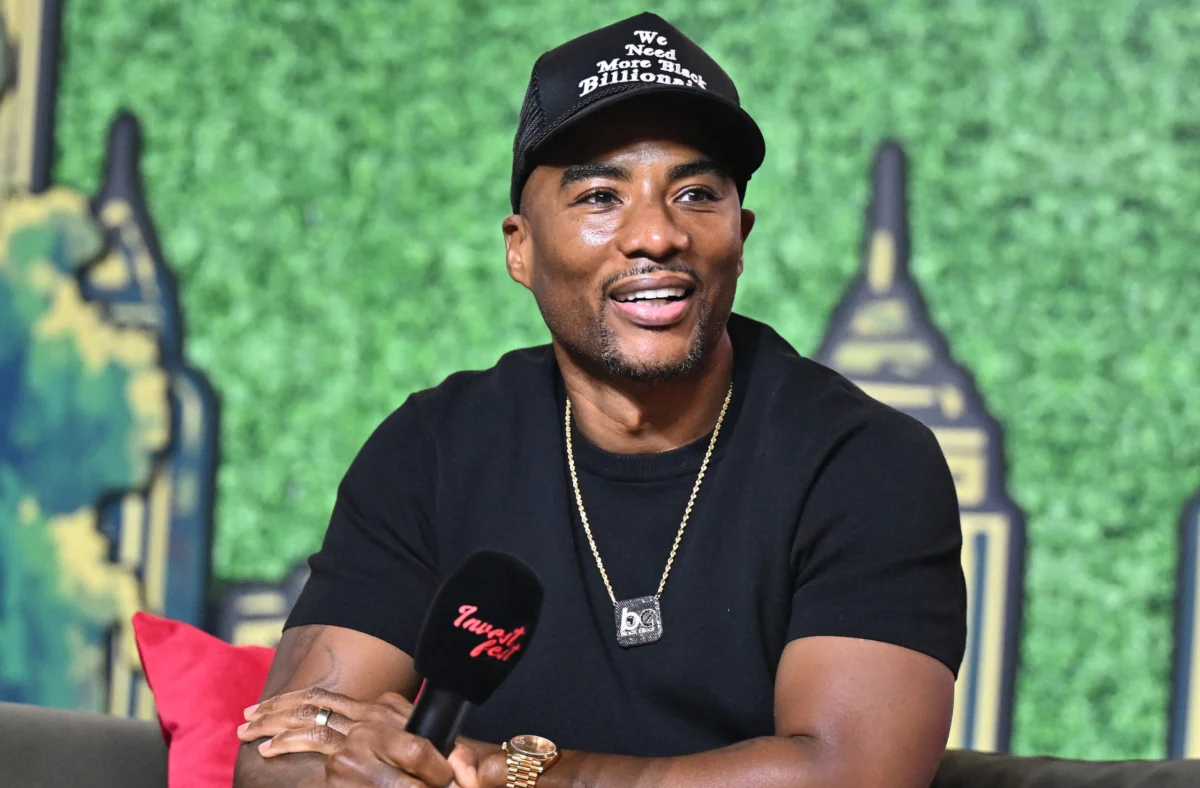
The Breakfast Club, originating from New York City’s Power 105.1, has long been regarded as "the world’s most dangerous morning show." Since its inception in December 2010, the program has evolved from a local radio segment into a multifaceted media brand with significant political and cultural leverage. Hosted by Charlamagne tha God and DJ Envy—and recently joined by Jess Hilarious following the departure of long-time co-host Angela Yee—the show has become a mandatory stop for musicians, actors, and even high-ranking political figures.
The show’s transition to a live global video format on Netflix is not its first foray into television. Previously, the program maintained a successful televised partnership with Sean "Diddy" Combs’ Revolt TV, which helped cement its visual identity. However, the move to Netflix signifies a shift from niche cable television to a dominant global streaming platform, allowing the show to bypass traditional geographic limitations and reach audiences in real-time across multiple continents.
Strategic Realignment: Netflix’s Push into Live Programming
The inclusion of The Breakfast Club in Netflix’s daily lineup is part of a broader, more aggressive strategy by the streaming service to integrate live content into its traditionally on-demand library. For years, Netflix resisted the move toward live broadcasting, but recent market pressures and the need to diversify content offerings have led to a pivot.
This strategy began in earnest with live comedy specials, such as Chris Rock’s "Selective Outrage," and has since expanded into sports and unscripted events, including "The Roast of Tom Brady" and the upcoming live broadcast of WWE Raw starting in 2025. By adding a daily, live talk show like The Breakfast Club, Netflix is positioning itself as a direct competitor to traditional morning television and digital platforms like YouTube and Twitch.
The Breakfast Club joins other high-profile video podcasts on the platform, such as The Bill Simmons Podcast from Spotify’s The Ringer, which currently airs live on Sundays. These licensing deals with iHeartMedia and Spotify indicate that Netflix is looking to capture the "appointment viewing" habits of podcast listeners who have increasingly migrated to video formats.
Global Reach and Cultural Connectivity
The expansion to a global live format has profound implications for the show’s reach. Charlamagne tha God highlighted the significance of this "Live Globally" aspect, noting that the broadcast will hit different time zones at various points of the day, creating a continuous cycle of engagement. While it remains a morning staple in New York, it will serve as daytime programming in the United Kingdom and Ghana, and evening content across other parts of the world.
This global synchronization is particularly relevant given the international rise of Afrobeats and the global influence of American hip-hop culture. By providing a platform that is live in Ghana and the UK, Netflix and iHeartMedia are tapping into the African diaspora and international markets that have historically consumed The Breakfast Club content via delayed YouTube clips. The ability to participate in the conversation in real-time—rather than waiting for highlights to be uploaded—is expected to strengthen the show’s "real-time community" aspect.
Financial and Industry Implications
From an industry perspective, this deal highlights the growing value of video podcasting. According to industry data, the podcasting market is projected to reach a valuation of nearly $100 billion by 2030, with video-centric podcasts seeing the fastest growth among younger demographics. For iHeartMedia, the deal provides a massive distribution pipeline and a new revenue stream through Netflix’s licensing fees.
For Netflix, the benefit is twofold: engagement and advertising. With the launch of its ad-supported tier, Netflix requires a consistent stream of daily content to keep users returning to the app. A live morning show provides 15 hours of fresh content per week, creating recurring advertising inventory that is more akin to traditional television than the platform’s typical "binge-watch" model. This move also helps Netflix reduce its "churn" rate—the frequency with which subscribers cancel their service—by offering daily utility that goes beyond movies and scripted series.
Statements from Leadership
Bob Pittman, Chairman and CEO of iHeartMedia, emphasized the importance of the show’s cultural footprint in his official statement. "The Breakfast Club has always been at the center of culture, breaking artists, shaping conversations, and reflecting real life in real time," Pittman said. He further noted that the partnership is a "powerful example" of how iHeartMedia is expanding its biggest brands to give audiences entirely new ways to experience them, regardless of their geographic location.
Charlamagne tha God echoed these sentiments, focusing on the endurance of live programming in a fragmented media landscape. "The media landscape will always evolve, but one thing consistently cuts through: live programming," he stated. He emphasized that the vision for the collaboration is "crystal clear," focusing on building a "real-time conversation" and "real community" on a global scale.
Timeline of the Partnership and Launch
The rollout of the live broadcast follows a series of technical tests and smaller-scale licensing agreements between the two companies.
- Late 2023: Netflix and iHeartMedia begin discussions on expanding their podcast licensing deal to include video components for flagship programs.
- Early 2024: Netflix successfully trials live-streaming technology with several "one-off" events, proving the infrastructure can handle high-concurrency live viewership.
- May 2024: Official announcement of the June 1 launch date for The Breakfast Club live stream.
- June 1, 2024: Scheduled debut of the live 6 a.m. ET broadcast on Netflix, marking the first time a daily morning radio show is streamed live globally on the platform.
Analyzing the Impact on Traditional Media
The migration of The Breakfast Club to Netflix is a signal of the continued erosion of the boundaries between radio, television, and streaming. Traditionally, radio was a local medium, tethered to the range of a broadcast tower. While digital streaming via apps like iHeartRadio broke those physical barriers, the integration into a video-first platform like Netflix transforms the medium into something closer to "social television."
This move also places pressure on other major streaming platforms. Spotify, which has invested heavily in video podcasts with the likes of Joe Rogan, may find itself in a bidding war for top-tier talent as Netflix proves its live-streaming capabilities. Similarly, YouTube, which currently serves as the primary archive for The Breakfast Club’s interviews, may see a shift in traffic as users opt for the ad-free (on premium tiers) or integrated experience of Netflix.
Conclusion and Future Outlook
As The Breakfast Club prepares for its June 1 debut on Netflix, the media industry will be watching closely to see how the "live" experiment performs. If successful, this could pave the way for other daily talk shows, news programs, and even sports-talk formats to find a permanent home on streaming services.
The partnership represents a synergy between a legacy radio giant and a modern streaming titan, both of whom are looking to define the future of "live" in a digital world. For the audience, it means the "conversation" that starts in a studio in New York City will now resonate instantly from Accra to London, proving that while the delivery method changes, the appetite for authentic, real-time cultural commentary remains universal. The vision for The Breakfast Club on Netflix is not just about moving a radio show to a screen; it is about creating a global town square for the modern era.