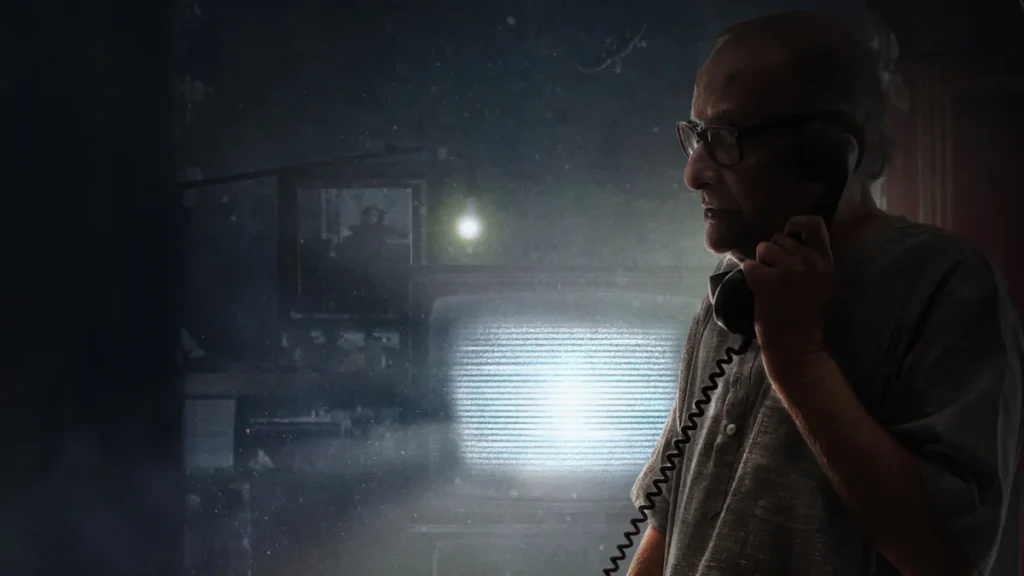
Over the last few years, Vietnam has quietly emerged as a genre hotspot, with the country producing a strong selection of titles that have secured some form of international acclaim or recognition. This cinematic ascent is further underscored by the international premiere of director Quoc Trung Do’s latest offering, “Phi Phong: The Blood Demon,” at the prestigious Neuchâtel International Fantastic Film Festival (NIFFF). The film’s inclusion in NIFFF’s lineup signals a growing global awareness of Vietnam’s burgeoning film industry and its distinctive approach to genre filmmaking, particularly in the horror and fantasy domains.
The Resurgence and Rise of Vietnamese Genre Cinema
Vietnam’s journey to becoming a notable player in the global genre cinema landscape is a testament to persistent artistic innovation and increasing industry investment. For decades following the Vietnam War, the nation’s film industry faced significant challenges, often operating under strict state control and limited resources. Production was modest, with a focus primarily on social realism and historical dramas that often served state narratives. However, the economic reforms of Đổi Mới, initiated in the late 1980s and early 1990s, gradually opened up the country, leading to a revitalization of its cultural sectors, including cinema.
The early 21st century saw a nascent resurgence, driven by a new generation of filmmakers eager to explore diverse narratives and production styles. The domestic box office began to expand significantly, fueled by a young, urban population seeking modern entertainment options. This growth fostered an environment where genre films, particularly horror and thrillers, found a receptive audience. These genres often allow filmmakers to delve into deep-rooted cultural beliefs, folklore, and societal anxieties, resonating strongly with local viewers while also offering unique and exotic perspectives for international audiences. The relatively lower budget requirements for many horror productions, compared to large-scale dramas or action films, also made them an accessible entry point for independent filmmakers seeking international recognition.
Recent years have seen a marked acceleration in this trend, with a noticeable uptick in both the quantity and quality of genre output. Films like "The Soul Reaper" (directed by Tran Huu Tan), released in 2024, garnered attention for its intricate blend of supernatural horror and traditional Vietnamese spiritualism, earning accolades for its atmospheric storytelling and chilling visual effects. Similarly, "Spirit Whisker: The Revenant" (by Luu Thanh Luan), also released in 2024, explored themes of revenge and possession through a distinctly Vietnamese lens, while "The Ancestral Home" (by Huynh Lap), set for a 2025 release, delves into the psychological terror inherent in family secrets and haunted legacies. These titles, among others, have collectively demonstrated the country’s increasing diversity in storytelling, technical prowess, and expanding skill set. Their critical reception and festival selections have helped to establish a foundation upon which new productions like "Phi Phong: The Blood Demon" can build, further solidifying Vietnam’s reputation as a dynamic source of fantastic cinema. This consistent output and growing international visibility suggest a deliberate strategic push within the Vietnamese film industry to cultivate and export its unique genre narratives.
Neuchâtel International Fantastic Film Festival: A Global Platform for Genre Excellence
The Neuchâtel International Fantastic Film Festival (NIFFF), held annually in Neuchâtel, Switzerland, stands as a pivotal event for celebrating and dissecting genre cinema from around the globe. Established in 2000, NIFFF has built a formidable reputation for its meticulously curated selection of fantasy, horror, science fiction, and Asian films, becoming a crucial platform for filmmakers seeking international recognition and distribution. The festival is renowned not only for its film screenings but also for its academic rigor, hosting conferences, masterclasses, and workshops that foster a deeper understanding and appreciation of genre narratives and their cultural significance. Its unique position as a major European festival dedicated entirely to fantastic cinema makes it an ideal launchpad for films that push creative boundaries.
NIFFF’s commitment to showcasing Asian cinema is particularly strong, with a dedicated section often highlighting the vibrant and diverse output from the continent. This focus acknowledges Asia’s rich tradition in producing innovative and often boundary-pushing genre films, from Japanese psychological thrillers and South Korean creature features to Southeast Asian folklore horror and martial arts fantasies. The festival actively seeks out films that reflect regional specificities and cultural nuances, providing a vital bridge between Eastern and Western cinematic traditions. For "Phi Phong: The Blood Demon" to be selected for such a prestigious event underscores its perceived quality and its potential to resonate with a diverse international audience of genre enthusiasts. Its inclusion places it among a curated collection of films that represent the cutting edge of fantastic storytelling, offering director Quoc Trung Do and the Vietnamese film industry a significant opportunity to connect with critics, distributors, and cinephiles worldwide. This exposure at NIFFF is not merely a screening but a powerful endorsement of the film’s artistic merit and its contribution to the global genre discourse, potentially opening doors for wider distribution and further festival appearances.
"Phi Phong: The Blood Demon" – A Deep Dive into Vietnamese Folklore and Fear
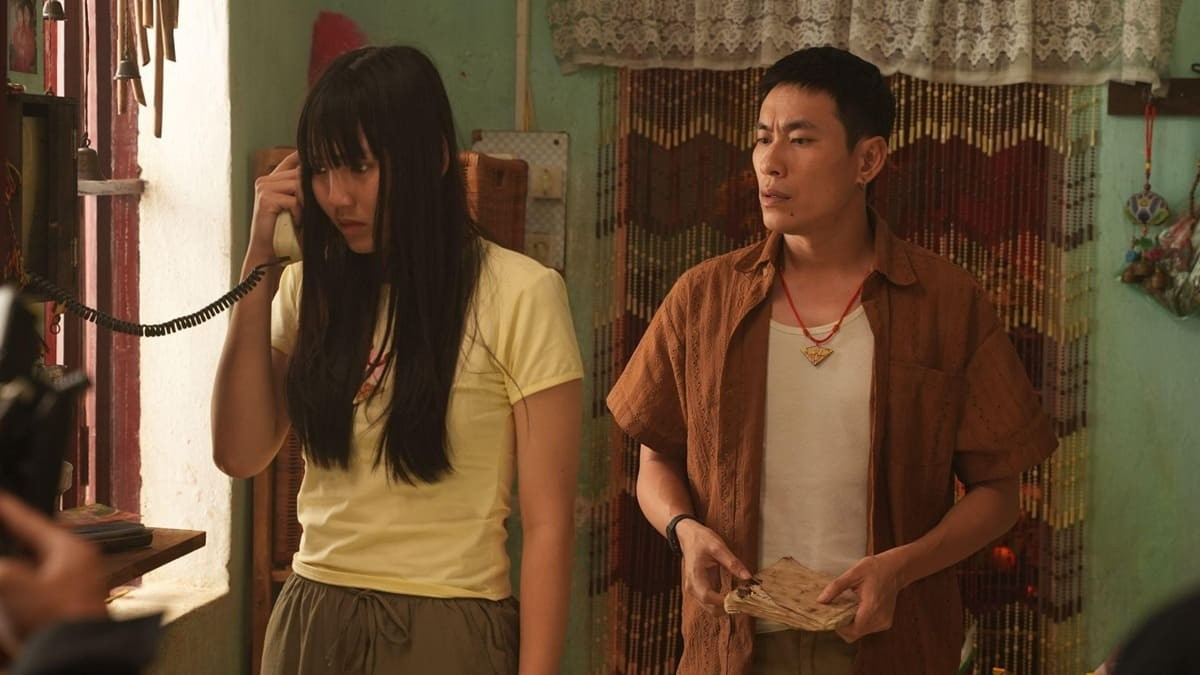
Director Quoc Trung Do’s "Phi Phong: The Blood Demon" plunges audiences into a world steeped in Vietnamese mountain folklore, presenting a regional horror narrative that is both intensely personal and deeply unsettling. The film follows the arduous journey of two apprentice shamans, Con (portrayed by the acclaimed Kieu Minh Tuan) and Duong (Minh Anh), as they venture into treacherous mountain terrain. Their mission is one of profound personal urgency: to save their mother, who has fallen victim to the malevolent Phí Phong curse—a bloodthirsty demon from ancient mountain legends that has haunted generations. Kieu Minh Tuan, a veteran actor known for his versatility across various Vietnamese film genres, including action and comedy, brings a gravitas and nuanced intensity to Con, anchoring the audience’s emotional investment in the siblings’ desperate quest. Minh Anh, while newer to such prominent roles, complements Tuan’s performance, embodying the youthful determination and vulnerability essential to Duong’s character, creating a believable sibling dynamic.
Simultaneously, a series of gruesome and inexplicable deaths begins to plague a remote village nestled within the cursed mountains. These escalating incidents cast suspicion upon Mon (played by Diep Bao Ngoc) and her young daughter Lua (Nina Nutthacha), whose behavior and physical manifestations exhibit traits eerily similar to those attributed to the fabled demon. Diep Bao Ngoc, celebrated for her nuanced portrayals in both television dramas and films, skillfully navigates the ambiguity of her character, leaving the audience to question her innocence or complicity. Nina Nutthacha, as Lua, delivers a performance that oscillates between innocent child and terrifying vessel, a crucial element in maintaining the film’s high tension and unsettling atmosphere.
As Con and Duong press deeper into the cursed forest, they uncover shocking secrets buried deep within its ancient soil. These revelations not only complicate their understanding of the Phí Phong curse but also draw them into a relentless hunt to uncover the true, horrifying face of the demon. The narrative intricately weaves together the personal plight of the shamans with the wider terror gripping the village, creating a multifaceted horror experience that blends familial drama with supernatural dread. The film’s production design effectively utilizes the natural, rugged beauty of Vietnam’s mountainous regions to enhance the sense of isolation and ancient malevolence, providing an authentic backdrop for the unfolding horror.
Narrative Strengths and Atmospheric Brilliance
For the most part, "Phi Phong: The Blood Demon" distinguishes itself as an immensely enjoyable and culturally rich slice of regional horror. Its greatest strength lies in its meticulous exploration of local folklore and superstition, providing a rich tapestry against which the supernatural events unfold. The film excels at establishing a dense, paranoiac atmosphere, vividly portraying a remote mountain community where the line between natural and supernatural is constantly blurred. The villagers’ reliance on arcane protection rituals, ancestral offerings, spells, and age-old customs to ward off evil is depicted with an authenticity that grounds the fantastical elements in a palpable sense of tradition, fear, and collective belief. This deep dive into cultural specificities distinguishes it from more generic horror offerings.
What elevates the narrative beyond conventional horror is its profound exploration of human nature under duress. The film masterfully toys with village hysteria, creating a compelling psychological dimension where fear breeds suspicion and suspicion breeds violence. It prompts viewers to question whether Mon is indeed the true villain, fully possessed by the demon, or if a human culprit is cynically exploiting the community’s madness and deep-seated fears for their own nefarious ends. This ambiguity keeps the audience engaged, shifting suspicion and challenging preconceived notions, thereby adding layers of suspense that extend beyond mere jump scares, leaning into the psychological terror of collective delusion.
Once the possession sequences ignite, "Phi Phong" truly delivers some phenomenal, creature-feature set pieces. The transformations are chilling, depicting ordinary villagers morphing into rabid, animalistic threats who attack with unsettling, gleeful smirks. The demon’s body-hopping mechanic is particularly effective, keeping the tension relentlessly high as it renders almost anyone a potential vessel, making it impossible to predict who will turn next. This dynamic not only maximizes terror but also enhances the pervasive sense of distrust within the community. These scenes are further bolstered by impressive practical and digital special effects, particularly during the ritual combat sequences, which blend traditional elements of shamanistic confrontation with modern cinematic techniques to create visually striking and visceral battles against the supernatural.
The film’s climax, a chaotic underground cave showdown, stands out as a high point. It masterfully balances supernatural curses, black magic, and an intense emotional test of Con and Duong’s fraternal bond. This sequence is incredibly fun and impactful, delivering on the promise of the preceding build-up with a visceral energy. Furthermore, it cleverly drops a solid twist about how the curse spreads, providing a satisfying, albeit unsettling, resolution to one aspect of the mystery while leaving other implications to linger. The production design of the cave, with its shadowy depths and ancient carvings, contributes significantly to the claustrophobic and menacing atmosphere of the finale, amplifying the sense of inescapable dread.
Areas for Further Refinement
Despite its many merits, the film does encounter some narrative stumbles in its execution, primarily concerning its accessibility to a broader international audience. The biggest drawback noted is its heavy reliance on the audience having prior knowledge of the Phi Phong lore. While the creature is deeply ingrained in Vietnamese regional folklore and likely familiar to domestic viewers, international audiences or those unfamiliar with the specific legend may find the supernatural rules, the demon’s specific powers, and its intricate historical background a bit opaque. The movie, at times, doesn’t sufficiently perform the necessary "heavy lifting" on its own merits to explain the demon’s origins, motivations, or specific weaknesses within its own narrative framework. This omission means that the stakes regarding Con and Duong’s ultimate mission—to save their mother and the village—can lose some of their intended suspense for viewers struggling to grasp the full scope and gravity of the curse. A more robust exposition of the lore, perhaps through carefully integrated dialogue or visual cues, could have enriched the experience for outsiders without detracting from the mystery for those already familiar.
Additionally, the final act, while delivering on spectacle and plot development, is criticized for cramming in far too many narrative twists and secret reveals in rapid succession. This sudden plot dump, rather than enhancing the complexity, paradoxically stalls the film’s hard-earned momentum. Right when the narrative should be accelerating towards its crescendo, the barrage of revelations can make the finale feel needlessly bloated and convoluted, potentially overwhelming the audience with information that could have been more organically integrated throughout the film. This density, while perhaps aiming for a rich tapestry of plot points, ultimately risks diluting the emotional impact and clarity of the film’s resolution, leaving some viewers feeling more confused than satisfied.
Implications for Vietnamese Cinema and Global Horror
"Phi Phong: The Blood Demon" stands as a significant marker in the ongoing evolution of Vietnamese cinema. Its premiere at NIFFF is not just a triumph for director Quoc Trung Do and his team but also a broader victory for the entire Vietnamese film industry. This international exposure helps to dismantle traditional perceptions of Asian cinema as being solely dominated by a few established players like South Korea or Japan, highlighting the diverse and rich storytelling emerging from Southeast Asia. It positions Vietnam as a serious contender in the global genre market, capable of producing films that are both culturally authentic and universally thrilling.
The film’s focus on deep-seated local folklore positions it as a cultural ambassador, offering a window into Vietnamese traditions, superstitions, and societal values. This cultural specificity is precisely what often attracts international genre festivals and niche audiences, who seek out authentic, regional narratives that diverge from mainstream Western horror tropes. By grounding its horror in indigenous legends, "Phi Phong" contributes to a growing trend of "folk horror" that has seen a resurgence globally, allowing it to tap into a wider appreciation for culturally specific frights. This also aligns with NIFFF’s mission to explore the fantastic in its myriad cultural forms.
Economically, the success and international recognition of films like "Phi Phong" can stimulate further investment in the Vietnamese film industry. It can encourage local producers to take more risks with genre projects and attract foreign co-production partners eager to tap into Vietnam’s creative talent and unique narrative resources. This could lead to more ambitious projects, improved production values, and increased opportunities for Vietnamese filmmakers, actors, and technicians to collaborate on international stages. Furthermore, a stronger international presence for Vietnamese films can enhance the country’s cultural soft power, promoting tourism and fostering a greater global understanding of its rich heritage and contemporary artistic expressions.
For the global horror landscape, "Phi Phong: The Blood Demon" represents a fresh voice and a unique perspective. It adds to the diverse tapestry of fear that genre enthusiasts crave, demonstrating that compelling and terrifying stories can emerge from any corner of the world, drawing from an endless well of human anxieties and cultural myths. Its blend of local shamanism, ancient curses, and human paranoia offers a distinct flavor that enriches the overall horror genre, pushing its boundaries and encouraging cross-cultural dialogue through fear.