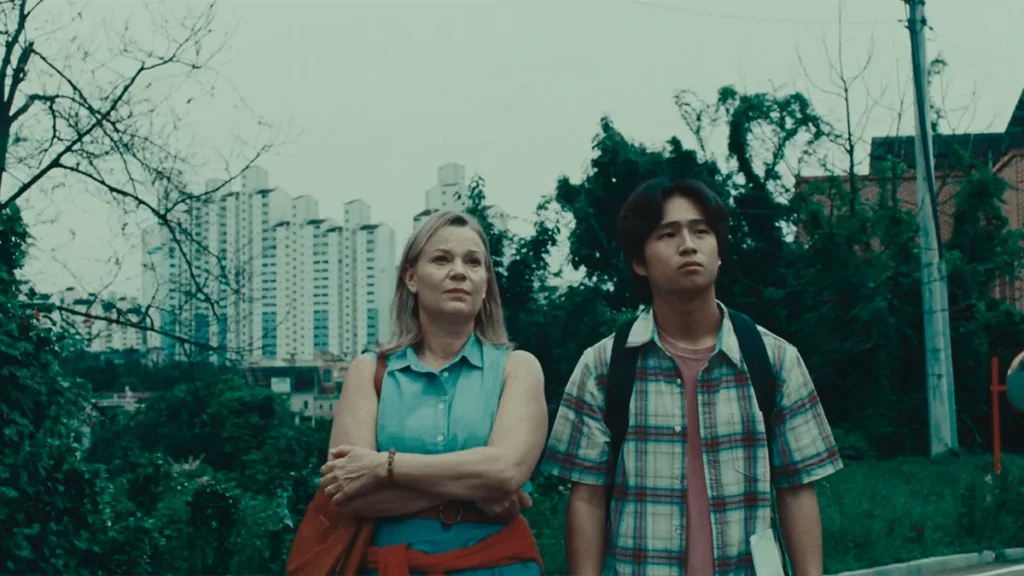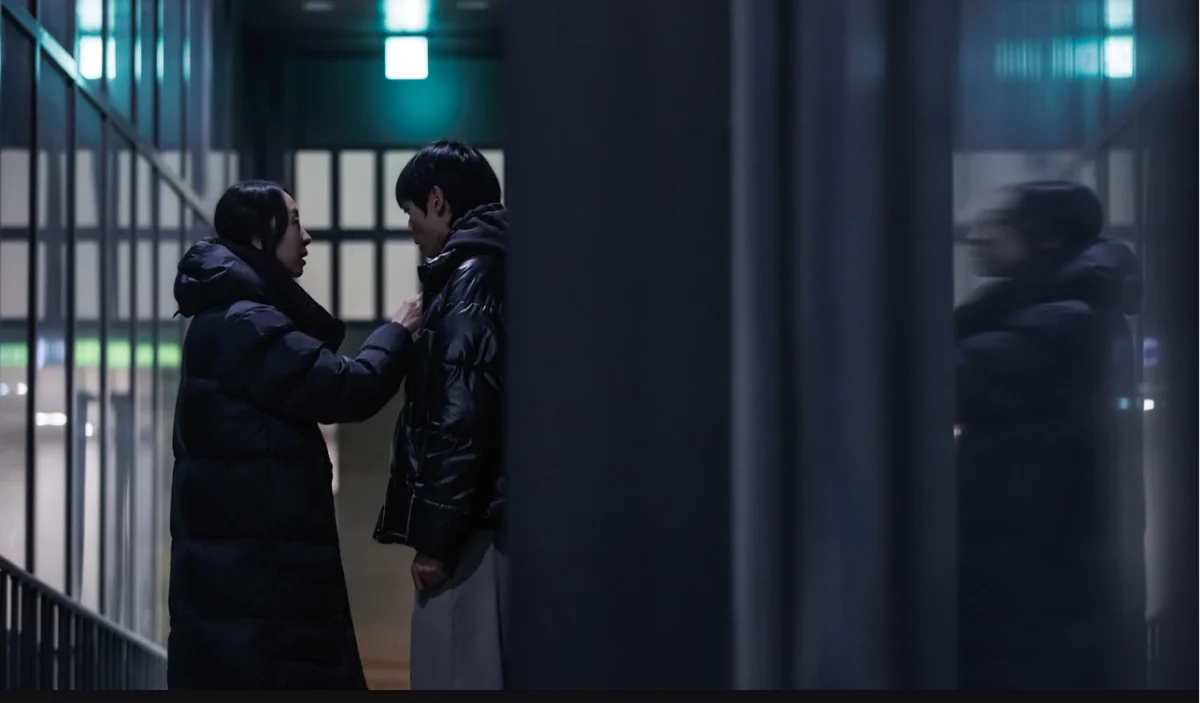
The 30th edition of the Bucheon International Fantastic Film Festival (BIFAN), a cornerstone event in the global fantastic cinema calendar, concluded with significant acclaim for Jeong Beom’s sophomore feature, "Knock." The film garnered the prestigious Best of Bucheon award, along with Best Actors for its ensemble cast and the highly coveted Audience Award, solidifying its status as both a critical darling and a popular success. Written by Rita Andreetti, the initial reception of "Knock" had already hinted at its profound impact, but its sweeping victory at BIFAN 2026 confirms its arrival as a quiet revelation in contemporary Korean cinema.
Jeong Beom’s Evolving Vision and the Rise of "Knock"
Jeong Beom’s directorial journey has been marked by a thoughtful exploration of human vulnerability and resilience. His co-directing debut with Huh Jang on "The Berefts" offered an early glimpse into his distinctive narrative style, characterized by a deliberate pace and a deep reflection on individuals grappling with existential crises at the societal periphery. "The Berefts," which also received attention at the 28th Busan International Film Festival, laid the groundwork for the narrative maturity evident in "Knock." This latest triumph underscores Jeong Beom’s progression from a promising newcomer to a formidable voice in South Korean filmmaking.
"Knock" distinguishes itself by masterfully revitalizing the mockumentary genre, a format that has historically experienced a fluctuating reception. Far from being a mere imitation, Jeong Beom injects it with a harmonious blend of personality and profound insight. The film’s nearly flawless execution demonstrates cinema’s enduring power to craft compelling, invented realities, skillfully blurring the lines between fact and fiction. This delicate balance is not just a stylistic choice but a fundamental component of the film’s immersive experience, inviting audiences to question their perceptions of truth and representation. The success of "Knock" suggests a renewed potential for the mockumentary, proving it can be a potent vehicle for sophisticated storytelling when handled with such precision and artistic integrity.
The Bucheon International Fantastic Film Festival: A Legacy of Innovation
BIFAN, now celebrating its 30th anniversary, has long been recognized as a vital platform for showcasing imaginative and boundary-pushing cinema from Asia and around the world. Established in 1997, the festival has grown into one of the most significant genre film festivals globally, celebrated for its diverse programming that spans horror, fantasy, science fiction, and thrillers. Its mission is to promote fantastic films and contribute to the development of the genre film industry, while also discovering and nurturing emerging talent.
The "Best of Bucheon" award, the festival’s highest honor, signifies a film’s exceptional artistic merit and its contribution to fantastic cinema. Previous winners have often gone on to achieve international recognition, solidifying BIFAN’s reputation as a launchpad for critically acclaimed works. The "Audience Award" is equally significant, reflecting the film’s profound connection with festival-goers and its ability to resonate widely. For "Knock" to secure both, alongside the Best Actors awards, is a testament to its universal appeal and the depth of its storytelling. The 30th edition was particularly notable, serving as a landmark event reflecting on three decades of fantastic cinema and looking ahead to future innovations, making "Knock"’s victory even more significant within this historical context.
Narrative Complexity and Thematic Exploration in "Knock"
The intricate plot of "Knock" unfolds within the confines of a Level 6 facility, a rehabilitation center for girls with a history of legal troubles, aiming to steer them away from juvenile detention. Director Lee (portrayed by Lee Sang-hoon) and his wife tirelessly champion this underfunded project, which transcends mere professional duty to become a deeply personal mission. The arrival of an investigative journalism crew, led by Lee Do-jin and Kim Tae-eun, initially sets out to document the center’s challenges. However, this seemingly straightforward premise quickly unravels, revealing a much more convoluted narrative.
The initial focus on the recovery center gradually shifts as the journalists’ investigation unearths uncomfortable truths from the past. The film deftly pivots its core subject from the facility itself to In-a, a former resident who now volunteers there, harboring unsettling secrets. This narrative restructuring is where Jeong Beom’s mastery truly shines. Viewers are drawn into the investigative process alongside the journalists, piecing together the details of a crime and grappling with ethical dilemmas: the tension between journalistic common sense and the allure of a sensational scoop, between professional restraint and the pursuit of "The Story." This layered approach not only keeps the audience engaged but also compels them to reflect on the moral complexities inherent in media representation and the pursuit of truth.
Character Arcs and Stellar Performances
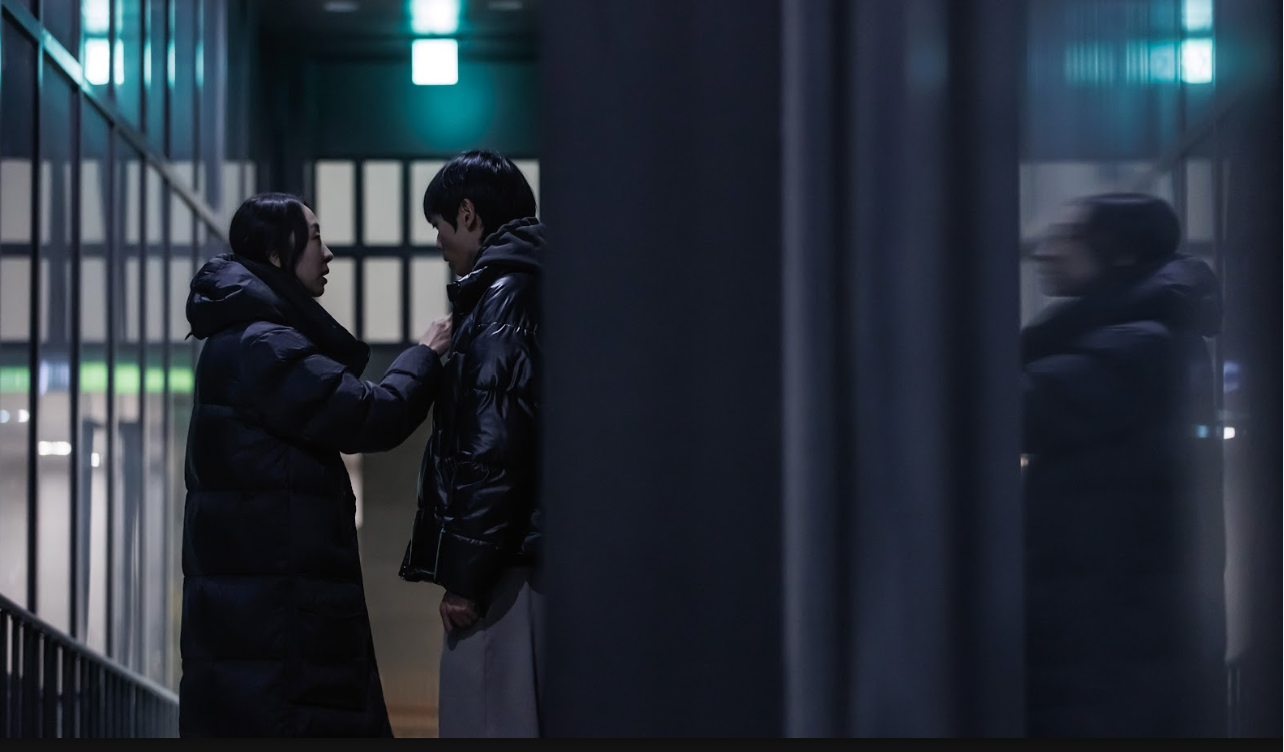
"Knock" is distinguished by its strong ensemble cast, whose performances breathe life into the film’s multifaceted characters. Jeong Beom demonstrates a remarkable commitment to each character, ensuring that no narrative thread is left unresolved, providing every individual a space for their own conclusion, whether through a lingering shot, a poignant glance, or a final farewell. This empathetic approach to character development is a hallmark of his evolving directorial style.
The film presents a fascinating juxtaposition of acting styles, particularly between Lee Do-jin and Yoon In-ah. Lee Do-jin, a returning actor from Jeong Beom’s previous film, portrays the initial protagonist, the documentary’s director and journalist. His performance is characterized by a cold, detached, almost expressionless demeanor, indicative of a professional unwavering in his pursuit of "The Story." His lack of overt empathy for the girls’ plight stems from an almost obsessive focus on his journalistic objectives, making him a compelling, albeit morally ambiguous, figure.
In stark contrast, Yoon In-ah, who lends her name to her character, delivers an intensely passionate and almost theatrical performance. Her portrayal of In-a is marked by an exaggerated expressiveness that perfectly captures the character’s internal turmoil and complex history. It is this passionate intensity that rightfully earned her the Best Performance award, underscoring her ability to convey deep emotional resonance.
These two acting poles represent not only different performance aesthetics but also divergent life values, opportunities, and choices within the film’s narrative. Interestingly, "Knock" avoids creating a clear-cut villain. Instead, it portrays characters who, to varying degrees, compromise their sensitivity and care for others in their pursuit of personal goals. Yet, they also regain their warmth and humanity when their own "tribe" or immediate circle is threatened, offering a nuanced exploration of human nature and self-preservation.
The Meta-Cinematic Experience and Societal Commentary
"Knock" plunges the audience into a deeply meta-cinematic experience, blurring the boundaries between the film’s narrative and the real-world experiences of its cast and crew. Lee Sang-hoon’s portrayal of Director Lee is particularly notable, drawing on his firsthand encounters with the real-life director of a juvenile rehabilitation center. This infusion of reality into the fictional narrative, alongside the deliberate confusion of names that exist both inside and outside the screen, enhances the film’s authenticity and emotional impact. Lee Sang-hoon successfully embodies the fighting spirit and unwavering devotion to the girls’ cause that he observed in the real individual. Within the story, his character, Director Lee, is initially misjudged by the unsympathetic journalistic gaze, only to be rediscovered later in all his warm, paternal essence, highlighting the dangers of superficial judgment and the rewards of deeper understanding.
The film’s fragmented storytelling, deftly handled across multiple dimensions "in front of and behind" the camera lens, never feels disorienting. This seamless shift in perspective is a testament to the measured balance achieved in the visual narrative planes, meticulously crafted in collaboration with cinematographer Kim Jin-pyo. "Knock," whose enigmatic title gradually reveals its profound meaning as the story unfolds, transforms into a fluid and compelling substance. It expertly slides into the thriller genre, adding layers of confusion and mystery to its already dramatic elements. The exceptional editing work, collaboratively undertaken by Jeong Beom and Lee Sang-hoon, further solidifies their cohesive vision, setting "Knock" apart from many other films presented at BIFAN.
Implications for the Mockumentary Genre and Korean Cinema
The triumph of "Knock" at BIFAN 2026 carries significant implications for the mockumentary genre, which has often struggled to achieve widespread critical and commercial success beyond niche circles. By demonstrating how the format can be utilized for complex social commentary and character-driven drama, Jeong Beom has potentially opened new avenues for future filmmakers. His ability to blend the documentary aesthetic with thrilling narrative elements suggests a versatile approach that could inspire a new wave of mockumentaries, moving beyond mere parody or found-footage horror.
Furthermore, "Knock"’s success contributes to the ongoing global recognition of Korean cinema. In recent years, South Korean films and television series have captivated international audiences with their high production values, innovative storytelling, and fearless exploration of societal issues. "Knock" fits perfectly within this tradition, offering a nuanced look at juvenile justice, media ethics, and the human condition. Its critical acclaim at BIFAN positions Jeong Beom as a director to watch, capable of crafting films that are both intellectually stimulating and emotionally resonant. This recognition at a major genre festival like BIFAN can also bolster the international sales and distribution prospects for "Knock," allowing its powerful message to reach a wider audience.
Beyond the Screen: A Call to Remember
While "Knock" might initially appear to be a film approached with modesty, it is, in fact, an ambitious work, meticulously studied and brought to life with genuine passion by its entire cast and crew. Its thematic explorations never devolve into preachy didacticism. Instead, the film articulates a real and pressing societal problem – the challenges faced by juvenile rehabilitation centers and the individuals within them – and navigates it with cinematic artistry. It engages the audience in a profound experience, leaving them, long after they’ve left the theater, contemplating the plight of the "Level 6 girls" and the imperative not to let them be forgotten. This enduring impact is perhaps the film’s greatest achievement, transforming a compelling cinematic narrative into a poignant call for social awareness and empathy. "Knock" is not merely a fantastic film; it is a film that demands reflection and action, cementing its place as a significant contribution to both fantastic cinema and social commentary.