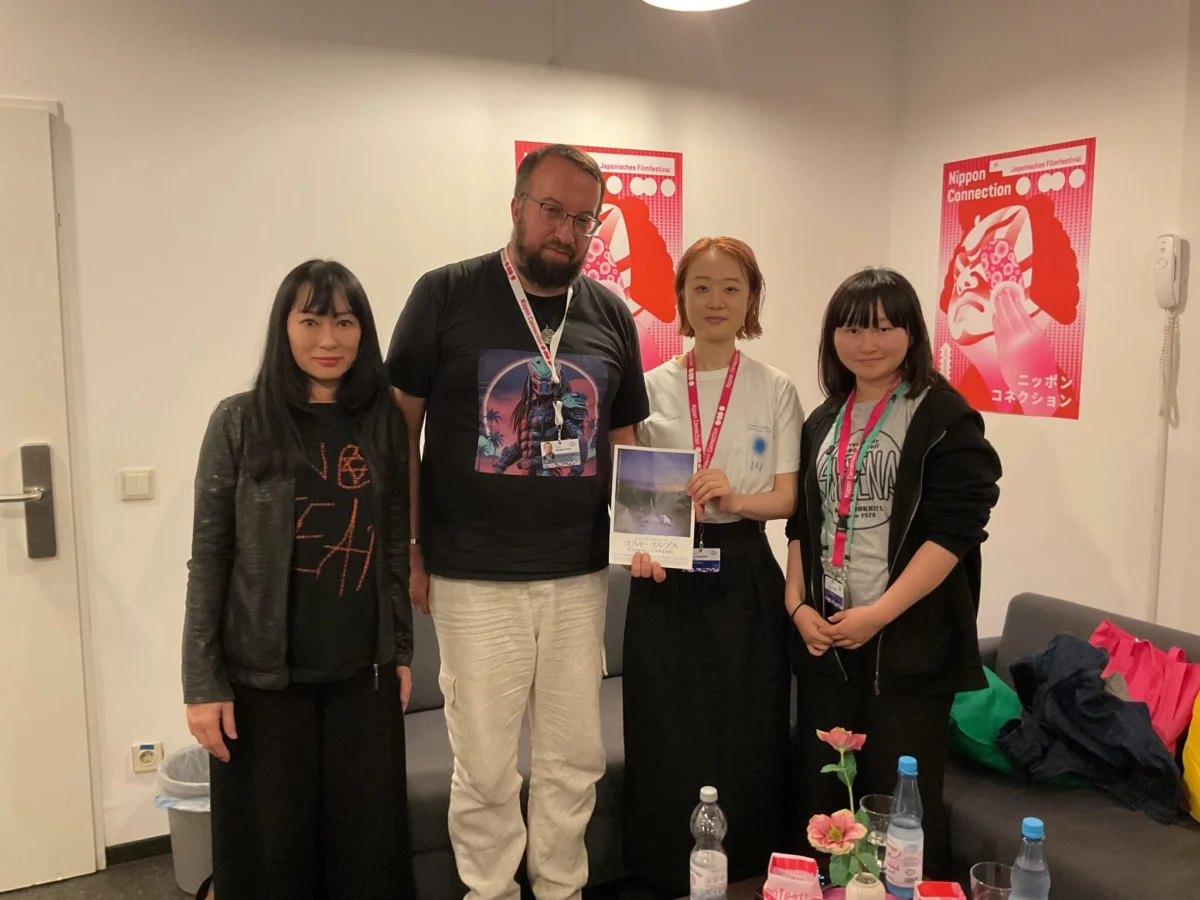
The 26th edition of the Nippon Connection Film Festival, the world’s largest festival for Japanese cinema, concluded its six-day run from June 2 to 7 across 13 vibrant locations in Frankfurt am Main, setting new benchmarks for attendance and program scale. The festival proudly announced a record-breaking turnout of over 21,000 visitors, solidifying its status as the most popular film festival in Hesse and underscoring the growing global fascination with Japanese culture and filmmaking. This year’s iteration was its most extensive to date, showcasing a remarkable lineup of 145 short and feature-length films, complemented by 87 diverse cultural events, and drawing approximately 200 attending filmmakers and artists from Japan and around the world.
A Legacy of Cultural Exchange: Nippon Connection’s Enduring Appeal
Since its inception, the Nippon Connection Film Festival has grown from a student initiative into a globally recognized cultural institution. Founded in 2000, the festival operates as a non-profit organization, driven by a dedicated team of volunteers who share a passion for Japanese cinema and culture. Over its 26-year history, it has consistently aimed to bridge cultural gaps, offering German and international audiences a comprehensive and often rare glimpse into the multifaceted landscape of contemporary and classic Japanese filmmaking. Its mission extends beyond mere screenings, encompassing a wide array of cultural activities that celebrate Japan’s rich artistic traditions, from culinary arts to performance and visual arts. The festival’s sustained growth and record attendance figures highlight its critical role in fostering German-Japanese cultural dialogue and promoting independent and arthouse Japanese cinema on a global stage. The consistent expansion in its programming, especially the significant number of premieres, demonstrates its increasing influence as a platform for new Japanese cinematic voices.
An Unparalleled Cinematic Journey: The Festival Program
Despite uncooperative weather during parts of the festival week, organizers ensured visitor satisfaction with a meticulously curated and exceptionally diverse program. The 145 films presented included a significant number of premieres: 7 world premieres, 28 international premieres, 9 European premieres, and 38 German premieres. This emphasis on debut screenings underscores Nippon Connection’s commitment to introducing fresh perspectives and groundbreaking works to international audiences, often providing the first opportunity outside Japan to experience these films. The programming philosophy skillfully balanced reverence for cinematic history with a keen eye for contemporary trends, ensuring an engaging experience for both seasoned cinephiles and newcomers.
Honoring Masters and Documenting Legacies
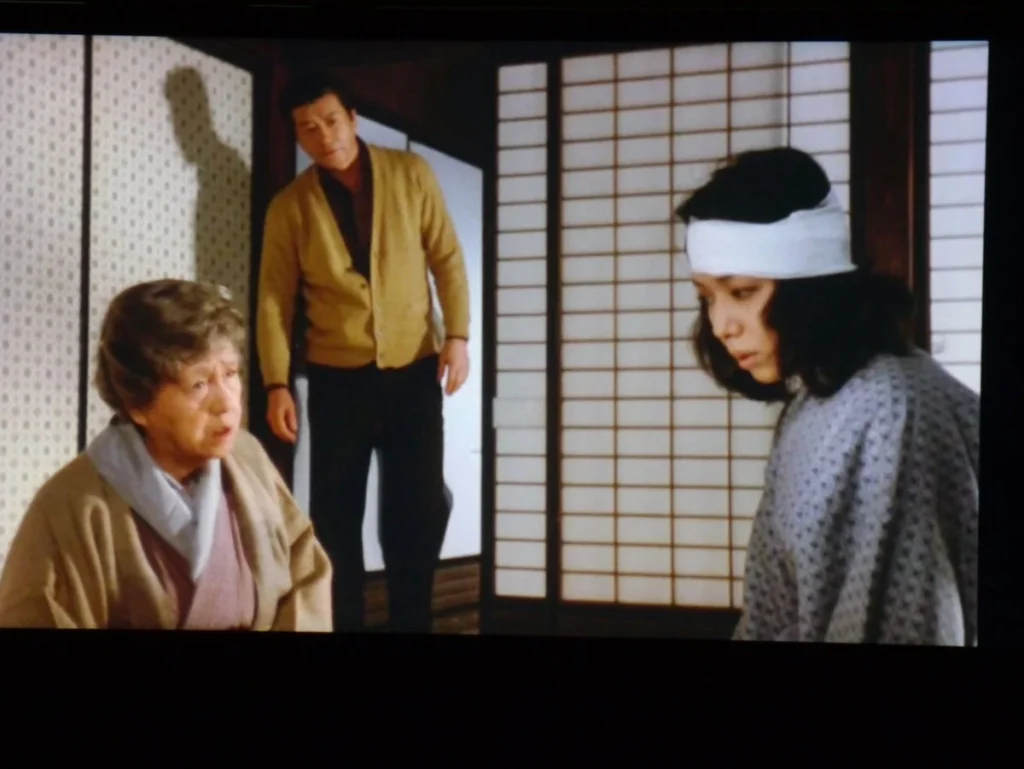
The festival’s cinematic offerings paid homage to the giants of Japanese cinema while also exploring their enduring influence through new works. Audiences had the rare opportunity to revisit classics such as Masaki Kobayashi’s powerful 1957 drama "Black River" and Akira Kurosawa’s epic 1985 masterpiece "Ran." These screenings served as a vital reminder of the foundational works that have shaped Japanese filmmaking.
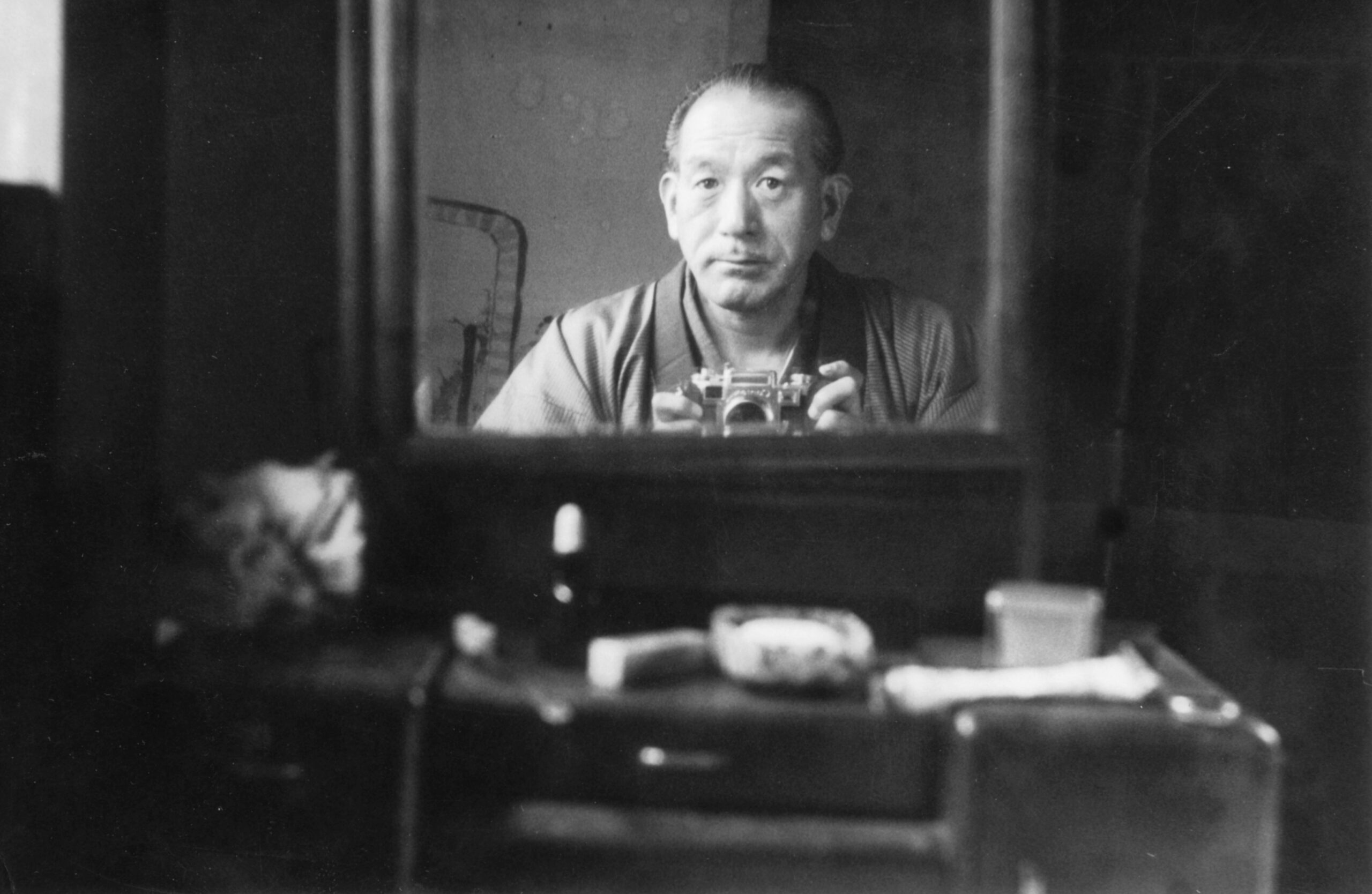
A particularly anticipated highlight was Daniel Raim’s documentary, "The Ozu Diaries" (2025). This film delves into the legacy of Yasujiro Ozu, one of the most influential filmmakers in cinematic history, alongside Akira Kurosawa and Kenji Mizoguchi. Ozu’s focus on the Japanese family as a microcosm of society and politics, explored in timeless masterpieces like "Tokyo Story," "Equinox Flower," "Early Summer," and "Late Autumn," continues to resonate globally. "The Ozu Diaries" offered fascinating insights into how Ozu’s work is interpreted today and why he remains a perceptive observer of Japanese identity, providing an essential introduction for new audiences and a thoughtful re-examination for long-time admirers.
Contemporary Japanese Narratives and Social Commentary
The bulk of the program spotlighted contemporary Japanese cinema, with a strong emphasis on films that engage with pressing social issues and offer nuanced character studies. Director Eiji Uchida returned with "Night Flower," a film that revisits his interest in marginalized lives, drawing parallels with his acclaimed "Midnight Swan." Uchida’s work consistently blends social critique with emotional precision, often infused with a touch of humor. His other festival entry, "Fiamma," explored the meta-concept of films about filmmaking, dissecting the "based on a true story" narrative with competence and thought-provoking depth.
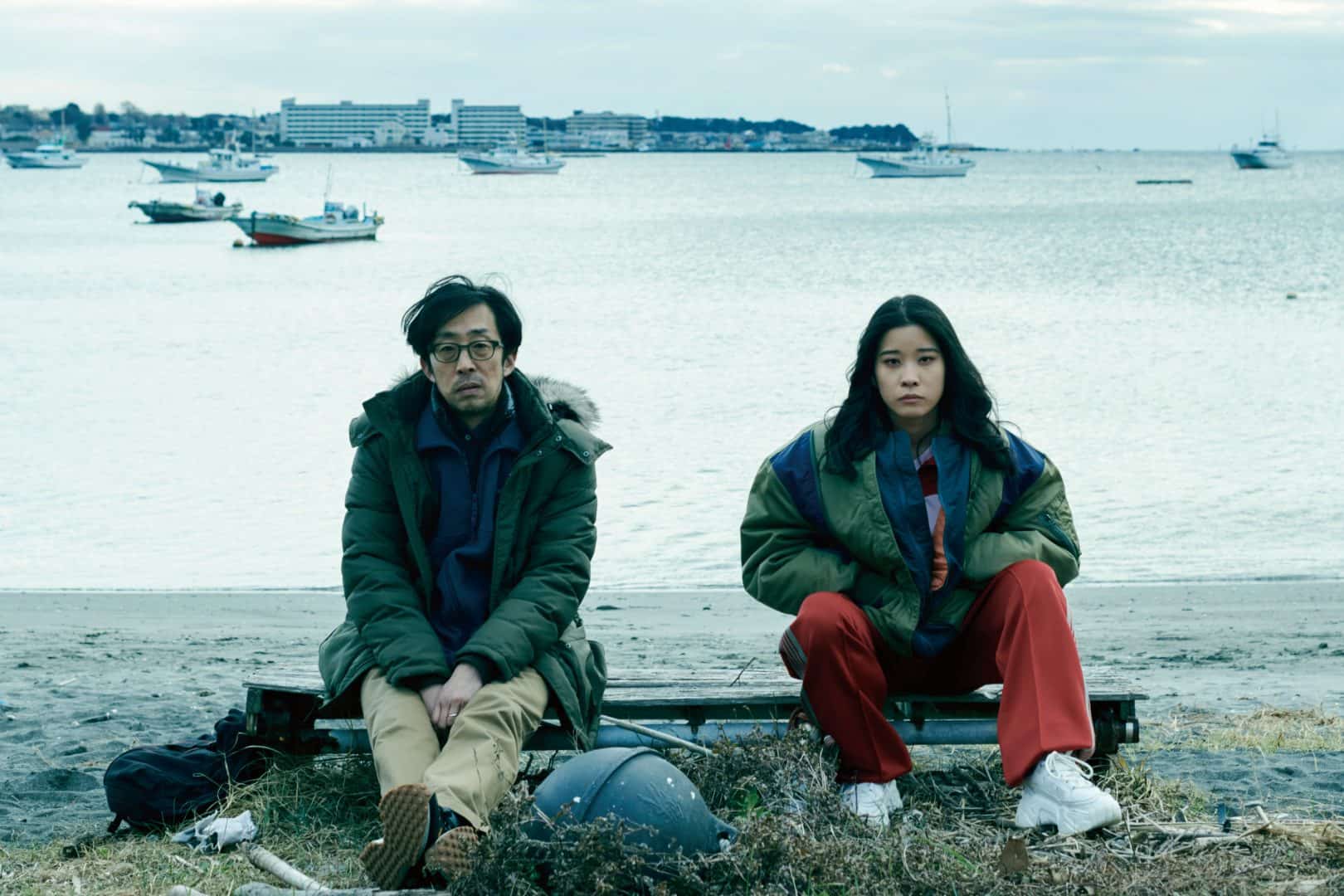
Kenji Yamauchi, known for his sharp dialogue and dark comedies, presented "A Unique Country in Asia." This 77-minute "pure social serious comedy" navigated themes of eroticism, family drama, and politics, offering a bizarre yet enjoyable cinematic experience. Its international premiere was a significant event, prompting discussions with lead actress Ami Chong about her collaboration with Yamauchi and her views on politics and nudity in Japanese society.
Documentaries like Reika Kamata’s "The Limit" confronted sensitive issues within the Japanese justice system, specifically its high conviction rates and the societal impact on the accused and their families, even in cases lacking concrete evidence. Takashi Koyama’s "All Greens," adapted from a novel, subverted typical coming-of-age tropes by depicting youthful boredom spiraling into illegal activities involving marijuana, offering a rare cinematic exploration of Japan’s strict drug policies through an absurdist and gritty lens.
Sachi Hamano’s "Kaneko Fumiko" delved into the life of a controversial historical figure whose writings, rediscovered during her imprisonment, sparked a re-evaluation of her political convictions. The film, driven by Nahana’s powerful central performance, served as a potent portrait of political resistance and a reflection on societal ideology. Yusuke Iwasaki’s debut feature, "AnyMart," a FIPRESCI Prize winner at the Berlin International Film Festival, provided an unsettling satire of modern society through dark humor and surreal events, despite some narrative eccentricities in its final act.
Exploring Animation, Genre, and Unique Voices
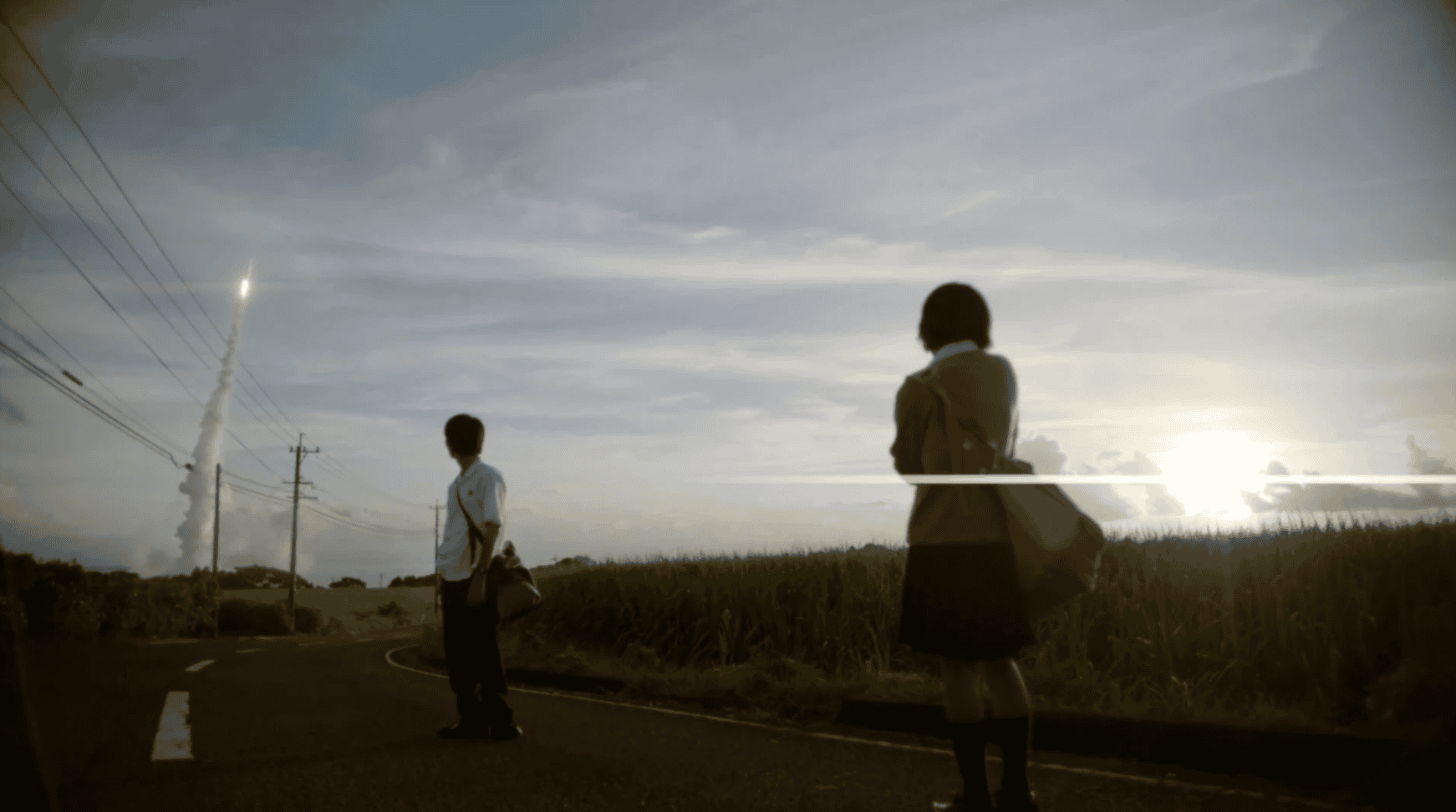
The festival also celebrated the breadth of Japanese storytelling, from live-action adaptations of beloved anime to experimental science fiction and poignant dramas exploring disability. Yoshiyuki Okuyama’s live-action adaptation of Makoto Shinkai’s "5 Centimeters Per Second" was a notable entry. Okuyama’s reimagining aimed to expand on the original, offering a more fully realized and emotionally resonant narrative that stood as a visual delight and a touching story of distance and acceptance.
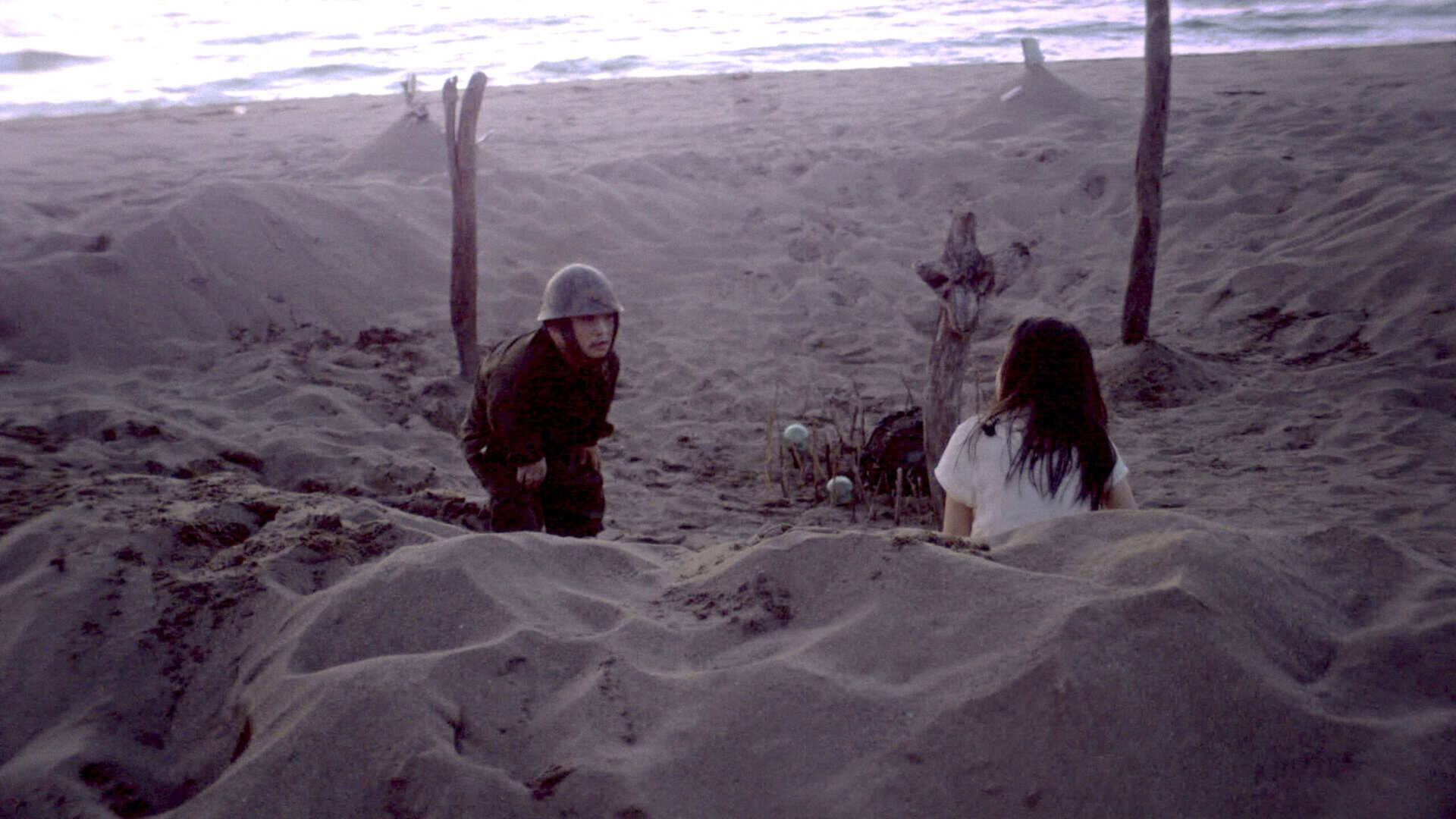
Animation was strongly represented with films like Yukimitsu Ina’s directorial debut, "Cocoon – One Summer of Girlhood." Based on Machiko Kyo’s manga, this Studio Sasayuri production presented the "colorful bleakness of war," drawing parallels with classics like "Grave of the Fireflies" by subtly exploring the brutality of military conflict and the futility of human cruelty. "Chao," another animated film, further showcased the diversity within the genre.
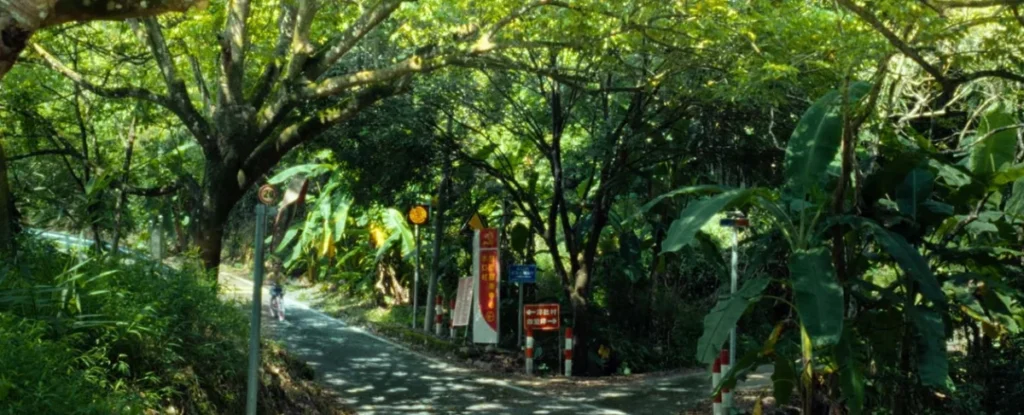
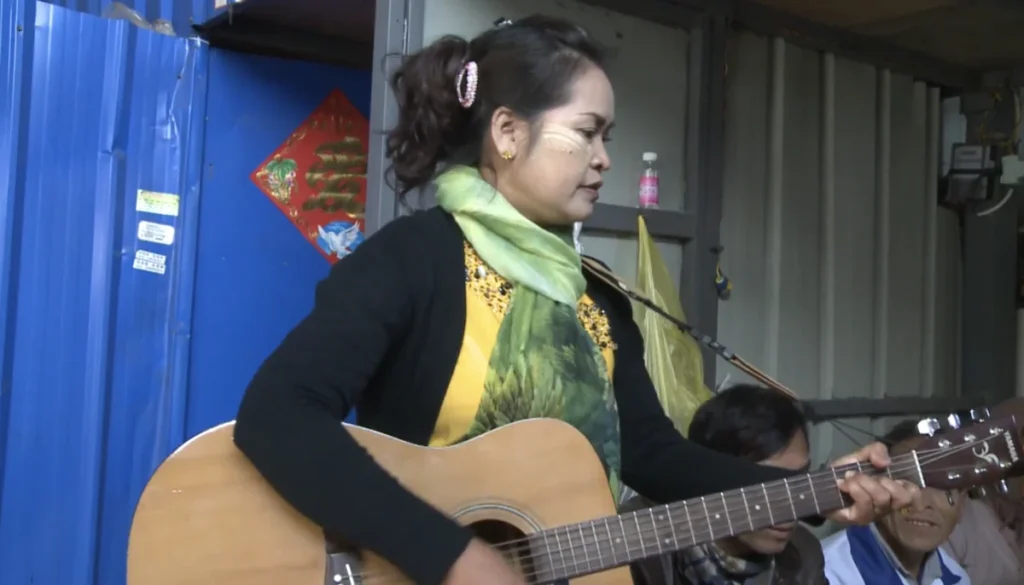
Mika Imai’s "Kiiroiko" offered a deeply personal narrative, featuring a largely Deaf cast and crew from Japan and Taiwan. Imai, who grew up using sign language, brought sincerity and compassion to a heartfelt drama that explored challenges of communication, belonging, and human connection, despite some didactic moments in its script. Yokna Hasegawa’s "Cosmo Corpus" pushed boundaries with its science fiction premise, inviting viewers to reflect on universal questions of time, loneliness, and invisible connections, often feeling more like a cinematic installation than a conventional narrative film. Santa Ikegame’s feature directorial debut, "At the Lovehotel," brought his theatrical sensibility to the screen, focusing on subtle emotional shifts and the realism of everyday spaces within the unusual setting of a love hotel. Miwa Yoshimine’s "ZEN & EROS" was a profound exploration of artistic perception, drawing on Andrei Tarkovsky’s distinction between "seeing" and "looking" to immerse audiences in the process of experiencing art. Keiko Tsuruoka’s "Saikai Paradise" offered a sincere and atmospheric portrait of a quiet place, focusing on mood over explicit plot, challenging viewers to engage emotionally with its subtle narrative.
Beyond the Screen: Cultural Events and Industry Recognition
The festival’s immersive experience extended far beyond film screenings. The 87 cultural events included diverse offerings such such as workshops on traditional Japanese crafts, live performances, culinary demonstrations, and opportunities to sample authentic Japanese food and handicrafts from various vendors. These side events fostered a vibrant atmosphere, allowing visitors to engage directly with Japanese culture in its many forms.
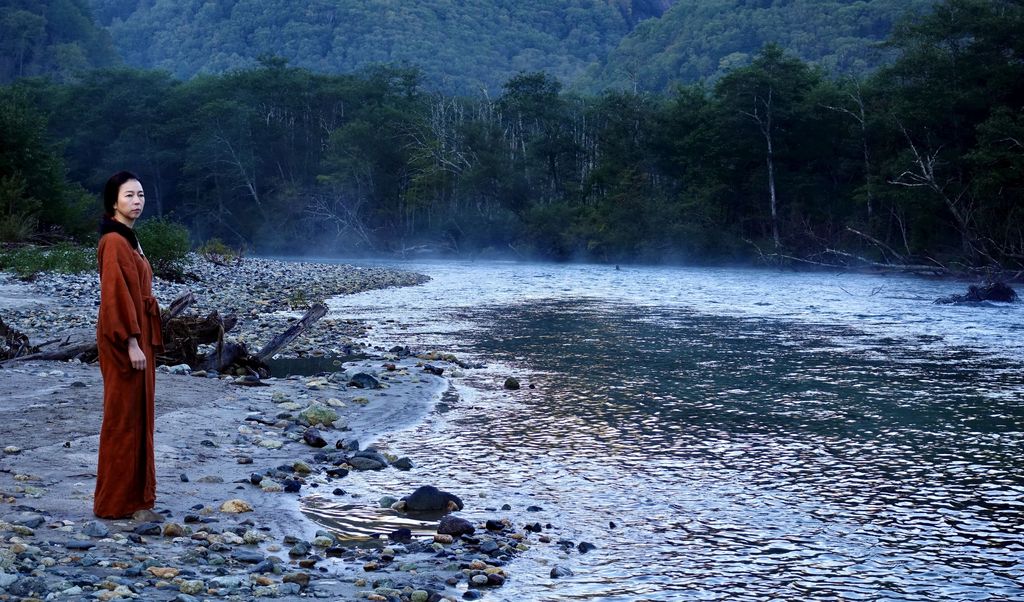
A significant moment was the presentation of the Nippon Rising Star Award to actress Anna Yamada. This award recognizes emerging talent in Japanese cinema, and Yamada’s presence, coupled with screenings of three of her films—"Little Love Song" (2019), "NEW GROUP" (2025), and "ChaO" (2025)—highlighted her versatile performances and growing impact on the industry. Her acceptance speech and subsequent interview offered insights into her preparation for diverse roles and her future aspirations.
Speaking on the record attendance, Festival Director Florian Hörmann noted, "We are absolutely thrilled by the overwhelming response from our audience this year. To achieve over 21,000 visitors, a new record for Nippon Connection, is a testament to the dedication of our team and the incredible appeal of Japanese cinema and culture. It reaffirms our commitment to providing a unique platform for both established masters and emerging talents, and for fostering a deeper understanding between cultures." Similarly, a representative from the City of Frankfurt’s Department of Culture added, "Nippon Connection is a jewel in Frankfurt’s cultural crown. Its ability to draw such a large and diverse audience, year after year, significantly enriches our city’s cultural landscape and reinforces Frankfurt’s reputation as a welcoming hub for international artistic exchange."
Insights from the Creators: A Series of Engaging Dialogues
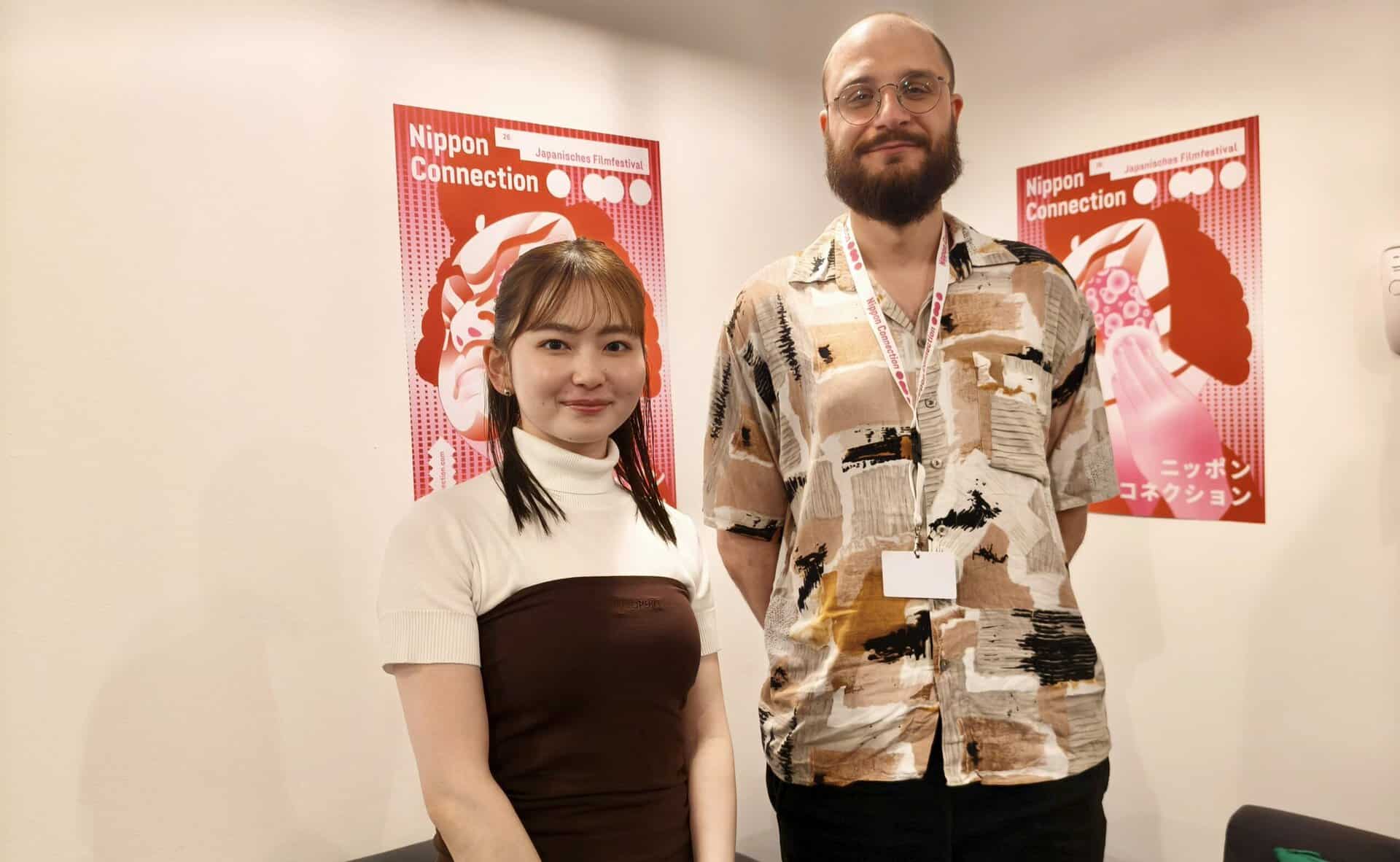
A core component of the festival’s engagement strategy was its extensive program of interviews with filmmakers and artists, providing invaluable insights into their creative processes and the themes behind their works. Asian Movie Pulse conducted 10 such interviews, offering a rare opportunity for deeper understanding.
Ami Chong, leading actress of "A Unique Country in Asia," discussed her working relationship with director Kenji Yamauchi and shared her perspectives on politics and the depiction of nudity in Japanese society, sparking thoughtful dialogue around artistic expression and cultural norms. Yoshiyuki Okuyama, director of the live-action "5 Centimeters Per Second," elaborated on the challenges of adapting such a beloved anime classic, the role of memory in his storytelling, and how his background in photography informs his cinematic approach.
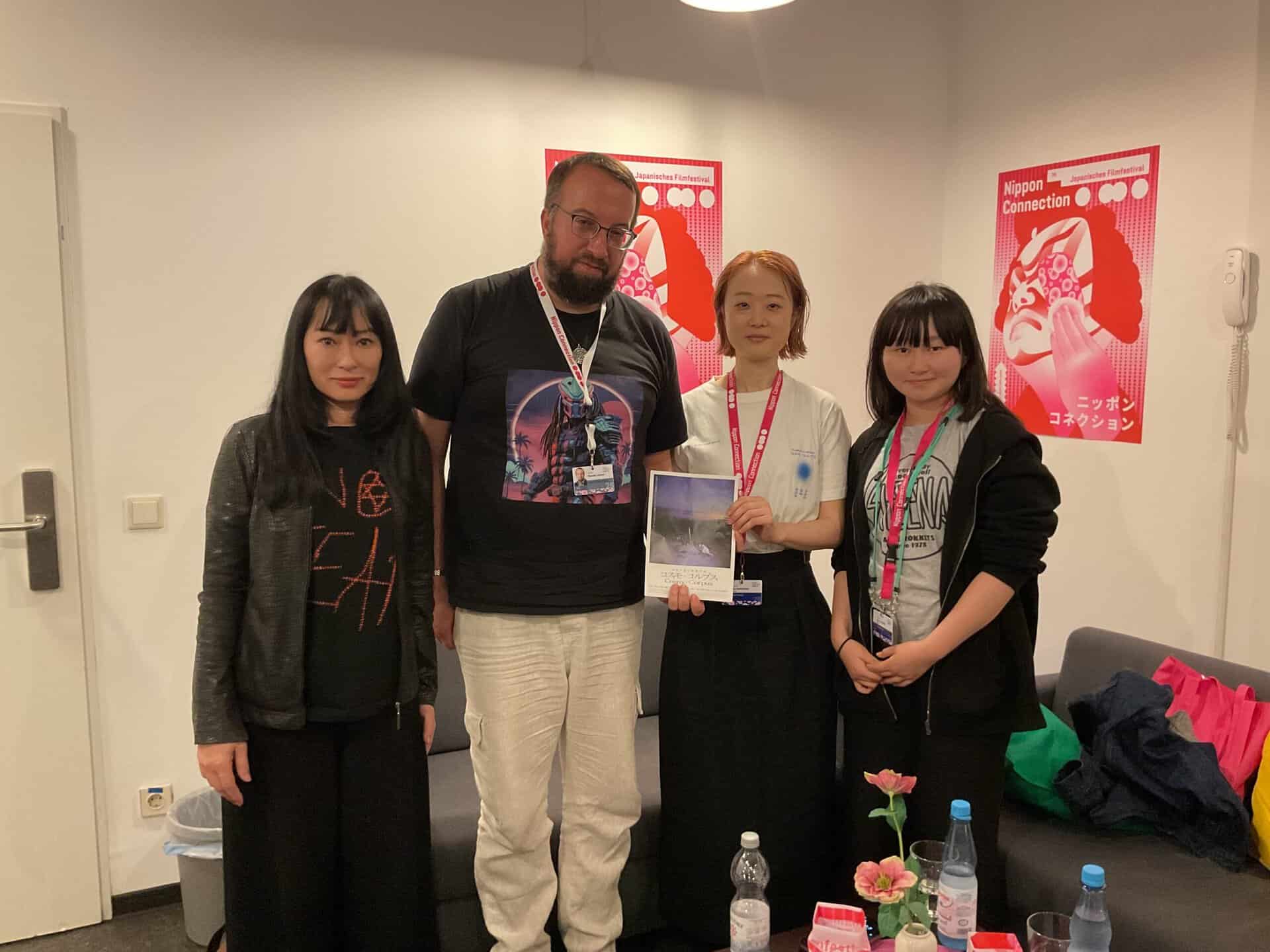
Yokna Hasegawa, joined by actresses Junko Ayukawa and Yuiko Ayukawa, spoke about the four-year journey of "Cosmo Corpus," a film that blurs the lines between science fiction and conceptual art, drawing inspiration from Sado Island’s landscapes, history, and spirituality. Anna Yamada, the Nippon Rising Star Award recipient, shared her experiences preparing for different roles, her pop culture interests like Pokémon, and her plans for her burgeoning career.
Independent animator Ryuya Suzuki provided a look into the creation of "Jinsei," a distinctive animated feature spanning a century through ten episodes, touching upon the realities of independent animation and the film’s core ideas about identity. Kei Ishikawa, following the screening of his adaptation of Kazuo Ishiguro’s "A Pale View of Hills," discussed the intricate process of translating memory and ambiguity into cinematic language, the importance of preserving personal stories from a disappearing generation, and his collaboration with Ishiguro.
Yuta Shimotsu, whose latest work "NEW GROUP" screened, expanded on his use of horror as a lens for social commentary, examining hierarchy and collective behavior in contemporary Japan through the striking image of a human pyramid. Yui Kusakari, an emerging director, shared his inspirations, family life, and the dynamics of working with friends on his international premiere, "Long Night." Baku Kinoshita, known for "Odd Taxi," discussed his reflective film "The Last Blossom," which explores memory, regret, and family through the unique perspective of a Housenka flower. Lastly, Chihiro Amano, director of "Sato and Sato," talked about her journey from an office job to filmmaking, focusing on themes of determination and relationships. These interviews collectively offered a rich tapestry of perspectives, enriching the audience’s appreciation for the films and the broader Japanese cinematic landscape.
Broader Impact and Future Horizons
The resounding success of the 26th Nippon Connection Film Festival carries significant implications for both Japanese cinema and Frankfurt’s cultural standing. The record attendance not only underscores the festival’s widespread appeal but also highlights the robust interest in Japanese culture within Europe. By consistently providing a platform for independent and art-house films, many of which might not otherwise find international distribution, Nippon Connection plays a vital role in supporting emerging filmmakers and diversifying global cinematic offerings.
Economically, the influx of over 21,000 visitors to Frankfurt am Main, coupled with the presence of international filmmakers and artists, undoubtedly provided a boost to local businesses, including hospitality, dining, and retail sectors. The festival’s ability to create a vibrant cultural hub for six days reinforces Frankfurt’s reputation as a dynamic, international city and a significant center for arts and culture in Germany.
As the festival looks to its future editions, its established legacy and growing influence promise continued opportunities for cultural exchange, artistic discovery, and the celebration of Japanese cinematic excellence. Nippon Connection remains an indispensable event for anyone seeking to explore the depths and nuances of Japanese filmmaking, further cementing its role as a bridge between cultures and a beacon for independent cinema.