The entertainment landscape, perpetually in flux, finds itself once again at an inflection point, a reality vividly captured by the return of HBO’s critically acclaimed satire, The Comeback, and the ongoing narrative of Hacks. These two series, separated by nearly two decades in their initial launches but intrinsically linked by their sharp dissection of showbiz, offer a compelling commentary on the challenges facing veteran entertainers, the insidious creep of artificial intelligence, and the relentless drive to remain relevant in an industry constantly reinventing itself.
The Comeback’s Prophetic Return: Valerie Cherish vs. Artificial Intelligence
HBO’s The Comeback, co-created by Michael Patrick King and Lisa Kudrow, and starring Kudrow as the indelible Valerie Cherish, has always possessed an uncanny ability to mirror the television industry’s most pressing existential crises. Its initial limited run in 2005 was a groundbreaking, often uncomfortable, satire of the burgeoning reality television phenomenon, which at the time threatened to dilute the perceived artistic integrity of scripted programming with its low production costs and manufactured drama. Valerie, a former sitcom star desperate for a return to the spotlight, found herself enmeshed in a reality show, a precursor to the blurring lines between performance and authentic life that would come to define a significant portion of the medium.
A decade later, in 2014, The Comeback was revived by HBO, coinciding with another seismic shift: the dawn of the streaming wars. By this point, reality television had gained a degree of legitimacy and market share, but the industry was now grappling with an overwhelming influx of "prestige" television, a term that, through sheer volume, was rapidly losing its meaning. The 2014 season explored Valerie’s attempt to navigate this new landscape, further cementing the show’s reputation for prescient social commentary.
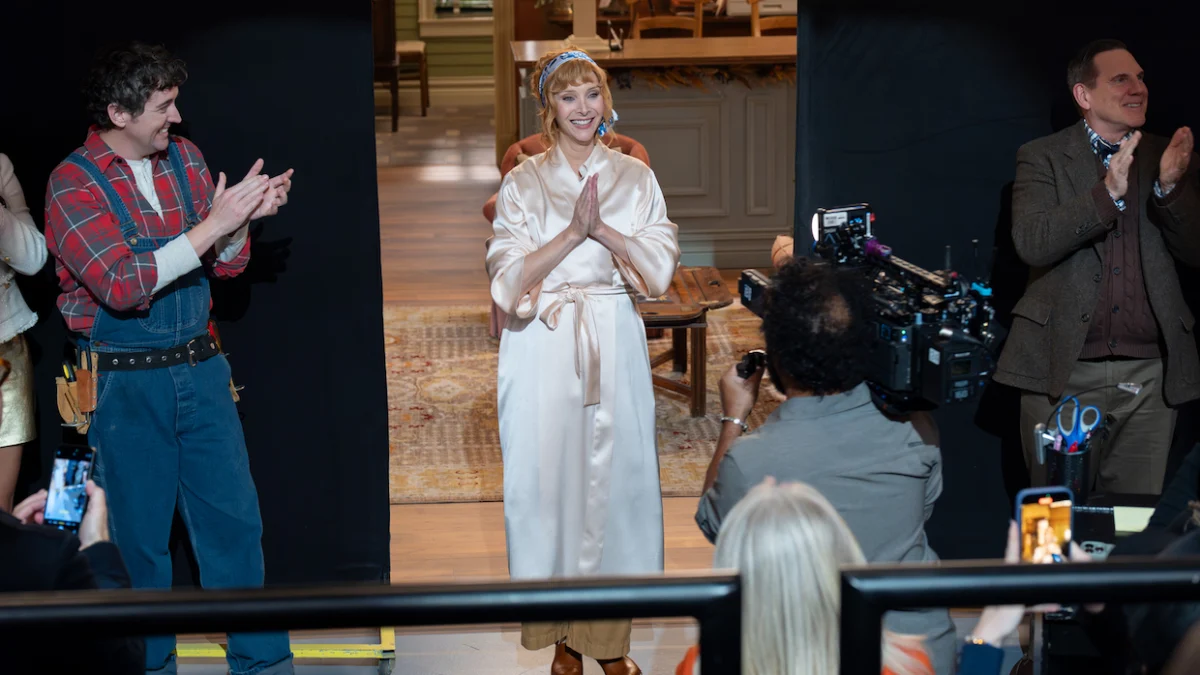
Fast forward twelve years, a period marked by a global pandemic, two unprecedented Hollywood strikes (the WGA and SAG-AFTRA disputes of 2023), and significant corporate contraction across media conglomerates. In this near-future, around 2026, Valerie Cherish makes her anticipated return for a third and reportedly final season. This time, her challenge is perhaps the most formidable yet: artificial intelligence. Valerie lands the lead role in How’s That?!, the first sitcom to be entirely written by AI, specifically a proprietary system named Allassist on the Big Tech-funded network, NuNet. As an executive producer on the show, Valerie is thrust into a profound ethical and creative dilemma. The production provides livelihoods for an entire cast and crew, including Valerie herself, at a time when Hollywood production is reportedly drying up. However, the AI’s script-generating capabilities, characterized by plagiarized material and an overwhelming quantity of mediocre alternatives, directly threaten the very foundation of television writing and the human creativity that built her career.
Historical Context: The Evolution of Television and Satire
To fully appreciate the layered commentary of The Comeback‘s latest iteration, it’s crucial to understand the historical context of its previous runs and the broader changes in television.
2005: The Reality TV Boom
When The Comeback first aired, reality television was a relatively new, yet rapidly expanding, genre. Shows like American Idol, Survivor, and The Simple Life were captivating audiences, often at a fraction of the cost of scripted dramas and comedies. Critics, and many industry veterans, viewed this trend with skepticism, fearing it would lead to a "dumbing down" of television. The Comeback‘s mockumentary style, following Valerie as she allowed cameras into her life for "The Valerie Cherish Project," brilliantly parodied the manufactured intimacy and exploitative nature of these shows. Valerie’s desperate pursuit of fame, her constant self-awareness of the cameras, and her often-humiliating moments captured the uncomfortable truth of reality TV’s appeal.
2014: The Dawn of Peak TV and Streaming
The 2014 revival landed amidst what would later be termed "Peak TV." Services like Netflix had begun to produce original content, signaling a monumental shift from traditional broadcast and cable models. This era brought an explosion of content and a renewed focus on "prestige" dramas and sophisticated comedies. The Comeback in its second season explored Valerie’s attempts to navigate this new landscape, including her role in a new HBO series called Room and Bored and her continued struggle for recognition. The satire shifted to the competitive, often ruthless, nature of premium cable and the increasing pressure on talent to deliver critically acclaimed performances.
2026: The AI Revolution and Industry Contraction
The fictional 2026 setting of The Comeback‘s third season directly confronts the most recent and arguably most disruptive force in creative industries: artificial intelligence. The WGA and SAG-AFTRA strikes of 2023 highlighted the urgent concerns among writers and actors regarding AI’s potential to generate scripts, replicate performances, and ultimately devalue human creative labor. Demands included protections against AI being used to write or rewrite literary material, and to prevent the use of performers’ likenesses without consent or fair compensation. The premise of How’s That?! being entirely AI-written taps directly into these fears, reflecting a widespread anxiety that technological advancement could lead to widespread job displacement and a homogenization of creative output. The mention of "corporate contraction" further underscores the economic pressures driving studios to explore cost-cutting measures, with AI presenting a seemingly efficient, albeit ethically fraught, solution.
Hacks: A Contemporary Parallel to Showbiz Struggles
Running in parallel with The Comeback‘s thematic explorations is HBO Max’s (now Max’s) Emmy-winning series, Hacks. Created by Lucia Aniello, Paul W. Downs, and Jen Statsky, Hacks offers its own incisive showbiz satire, centered on the dynamic, platonic relationship between legendary aging stand-up comic Deborah Vance (Jean Smart) and her much younger, Gen-Z comedy writer, Ava Daniels (Hannah Einbinder). Like Valerie, Deborah Vance is a veteran female entertainer fighting for her place in an evolving industry, facing ageism, sexism, and the pressure to adapt.
Hacks has meticulously chronicled Deborah’s multi-season quest to break the ultimate glass ceiling for a female comedian: hosting a late-night show. In its penultimate season, Deborah achieves this monumental goal, only to have her triumph cut short. She makes the difficult decision to quit the show rather than succumb to network demands that she fire the outspoken Ava as its lead writer, a clear stand against corporate censorship and a testament to her loyalty and artistic integrity.
The fifth and final season of Hacks sees Deborah, much like Valerie Cherish, desperately striving to reclaim her voice and hold onto her stardom after being silenced by a non-compete clause that prevents her from performing for a year. This storyline, following Deborah’s public downfall in the season four finale, gained additional timely resonance just weeks before CBS announced the cancellation of The Late Show with Stephen Colbert, further highlighting the precarious nature of even established late-night institutions and the increasing corporate influence over creative content. Deborah and Valerie both embody an "endangered species" of TV icons, their star status constantly under threat if they dare to slow down or challenge the system.
The AI Threat: Nuances in The Comeback and Hacks
Both series adeptly weave the threat of AI into their narratives, though with distinct approaches.
In Hacks, AI initially appears as a tempting, almost inevitable, revenue stream. Deborah, seeking new avenues as she plans a comeback show at Madison Square Garden, meets with a venture capitalist proposing to license her likeness and material (and by extension, Ava’s creative work) for a large language model named QuikScribbl. This proposal sparks a passionate monologue from Ava about the dangers of AI, framing it as a false narrative of inevitability propagated by those who stand to profit. "This is exactly like when a fing random-ass diner puts a sign out front that’s like, ‘Best Waffles in America,’" Ava shouts, "According to who? The people trying to sell the fing waffles!" Deborah, however, only fully grasps the existential threat when the tech bro suggests the machine could write her jokes for her, a deeply insulting implication that a seasoned comic’s unique voice and craft could be replicated by an algorithm. For Deborah, AI represents not just a financial concern, but a direct assault on her artistic identity and the very essence of her talent.
The Comeback‘s depiction of AI, in contrast, is less about a sinister monster and more about a "pathetic joke." The sitcom How’s That?! is portrayed as hokey and dated, its scripts generated by Allassist being "good enough, but stale." The AI’s inability to generate truly funny or surprising jokes, producing an overwhelming number of unfunny "alts" when a joke fails to land, underscores its creative limitations. Director James Burrows, playing himself, delivers a poignant line after the pilot shoot: "I saw every one of those jokes coming, and so did you. Surprising only comes from a group of writers huddled in a corner, beating themselves up to beat out a better joke." Valerie learns that while a computer can’t dismiss or diminish her talent in the way human colleagues often have, it also cannot provide her with genuine, inspiring material. The show argues that there is nothing truly efficient about making creative endeavors less human; the essence of good comedy, and indeed good storytelling, lies in the uniquely human process of struggle, collaboration, and unexpected insight. The AI’s plagiarism of old sitcom lines further highlights the fear that AI will merely regurgitate and remix existing content, stifling true originality.
Beyond the Laughs: Social Commentary and Industry Resilience
Both The Comeback and Hacks transcend mere comedic entertainment, offering profound social commentary on the entertainment industry. They are unflinching in their portrayal of ageism and sexism, particularly as experienced by women in Hollywood. Valerie Cherish and Deborah Vance are characters who, despite their flaws and often self-serving motivations, command empathy precisely because they are fighting against systemic biases that often push older women out of the spotlight. Their desperation for attention is not just a character quirk but a survival mechanism in an industry that prizes youth and novelty above all else.
The underlying humor in both series is underscored by an emotional depth that humanizes their protagonists. Lisa Kudrow and Jean Smart, both veteran actresses themselves, imbue Valerie and Deborah with a resilience that resonates deeply. They are women who have seen the dizzying highs and soul-crushing lows of their careers, yet they persist. This persistence, fueled by a love for their craft and an innate need to perform, offers a powerful, comedy-fueled resistance against industry collapse. In an era where corporate mergers, technological disruption, and shifting audience habits constantly threaten the traditional models of content creation, these shows champion the irreplaceable value of human talent, experience, and the collaborative spirit of storytelling.
Emmy Contention: A Battle of Showbiz Satires
The Emmy Awards often serve as a barometer for critical acclaim and industry trends, and it’s fitting that these two female-fronted HBO (or Max) shows find themselves pitted against each other in the comedy categories. Hacks has been an Emmy juggernaut, boasting 12 wins to date, including Best Comedy Series for its third season, four consecutive Best Actress wins for Jean Smart, and last year’s Best Supporting Actress win for Hannah Einbinder. Its consistent critical success and awards recognition have solidified its place as a contemporary classic.
The Comeback, despite its fervent cult following and groundbreaking nature, has historically struggled to gain significant traction with Emmy voters. Lisa Kudrow earned Best Actress nominations for its first two seasons, and the show received two other nods for writing and casting in season one, but it has never been a major awards magnet. However, the landscape of Emmy voting can be unpredictable. Coming off the heels of The Studio‘s sweep in the comedy categories last year, another showbiz satire collecting the Emmy for Best Comedy Series this year would not be surprising. Given its established track record and momentum, Hacks arguably holds the edge.
While the prospect of a Jean Smart/Lisa Kudrow tie for Best Actress remains a delightful, albeit highly unlikely, fantasy for fans, it would represent a symbolic victory for two characters and their real-life counterparts who have not only survived but thrived through the tumultuous evolutions of the medium. Their continued presence and critical acclaim, despite all odds, are testaments to their enduring talent and the timeless appeal of well-crafted showbiz satire.
Broader Implications for Hollywood’s Future
The narratives presented in The Comeback and Hacks are more than just entertaining television; they are crucial reflections on the future of Hollywood. They serve as a powerful reminder that while technology can streamline processes and offer new avenues for content distribution, it cannot replicate the nuanced creativity, emotional intelligence, and lived experience that human writers, actors, and directors bring to their craft.
The shows implicitly argue for the preservation of human artistry in an increasingly automated world. The ethical dilemmas surrounding AI, the economic pressures driving corporate decisions, and the persistent challenges of ageism and sexism are not just plot devices but vital conversations that the industry must confront. By framing these complex issues through the lens of comedy and the relatable struggles of their protagonists, The Comeback and Hacks not only entertain but also provoke thought, reminding audiences and industry insiders alike of what truly makes television, and indeed all art, compelling and enduring: the human element. The fictional future presented in The Comeback‘s latest season serves as a stark warning and a call to action for an industry grappling with its soul.