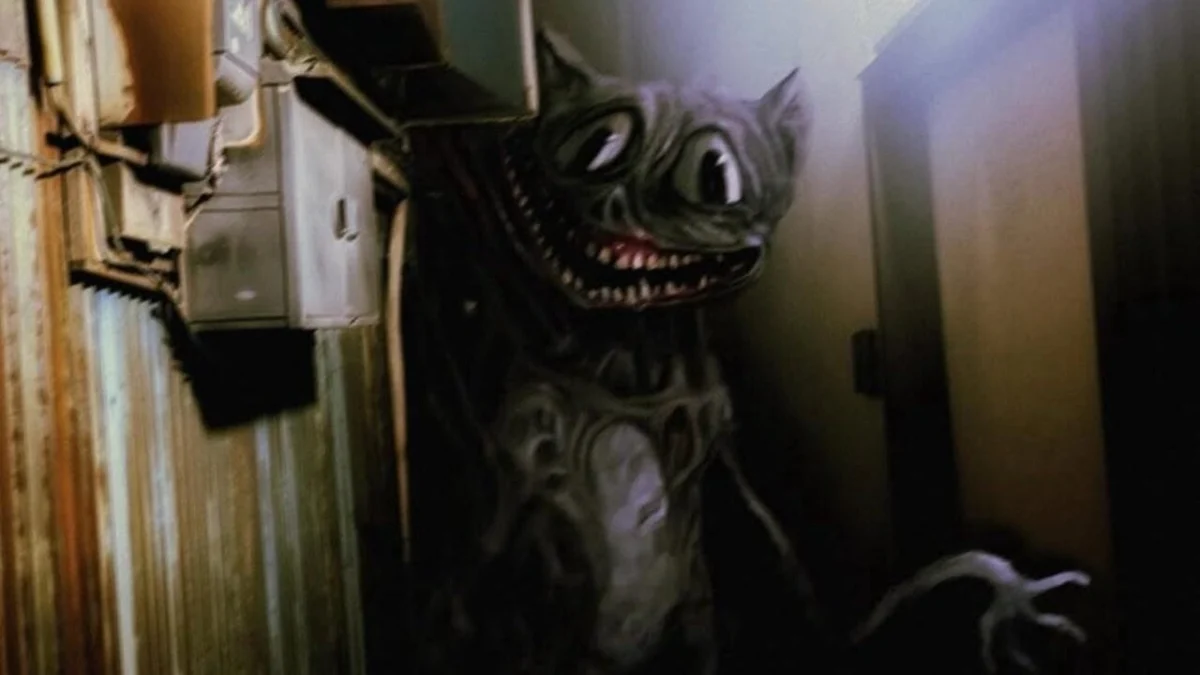
Sony’s TriStar Pictures has officially acquired the feature film rights to the widely recognized and unsettling internet phenomenon, "Cartoon Cat," a creation of acclaimed artist Trevor Henderson. This significant acquisition, reported by Deadline, signals a continuing trend of major Hollywood studios actively pursuing adaptations of viral online horror characters and concepts. The deal underscores the growing influence of digital-native horror on mainstream cinema and the lucrative potential seen in adapting these internet sensations.
The acquisition of "Cartoon Cat" rights comes on the heels of another major development for Henderson’s work, with Warner Bros. recently announcing plans to adapt his equally notorious creation, "Siren Head," into a feature film. This rapid succession of high-profile deals for Henderson’s characters highlights a burgeoning ecosystem where digital folklore and internet-driven horror are becoming fertile ground for large-scale cinematic productions. Industry observers note that this surge in interest is a direct response to the box office successes of independent horror films born from online platforms, such as Curry Barker’s "Obsession" and Kane Parsons’ "The Backrooms," both of which demonstrated the significant audience appeal of creatively realized internet horror concepts.
The Genesis and Appeal of Cartoon Cat
Trevor Henderson, an artist whose distinctive and often disturbing creature designs have garnered a substantial online following, has become a central figure in the modern landscape of internet horror. His creations, characterized by their often surreal and grotesque anatomies, tap into a primal sense of unease and the uncanny. "Cartoon Cat" itself is described by Deadline as "an ancient hollow rot that uses the collective human awareness and memories of old cartoons as a passageway to manifest into our reality – and wreak violent havoc." This description alludes to a creature that weaponizes nostalgia and perceived innocence, twisting familiar animated aesthetics into a terrifying entity.
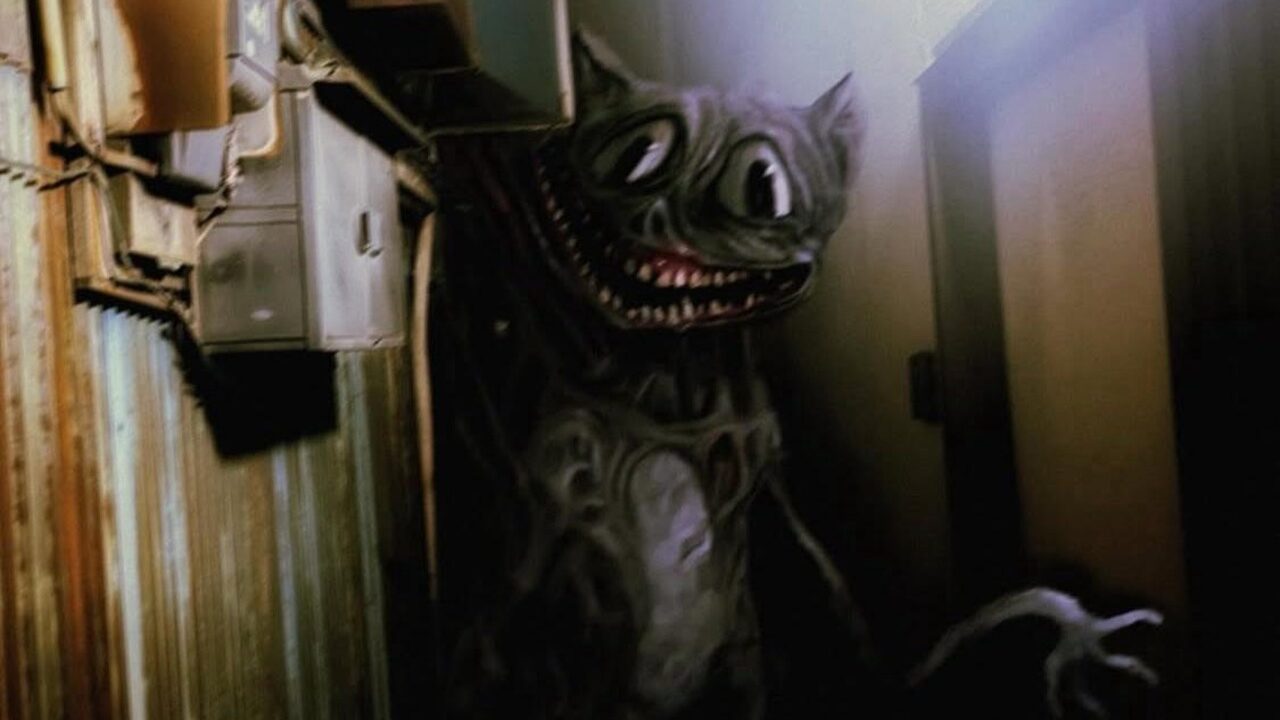
The appeal of "Cartoon Cat" and other Henderson creations lies in their ability to blend recognizable visual cues with nightmarish alterations. The juxtaposition of cartoonish elements with visceral horror creates a unique form of dread that resonates with a generation that grew up with animated media. This familiarity, subverted into something monstrous, allows the audience to project their own childhood anxieties and fears onto the creature, making it deeply unsettling. The character’s viral spread across social media platforms and horror communities is a testament to its potent and instantly recognizable design.
A Pattern of Studio Interest in Digital Horror
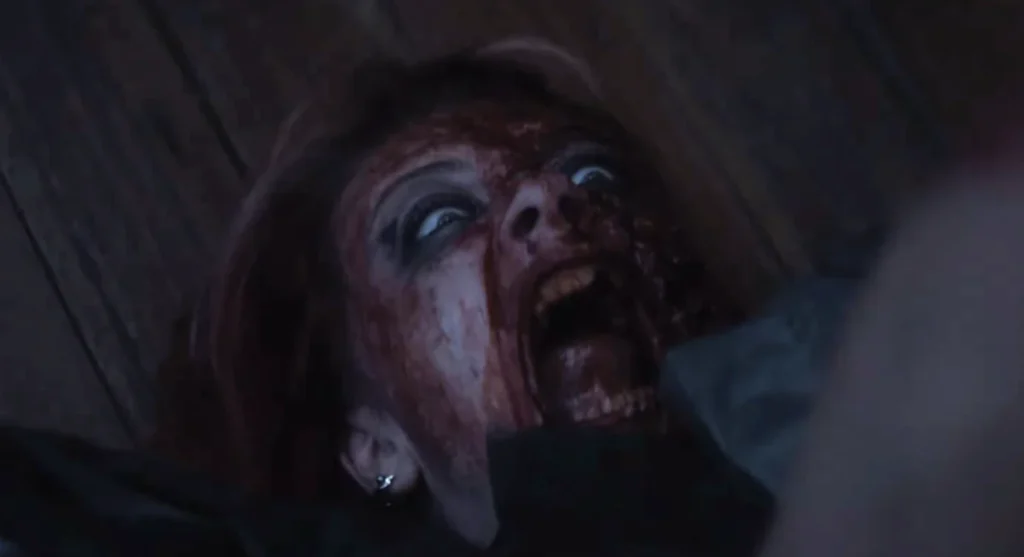
The acquisition of "Cartoon Cat" by TriStar Pictures is not Henderson’s first foray into working with Sony. Previously, he was instrumental in designing all of the creatures for Screen Gems’ horror film "Tarot." While "Tarot" itself received mixed reviews and is considered by many critics to be a forgettable entry in the genre, Henderson’s creature designs were widely praised as a standout element, showcasing his distinct artistic vision even within a less successful project. This prior collaboration likely played a role in TriStar’s confidence in his ability to translate his concepts to the screen.
The broader trend of Hollywood studios actively seeking out internet-born horror concepts can be traced back to the undeniable financial success of independent films that leveraged online fandom and viral marketing. The aforementioned "The Backrooms," initially an internet creepypasta, evolved into a feature film produced by A24, generating significant buzz and critical discussion. Similarly, "Smile," a film from Paramount Pictures, also drew inspiration from an internet short, demonstrating the viability of adapting digital narratives into mainstream horror hits. This has created a competitive environment where studios are actively monitoring online trends and creator communities for the next big horror property.
The Production Team and Development Timeline
The production team assembled for the "Cartoon Cat" film adaptation includes established names in the horror and blockbuster space. Roy Lee and Steven Schneider, known for their involvement in franchises like "The Conjuring" universe and "It," bring a wealth of experience in producing successful horror films. Scott Glassgold and J. Todd Harris are also attached as producers, with Thomas Pettinelli and Marc Marcum rounding out the production credits. This lineup suggests a serious commitment from TriStar Pictures to develop "Cartoon Cat" into a significant cinematic release.
Deadline’s report indicates that TriStar Pictures has already commenced its search for a filmmaker to helm the project. This suggests an accelerated development timeline, with the studio eager to capitalize on the current momentum and public interest in Henderson’s creations. The process of selecting a director who can effectively capture the unique tone and visual style of "Cartoon Cat" will be critical to the film’s success. The studio will likely be looking for a director with a proven track record in horror, a strong visual sensibility, and an understanding of internet culture.
Broader Implications for Digital Folklore and Creator Economy
The successful adaptation of internet-born horror characters like "Cartoon Cat" and "Siren Head" has significant implications for the creator economy and the future of digital folklore. It provides a clear pathway for independent creators and artists to see their original concepts translated into mainstream media, offering substantial financial and professional opportunities. This validation can encourage more artists to experiment with and share their unique visions online, potentially leading to a richer and more diverse landscape of emerging horror narratives.
Furthermore, these adaptations can legitimize and popularize forms of storytelling that were once confined to online communities. Internet folklore, often characterized by its collaborative and evolving nature, is now proving to be a robust source of narrative material for Hollywood. The success of these projects could lead to a greater appreciation and study of digital folklore as a significant cultural phenomenon. The ability of these characters to resonate with a global audience online suggests a universal appeal that can be effectively translated to the big screen, provided the adaptations are handled with creative integrity.
The artistic merit of Trevor Henderson’s work, characterized by its unsettling originality and ability to tap into collective subconscious fears, positions him as a significant figure in contemporary horror. His creations are not merely fleeting internet trends but have demonstrated a lasting impact, inspiring a dedicated following and now attracting the attention of major film studios. The success of "Cartoon Cat" and "Siren Head" adaptations will undoubtedly pave the way for further exploration of other viral horror characters, solidifying the influence of the internet on the future of cinematic storytelling. The industry’s eagerness to leverage these digital properties suggests a strategic shift towards tapping into pre-existing, engaged audiences and drawing inspiration from the vibrant, often macabre, corners of the internet. The continued pursuit of such intellectual property by major studios indicates a recognition of the power and potential of these unique, digitally native horror narratives to capture the imagination of a global audience.