In a significant development for the global entertainment industry and devoted fans of the Marvel Cinematic Universe (MCU), The Walt Disney Company has revealed plans to initiate premium-format ticket sales for the highly anticipated Avengers: Doomsday next week. This unprecedented move, exclusively learned by The Hollywood Reporter, marks an aggressive strategic maneuver by the studio to dominate the upcoming holiday box office season and galvanize fan excitement months ahead of the film’s theatrical debut. Domestic tickets for the eagerly awaited sequel are slated to go on sale starting July 20.
Strategic Launch of Infinity Vision and Early Ticketing
Disney’s decision to open ticket sales a full five months in advance is intricately linked to the introduction of its proprietary large-format designation, "Infinity Vision." This new brand will identify select premium theater screens specifically curated for Doomsday, offering an immersive viewing experience designed to rival existing large-format options. The creation of Infinity Vision is a direct response to a recent industry challenge where Warner Bros. secured an exclusive three-week hold on IMAX theaters for Dune Part III, which shares a December 18 release date with Avengers: Doomsday. By establishing its own premium format, Disney aims to circumvent potential limitations on screen availability and ensure a robust premium viewing experience for its flagship title, guaranteeing maximum revenue generation from high-demand formats.
The early sale of tickets for a tentpole release like Avengers: Doomsday is a relatively rare but increasingly employed tactic in Hollywood, aimed at building sustained momentum and leveraging fan anticipation. While Universal Pictures recently generated considerable buzz by offering select IMAX tickets for The Odyssey a full year in advance, Disney’s five-month lead time for Doomsday still represents a bold play, especially for a film of this magnitude. This strategy allows studios to lock in a substantial portion of their opening weekend box office early, create a sense of urgency among the fan base, and generate continuous media coverage leading up to the premiere. For a franchise as critically and commercially vital as Avengers, early sales also serve as an initial barometer of public interest, providing valuable data for subsequent marketing adjustments.
Unveiling the Film’s Runtime and Production Insights
Accompanying the early ticket sale announcement is the official runtime for Avengers: Doomsday: a substantial 165 minutes, or two hours and 45 minutes. This detail, while potentially subject to minor adjustments as the film’s final cut is unlikely to be locked this far in advance, provides fans with an initial glimpse into the epic scale of the narrative. A fixed ticket sales schedule necessitates that any subsequent changes to the runtime would be minimal, ensuring operational consistency for exhibitors.
Comparing this runtime to previous installments in the Avengers saga offers valuable context. At 165 minutes, Doomsday is notably longer than 2018’s Avengers: Infinity War, which clocked in at 149 minutes. Infinity War was lauded for its expansive scope, managing to juggle an unprecedented number of characters and plot threads while delivering a cohesive and impactful story. However, Doomsday will be slightly shorter than the colossal Avengers: Endgame (2019), which ran for 181 minutes. Endgame‘s runtime was famously extended to allow for a satisfying conclusion to a decade of storytelling, earning it critical acclaim and historic box office returns. The 165-minute duration for Doomsday suggests a narrative ambition that balances extensive character arcs and complex plot developments without reaching the marathon length of its predecessor, potentially optimizing for more showtimes per day in theaters.
The Avengers: Endgame Encore Re-release: A Nostalgic Preamble
Further enhancing Disney’s multi-pronged marketing offensive is the announcement of a re-release of Avengers: Endgame, titled Avengers: Endgame Encore, slated for September 25. This strategic re-release is designed to serve multiple purposes: to re-engage the massive fan base, to introduce a new generation of viewers to the culmination of the Infinity Saga, and to generate additional revenue. Premium Infinity Vision tickets will also be offered for this re-release, providing an opportunity for audiences to experience the record-breaking film in the new format before Doomsday‘s premiere.
Avengers: Endgame holds a revered place in cinematic history, having achieved the monumental feat of becoming the second-highest-grossing film of all time, with a staggering global box office total of $2.8 billion. It sits just behind James Cameron’s 2009 blockbuster, Avatar, which remains the global box office champion. The Endgame Encore re-release not only capitalizes on the enduring popularity of the film but also strategically re-establishes the narrative stakes and emotional resonance of the Avengers franchise, effectively serving as a high-profile, in-theater promotional event for Doomsday. It reminds audiences of the franchise’s capacity for epic storytelling and emotional impact, building a bridge between past triumphs and future expectations.
The San Diego Comic-Con Connection: Trailer Reveal and Fan Engagement
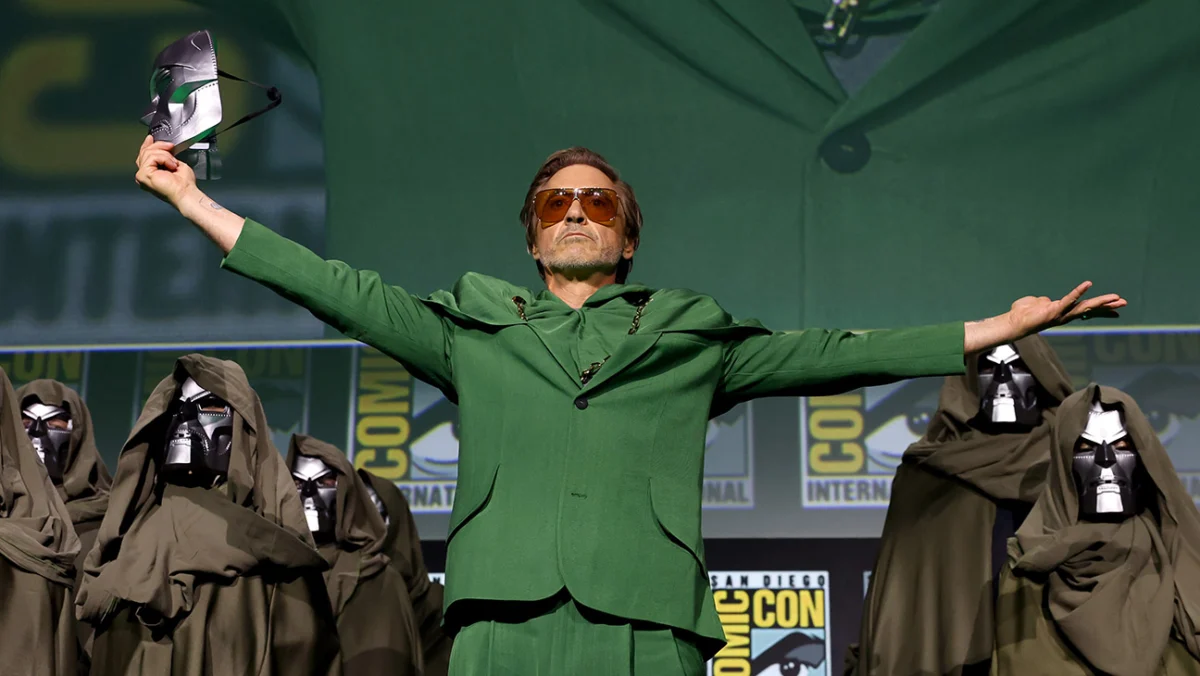
The timing of these ticket sales is no coincidence. The launch on July 20 precedes Marvel Studios’ highly anticipated presentation at San Diego Comic-Con (SDCC) on July 25. SDCC, particularly the legendary Hall H, is traditionally the epicenter for major MCU announcements, trailer debuts, and cast appearances. Industry insiders and fans alike widely expect Marvel to unveil the first full trailer for Avengers: Doomsday during its Hall H panel. The early ticket sales plan strongly suggests that an online release of the trailer will coincide with or immediately follow its Comic-Con debut, maximizing global reach and capitalizing on the intense fan anticipation generated by both events.
The synergy between early ticket sales and a major trailer drop at SDCC is a powerful marketing combination. It allows Marvel to convert immediate fan excitement from the trailer into tangible ticket purchases, leveraging the fervor of the Comic-Con crowd and the broader online community. This integrated approach ensures that the initial wave of hype translates directly into pre-sales, setting a strong foundation for the film’s commercial success. Historically, Marvel’s Hall H presentations have been pivotal in shaping the public’s perception and excitement for upcoming projects, and Doomsday is poised to be no exception.
The Narrative Core: Multiversal Threat and Iconic Villain
Avengers: Doomsday is poised to reunite Earth’s Mightiest Heroes for another universe-spanning adventure, this time tasked with saving the multiverse from a formidable new antagonist: Doctor Doom. The casting of former Iron Man star Robert Downey Jr. in the role of Doctor Doom has sent shockwaves through the fan community, promising a complex and potentially morally ambiguous portrayal of one of Marvel’s most iconic villains. Doctor Doom, known in the comics as Victor Von Doom, is the brilliant and tyrannical ruler of Latveria, a scientific genius and master of magic. His introduction as the primary antagonist for an Avengers film signifies a shift towards a more sophisticated and globally recognized threat, moving beyond the cosmic scale of Thanos to explore the intricate dangers of the multiverse.
The concept of the multiverse has been a central theme in recent MCU phases, with projects like Loki, Spider-Man: No Way Home, and Doctor Strange in the Multiverse of Madness exploring its vast and often chaotic implications. Doomsday is expected to elevate this multiversal narrative to an unprecedented scale, with the Avengers navigating alternate realities and confronting threats that transcend their own universe. Doctor Doom’s involvement, particularly with Downey Jr.’s casting, suggests a villain with profound intelligence, strategic prowess, and a nuanced motivation that could challenge the Avengers in ways even Thanos could not.
The ensemble cast for Doomsday is a testament to the film’s ambitious scope, blending established MCU veterans with exciting new additions. Confirmed cast members include Chris Hemsworth (Thor), Chris Evans (Steve Rogers), Paul Rudd (Ant-Man), Anthony Mackie (Captain America), Tom Hiddleston (Loki), Florence Pugh (Yelena Belova), Sebastian Stan (Winter Soldier), Simu Liu (Shang-Chi), and Letitia Wright (Black Panther). The film also introduces prominent characters from the Fantastic Four and X-Men mythologies, with Pedro Pascal (Mister Fantastic), Vanessa Kirby (Invisible Woman), Patrick Stewart (Professor X), and Ian McKellen (Magneto) among the new recruits. Rebecca Romijn (Mystique) further bridges the gap between different Marvel universes. This sprawling cast not only promises an epic cinematic experience but also signals a major step forward in integrating various Marvel properties into the overarching MCU narrative, a long-held dream for many comic book enthusiasts. The film is helmed by the acclaimed directing duo Anthony and Joe Russo, who previously delivered the monumental successes of Captain America: Civil War, Avengers: Infinity War, and Avengers: Endgame, ensuring a directorial vision intimately familiar with the scale and emotional depth required for such a project.
The Broader MCU Context and Financial Stakes
Avengers: Doomsday is not merely another superhero film; it is a critical pillar in the ongoing evolution of the Marvel Cinematic Universe. The Avengers franchise has historically served as the tentpole for major MCU sagas, culminating years of interconnected storytelling and delivering unparalleled cinematic events. Following the conclusion of the Infinity Saga with Endgame, Doomsday is tasked with charting a new course for the MCU, exploring the complexities of the multiverse and introducing a fresh generation of heroes and villains. The financial stakes for Disney are immense. The MCU has generated over $30 billion globally across its 30+ films, making it the most successful film franchise in history. A strong performance from Doomsday is crucial for maintaining this momentum and reassuring investors about the franchise’s continued viability and creative direction.
The film’s December 18 release date places it squarely in the competitive holiday season, a period known for attracting large family audiences. While it will contend with Warner Bros.’ Dune Part III, the distinct target audiences and Disney’s aggressive marketing, including the Infinity Vision strategy, are designed to ensure both films can thrive. The sheer cultural impact and brand recognition of the Avengers name provide a significant advantage, promising a global box office juggernaut.
Industry Reactions and Future Outlook
While Marvel Studios officially declined to comment on the early ticket sales or any specific details, their actions speak volumes about their confidence in Avengers: Doomsday and their strategic approach to the evolving theatrical landscape. The introduction of Infinity Vision represents a proactive measure to control premium viewing experiences, setting a precedent for how major studios might navigate increasingly competitive exhibition spaces. This could prompt other studios to explore similar proprietary premium formats or to re-evaluate their relationships with existing large-format providers.
For moviegoers, the early ticket sales offer an opportunity to secure prime seats for what promises to be one of the biggest cinematic events of the year. For the industry, it signals a renewed focus on generating pre-release hype and leveraging the power of fan engagement, adapting to new challenges in a dynamic market. Avengers: Doomsday is poised to not only be a critical and commercial success but also a pivotal moment in shaping the future of cinematic releases and the enduring legacy of the Marvel Cinematic Universe.