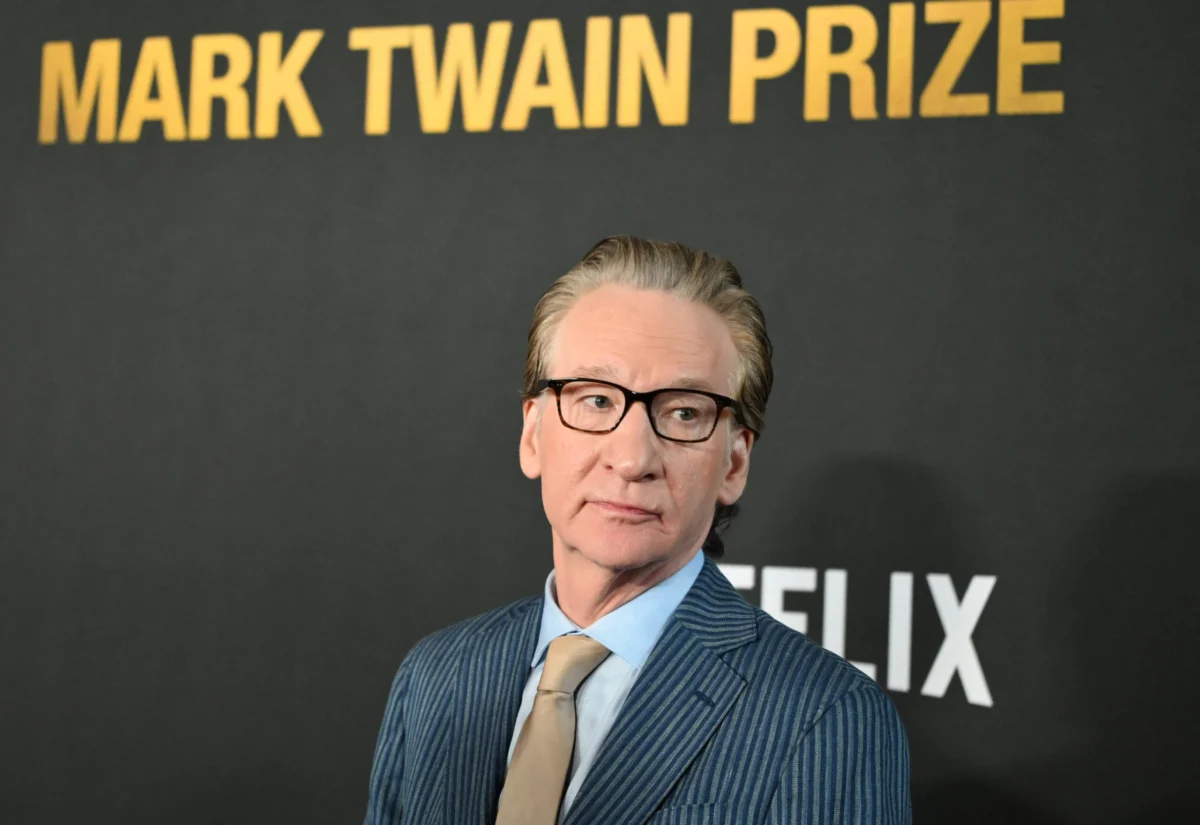
The political landscape intensified on Friday, September 11, 2026, when comedian and television host Bill Maher utilized the platform of his HBO series, Real Time With Bill Maher, to launch a sharp critique of President Donald Trump’s latest campaign proposal. At the center of the controversy is a pledge by the President to issue $5,000 checks to every American adult should the Republican party secure a victory in the upcoming midterm elections. The proposal, framed by the White House as a direct response to the national affordability crisis, has drawn swift criticism from political pundits and fiscal analysts alike.
During his monologue and subsequent panel discussion, Maher addressed the core of the President’s campaign strategy, characterizing the $5,000 promise as a populist maneuver designed to bypass traditional economic policy discourse. The host’s commentary specifically targeted the ideological consistency of the Republican base, questioning how voters who traditionally advocate for fiscal conservatism and limited government intervention could reconcile their platform with what he termed a direct handout.
The Genesis of the Five Thousand Dollar Proposal
The promise of a $5,000 dividend emerged as a cornerstone of the Republican midterms platform during the recent national convention. President Trump, seeking to solidify support against a backdrop of persistent inflation and rising costs of living, introduced the initiative as an immediate stimulus for the average American household. The proposal stipulates that every adult citizen would receive a one-time payment upon the successful election of a Republican majority in both houses of Congress.
Economists have noted that the proposal represents a significant departure from standard GOP economic orthodoxy. Historically, the party has prioritized supply-side tax cuts and deregulation over direct wealth transfers or universal cash distributions. By proposing a flat-sum payment, the Trump administration appears to be attempting to court working-class voters who have been most affected by the fluctuating costs of housing, energy, and groceries.
Maher’s Critique and the Debate Over Voter Agency
In a segment featuring panelists Max Brooks and Sarah Longwell, Maher did not mince words regarding the reception of the policy among Trump’s core base. He argued that the proposal functions as a "con," suggesting that the President is relying on a repetitive political playbook that prioritizes emotional appeal over long-term economic stability.
"It is a cult, and you’ve got to get a little smarter," Maher remarked during the broadcast. "How many times can the con man run the same con? And you still applaud for it?"
This sentiment reflects a broader debate currently occurring within the American electorate regarding the nature of political loyalty and the efficacy of populist rhetoric. Maher’s critique suggests that the promise is intended to bypass nuanced policy debates, offering instead a tangible, short-term incentive that simplifies the complexities of the national economy. Supporters of the President, however, argue that the $5,000 check would provide much-needed liquidity to families struggling under the weight of current fiscal conditions, essentially acting as a "return on investment" for the American taxpayer.
Chronology of Recent Political Maneuvering
The timeline leading up to this point has been defined by a tightening race for the midterms. Following the summer convention, the Republican party sought to pivot the conversation away from ongoing legal and social issues toward the tangible concerns of the average voter.
- August 2026: Initial reports emerge of a proposed stimulus package aimed at addressing the "affordability crisis."
- Early September 2026: The Republican National Committee officially incorporates the $5,000 dividend into its midterm campaign platform.
- September 11, 2026: Bill Maher addresses the policy on Real Time, framing it as a challenge to fiscal conservatism and questioning the wisdom of the electorate in accepting such proposals.
- September 12, 2026: Viral clips of the monologue circulate on social media, prompting a polarized reaction from political commentators and the public.
Fiscal Implications and Economic Analysis
The economic feasibility of the $5,000 proposal has become a point of contention among financial experts. To distribute $5,000 to roughly 260 million American adults would require a total expenditure of approximately $1.3 trillion. Critics from the Democratic party, as well as non-partisan budget analysts, have pointed to the inflationary risks associated with such a massive infusion of cash into the consumer economy.
When the government injects trillions of dollars into the market without a corresponding increase in the supply of goods and services, the result is often an increase in prices—a phenomenon that has already plagued the economy over the last several years. Furthermore, the source of the funding remains unclear. Whether the plan would be financed through deficit spending, reallocation of existing federal funds, or taxation changes is a question that the administration has yet to fully answer.
Maher’s commentary highlighted this irony, noting that the plan is being marketed as a weapon against "socialism," despite the fact that a universal cash distribution is frequently cited as a hallmark of socialist economic theory. This contradiction has become a central pillar of the Democratic campaign messaging, as they seek to portray the Republican platform as hypocritical.
The Role of Senate Leadership
During his show, Maher also directed a pointed remark toward Senator Mitch McConnell. By noting that the only requirement for receiving the funds is to be an "American adult and be alive," Maher invited the audience to consider the current state of Senate leadership. Senator McConnell’s prolonged absences from the U.S. Senate have been a recurring topic of concern regarding the age and stability of political leadership in Washington.
By linking the $5,000 proposal to the physical status of political figures like McConnell, Maher attempted to underscore a perceived disconnect between the aging establishment of the Republican party and the urgent, practical needs of the American people. This line of questioning serves to further erode the credibility of the party’s traditional guard while highlighting the influence of President Trump’s populist agenda.
Broader Impact and Implications for the Midterms
As the midterms approach, the $5,000 check has become a litmus test for voters. For those who feel abandoned by the current economic trajectory, the proposal offers a glimmer of hope and a direct benefit. For others, it represents a dangerous escalation of political gimmickry that threatens to destabilize the federal budget for a short-term electoral gain.
The discourse initiated by Maher’s critique underscores a deeper fragmentation in the American public. In an era where media consumption is highly polarized, the framing of this issue—whether as a "necessary stimulus" or a "cynical con"—often depends entirely on which news sources a citizen chooses to follow.
The implications for the election results are significant. If the Republican party maintains its focus on this proposal, they may succeed in driving voter turnout among those who have historically been disengaged. Conversely, if the Democrats can successfully characterize the proposal as fiscally irresponsible, they may peel away moderate voters who fear the long-term inflationary consequences of the plan.
Conclusion
The debate surrounding President Trump’s $5,000 promise is far more than a simple disagreement over campaign finance. It is a fundamental clash over the role of government in the lives of its citizens. Bill Maher’s commentary on Real Time served to bring these tensions to the surface, challenging the electorate to look past the immediate gratification of a cash payment and consider the structural health of the nation’s economy.
As the political season reaches its climax, both parties will continue to refine their messages. Whether the electorate chooses to embrace the populist allure of a one-time payment or remains wary of the underlying fiscal risks remains to be seen. What is clear, however, is that the 2026 midterm cycle will be defined by how voters reconcile their immediate financial anxieties with their long-term vision for the United States. The challenge posed by the President—and the response from figures like Maher—will likely remain the central narrative of the final weeks leading up to the ballot box.