Science fiction, fantasy, and horror literature have long explored the myriad forms of conflict, from extraterrestrial invasions and monstrous hordes to spectral apparitions and relentless slashers. Yet, few narrative devices tap into a primal fear as effectively as the confrontation with a version, or multiple versions, of oneself. Whether manifested as a double, a doppelgänger, or a clone, the battle against an alternate self carries a unique and profoundly unsettling resonance, forcing characters and readers alike to grapple with identity, destiny, and the darker aspects of human nature.
This thematic exploration is a recurring motif within the superhero genre, where iconic figures like Superman and Captain America have frequently faced their mirror images. In these scenarios, the conflict often resolves with the hero triumphing due to an inherent quality—tenacity, moral fortitude, or the weight of past experiences—that distinguishes them from their often malevolent counterparts. However, when this trope extends beyond the realm of caped crusaders, the narrative complexities multiply. The appearance of doubles can unearth deeply buried psychological demons, making the struggle for resolution far more intricate and psychologically taxing. The following five literary works exemplify this heightened level of complexity, offering compelling narratives that delve into the disquieting confrontations with our own reflections.

The Dark Half: When an Author’s Shadow Takes Form
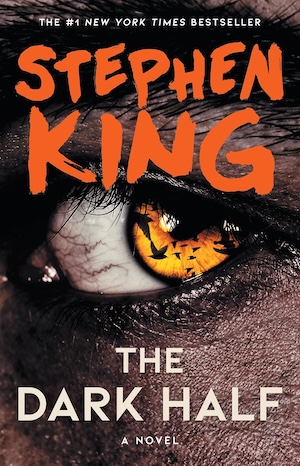
Stephen King’s 1989 masterpiece, The Dark Half, masterfully explores the terrifying consequences of an author’s alter ego manifesting in the real world. The novel centers on Thad Beaumont, a successful novelist who writes violent crime thrillers under the pseudonym George Stark. In a bid to shed his darker literary persona, Thad stages a mock funeral for Stark. However, this symbolic act proves insufficient; Stark refuses to remain buried, literally clawing his way out of the grave to exact a bloody revenge on all those involved in his perceived demise.
The genesis of The Dark Half is intrinsically linked to King’s own experiences writing under the pseudonym Richard Bachman, lending the narrative a palpable layer of introspection concerning personal and authorial identity. Stark’s murderous rampage is not only a physical threat but also a profound existential crisis for Thad, as Stark’s actions directly implicate him due to their shared fingerprints and DNA, despite superficial differences. This intricate connection blurs the lines between creator and creation, reality and fiction. While King himself has acknowledged that The Dark Half may not reach the stratospheric heights of his other seminal works like The Stand or IT, it remains one of his most underrated and potent explorations of self-confrontation, a testament to the enduring power of literary shadow selves.
Dark Matter: A Multiversal Identity Crisis
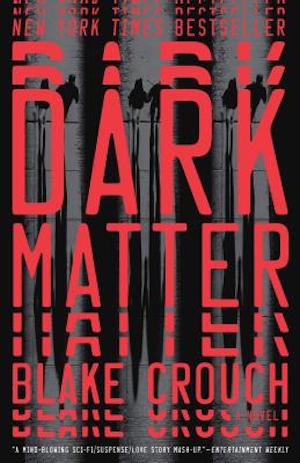
Blake Crouch’s 2016 science fiction thriller, Dark Matter, offers a mind-bending journey into the perils of parallel realities and the existential dread of losing one’s identity. The premise is best experienced with minimal prior knowledge, but for the purpose of this discussion, it involves a profound confrontation with alternate versions of oneself. The narrative begins with Jason Dessen, a physics professor, being rendered unconscious during a walk home. Upon waking, he finds himself in a world subtly, yet terrifyingly, altered. His wife claims they never married, his son no longer exists, and he is apparently working on a groundbreaking experimental physics project. Dessen’s singular goal becomes the reclamation of his lost family and life, a quest fraught with unprecedented challenges.
The journey Dessen undertakes is a whirlwind of disorienting twists and turns, a testament to Crouch’s skill in crafting a high-octane, intellectually stimulating narrative. The core of the novel’s horror lies in the systematic erasure of Dessen’s reality and the unsettling realization that his choices have led him down paths where different versions of himself exist, often with vastly different life outcomes. This exploration of quantum mechanics and the multiverse, while complex, serves as a compelling backdrop for a deeply human story about love, loss, and the fundamental nature of identity. The relentless pace and intricate plotting ensure that Dark Matter is not only a thrilling read but also a profound meditation on the "what ifs" that haunt our existence.
The Murders of Molly Southbourne: A Cycle of Self-Destruction
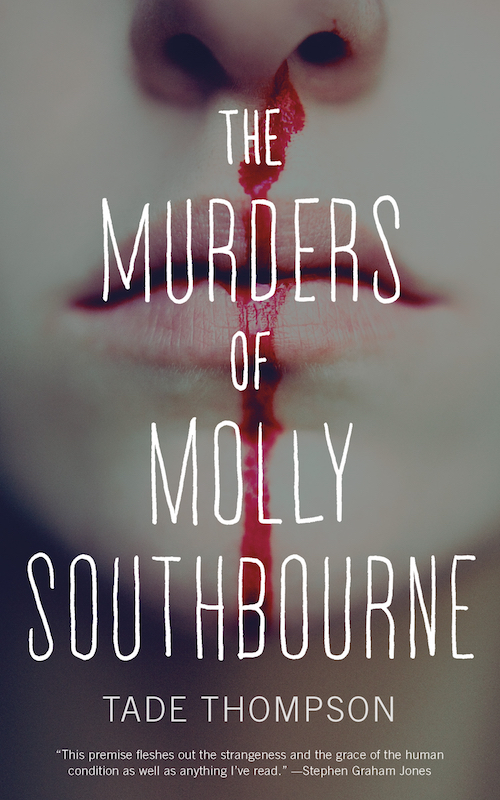
Tade Thompson’s 2017 novella, The Murders of Molly Southbourne, presents a unique and brutally visceral take on cloning and self-preservation. In this grim scenario, clones are not allies but existential threats. Molly Southbourne suffers from a peculiar biological condition: every instance of bleeding triggers the creation of a new clone, designated a "molly," which is programmed to hunt and kill her original. The narrative opens with one such molly awakening, chained in a basement, disoriented and unaware of her purpose. Molly, the protagonist, then enters to explain the grim reality of their shared existence.
Thompson masterfully condenses a complex and disturbing premise into a compact and engrossing novella. The tale Molly recounts is as much about the fight for survival as it is about the psychological toll of constantly battling one’s own progeny. The blood-soaked encounters and the existential horror of being hunted by a being that is, in essence, you, create a potent and unforgettable reading experience. The novella delves into themes of self-perpetuation and the inescapable nature of one’s own actions, particularly when those actions have biological consequences. It stands as a stark example of how the concept of the double can be twisted into a terrifying engine of self-destruction, forcing the protagonist into a perpetual state of vigilance and violence.
Such Lovely Skin: A Digital Echo of Guilt
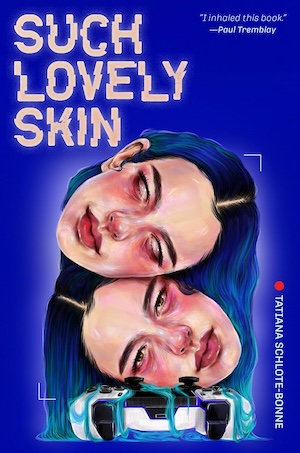
Tatiana Schlote-Bonne’s 2024 novel, Such Lovely Skin, plunges into the dark corners of teenage guilt and the horrifying manifestations of unspoken secrets, amplified by the digital age. Viv, the protagonist, has endured a summer marred by a tragic accident: she accidentally killed her younger sister and subsequently lied about the circumstances. This profound grief and guilt have left her isolated and consumed. As the new school year approaches, Viv attempts to regain a semblance of normalcy by returning to her Twitch streaming, a source of income and a way to reconnect with the outside world.
During an offline rehearsal for an indie horror game, Viv confesses the truth of her sister’s death to a non-playable character. This act of confession, however, inadvertently unleashes a demonic doppelgänger, a mimic that begins to wreak havoc. The terrifying aspect of this entity is its ability to impersonate Viv, sowing confusion and suspicion. Viv finds an unlikely ally in Ash, a boy she had previously ostracized through malicious rumors. His belief in her innocence, despite her past actions, becomes a crucial turning point. While Viv’s self-absorbed nature can be challenging for some readers, the novel compensates with its visceral and potent horror imagery. The narrative cleverly uses the digital landscape and the anonymity of online interactions as a catalyst for supernatural terror, demonstrating how hidden truths can manifest as literal, monstrous reflections of our inner turmoil.
The Other: A Wilderness of Identity Theft
Annie Neugebauer’s 2026 novella, The Other, leverages the isolation and natural beauty of a wilderness setting to craft a chilling tale of identity theft and marital discord. Elise and Logan, a couple facing significant strain in their relationship, embark on a multi-day hike in the woods, hoping the solitude will provide space for introspection and reconciliation. Their planned retreat takes a sinister turn when they encounter another couple on the trail who bear an uncanny resemblance to themselves. Initially unsettled by the coincidence, they decide to maintain their course.
The true horror unfolds the following morning when they discover that the other couple are not only identical but are now actively claiming to be Elise and Logan. This premise creates an immediate and unbearable tension, as the original couple are forced to question their own reality and the authenticity of their relationship. The novella, designed for rapid consumption, excels in building suspense and a palpable sense of dread. The isolation of the wilderness amplifies the psychological stakes, leaving Elise and Logan not only battling their doppelgängers but also grappling with the erosion of trust between themselves. The narrative expertly exploits the fear of being replaced and the fundamental uncertainty of self when confronted by an exact replica.
The Enduring Appeal of the Doppelgänger
The recurring motif of confronting one’s own double in literature speaks to a deep-seated human fascination with identity, self-knowledge, and the potential for internal conflict to manifest externally. These narratives often serve as allegories for personal struggles, societal anxieties, or the very nature of consciousness. Whether the double is a product of supernatural forces, scientific experimentation, or psychological projection, the core of these stories lies in the exploration of what makes us uniquely ourselves.
The prevalence of these narratives across genres, from the supernatural horror of Stephen King and the speculative thrills of Blake Crouch to the more intimate psychological dread in Tade Thompson, Annie Neugebauer, and Tatiana Schlote-Bonne, underscores their universal appeal. These authors, through their distinct approaches, demonstrate the multifaceted ways in which the doppelgänger trope can be employed to explore themes of guilt, ambition, lost potential, and the fragile construction of identity. As readers, we are drawn to these stories because they hold up a mirror to our own fears and aspirations, forcing us to consider the shadowy reflections that might lie just beyond the veil of our perceived reality.
The literary landscape is rich with further examples of characters battling their alternate selves. From classic tales of doppelgängers to contemporary explorations of cloning and virtual identities, the concept continues to resonate. Readers are encouraged to share their own recommendations for books that delve into this unsettling, yet endlessly fascinating, theme in the comments below.