The highly anticipated stage adaptation of Kei Urana’s popular manga, Gachiakuta, has encountered an unexpected setback as lead actor Hikaru Imamaki suffered a leg injury during Tuesday evening’s performance. This unfortunate incident has necessitated a change in the production’s casting for the remainder of its run, with Ryota Kamiya stepping in to portray the central character, Rudo. The news, officially announced on Wednesday by the production team, has sent ripples through the fanbase and the theatrical community, highlighting the inherent risks and resilience within live performance.
The incident occurred during the Tuesday, May 28th performance at the Stellar Ball in Tokyo. While the specifics of the injury remain undisclosed beyond a leg injury, the immediate aftermath saw medical attention provided to Imamaki. Subsequent examinations revealed a torn meniscus, a common yet debilitating knee injury often sustained through sudden twisting motions of the knee while the foot is firmly planted. This diagnosis immediately raised concerns about Imamaki’s ability to continue with the demanding physicality of the role.
Following thorough consultation with Imamaki himself, his representatives, and the Gachiakuta stage play’s production committee, a difficult but necessary decision was made. To prioritize Imamaki’s health and ensure a full recovery, he will be withdrawing from all subsequent performances of the play, effective May 29th. This marks a significant departure for the production, as Imamaki was a pivotal figure in bringing the gritty, action-packed world of Gachiakuta to life on stage.
A Swift Transition: Ryota Kamiya Takes the Helm
In a testament to the professionalism and preparedness of the Gachiakuta production, a replacement has been swiftly identified and integrated. Ryota Kamiya, an actor known for his versatility and stage presence, has been confirmed to take over the role of Rudo for the remainder of the play’s engagement. The production has assured audiences that performances will resume on Friday, May 30th, with the afternoon show, featuring Kamiya in the lead role. This seamless transition aims to minimize disruption for theatergoers and maintain the integrity of the artistic vision.
The decision to replace Imamaki was not taken lightly. The production committee, in conjunction with Imamaki’s agency, weighed the severity of the injury against the demanding schedule of a limited theatrical run. A torn meniscus typically requires a period of rest, rehabilitation, and potentially surgery, making it incompatible with the rigors of performing eight shows a week. The commitment to Imamaki’s long-term health and recovery was paramount in this decision.
Chronology of Events and Production Impact
The Gachiakuta stage play, based on Kei Urana’s acclaimed manga, officially opened its Tokyo run on May 22nd at the Stellar Ball. The production was slated to entertain audiences in Tokyo until May 31st, before transferring to the Rohm Theater in Kyoto for performances from June 5th to June 7th. The news of Imamaki’s injury and subsequent withdrawal has cast a shadow over this otherwise highly anticipated theatrical event.
- May 28th (Tuesday Evening): Actor Hikaru Imamaki sustains a leg injury during the performance.
- May 28th (Late Evening/Overnight): Imamaki receives immediate medical attention and diagnosis of a torn meniscus.
- May 29th (Wednesday): The production officially announces the cancellation of Wednesday and Thursday performances. Discussions commence regarding casting changes.
- May 29th (Afternoon/Evening): Ryota Kamiya is confirmed as Imamaki’s replacement.
- May 30th (Friday): Performances resume with Ryota Kamiya as Rudo.
The cancellation of two performances represents a direct financial and logistical impact on the production. Ticket holders for the affected dates are likely to be offered exchanges or refunds, adding administrative complexity. Furthermore, the immediate need to integrate a new lead actor into the ensemble, particularly for such a central role, requires intensive rehearsal and acclimatization, underscoring the agility of the stage management and creative team.
Background and Context: The Rise of Gachiakuta
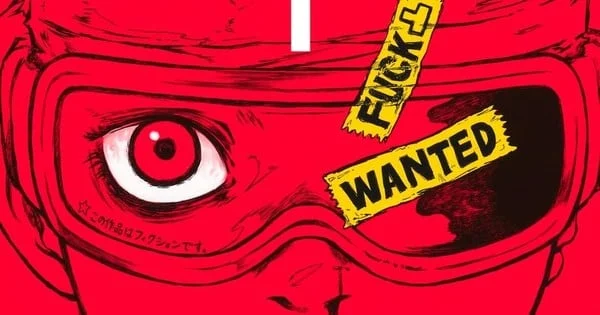
The Gachiakuta manga, penned by Kei Urana, first debuted in Kodansha’s Weekly Shonen Magazine in February 2022. It quickly garnered a dedicated following for its dark, dystopian narrative, intricate world-building, and compelling character development. The story is set in a world where humanity is forced to live in the polluted "Gakushi" district, a stark contrast to the gleaming "Kugai" district inhabited by the elite. The protagonist, Rudo, is a young man who, after being cast out of the Kugai and branded a "Gakushi," embarks on a journey of survival and rebellion, uncovering dark secrets about his society.
The manga’s success paved the way for a highly anticipated anime adaptation, which premiered in July 2025 on CBC, TBS, and numerous other channels in Japan. Crunchyroll has been instrumental in bringing the anime to a global audience, streaming it across North America, Central America, South America, Europe, Africa, Oceania, the Middle East, CIS (excluding Russia and Belarus), and the Indian subcontinent. The anime has also received a same-day English dub, further expanding its reach. Notably, the anime series has already secured a second season, indicating its strong performance and popularity.
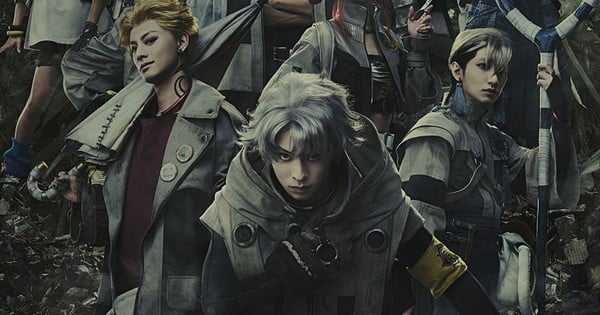
The stage play adaptation, therefore, represents a significant extension of the Gachiakuta franchise into a different artistic medium. The choice to translate the manga’s visceral world and complex themes to the live stage was met with considerable excitement. The production features a talented creative team, with Go Ueki directing and Watashiomu penning the script. The musical direction is helmed by KEN THE 390, with music composition by Yoshizumi and Mush Tanaka. This ensemble of artists was tasked with capturing the essence of Urana’s creation for a live audience.
Supporting Data and Theatrical Realities
The Gachiakuta stage play is scheduled to run for a total of ten performances in Tokyo and three in Kyoto. This limited run underscores the high demand and the careful planning involved in theatrical productions. The injury to a lead actor, particularly early in the run, is a stark reminder of the physical demands placed upon performers. Actors often undertake rigorous training and conditioning to embody their characters, and the inherent unpredictability of live performance means that accidents can and do occur.
Torn meniscus injuries, like the one sustained by Imamaki, can take anywhere from four to six weeks to recover from, depending on the severity and the individual’s rehabilitation progress. In some cases, surgery may be required, extending the recovery period significantly. For an actor in a demanding stage role, this means a complete cessation of performance activities until healing is sufficiently advanced.
The decision to have Ryota Kamiya replace Imamaki is a standard industry practice for such situations. Understudies are often rehearsed for lead roles, but when a principal actor is sidelined for an extended period, a direct replacement is usually sought to ensure the audience experience remains as consistent as possible. Kamiya’s ability to step into the role on such short notice speaks to his professional capabilities and the preparedness of the production’s artistic director and stage manager.
Official Responses and Industry Sentiment
While direct quotes from Hikaru Imamaki have not been released, the official announcement from the Gachiakuta stage play’s website conveys a clear message of prioritizing his well-being. The statement, "to focus on his treatment," indicates a supportive stance from the production committee.
Similarly, Ryota Kamiya’s acceptance of the role, despite the challenging circumstances, reflects a commitment to the production and its audience. His readiness to perform from Friday onward suggests a swift and dedicated effort to learn and embody the character of Rudo.
The broader theatrical community often responds to such news with a mix of sympathy for the injured performer and understanding of the logistical challenges faced by the production. The resilience of live theater lies in its ability to adapt and overcome unforeseen obstacles, with casts and crews often demonstrating remarkable solidarity during difficult times.
Broader Impact and Implications
The injury to Hikaru Imamaki and the subsequent casting change for the Gachiakuta stage play carry several implications. For the production itself, it presents a challenge to maintain audience engagement and critical reception while introducing a new lead actor. The success of Ryota Kamiya in the role will be a key factor in the remaining performances.
For Hikaru Imamaki, this is a personal setback that will require patience and dedication to his recovery. The Gachiakuta stage play, as a significant professional engagement, will be missed during his recuperation. His fans will undoubtedly be concerned and wishing him a speedy return to the stage.
From a franchise perspective, the incident underscores the interconnectedness of different media. The success of the manga and anime has undoubtedly driven interest in the stage play. Any disruption to one facet of the franchise can have a ripple effect, highlighting the importance of stability and consistency across all platforms.
The Gachiakuta stage play, despite this unforeseen challenge, continues its run, demonstrating the enduring spirit of live theater. The commitment of the cast and crew to deliver a compelling performance, even in the face of adversity, is a testament to their dedication to the art form and the beloved source material. Audiences attending the remaining performances will witness a unique chapter in the Gachiakuta stage play’s history, one marked by both the triumph of artistic adaptation and the inherent fragility of human performance. The swift resolution and continuation of the play serve as a powerful example of the industry’s ability to navigate unexpected hurdles and continue to bring stories to life for eager audiences.