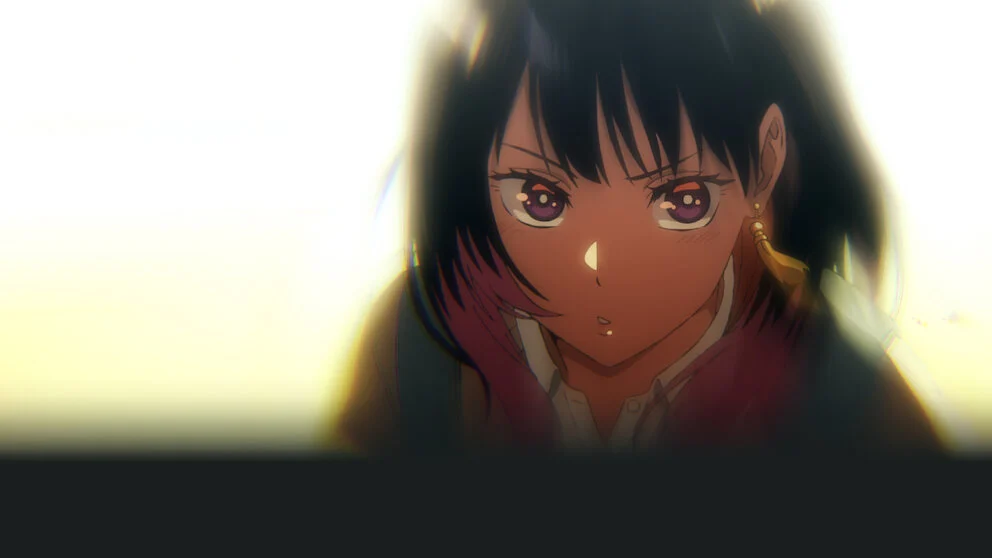
The anime adaptation of "Akane-banashi," helmed by acclaimed director Ayumu Watanabe and produced by Studio Zexcs, has emerged as a significant cultural event, drawing unprecedented attention to rakugo, the traditional Japanese art of comedic storytelling. As of 2025, while rakugo has seen a resurgence in popularity among a wider audience, its representation in anime has remained relatively niche, with titles like "Showa Genroku Rakugo Shinjuu" and "Joshiraku" being among the few prominent examples. "Akane-banashi" is poised to significantly expand this landscape, offering a fresh, dynamic entry point for global audiences into the intricate and captivating world of rakugo.
The Renaissance of Rakugo: A Cultural Backdrop
Rakugo, literally meaning "fallen words," is a centuries-old performing art where a single storyteller, known as a rakugoka, sits on a cushion on stage, enacting multiple characters using only a paper fan (sensu) and a small hand towel (tenugui) as props. Through changes in pitch, tone, and slight head movements, the rakugoka brings to life often humorous, sometimes poignant, narratives passed down through generations. Originating in the Edo period (1603-1868), rakugo served as a primary form of entertainment, evolving from street performances to established theaters.
In recent decades, rakugo faced challenges typical of many traditional arts in a rapidly modernizing society, competing with contemporary entertainment forms. However, the early 21st century has witnessed a remarkable revival. This renewed interest is partly attributable to charismatic contemporary rakugoka who have modernized their delivery while respecting tradition, as well as increased media exposure. Television specials, documentary series, and even some stage plays have contributed to this cultural resurgence. Despite this, the global understanding and appreciation of rakugo remained largely confined to Japanophiles and cultural enthusiasts. The limited number of anime adaptations, prior to "Akane-banashi," underscored this gap, highlighting the difficulty in translating a purely auditory and performative art into a visual medium designed for broad appeal. "Showa Genroku Rakugo Shinjuu," a critically lauded drama, showcased the depth and emotional complexity of the art, while "Joshiraku" offered a more comedic, meta-commentary on the form. "Akane-banashi" enters this context not just as another adaptation, but as a shounen anime, specifically designed to introduce this traditional art to a younger, potentially global, demographic through familiar narrative structures.
From Manga Pages to Animated Performance: The "Akane-banashi" Journey
The journey of "Akane-banashi" began with its serialization in Shueisha’s Weekly Shonen Jump magazine in February 2022. Penned by Yuki Suenaga and illustrated by Takamasa Moue, the manga quickly garnered critical acclaim for its compelling narrative and dynamic portrayal of rakugo. It was nominated for prestigious awards such as the Manga Taisho and the Next Manga Award, signifying its impact within the competitive manga industry. The manga’s success demonstrated that a narrative centered on traditional performance art could resonate powerfully with a modern audience, particularly within the action-oriented shounen demographic. Its strong sales figures and positive reader reception paved the way for an inevitable anime adaptation, which was officially announced in late 2024, generating considerable excitement among both manga readers and anime enthusiasts.
The premise of "Akane-banashi" revolves around Akane Osaki, a spirited high school student whose life has been inextricably linked to rakugo since childhood. Her father, Shinta Arakawa, was a gifted rakugoka who tragically failed to achieve the coveted Shinuchi status, the highest rank a storyteller can attain. This failure led to his forced departure from the rakugo world, a decision that ignited a burning passion within young Akane. Six years later, she dedicates herself to mastering the art, under the tutelage of her father’s former mentor, determined to not only redeem her father’s name but also to carve her own path in a fiercely competitive and tradition-bound profession. This compelling blend of personal vendetta, familial loyalty, and artistic ambition provides a strong emotional core that is instantly relatable to the shounen audience.
Crafting the Vision: Key Personnel and Production
The anime adaptation of "Akane-banashi" benefits from a seasoned production team. Director Ayumu Watanabe is a highly respected figure in the anime industry, known for his versatile filmography that spans critically acclaimed features like "Children of the Sea" and "The Orbital Children," as well as popular television series. His expertise in crafting emotionally resonant narratives and visually imaginative sequences makes him a particularly apt choice for "Akane-banashi," which requires both nuanced character drama and dynamic visual representation of abstract performance. Watanabe’s prior experience in handling diverse genres suggests a directorial approach capable of balancing the dramatic tension of rakugo performances with the lighter comedic elements inherent in the art form.
Studio Zexcs, the animation house behind the series, is renowned for its work on character-driven dramas and coming-of-age stories. Their portfolio includes titles that often emphasize detailed character animation and expressive emotional palettes, qualities that are crucial for a series centered on performance art. The challenge for Zexcs was to translate the static nature of a rakugo performance into an engaging visual spectacle, a feat they have reportedly achieved through dynamic camera work, expressive character reactions, and evocative imagery that visualizes the stories being told.
A critical component in ensuring the authenticity of the adaptation is the involvement of Kikuhiko Hayashiya, a real-life rakugoka, who serves as the rakugo advisor for the production. His role, identical to his contribution to the original manga, ensures that the intricacies, terminology, and spirit of rakugo are accurately portrayed. This commitment to cultural fidelity is paramount, particularly for an anime aiming to educate and entertain a global audience about a specific Japanese art form. Hayashiya’s guidance provides an invaluable layer of realism, helping the animators and voice actors understand the nuances of delivery, posture, and comedic timing essential to rakugo.
Character design, adapted by Kii Tanaka, plays a significant role in the anime’s broad appeal. While Takamasa Moue’s original manga designs are sharp and expressive, Tanaka’s adaptation features softer, more approachable features. This stylistic choice is often employed in anime aiming for wider demographic appeal, making the characters more inviting and relatable to a younger or less niche audience. Despite the softening, Tanaka has successfully maintained the distinctiveness and charisma of each character, allowing their diverse age groups and personalities to shine through. This thoughtful adaptation helps bridge the gap between a traditional art form and a contemporary animation style.
Narrative Core: Akane’s Uphill Battle in a World of Tradition
At its heart, "Akane-banashi" is a classic underdog story, enriched by the unique setting of traditional Japanese storytelling. Akane Osaki’s motivation is deeply personal: to avenge her father’s unjust dismissal and reclaim his honor by achieving the Shinuchi status that eluded him. The Shinuchi rank is not merely a title; it represents the pinnacle of a rakugoka’s career, granting them the right to perform independently and take on apprentices. The examination process is notoriously rigorous, demanding not only exceptional storytelling prowess but also a profound understanding of rakugo’s history, traditions, and audience psychology. Shinta Arakawa’s failure, shrouded in mystery and injustice, sets Akane on a path of intense dedication and sacrifice.
As a rookie in a world dominated by seasoned masters and ambitious peers, Akane’s journey serves as a direct educational experience for the audience. Her initial training under her mentor, a former colleague of her father, introduces the fundamental principles of rakugo – from basic posture and vocal exercises to the art of character differentiation and narrative pacing. Viewers learn alongside Akane, gaining insights into the discipline, improvisation, and sheer talent required to captivate an audience with only words and subtle gestures. This didactic approach is seamlessly integrated into the narrative, making complex cultural concepts accessible and engaging. The anime effectively demystifies rakugo, breaking down its components and showcasing the arduous path to mastery.
Animating the Unanimatable: Translating Performance Art
Perhaps the greatest triumph of "Akane-banashi" lies in its innovative approach to translating a static performance art into a dynamic visual medium. The original article aptly compares the story’s pacing to that of a sports anime, and this analogy is central to the adaptation’s success. Director Ayumu Watanabe ingeniously employs tropes common in sports narratives – intense training montages, rivalries, dramatic competition arcs, and moments of heightened focus akin to an athlete entering a "zone."
Akane’s progression from a beginner to a dedicated student of the Shiguma School is marked by constant practice and lessons from older pupils and her mentor. These training sequences are not merely informative but visually engaging, often showing Akane struggling, persevering, and incrementally improving. The Karaku Cup, a crucial competition for students and amateur rakugoka, becomes the anime’s first major tournament arc. Performances within the Karaku Cup are animated with the same intensity and suspense as a high-stakes athletic match. Key figures, including Akane, are depicted entering a "zone-like" state, their expressions shifting, their movements becoming sharper, and the worlds of their stories vividly manifesting around them. Dramatic flashbacks, often intertwined with the performance, provide crucial character development and raise the emotional stakes, mirroring the visual storytelling techniques used to depict a character’s "power-up" or moment of realization in traditional shounen action series.
Studio Zexcs’s animation plays a vital role in this translation. It is no easy feat to convey the comedic timing and emotional resonance of rakugo, which heavily relies on a performer’s subtle expressions and vocal delivery, into a visual medium. However, Watanabe’s extensive experience, combined with Zexcs’s expertise in character animation, allows for a masterful rendition. An example highlighted is the emotional whiplash experienced by Akane at the beginning of her journey. The initial part of the episode is filled with youthful hope and a cheerful tone as she watches her father perform. This quickly shifts to darker, more somber scenes as heartbreak takes over, vividly illustrating the devastating impact of her father’s forced retirement. This skillful use of visual contrast and emotional pacing demonstrates the animation’s ability to convey profound psychological shifts and narrative turns, making the audience deeply empathetic to Akane’s plight.
The Sound of Storytelling: Voice Acting and Musicality
In an anime centered on a performance art like rakugo, voice acting is not just important; it is absolutely essential. The voice cast of "Akane-banashi" rises to this challenge, with Anna Nagase delivering a standout performance as Akane Osaki. Nagase’s commitment to the role extended to undergoing actual rakugo training, allowing her to imbue Akane’s performances with a depth of understanding and technical precision that would otherwise be impossible. This dedication shines through, particularly during the climax of the series’ initial arc, where Akane performs the classic rakugo piece "Jugemu." "Jugemu" is famous for its intricate wordplay and the need for the performer to juggle multiple distinct characters with varying voices and mannerisms. Nagase’s ability to transition seamlessly between these roles creates a compelling blend of tension and comedy, making the animated performance feel remarkably like an actual live stage act. Her vocal range and control are critical in bringing the nuanced expressions of rakugo to life, allowing the audience to fully appreciate the skill involved.
Beyond the core voice performances, the series’ sound design and musical score contribute significantly to its atmosphere and impact. The opening theme by Kuwata Keisuke, "HITOTARASHI," as featured in the second official trailer, sets a vibrant and engaging tone, hinting at the energy and charm of the series. The background music during performances often swells to emphasize dramatic moments or subtly shifts to underscore comedic beats, guiding the audience’s emotional response. The careful calibration of these auditory elements ensures that even without the full sensory experience of a live rakugo show, the anime manages to convey the essence and power of the art form.
Broader Implications: Rakugo’s Future and Anime’s Cultural Reach
"Akane-banashi" is more than just an entertaining anime; it represents a significant cultural bridge. By packaging rakugo within the popular and globally accessible shounen anime format, the series has the potential to introduce this traditional Japanese art to millions of viewers worldwide who might otherwise never encounter it. It challenges the perception of traditional arts as "old-fashioned" or inaccessible, demonstrating their enduring relevance and entertainment value. This exposure could foster a new generation of rakugo enthusiasts, not only in Japan but also internationally, potentially sparking interest in live performances, cultural studies, and even the creation of similar storytelling forms in other cultures.
For the anime industry itself, "Akane-banashi" serves as a powerful testament to the versatility of the medium. It proves that anime can successfully adapt niche, culturally specific subjects and transform them into globally resonant narratives. This success might encourage more studios and producers to explore similar projects, delving into other traditional Japanese arts – be it Noh theater, Kabuki, traditional music, or crafts – and presenting them in ways that appeal to a broad, contemporary audience. Such adaptations enrich the anime landscape, moving beyond conventional genres and demonstrating the medium’s capacity for cultural preservation and education. The series acts as a catalyst, bridging generational gaps and cultural divides, by presenting the universal themes of passion, perseverance, and identity through the unique lens of Japanese storytelling.
In conclusion, "Akane-banashi" stands as a thrilling and humorous anime that deftly navigates a young girl’s arduous journey to redeem her father and herself within the competitive world of rakugo. With its incredible voice acting, innovative animation, and meticulous attention to cultural authenticity, the series serves as a heartfelt celebration of rakugo without sacrificing its inherent cultural essence. It not only entertains but also educates, offering a vibrant and accessible gateway into a cherished traditional art form, solidifying its place as a significant contribution to both the anime landscape and the global appreciation of Japanese culture.