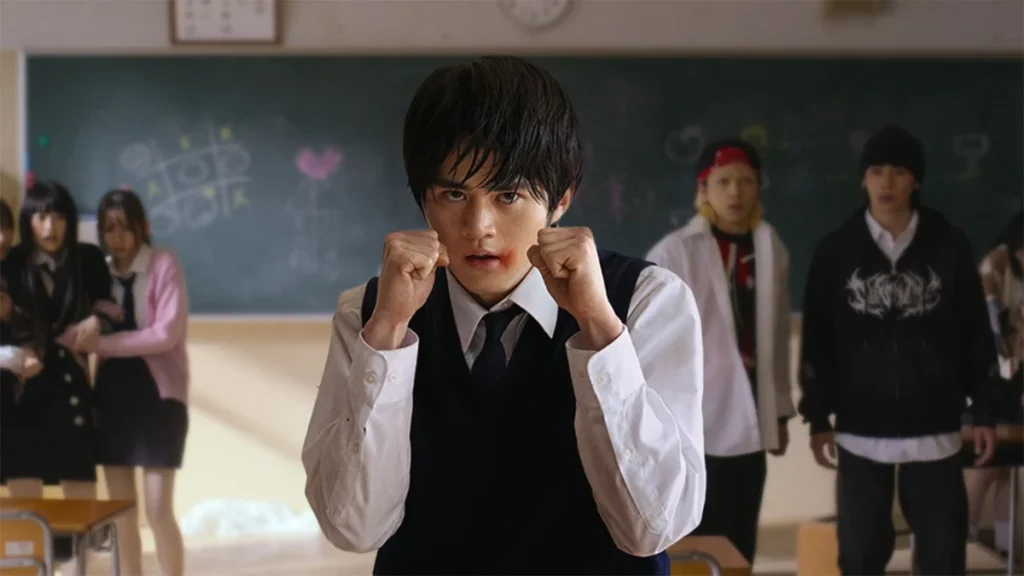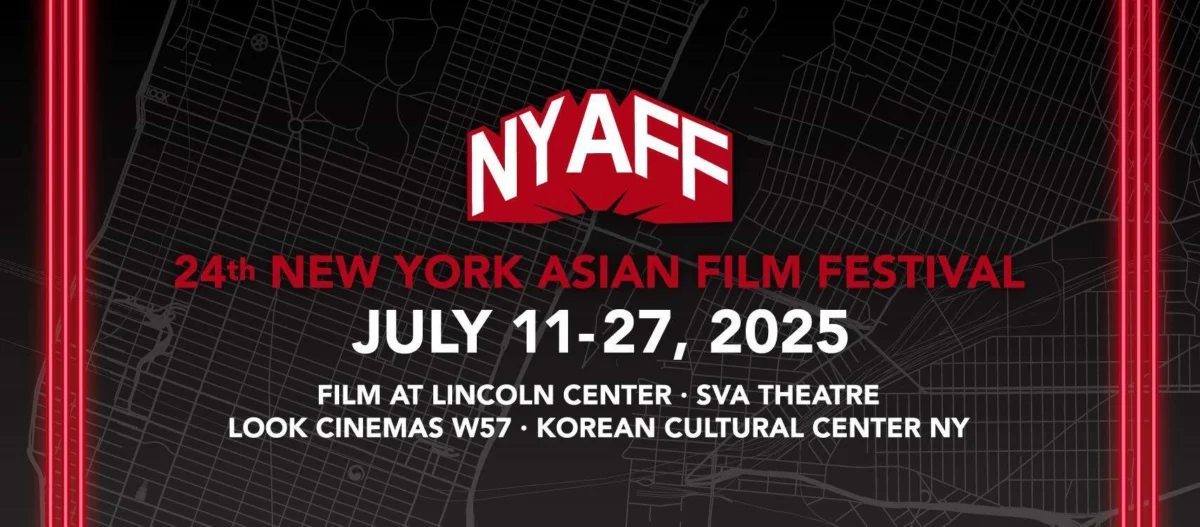
More than two decades after their acclaimed collaboration on "Iden & Tity," director Tomorowo Taguchi, screenwriter Kankuro Kudo, composer Yoshihide Otomo, and leading actor Kazunobu Mineta have reunited to deliver "Street Kingdom: Make Your Own Sound," a compelling narrative exploring music as an act of self-definition amidst the burgeoning Tokyo punk scene of the late 1970s. The 130-minute production, which premiered in Japan on March 27, 2026, is currently making its North American debut at the prestigious New York Asian Film Festival (NYAFF), where it has garnered significant attention as an Uncaged Award nominee.
A Deep Dive into Tokyo’s Punk Genesis
"Street Kingdom: Make Your Own Sound" draws its inspiration from the autobiographical writings of photographer Yuichi Jibiki, whose lens captured the raw energy and defiant spirit of a generation forging its own path. The film embarks on its journey in 1978, a pivotal year when a young, unassuming countryside photographer, Yuichi, encounters the electrifying sound of the Sex Pistols on the radio. This auditory revelation sparks an immediate and profound fascination with punk rock, a genre that would soon ignite a cultural revolution in Japan.
Yuichi’s burgeoning interest leads him into the orbit of a small, independent music magazine, which serves as a gateway to the nascent underground scene. Through this connection, he encounters Sachi, a pivotal figure whose organizational skills and passion for music are instrumental in galvanizing the community. Soon after, he is introduced to TOKAGE, a band fronted by the charismatic and enigmatic Momo, portrayed with compelling intensity by Ryuya Wakaba. Yuichi’s initial act of photographing TOKAGE’s performance quickly immerses him in a vibrant ecosystem of bands, fervent audiences, visionary writers, and dedicated organizers—all united by a shared desire to create and express themselves outside the confines of the established music industry. This period marked a significant cultural shift in Japan, as a generation, perhaps feeling the lingering conformity of post-war economic growth, sought outlets for individualistic expression and rebellion, finding a potent voice in punk.
The Rise of the Tokyo Rockers and the DIY Ethos
The narrative’s core truly solidifies in Roppongi, a district that, while now known for its upscale nightlife, once served as the gritty epicenter of this burgeoning counter-culture movement. Here, the S-TORA studio emerges as the undisputed hub for what would eventually be christened the "Tokyo Rockers." This collective term encompassed a diverse array of bands and artists who, through their independent labels, self-published zines, and DIY concert promotions, carved out a distinct identity. Yuichi, initially an observer, gradually transforms into an indispensable participant, his roles expanding to photographer, manager, driver, and an essential intermediary, facilitating the bands’ tours, recording sessions, and their eventual, often reluctant, engagements with major record labels.
The Tokyo Rockers movement, much like its counterparts in London and New York, was characterized by an ethos of fierce independence and anti-establishment sentiment. Bands like LIZARD, Friction, ZELDA, The Stalin, and Jagatara, whose original recordings are powerfully integrated into the film’s live sequences, embodied this spirit. Their music was not just sound; it was a statement, a raw, unpolished cry for authenticity in an era of polished pop. Venues like Shinjuku Loft and Shibuya Yaneura, meticulously reconstructed for the film, were not just stages but hallowed grounds where this cultural revolution unfolded nightly. The film effectively uses these meticulously recreated settings, along with original photographs and archival video footage, to blur the lines between dramatic recreation and historical documentation, immersing the viewer in the palpable energy of the era.
The Inevitable Clash: Artistry vs. Commerce
However, the very success that brought the Tokyo Rockers national attention also introduced a formidable set of pressures, challenges that their inherent DIY mentality was designed to resist. The entry of major labels, with their commercial expectations and demands for mainstream appeal, presented a stark contradiction to the movement’s foundational principles of artistic freedom and unfiltered expression. This conflict is poignantly embodied in the character of Momo, the charismatic frontman of TOKAGE. Momo increasingly finds himself torn between his artistic convictions and the relentless commercial dictates of the record company, a struggle that mirrors the broader dilemma faced by many underground artists when confronted with mainstream success.
Momo’s trajectory becomes the film’s most compelling dramatic arc. His magnetic self-belief, which initially positions him as a natural leader and visionary, slowly gives way to a profound vulnerability as the movement he helped define morphs into an industry. His subsequent decline is not simplistically attributed to drug use, a common trope in musician biopics. Instead, the film deftly portrays it as a tragic consequence of the inherent contradiction at the heart of the narrative: how does a scene founded on radical freedom maintain its integrity once money, record labels, and mass popularity enter the picture? This nuanced portrayal elevates Momo’s story beyond a mere cautionary tale, making it a profound meditation on the compromises inherent in commercial success.
Performances That Define a Generation
The performances in "Street Kingdom: Make Your Own Sound" are central to its impact. Kazunobu Mineta, as Yuichi Jibiki, guides the audience through this tumultuous period, frequently breaking the fourth wall to provide personal testimony and context. While the film’s portrayal of Yuichi is occasionally idealized, a common challenge in autobiographical adaptations, Mineta’s unusual presence and natural affinity for the material gradually bridge any age discrepancy with the younger Yuichi he portrays. His interactions with Wakaba’s Momo are particularly effective, conveying a complex bond where affection, disappointment, and helplessness coexist without diminishing their connection. Their confrontation over Momo’s drug use and a later, emotionally charged prison meeting stand out as profoundly impactful moments, revealing the limits of Yuichi’s seemingly inexhaustible problem-solving capabilities.
Beyond Momo, Taiga Nakano delivers an unforgettable performance as Michiwo, a fictionalized representation of Michiro Endo, the legendary vocalist of The Stalin. Nakano throws himself into the role with an almost frightening physical commitment, meticulously recreating the provocative and often confrontational stage presence that defined Endo. His performances, which include controversial elements like nudity and animal remains, embody a more aggressive and anarchic form of punk rebellion compared to Momo’s conflicted idealism. Despite Michiwo occupying comparatively limited screen time, Nakano’s wild energy and raw intensity make him one of the film’s most indelible presences, brilliantly illustrating the stylistic diversity within the Tokyo underground scene—a melting pot of radically different interpretations of musical and personal freedom.
Further enriching the ensemble are Riho Yoshioka as Sachi, who imbues her character with warmth and momentum, highlighting her essential role in the movement’s infrastructure through her magazine, printing resources, and musical activities. Shotaro Mamiya, Nao Omori, and Shido Nakamura also contribute significantly, crafting a tapestry of distinct personalities that underscore the scene’s varied ideologies rather than a monolithic identity.
Artistic Direction and Production Excellence
The film’s aesthetic and technical execution are equally commendable. Atsuhiro Nabeshima’s cinematography masterfully navigates between the intimate chaos of concert spaces and the more contemplative imagery associated with Yuichi’s photographic work. The reconstructed venues—Shinjuku Loft, Shibuya Yaneura, and Kyoto University’s Seibu Auditorium—feel authentically lived-in rather than mere museum pieces, thanks to meticulous attention to detail. The deliberate integration of original photographs and archival video footage repeatedly collapses the temporal distance between dramatic recreation and historical record, creating a visual narrative that oscillates between documentary and fiction, ultimately leaning into the evocative power of the latter.
Soichi Ueno’s editing is another standout, skillfully managing a vast array of characters, bands, and incidents with remarkable clarity, especially in its seamless integration of archival material into the fictionalized narrative. While the episodic accumulation of performances, tours, business negotiations, and personal crises occasionally makes the 130-minute running time noticeable, the pacing generally sustains engagement. The music, as expected, remains foregrounded throughout. The decision to use original recordings in live sequences, coupled with the actors’ rigorous rehearsals to perform the songs themselves, ensures that the concerts retain the raw, visceral force of the era’s legendary bands like LIZARD, Friction, ZELDA, The Stalin, and Jagatara, preventing them from feeling like inert reenactments.
The Enduring Legacy and Broader Implications
"Street Kingdom: Make Your Own Sound" serves as both a vibrant celebration of the Tokyo Rockers movement and a thoughtful argument about cultural inheritance. Director Tomorowo Taguchi, through this deeply personal and meticulously crafted film, effectively communicates the sheer excitement and pioneering spirit of individuals who, in the absence of existing structures, created their own venues, records, publications, and distribution systems for the music they felt compelled to make.
The film’s North American premiere at the New York Asian Film Festival, coupled with its Uncaged Award nomination, underscores its international appeal and critical recognition. The Uncaged Award, specifically honoring films that push boundaries and explore themes of liberation and non-conformity, is a fitting accolade for a narrative so deeply rooted in the spirit of punk rebellion. The festival’s programming highlights the global resonance of counter-cultural movements and the timeless struggle between artistic integrity and commercial pressures.
"Street Kingdom: Make Your Own Sound" offers valuable insight into a specific historical moment in Japanese culture while also addressing universal themes. It explores the complexities of finding one’s authentic voice, the communal power of a shared artistic vision, and the profound, often challenging, price of maintaining that vision once the wider world begins to listen. While the film’s reverence for its protagonist, Yuichi, occasionally softens its edges, its core message about the enduring power of music and the pursuit of self-definition resonates strongly. It is an energetic and affectionate drama that not only chronicles a significant chapter in Japanese music history but also prompts reflection on the delicate balance between artistic purity and the demands of popular success, a dilemma that continues to challenge artists across all mediums and generations.