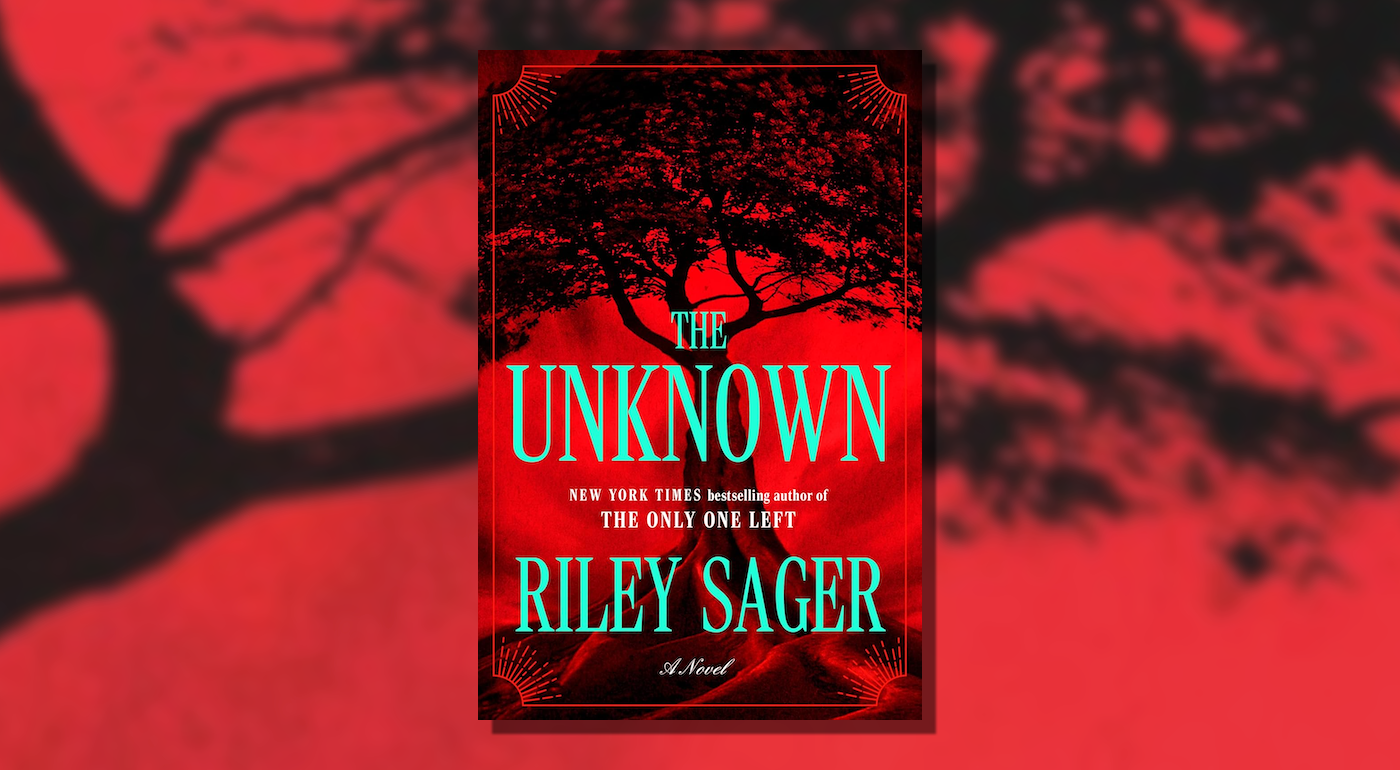
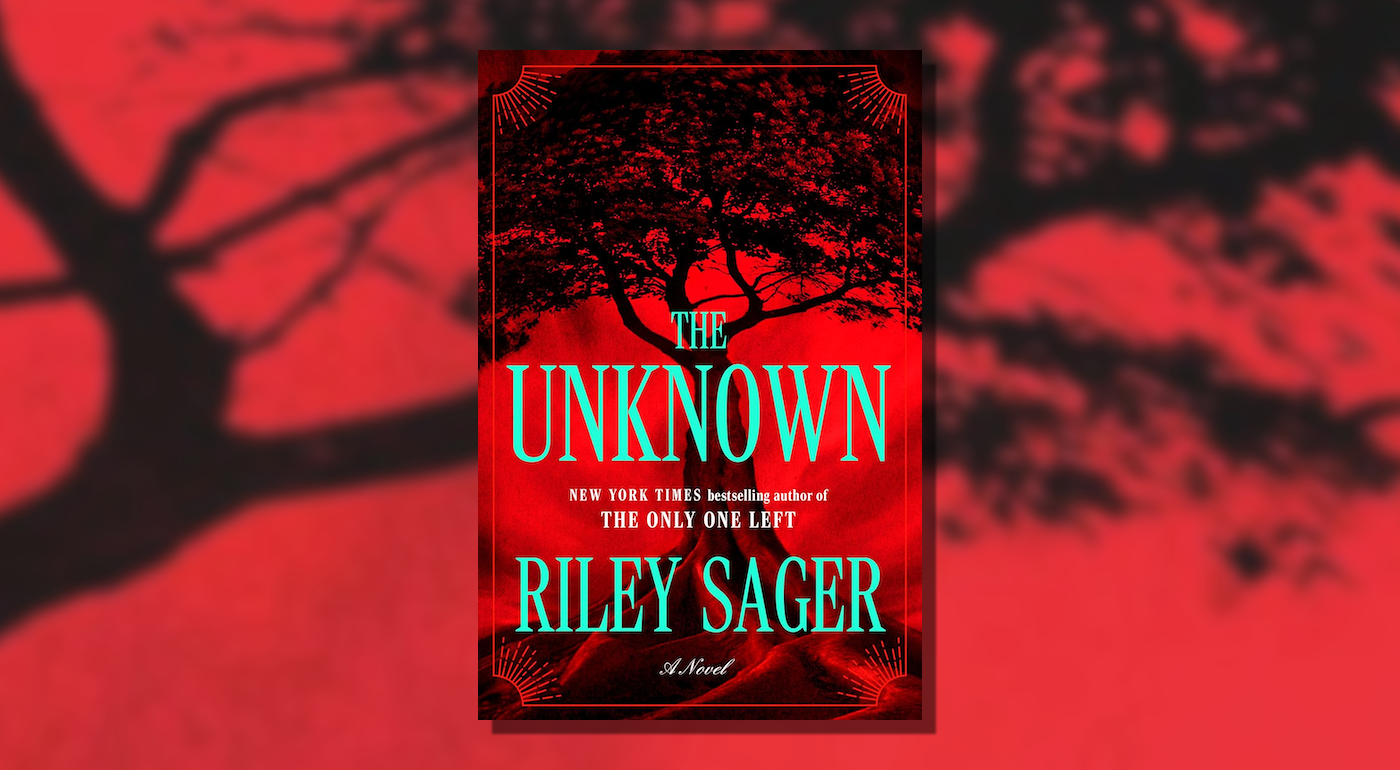
Dutton is set to release Riley Sager’s latest horror novel, "The Unknown," on August 4th, offering readers a chilling glimpse into the mysteries of a remote island and the dark secrets it holds. The novel centers on Marin Keane, a struggling actress who unexpectedly lands a role in a major motion picture based on the unsolved disappearances on New Avalon, an island situated on Vermont’s Lake Faraday. Her role necessitates a weeklong research trip to the island itself, a place steeped in a century-old mystery.
A Commune’s Cryptic Demise
New Avalon was once a commune established by spiritual mediums. However, in 1926, the entire community vanished, leaving behind only five dresses hanging from an ancient oak tree. Local lore offers various explanations, from simple departures to foul play. The prevailing theory, fueled by a diary left by Daisy Rue, one of the vanished women, points to a séance gone awry, which allegedly conjured a supernatural force that claimed the residents one by one.
The narrative follows Marin as she arrives on the island with her castmates, including veteran actress Violet Wright and acclaimed director Ronan Peters. The eerie atmosphere of New Avalon quickly becomes apparent. Strange nocturnal sounds and cryptic symbols left by the island’s former inhabitants contribute to a growing sense of unease. The situation escalates when a sudden health emergency leaves Marin, Ronan, and the other actors stranded, mirroring the island’s history of disappearances. As fear and suspicion mount, Marin finds herself compelled to delve into Daisy Rue’s diary, seeking answers to the fate of the New Avalon women and a way to prevent the island’s dark past from ensnaring the present.
A Reluctant Journey into the Unknown
The initial chapter of "The Unknown" immerses the reader in Marin’s experience as she travels to the island. The island appears as an indistinct "black smudge on the horizon," its details obscured by distance. Her arrival at the dock is met by Loretta, the film’s producer, whose presence is unexpected. Marin, running late due to traffic, expresses her apologies, but Loretta informs her that director Ronan Peters and the other cast members have already been transported to the island.
As Marin boards a powerboat piloted by a weathered local named Pete, she reflects on her improbable journey to this point. Just a week prior, she was a waitress, and now she is cast in a major horror film. The opportunity arose from a casting notice for a woman with a "period look." Her agent, Veronica, seemingly had low expectations, framing it as an experience-building audition. However, the involvement of Ronan Peters and Violet Wright signaled the project’s significant potential.
The role of a woman in a shapeless tan dress, with minimal makeup and plain hair, initially seemed like a stretch. Yet, it resonated with the casting director. During the audition, Marin found herself facing Ronan Peters directly. He transformed the formal audition into a "conversation," probing into her childhood and her desire for a less focused parental gaze. He revealed that the previous actress cast had a "lack of imagination," a quality he deemed unsuitable for a horror film. He then asked Marin to tell a ghost story, a request she fulfilled by recounting a childhood encounter with a ghost. This "audition," as Marin describes it, led to her casting.
Unsettling Pre-Production Preparations
The novel details the rapid onset of Marin’s involvement. Following her audition, she received a call from Veronica confirming she had secured the part, with the caveat that she needed to be in Vermont by Monday, just two days later. The intervening time was a blur of costume fittings, hair and makeup tests, and arranging a leave of absence from her waitressing job.
Now en route to New Avalon, Marin receives a cryptic text message from an unknown number: "the woman you replaced." This unsettling communication heightens Marin’s apprehension. The sender warns her not to set foot on the island, promising regret if she does. Despite the ominous tone, Marin boards the boat, her unease masked by a forced smile.
The boat journey itself is disorienting. The island appears to maintain a consistent size on the horizon, suggesting it is larger than initially perceived and offering no discernible details. When Marin inquires about the island’s distance, Pete responds, "Too far to be making a movie there," implying a local awareness of the island’s notoriety.
The Island’s Dark History Unveiled
Loretta and Ronan had previously briefed Marin on the island’s history. New Avalon was once the summer retreat of industrialist Roderick Semple. After his death, his daughter, Ruth Hume Semple, transformed it into a commune. Each spring, Ruth would arrive with a group of women, and their activities on the island generated considerable speculation. Some believed they were witches engaged in occult practices, while others saw them as simply affluent women seeking a rustic lifestyle. The true nature of their pursuits remained largely unknown until 1926.
That year, the entire community vanished. Loretta explained that Ruth Hume Semple and her followers were reportedly spiritualists. Amidst the widespread grief following World War I and the Spanish Flu pandemic, many sought solace through attempts to contact the deceased. It is believed that during one such séance on New Avalon, something went terribly wrong. Ronan elaborated that they may have "accidentally summoned something," a ghost or an "evil entity" that systematically eliminated the women.
Pre-Production as Immersion
The week-long stay on New Avalon is presented as a crucial pre-production phase, described as a "boot camp" for the five lead actresses. Director Ronan Peters aims for an immersive experience, requiring the cast to live as their characters would have in 1926. This includes adopting their attire, diet, and living conditions, with a strict prohibition on modern devices like phones. The goal is to achieve historical authenticity, ensuring that every detail, from costume construction to the very glass in the windows, reflects the era.
The text message from the actress Marin replaced serves as a stark warning. Her final message, "don’t set foot on that island. if you do, i swear, you WILL regret it," injects a palpable sense of dread into Marin’s impending stay. This foreshadows a narrative where the lines between fiction and reality may blur, and the island’s past may prove to be more than just a historical footnote. The novel promises to explore themes of isolation, the supernatural, and the psychological toll of confronting long-buried secrets. The choice of an isolated island setting, coupled with the historical context of spiritualism and unexplained disappearances, creates a fertile ground for suspense and horror. The narrative structure, beginning with Marin’s personal journey and gradually revealing the island’s dark lore, aims to build a sense of foreboding and draw the reader into the unfolding mystery. The inclusion of Daisy Rue’s diary suggests a narrative that will weave together present-day events with historical accounts, providing clues and deepening the enigma. As the actresses prepare to immerse themselves in the island’s past, the stage is set for a terrifying confrontation with the unknown forces that may still linger on New Avalon. The narrative’s focus on an actress playing a role that mirrors her own predicament adds a meta-textual layer, questioning the nature of performance and the potential dangers of inhabiting another’s history. The impending week on the island, stripped of modern comforts and connections, is poised to become a crucible for the characters, testing their courage and sanity against the backdrop of a chilling historical enigma. The implications of the island’s past are not merely confined to its original inhabitants; the narrative suggests that the darkness may be cyclical, ready to ensnare a new group of unsuspecting individuals.