The official United Kingdom trailer for the acclaimed independent prison drama Animol has been released by Sky TV, offering audiences a gritty, intimate glimpse into the harsh realities of the British juvenile detention system. Marking the feature-length directorial debut of prominent British actor and filmmaker Ashley Walters—best known for his starring roles in Top Boy and Bulletproof—the film explores themes of survival, adolescent identity, and redemption behind bars.
Following a successful international festival run earlier this year, including a high-profile premiere at the Berlinale and subsequent screenings at the Karlovy Vary International Film Festival (KVIFF), the movie is slated for a theatrical release across the United Kingdom on October 30, 2026. The promotional rollout, spearheaded by Sky TV alongside the newly unveiled official quad poster, highlights a rising generation of talent alongside established British acting mainstays.
Chronology and Festival Run
The journey of Animol to the screen has been carefully paced through the European film festival circuit. The project originated as a collaborative effort backed by major British funding and commissioning bodies, including Film4, Sky, and the British Film Institute (BFI). Producers Joy Gharoro-Akpojotor and Tom Hawkins shepherded the production through principal photography, focusing on an authentic portrayal of contemporary youth custody in the UK.
Earlier in 2026, the film made its international premiere at the Berlin International Film Festival, where it competed in sections that highlight innovative storytelling and stark social realism. Critics and festival attendees noted its uncompromising look at institutionalized youth and the psychological toll of incarceration. Following Berlin, the film traveled to the Czech Republic for the Karlovy Vary International Film Festival, further building critical momentum before securing its autumn distribution window through Sky TV.

Plot and Narrative Framework
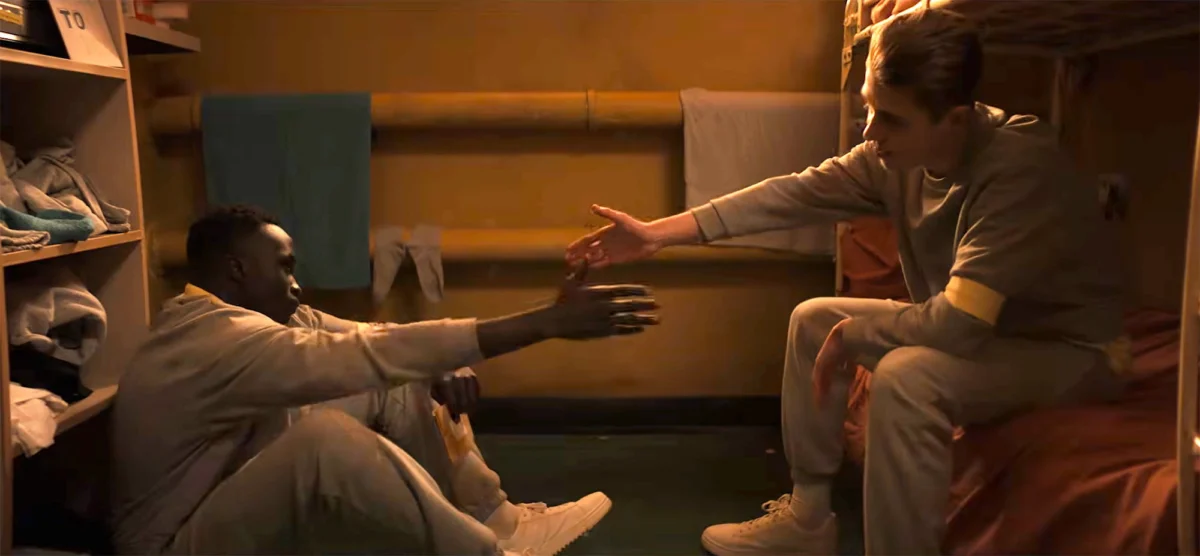
Set against the claustrophobic and volatile backdrop of a British juvenile detention center, Animol centers on a young newcomer named Troy, portrayed by rising talent Tut Nyuot, who previously appeared in The Long Walk. Thrust abruptly into a brutal ecosystem defined by entrenched gang hierarchies, shifting loyalties, and casual violence, Troy is forced to adapt immediately to survive.
Upon arrival, he is paired with a volatile cellmate, played by Vladyslav Baliuk, setting up a daily routine characterized by constant threats and localized power struggles. As the narrative unfolds, Troy navigates the oppressive environment by forging an unspoken, fragile bond with a fellow inmate. While this connection offers a measure of emotional solace and human warmth within a sterile institution, it simultaneously introduces a dangerous vulnerability that threatens both boys’ safety.
The screenplay, penned by veteran British screenwriter Nick Love—whose previous credits include The Football Factory and A Town Called Malice—leans heavily on naturalistic dialogue and high-stakes tension. Through Troy’s eyes, the film examines whether institutional rehabilitation is genuinely attainable for adolescents caught in cycles of deprivation and systemic failure.
Cast and Creative Team
Animol relies heavily on the strength of its ensemble cast, blending fresh-faced newcomers with seasoned British dramatic talent. Tut Nyuot delivers what early festival reviews have singled out as an exceptional, emotionally demanding lead performance, anchoring the film’s exploration of adolescent vulnerability. His dynamic with co-star Vladyslav Baliuk forms the emotional core of the narrative.

In supporting roles, acclaimed actor Stephen Graham appears as a dedicated Welfare Officer tasked with guiding and supporting the young offenders through the labyrinthine challenges of their incarceration. Meanwhile, Sharon Duncan-Brewster portrays Troy’s mother, grounding the institutional drama in the external domestic reality and familial grief left behind on the outside.
Behind the camera, Ashley Walters transitions from television episodic work—having previously directed episodes of Ackley Bridge and A Thousand Blows—to his first feature-length cinematic endeavor. Walters brings a lived-in perspective to urban youth culture and systemic friction, sensibilities that defined much of his acclaimed acting career.
Context within British Cinema
The release of Animol arrives amid a notable resurgence of gritty, character-driven British prison dramas and social realist cinema. The film shares thematic and stylistic DNA with recent cinematic explorations of institutional confinement, such as Sebastian Meise’s acclaimed international drama Great Freedom, as well as domestic counterparts like the UK prison film Wasteman, which featured performances by David Jonsson and Tom Blyth.
These films reflect a broader cultural and cinematic appetite within the British film industry for stories examining marginalized youth, the failures of the penal system, and the complexities of male intimacy and vulnerability under duress. By focusing specifically on the juvenile justice system, Animol shifts the lens toward preventative environments, questioning how adolescent identity is shaped—or deformed—by punitive architectures.
Broader Impact and Industry Implications

As indie filmmaking continues to navigate shifting box office landscapes and streaming integration, the distribution model for Animol represents a hybrid approach common among contemporary British productions. Backed by institutional mainstays like Film4 and the BFI, and distributed commercially by Sky TV, the film benefits from both the cultural validation of the festival circuit and the wide-reaching promotional apparatus of a major broadcaster.
For Ashley Walters, the successful completion and theatrical distribution of a feature debut marks a significant career milestone, cementing his transition from a celebrated television actor to a viable cinematic auteur capable of commanding complex social narratives. For rising actors like Tut Nyuot, high-profile indie projects of this caliber serve as a vital springboard into broader international casting pools.
With its theatrical release locked in for October 30, 2026, industry analysts will be monitoring how audiences respond to the film’s uncompromising tone. As modern viewers increasingly seek out grounded, emotionally resonant storytelling, Animol positions itself as a timely and rigorous examination of human resilience within the most unforgiving of spaces.