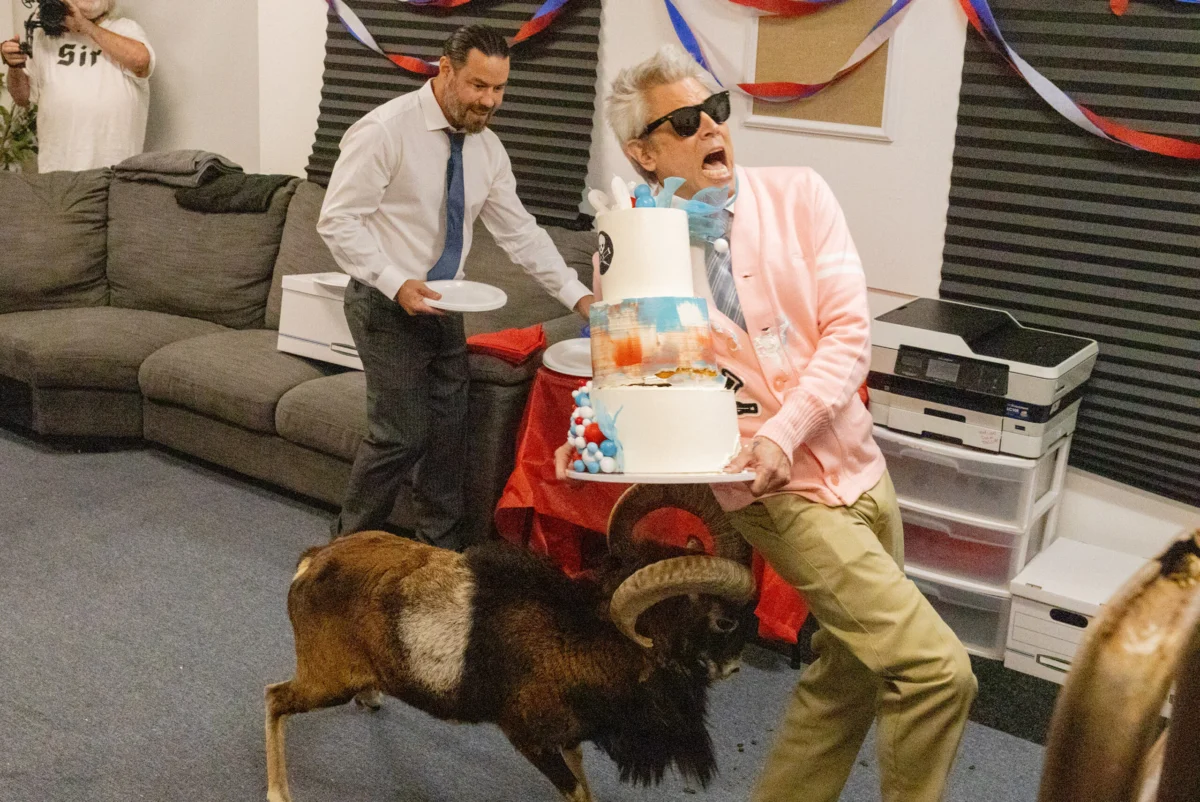
The release of Jackass: Best and Last marks what is potentially the final installment of a culturally polarizing and remarkably enduring media franchise. For over two decades, director Jeff Tremaine has orchestrated the controlled chaos that defined the brand, evolving from an underground skateboarding magazine editor into a defining voice of contemporary comedy. While the franchise is ostensibly known for juvenile slapstick, groin impacts, and physical self-deprecation, its sustained longevity rests on a foundation of genuine camaraderie, artistic curation, and a surprisingly disciplined approach to filmmaking.
Main Facts and Origins in Skate Culture
The genesis of the Jackass phenomenon traces back to the late 1990s and the pages of Big Brother, a countercultural skateboarding magazine where Tremaine served as art director and editor. Rather than focusing purely on technical skateboarding prowess, Tremaine excelled at curating eccentric personalities. It was within this environment that Johnny Knoxville, a writer for the magazine, pitched an idea that would change the trajectory of alternative comedy: testing various self-defense weapons on himself while on camera.
When the footage of Knoxville shooting himself with a handgun circulated within the skateboarding community, Tremaine recognized that the material transcended the traditional scope of print media and niche VHS tapes. Collaborating with cocreators Knoxville and Spike Jonze, Tremaine transitioned these unscripted, high-risk stunts into a television format. Premiering on MTV in October 2000, Jackass immediately sparked intense public debate, drawing criticism from conservative watchdog groups and municipal leaders concerned about copycat behavior among teenagers. Despite early cancellation threats and regulatory pushback, the series resonated with a demographic hungry for unfiltered, anti-establishment humor, paving the way for a transition to feature-length cinema.
Chronology of a Cinematic Phenomenon
The trajectory of the franchise evolved from low-budget guerrilla filmmaking into a polished studio enterprise, managed primarily by Paramount Pictures.
- October 2000: The original television series premieres on MTV, rapidly becoming a ratings powerhouse and a lightning rod for cultural controversy.
- 2002: Following the cancellation of the television series due to creative and network pressures, Jackass: The Movie is released theatrically, grossing over $79 million worldwide against a modest $5 million production budget.
- 2006: Jackass Number Two expands the scale of the stunts and introduces higher production values while retaining the core improvisational spirit.
- 2010: Jackass 3D marks a significant technical leap, utilizing specialized 3D cameras and high-speed photography that elevates the aesthetic presentation of the physical comedy, eventually premiering at the Museum of Modern Art (MoMA) in New York.
- 2022: Jackass Forever overcomes production delays and pandemic-related hurdles, achieving critical acclaim and grossing over $80 million globally, signaling a reassessment of the franchise by mainstream film critics.
- 2026: Jackass: Best and Last reflects on the historical archive of the series, offering a retrospective look at the aging cast and the operational mechanics behind twenty-five years of stunt work.
Supporting Data and Production Evolution
Financial metrics underscore the commercial viability of the franchise. Across multiple theatrical releases, the Jackass film series has accumulated well over $350 million at the worldwide box office, consistently outperforming expectations relative to its production costs. However, the operational reality of producing these films has shifted dramatically over time.
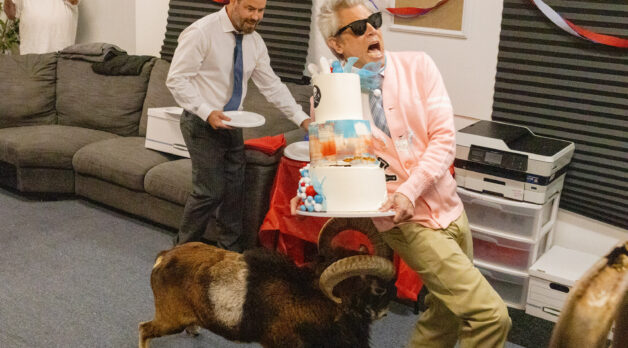
In the early years of the television show and the first feature film, Tremaine and his crew operated with minimal oversight, capturing spontaneous interactions in public spaces without permits or large technical crews. As the brand grew, insurance requirements, legal permissions, and studio involvement introduced bureaucratic hurdles. In interviews discussing the production process, Tremaine has noted that these restrictions paradoxically forced greater creative discipline. Whether negotiating with the Motion Picture Association (MPA) over the duration of full-frontal nudity or managing safety protocols for high-risk animal stunts involving bulls and bears, the production team developed a rigorous behind-the-scenes infrastructure designed to protect the cast while preserving the illusion of absolute recklessness.
Statements and Reactions from Related Parties
The transition of Jackass from lowbrow provocation to critically analyzed cinema has been a source of amusement and mild existential bewilderment for its creators. Reflecting on the editing process for the retrospective project, Tremaine has expressed emotional resonance when reviewing early archival footage of the cast members as young men.
Industry critics and cultural analysts have increasingly reevaluated the franchise, noting that beneath the crude exterior lies a surprisingly progressive text. Observers frequently highlight how the series subverts traditional depictions of hyper-masculinity, replacing aggressive posturing with unconditional emotional support, vulnerability, and mutual affection among the cast. When confronted with intellectualized interpretations of his work at venues like MoMA, Tremaine has maintained a self-deprecating perspective, attributing the success of the films to an instinctive dedication to magnifying simple, juvenile humor rather than executing a grand artistic manifesto. Cast members, while acknowledging the physical toll of decades of concussions, broken bones, and surgeries, have consistently pointed to their enduring friendship as the primary driver behind their willingness to continue performing dangerous gags into middle age.
Broader Impact and Cultural Implications
The cultural footprint of Jackass extends far beyond box office receipts. The franchise inadvertently laid the groundwork for the modern landscape of user-generated content, reality television, and online stunt culture, predating platforms like YouTube, TikTok, and Jackass-inspired internet creator collectives.
Scholars of media studies often point to the series as a unique sociological experiment in male bonding during an era when traditional masculine archetypes were undergoing significant shifts. By stripping away ego and embracing total humiliation on screen, the cast established a template for male intimacy rooted in shared physical endurance and humor. Furthermore, Tremaine’s aesthetic influence—characterized by a seamless integration of punk rock soundtracks, kinetic editing, and high-speed cinematography—demonstrates a sophisticated visual literacy that underpins the outwardly chaotic appearance of the films.
As the franchise potentially reaches its definitive conclusion with Jackass: Best and Last, its legacy remains secure. It stands as a rare cultural artifact that successfully bridged the gap between underground counterculture and mainstream cinematic history, proving that even the most sophomoric humor, when executed with absolute authenticity and directorial precision, can achieve enduring artistic relevance.