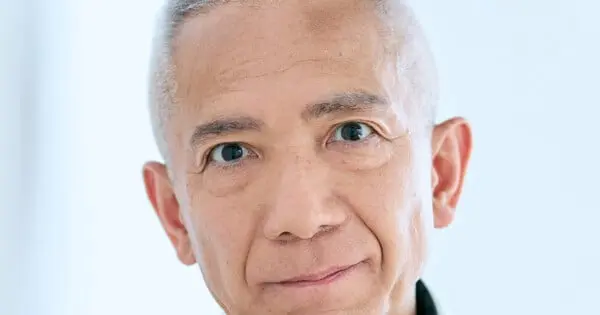
The Japanese entertainment industry is mourning the loss of Naoki Bando, a seasoned voice actor whose versatile performances anchored numerous iconic anime series, video games, and international dubbing projects for over four decades. Bando passed away on Monday, September 28, 2026, at the age of 69. His management agency, Production Ace, confirmed the news on Friday, October 2, noting that the actor had been undergoing medical treatment for an undisclosed condition prior to his passing.
A Career Defined by Range and Consistency
Naoki Bando was a fixture in the Japanese voice acting scene, known colloquially in the industry as a "working actor"—someone whose ability to inhabit a wide range of character archetypes made him an essential contributor to production houses across Japan. His career spanned from the early 1980s into the mid-2020s, a period that saw the anime industry transition from niche domestic entertainment to a global cultural phenomenon.
Throughout his tenure, Bando demonstrated a rare ability to pivot between the lighthearted, high-energy requirements of children’s programming and the gravitas required for complex, dramatic narratives. His filmography reflects this duality, spanning from the whimsical world of Yo-kai Watch to the high-stakes political and military drama of the Gundam universe.
Key Milestones and Notable Roles
Bando’s career was marked by several high-profile roles that solidified his reputation among fans and fellow voice actors. In the Yo-kai Watch franchise, he provided the voice for the beloved Robonyan, a character that became a cornerstone of the series’ marketing and popularity. His work in the Gundam franchise was equally significant; he voiced Torenov Y. Minovsky in the critically acclaimed Mobile Suit Gundam: The Origin, contributing to the series’ rich lore and historical depth.
His extensive resume includes:
- The Brave of Gold Goldran: Silvarion
- The Brave Fighter of Sun Fighbird: Guard Star
- Urayasu Tekkin Kazoku: Kintetsu Oosawagi
- Mobile Suit Gundam AGE: Vargas Dyson
- Naruto: Gato
- One-Punch Man: Centichoro
- Shadow of the Colossus: Emon
- Baten Kaitos: Larikush
In addition to his contributions to original Japanese animation, Bando was a prolific dubbing artist. He lent his voice to various foreign films and television series, helping to bridge cultural gaps for Japanese audiences. His credits in this sector included high-profile projects such as the medical drama ER, the suspense series 24, and major cinematic releases like Casino Royale and The Matrix. These roles underscored his technical proficiency, as he was required to match the emotional cadence and lip-syncing precision of Western actors in vastly different linguistic contexts.
The Professional Legacy of Production Ace
The announcement from Production Ace, the agency that represented Bando, highlights the quiet professionalism he maintained throughout his life. In an era where voice actors often become public-facing celebrities, Bando maintained a focus on his craft, often operating behind the scenes to breathe life into supporting characters that gave depth and texture to larger stories.
Management agencies in Japan play a pivotal role in the career trajectory of voice actors, often acting as talent curators who bridge the gap between studio directors and the performers. Production Ace’s statement, while brief, served as a formal acknowledgment of the loss of a senior member of their roster. The agency’s involvement in both the domestic anime market and the localization of international media highlights the breadth of the environment in which Bando flourished.

The Impact of His Passing on the Anime Industry
The loss of a veteran like Bando creates a ripple effect in the industry. Beyond the immediate grief felt by his colleagues, his passing serves as a reminder of the aging demographic within the Japanese voice acting community. Many of the "voice legends" who helped define the golden age of anime in the 1980s and 90s are now entering their late 60s and 70s.
Industry analysts note that the loss of such a seasoned performer impacts the "DNA" of ongoing franchises. When a voice actor who has been with a franchise for years—such as the Gundam or Yo-kai Watch series—passes away, it necessitates a difficult transition period for the creative teams responsible for those properties. Casting directors must balance the need to honor the legacy of the original performance with the practical necessity of continuing the narrative.
Chronology of a Four-Decade Career
Bando’s professional journey began in the early 1980s, a time when the Japanese animation industry was undergoing a massive expansion. During this era, the "Brave" series of mecha anime, to which Bando contributed, was instrumental in shaping the Saturday morning broadcast landscape in Japan.
- 1980s–1990s: Bando established himself as a versatile supporting actor, finding steady work in mecha and action-oriented series.
- 2000s: His work expanded into video game voice acting and the localization of American television dramas, showcasing his adaptability to different performance mediums.
- 2010s: Bando became a familiar voice in modern blockbuster hits like One-Punch Man and the expansive Gundam franchise, proving his endurance in a competitive, youth-oriented industry.
- 2020s: Until his final months, Bando remained active, serving as a mentor figure to younger talent at Production Ace and contributing to ongoing series.
Industry and Fan Reactions
While formal statements from co-stars and directors remain private, the online reaction from the global anime community has been significant. Forums and social media platforms dedicated to anime preservation have been flooded with tributes, with many fans citing specific moments from his performances that defined their childhoods or appreciation for the medium.
The nature of voice acting often means that a performer’s face is less recognized than their voice. However, the outpouring of sentiment regarding his role as Robonyan in Yo-kai Watch demonstrates the lasting emotional connection audiences form with voice-driven characters. For many, Bando’s voice was the sound of a specific era of animation, one characterized by distinct, memorable character designs and intricate world-building.
Broader Context: The Role of the Supporting Voice
In professional animation, the "star" of a show is often the protagonist, but the quality of the production is frequently dictated by the strength of the supporting cast. Bando was a master of this craft. His roles in Naruto and One-Punch Man were often pivotal to the pacing and conflict of the narrative. By providing gravitas to antagonists or complex secondary figures, he helped elevate the stakes of the primary storyline.
This type of contribution is essential to the commercial viability of long-running anime franchises. When a character like Gato in Naruto is voiced with the nuance that Bando provided, it creates a more compelling antagonist, thereby increasing the investment of the audience in the protagonist’s victory. His ability to deliver consistent performances over 40 years is a testament to the discipline and technical skill required to survive in the highly competitive Tokyo-based talent pool.
Conclusion: Remembering Naoki Bando
Naoki Bando’s career was a testament to the endurance and importance of the voice acting profession. While he may not have always held the lead billing, his presence in a production was a hallmark of quality and experience. As the industry moves forward, his work remains preserved in the thousands of episodes, films, and games he helped define.
For those looking to remember his work, his legacy lives on in the extensive archives of the Gundam franchise, the imaginative world of Yo-kai Watch, and the myriad of international films that he helped translate for Japanese viewers. His death marks the end of an era for many who grew up listening to his work, but his contributions to the cultural landscape of Japan remain a permanent part of the history of modern animation. The industry, and the fans who supported him for decades, will remember Bando not just for the roles he played, but for the consistency, professionalism, and heart he brought to every recording session.